U.S.-based battery materials startup Sila has announced a significant leap forward in electric vehicle (EV) battery technology, potentially unlocking a 20% increase in driving range without the need for larger, heavier battery packs. The company’s innovative approach focuses not on replacing the ubiquitous lithium-ion battery chemistry, but on dramatically improving one of its most critical components: the anode. This breakthrough, powered by $300 million in new private funding, is set to accelerate the production of Sila’s proprietary "Titan Silicon" anode material, a development that has been over 15 years in the making.
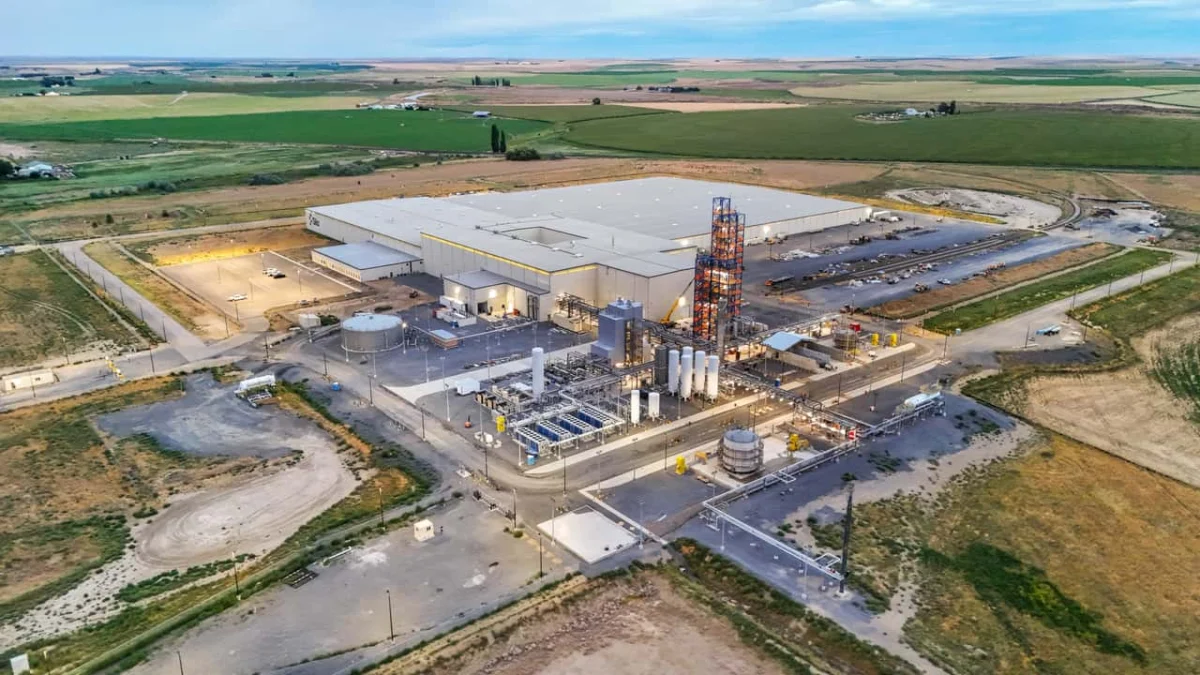
The core of Sila’s innovation lies in its silicon-carbon anode material, branded as Titan Silicon. Unlike the graphite anodes that currently dominate the lithium-ion battery market, Sila’s material promises substantial improvements in energy density, with reported increases ranging from 20% to 40%. This enhanced energy density is the key to achieving greater EV range. Furthermore, Sila indicates that its technology also facilitates faster charging, though specific metrics for charging speed improvements have not yet been disclosed. The significant private funding injection is earmarked for scaling up production at its Moses Lake, Washington factory and supporting the next phase of the facility’s expansion, positioning Sila to become a major player in the global battery supply chain.
The Science Behind the Range Boost: Advancing the Anode
The anode is one of the two electrodes in a lithium-ion battery, responsible for storing lithium ions when the battery is charged. Traditional lithium-ion batteries predominantly use graphite as the anode material. While effective, graphite has limitations in its capacity to store lithium ions. Silicon, on the other hand, possesses a theoretical capacity to store lithium ions approximately ten times greater than graphite. This inherent advantage makes silicon a highly attractive material for enhancing battery performance.
However, the widespread adoption of pure silicon anodes has been hampered by significant challenges. As silicon absorbs and releases lithium ions during the charging and discharging cycles, it undergoes substantial volumetric expansion and contraction. This physical change can lead to the degradation of the anode material, causing cracks and ultimately reducing the battery’s lifespan and reliability. Consequently, most current EV batteries utilize only small percentages of silicon blended with graphite to mitigate these issues while still reaping some of the benefits.
Sila claims to have overcome these hurdles through its proprietary Titan Silicon technology. While the exact composition and manufacturing processes remain confidential, the company’s extensive 15-year development period suggests a sophisticated approach to stabilizing silicon’s volume changes and enhancing its durability. This breakthrough could represent a pivotal moment, allowing automakers to achieve significant performance gains without a fundamental overhaul of existing battery manufacturing infrastructure, which is heavily invested in lithium-ion technology.
Scaling Up Production: A New Anode Manufacturing Hub
The $300 million in private funding marks a critical milestone for Sila, enabling the company to accelerate its manufacturing capabilities. The funds will be primarily directed towards its Moses Lake, Washington facility, a sprawling 160-acre site that began operations in the fall of 2025. Sila is currently ramping up production from an initial capacity of 2 gigawatt-hours (GWh). Crucially, the facility was designed with scalability in mind, with plans to achieve an annual production capacity of 250 GWh within five years.
This ambitious expansion target would position Sila’s Moses Lake plant as the world’s largest anode production facility, a testament to the anticipated demand for its advanced silicon-carbon anode material. The scale of this operation underscores the industry’s growing commitment to next-generation battery technologies and Sila’s confidence in its ability to meet that demand.
Strategic Partnerships and Industry Validation
Sila is not just developing a promising technology; it is actively securing its place in the automotive supply chain through strategic partnerships. The company has already established contracts to supply its Titan Silicon anode material to leading automotive manufacturers and battery producers, including Mercedes-Benz and Panasonic Energy. These collaborations serve as significant endorsements of Sila’s technology and its commercial viability.
Mercedes-Benz has publicly announced its intention to integrate Sila’s Titan Silicon into a future electric G-Class model, signaling a commitment to leveraging this advanced anode for enhanced performance in its premium electric vehicles. Similarly, Panasonic Energy, a major global supplier of lithium-ion batteries, plans to incorporate Sila’s material into its next-generation EV battery cells, indicating its potential impact across a broad spectrum of electric vehicle applications. While other partnerships remain undisclosed, these high-profile collaborations highlight the industry’s recognition of Sila’s potential to redefine EV battery capabilities.
Broader Implications for the Electric Vehicle Landscape
The implications of Sila’s technological advancement extend far beyond simply increasing driving range. The ability to achieve greater energy density without increasing battery size or weight offers a multitude of benefits for automakers and consumers alike.
- Reduced Vehicle Weight: Lighter battery packs can contribute to more efficient vehicles, improving overall energy consumption and potentially enhancing driving dynamics.
- Design Flexibility: Smaller or lighter battery packs can provide automakers with greater design freedom, allowing for more versatile vehicle architectures and improved interior space utilization.
- Cost Reduction Potential: While initial development and manufacturing costs for advanced materials can be high, the increased energy density and potential for faster charging could, in the long term, lead to more cost-effective battery solutions as production scales.
- Accelerated Charging: The reported improvements in charging speed are particularly significant for consumer adoption. Faster charging times can alleviate range anxiety and make EVs more practical for everyday use and long-distance travel. For example, the Mercedes-AMG GT 4-Door EV, which reportedly utilizes silicon in its battery anodes, boasts an impressive 10% to 80% charging time of just 11 minutes and a peak charging power of 600 kW, illustrating the tangible benefits of silicon-enhanced batteries.
- Phased Transition: Sila’s approach of enhancing existing lithium-ion technology, rather than requiring a complete shift to entirely new battery chemistries like solid-state batteries, offers a more pragmatic and potentially faster path to widespread adoption of advanced battery performance. This phased transition allows the industry to leverage existing manufacturing infrastructure and expertise while progressively improving battery capabilities.
General Motors has also publicly acknowledged the trend towards increasing silicon content in EV batteries, anticipating that this gradual evolution will enable manufacturers to shrink battery packs, reduce vehicle weight, and eventually lower costs, all without waiting for entirely new battery technologies to mature and enter mass production. Sila’s innovation aligns perfectly with this industry trajectory, positioning the company at the forefront of this transformative shift.
The Road Ahead: Challenges and Opportunities
While Sila’s advancements are highly promising, the path to widespread adoption will involve overcoming several challenges. Continued research and development will be crucial to ensure the long-term durability and safety of silicon-rich anodes under diverse operating conditions. Furthermore, the scalability of manufacturing processes to meet global demand will require significant investment and operational expertise.
The competitive landscape in battery materials is also evolving rapidly, with numerous companies exploring silicon-based anodes and other advanced battery technologies. Sila’s success will depend on its ability to maintain its technological edge, secure robust supply chains, and continue to forge strong partnerships with leading automotive players.
However, the significant investment secured by Sila and the clear interest from major industry players suggest a strong belief in the company’s ability to deliver on its promises. The potential for a 20% increase in EV range, coupled with faster charging capabilities, represents a substantial leap forward for electric mobility. As Sila ramps up production at its Moses Lake facility, the automotive world will be closely watching to see if Titan Silicon truly lives up to its revolutionary potential, paving the way for a new era of longer-range, more convenient, and ultimately more accessible electric vehicles. The journey from laboratory innovation to mass-produced automotive component is complex, but Sila’s recent funding and strategic alliances indicate it is well on its way to making a significant impact on the future of transportation.