Published July 20, 2026 02:46PM
In the ever-evolving landscape of outdoor adventure, the pursuit of lighter, more durable, and streamlined equipment often leads backpackers to invest significant sums in high-end gear. However, a growing movement within the backcountry community highlights that true innovation and functionality don’t always come with a hefty price tag. Resourcefulness and out-of-the-box thinking are proving to be the most valuable assets, with many of the most practical and effective backcountry tools being repurposed everyday items or surprisingly simple DIY solutions. This trend underscores a fundamental aspect of backpacking: the creative problem-solving required for navigation, packing, planning, and logistics, a process that can be as mentally stimulating as the physical journey itself.
Backpacker magazine, a long-standing authority on all things trail-related, has consistently documented these ingenious adaptations. Over the years, the publication has featured remarkable examples of backcountry ingenuity, from ultralight shelters meticulously constructed from Tyvek, a material commonly used for house wrap, to improvised first-aid kits assembled from readily available items. Other notable hacks include the versatile use of frisbees, serving not only as makeshift plates but also as emergency paddles, and the clever repurposing of tent stakes to function as trowels for Leave No Trace sanitation. These examples, alongside a curated list of seven additional gear hacks that cost next-to-nothing and promise to elevate a backpacker’s experience, demonstrate that the most impactful innovations often arise from necessity and imagination, rather than advanced engineering.
The enduring appeal of these low-cost, high-impact solutions lies in their accessibility and the empowerment they offer to outdoor enthusiasts. While the market is saturated with specialized equipment, these hacks remind us that a backpacker’s toolkit can be significantly enhanced through a keen eye for everyday objects and a willingness to experiment. This philosophy of "scrappy gear" not only saves money but also fosters a deeper connection to the principles of self-reliance and environmental stewardship, encouraging a more mindful approach to consumption and equipment use in the wild.
The Rise of the DIY Backcountry Toolkit
The impetus behind these inventive gear hacks is multifaceted. For many, it stems from a desire to reduce the financial barrier to entry for backpacking, making the wilderness accessible to a broader demographic. The average cost of a high-quality backpacking setup, including a tent, sleeping bag, backpack, and stove, can easily exceed $1,000, a significant investment for casual hikers or those on a budget. DIY solutions offer a compelling alternative, allowing individuals to participate in the sport without incurring substantial debt.
Furthermore, the ultralight movement, which prioritizes minimizing pack weight, has inadvertently spurred creativity. As backpackers sought to shave ounces from their gear, they began to question the necessity and weight of traditional items, leading to the discovery that simpler, often lighter, alternatives could be found in unexpected places. This quest for efficiency has transformed mundane objects into essential backcountry components.
The very nature of backpacking demands adaptability. Unexpected weather, equipment failures, or unforeseen challenges require hikers to think on their feet and improvise. These gear hacks are not merely cost-saving measures; they are manifestations of a problem-solving mindset honed by experience in the outdoors. They represent a departure from a purely consumerist approach to outdoor recreation, emphasizing skill, knowledge, and ingenuity over brand names and premium price tags.
Innovative Solutions for Trail Comfort and Utility
The Self-Massage Arsenal: Tennis Balls and PVC Pipe
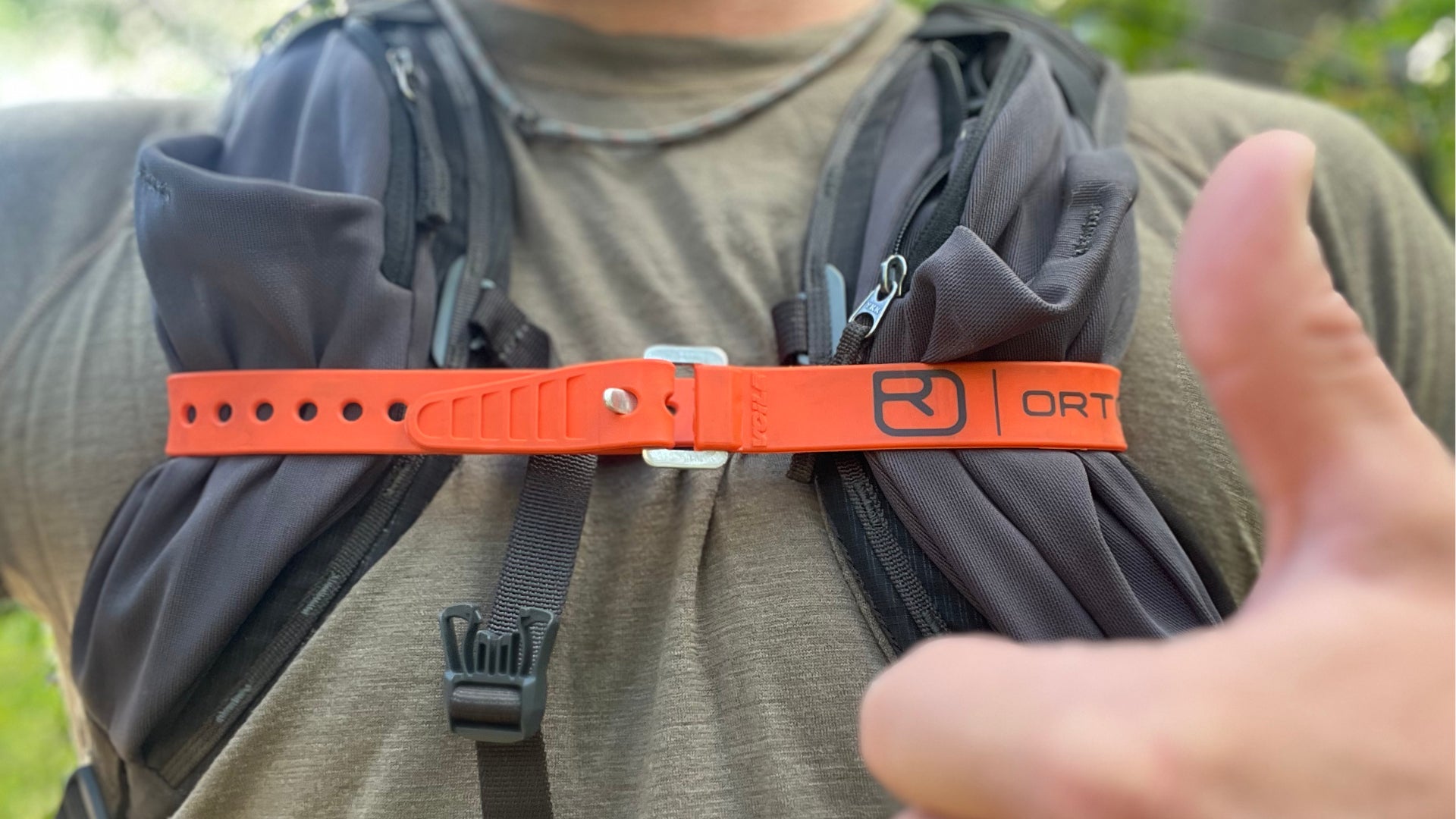
Post-hike muscle soreness is an inevitable companion for many backpackers. While professional massage is a luxury few can afford on the trail, resourceful hikers have discovered surprisingly effective DIY self-myofascial release (SMR) tools. Tennis balls, readily available and inexpensive, can be strategically placed under knotted muscles, particularly in the shoulders, allowing body weight to apply targeted pressure for relief.
Complementing the tennis ball is a section of PVC pipe, a humble plumbing component transformed into a versatile muscle roller. A 3- to 4-inch diameter pipe, roughly three inches long, can effectively break up myofascial tissue in the thighs, calves, along the spine, and in the hips. The sensation, often described as "hurts so good," is a testament to its effectiveness. A clever enhancement for the PVC roller involves wrapping it in duct tape. This not only provides a slightly more comfortable grip but also transforms the roller into a portable supply of this essential repair material. For ease of access on the trail, ski straps, another versatile item, can be used to lash the PVC roller to the exterior of a backpack, ensuring it’s readily available for post-hike recovery. The cost of these items is minimal: a few dollars for tennis balls and a small section of PVC pipe from a hardware store, often cut to size for free.
The Improvised Solar Shower: Harnessing the Sun’s Warmth
For those who crave the restorative power of a hot shower after days on the trail, a surprisingly effective, albeit temporary, solution can be fashioned from a black plastic trash bag. This hack, while potentially raising eyebrows among staunch environmentalists due to its single-use nature, showcases remarkable ingenuity. By filling a durable trash bag with several gallons of water and leaving it in direct sunlight for several hours, the water gradually heats up. Once sufficiently warm, the bag can be hung from a tree, and a few small holes poked into one corner create a gentle, warm cascade.
While this DIY shower is not a sustainable daily ritual, it offers a significant morale boost and a much-needed cleanse in remote locations. The bag can sometimes be reused by carefully tying off the punctured corner, extending its utility for an additional wash. For backpackers committed to regular backcountry hygiene, a reusable alternative like Sea to Summit’s Pocket Shower provides a more sustainable, albeit purchased, option. The trash bag method, however, remains a testament to the power of repurposing simple materials for enhanced comfort.
The Ubiquitous Ski Strap: The Ultimate Trail Fastener
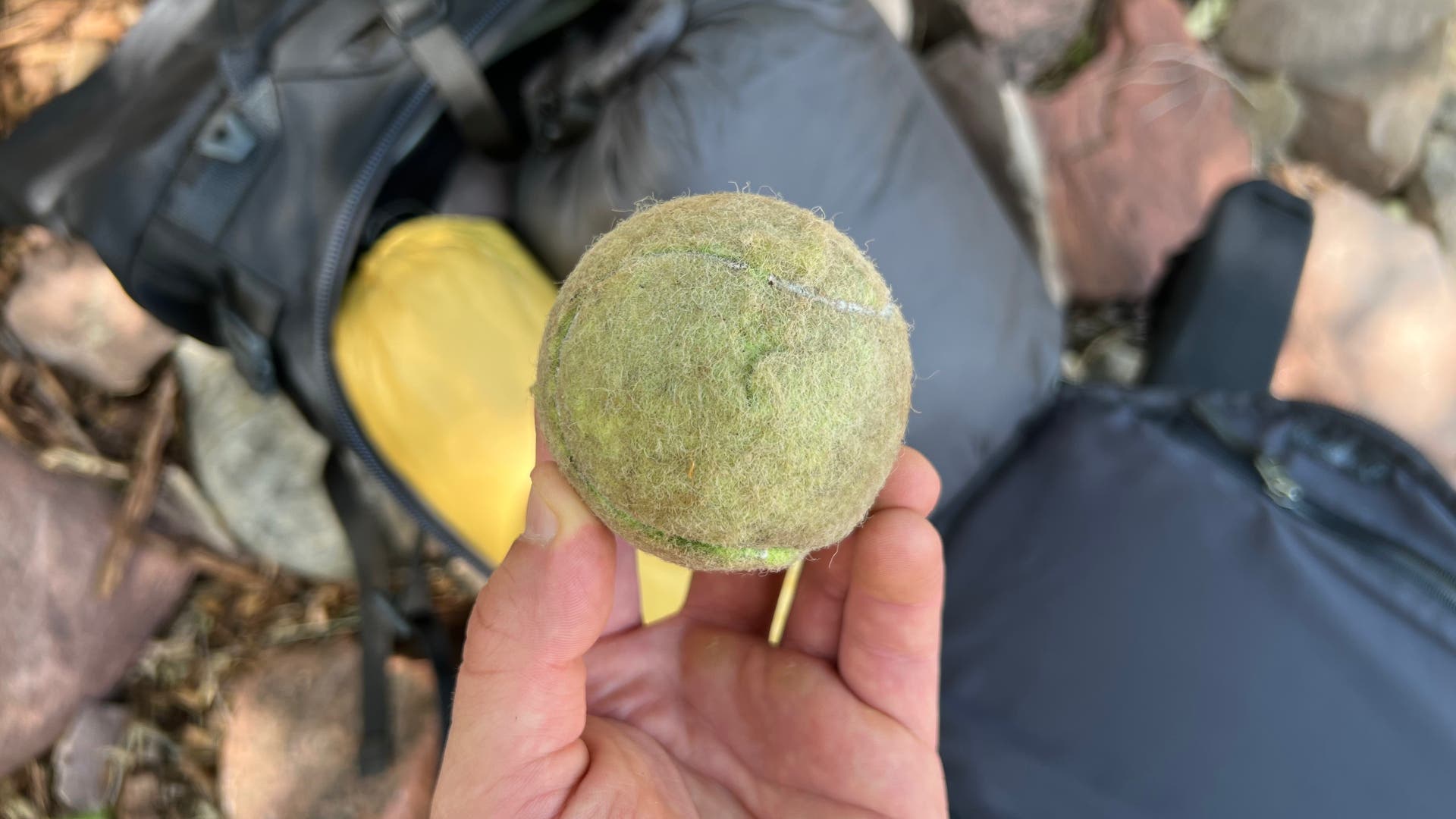
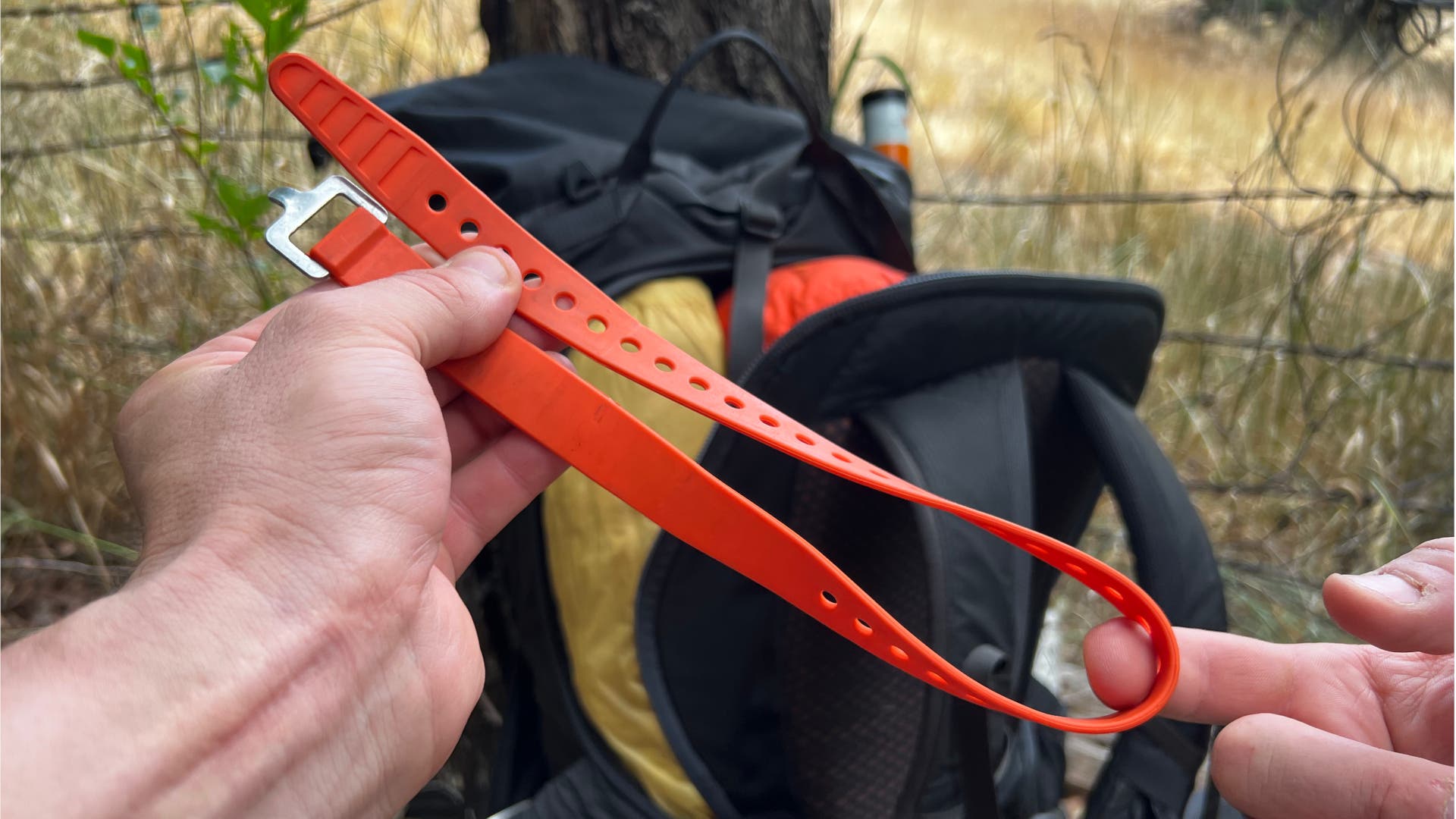
Originally designed to bind skis together for transport, ski straps have emerged as one of the most indispensable and versatile pieces of equipment in a backpacker’s arsenal. These rubbery, belt-like straps offer an astonishing array of uses on the trail. They can be employed to repair snapped hiking poles, replace a broken sternum strap on a backpack, securely attach gear to the outside of a pack, or even fasten packs to a car’s roof rack.
Their flexibility, durability, and ease of use make them invaluable. Backpackers often loop them around a shoulder strap for immediate accessibility, akin to carrying a roll of tape. They can also be stored conveniently on hiking poles. A standard 12-inch Voile strap, a popular brand, typically costs around $8, with variety packs offering multiple sizes available for $22 to $25. The sheer number of applications for these simple straps far outweighs their modest cost, making them a prime example of a low-cost, high-utility gear hack.
The Dual-Purpose Fishing Kit: Survival and Repair in One
Beyond its intended recreational purpose, a fishing hook and line can serve a critical dual role in a backpacking kit: as a survival tool and an emergency sewing kit. For those who fish, the inclusion is natural; for those who don’t, the dual functionality makes it a worthwhile addition. The basic setup involves a piece of cork, into which a few hooks are inserted, and braided fishing line is wrapped around it. This transforms the cork into a compact spool of "thread" and the hooks into makeshift "needles."
It is crucial to opt for braided fishing line over monofilament. Braided line holds knots more securely and lies flat, mimicking the performance of heavy-duty nylon thread, whereas monofilament can kink easily and is less reliable for knot-tying. Brands like Reaction Tackle offer suitable braided fishing line options. For those seeking ultimate preparedness, an actual sewing needle can be added to the cork alongside the fishing line. This simple kit can be a lifesaver for field repairs, from mending ripped hiking pants to patching a tear in a backpack, underscoring the importance of basic sewing skills in conjunction with such improvised tools.
The Humble Zip-Top Bag: An Efficient Dog Bowl Solution
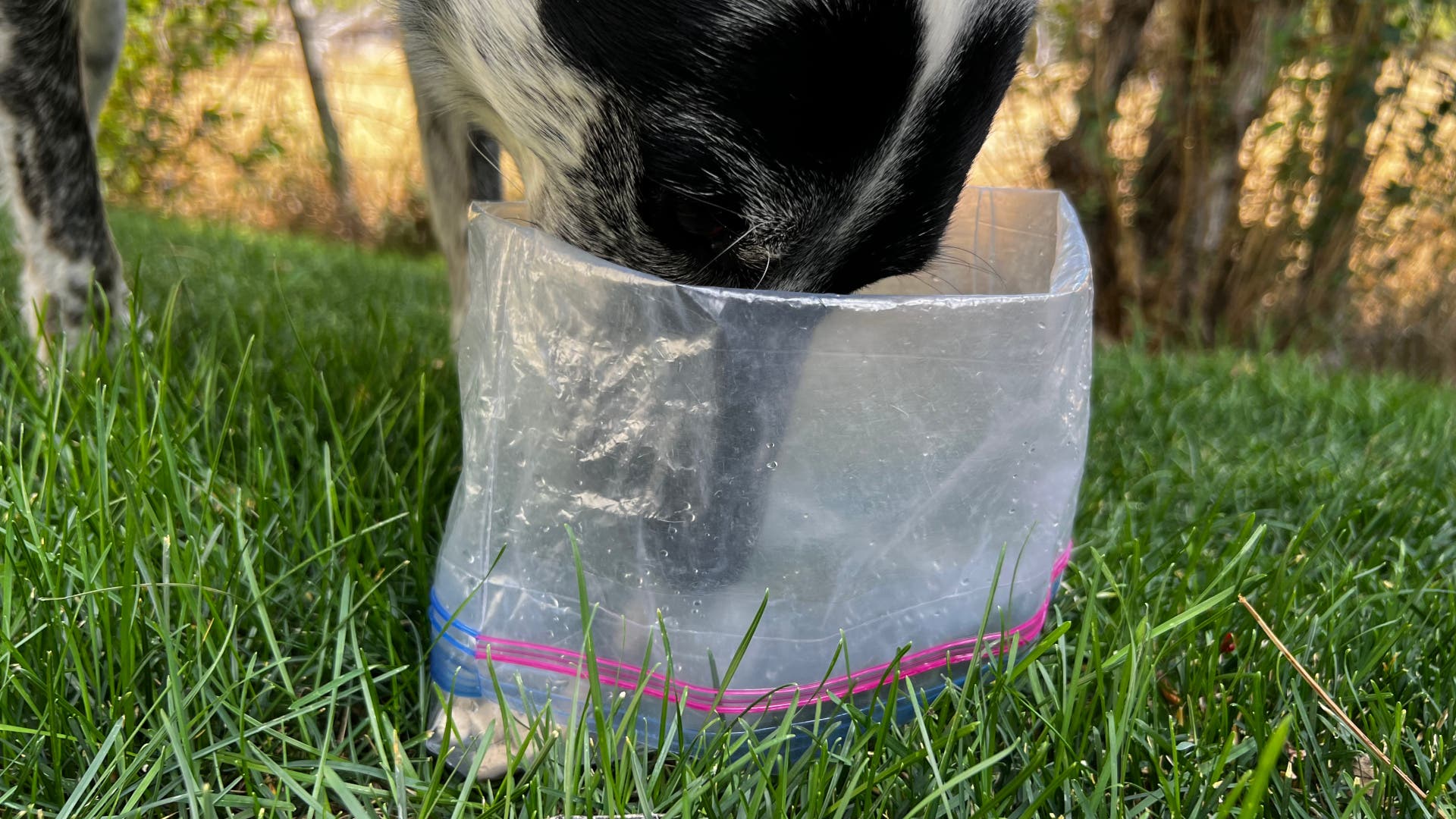
For backpackers who share their adventures with canine companions, the need for portable and packable dog bowls is paramount. While specialized compressible bowls exist, the simple, ubiquitous zip-top bag offers an unparalleled combination of cost-effectiveness and functionality. By opening the bag and rolling down the top halfway, it transforms into a surprisingly stable makeshift bowl. Once the dog has finished hydrating or eating, the bag can be easily emptied, rolled back up, and stowed away, taking up minimal space in a pack pocket or a pack’s brain.
These bags are inherently reusable; a quick rinse at home allows them to be saved for future trips. Their disposability also means that if one becomes too soiled or damaged, it can be easily replaced with another from a multi-pack without significant financial impact. This hack addresses a specific need with an item that is already a common backpacking staple for food storage and organization.
The Disposable Shower Cap: Improvised Boot Protection
A practical solution for keeping gear clean and contained can be found in the form of disposable plastic shower caps. These inexpensive items, often available in bulk online or sometimes offered for free at hotels, make excellent impromptu boot covers. The elastic edge of the cap stretches easily over the toe and heel of hiking boots, creating a barrier that effectively contains mud, dirt, and sand.
This hack is particularly useful for bringing dirty boots inside a tent to keep the interior clean, or for transitioning from hiking footwear to casual shoes upon returning to a vehicle. The plastic material prevents moisture and debris from transferring, preserving the cleanliness of sleeping areas and vehicle interiors. Their lightweight and compact nature means they add negligible bulk to a backpack.
The T-Shirt and Seam Grip Combination: Securing Your Camp Pillow
A common source of minor frustration for campers is the tendency for inflatable pillows to slip and slide on top of sleeping pads, leading to a less-than-restful night’s sleep. A simple yet effective solution involves the strategic use of a t-shirt. By fitting the shirt over both the pillow and the sleeping pad, the fabric creates friction that helps to keep the pillow in place throughout the night. This can be done with a clean t-shirt brought specifically for this purpose or by utilizing a worn hiking shirt, if one isn’t averse to the scent.
For a more permanent, albeit slightly less portable, solution, a few strategically placed dots of seam grip applied to the sleeping pad can provide a grippy surface that prevents pillow slippage. Seam grip, a durable adhesive commonly used for repairing outdoor gear, offers a reliable way to enhance the stability of a camp pillow. Employing both methods can offer maximum pillow security for a more comfortable backcountry sleep.
Broader Implications and the Future of Backcountry Innovation
The proliferation of these cost-effective and ingenious gear hacks signals a potential shift in how backpackers approach equipment acquisition and utilization. It suggests a move away from a purely consumer-driven model towards one that values creativity, resourcefulness, and adaptability. This trend has several implications for the outdoor industry and the broader environmental movement.
Firstly, it could encourage manufacturers to consider the lifecycle and repurposing potential of their products. Designing gear with modularity or offering repair services could align with this growing ethos. Secondly, it fosters a deeper understanding of materials and their properties, encouraging a more hands-on and engaged relationship with the gear that facilitates outdoor adventures.
From an environmental perspective, these hacks promote a culture of reuse and repair, directly combating the disposable nature of much modern consumerism. By extending the life of everyday items and finding new uses for them, backpackers contribute to reducing waste and minimizing their ecological footprint. This mindful approach to gear is not just about saving money; it’s about a more sustainable and responsible way to engage with the natural world.
The ongoing sharing of these innovative solutions, often through online forums, social media, and publications like Backpacker magazine, creates a valuable knowledge base for the entire backcountry community. As more backpackers embrace these "scrappy" approaches, the definition of essential gear continues to expand, proving that the most valuable tools in the wilderness are often the ones that spark the most ingenuity. The future of backcountry innovation may well lie not in the next piece of high-tech equipment, but in the clever repurposing of what we already have.