Stacey Higginbotham, a prominent voice in the technology journalism sector and a pioneer in the coverage of the Internet of Things (IoT), has officially announced her departure from the weekly production of her namesake newsletter and podcast. The announcement, made on August 18, 2023, marks the conclusion of a seven-year independent venture that became a cornerstone for industry professionals, engineers, and smart-home enthusiasts. Higginbotham, who transitioned from traditional media to independent digital publishing in 2016, cited a need for a professional hiatus from the rapid news cycle and a desire to address the systemic challenges of the IoT industry through more focused, strategic roles.
While the weekly cadence of "Stacey on IoT" has come to an end, Higginbotham confirmed she will remain an active participant in the technology discourse via platforms like Bluesky and through periodic updates to her mailing list. Her next professional chapter involves a consulting partnership with the Consumer Reports Innovation Lab, where she will concentrate on the critical intersection of cybersecurity, data privacy, and connected consumer products. This transition reflects a broader trend among veteran technology journalists who are moving from reporting on innovations to actively shaping the standards and policies that govern them.
The Evolution of Stacey on IoT: From Fortune to Independent Authority
The trajectory of Higginbotham’s career serves as a case study for the "creator economy" within professional journalism. Before founding her independent brand, she served as a senior editor at Fortune, where she covered the burgeoning field of connected devices. In 2016, she made the high-risk decision to leave the established publication to build a niche media entity dedicated exclusively to the Internet of Things. At the time, the IoT market was in a state of chaotic expansion, characterized by high-profile acquisitions and the promise of a fully automated world.
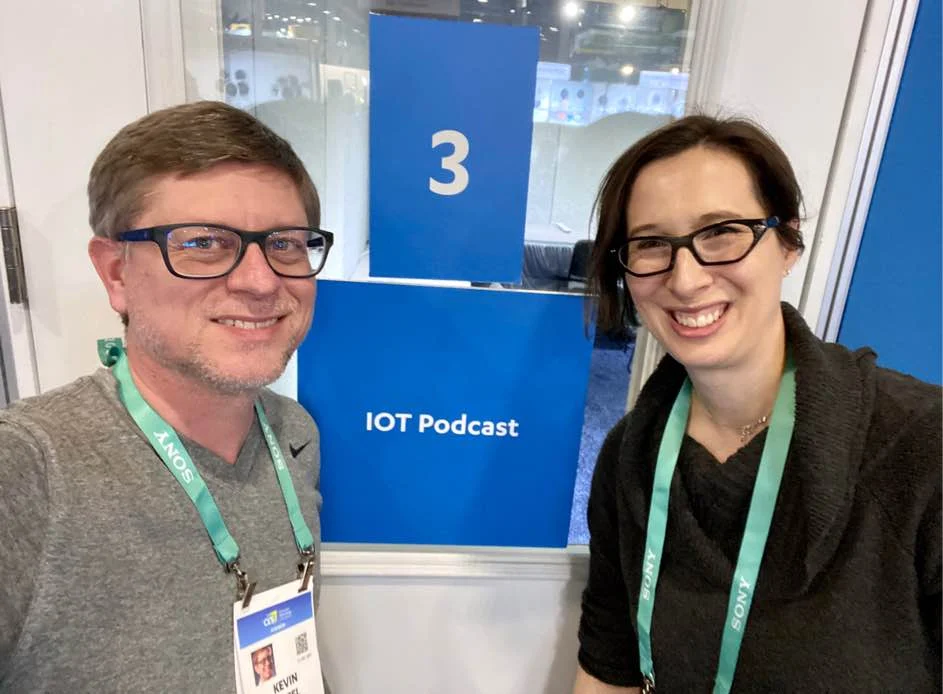
During her tenure as an independent publisher, Higginbotham produced hundreds of podcast episodes and newsletters, often co-hosting with Kevin Tofel. The duo became well-known for their coverage of major industry events, such as the Consumer Electronics Show (CES), where they analyzed the shift from experimental gadgets to essential infrastructure. The "Stacey on IoT" brand successfully navigated the complexities of the market, sustained by a loyal reader base and corporate sponsorships, proving that deep-dive technical journalism could thrive outside the confines of traditional media conglomerates.
A Decade of Connectivity: Contextualizing the IoT Market Shift
To understand the significance of Higginbotham’s departure, one must look at the radical transformation of the IoT landscape between 2012 and 2023. When Higginbotham began her focused coverage, the "Smart Home" was largely a hobbyist endeavor, dominated by early adopters and fragmented protocols. Since then, the industry has matured into a global behemoth. According to market research data from IDC and Statista, the number of connected IoT devices worldwide is projected to exceed 29 billion by 2030, a staggering increase from the roughly 15 billion active connections in 2023.
However, this growth has brought significant societal and technical friction. Higginbotham’s reporting frequently highlighted the "complexity tax" imposed on consumers. As devices became more prevalent, the industry struggled with interoperability—a challenge that led to the eventual creation of the Matter standard, a unified protocol backed by Apple, Google, Amazon, and Samsung. Despite these technical advancements, Higginbotham noted a growing trend toward "rent-seeking" business models, where hardware functionality is increasingly locked behind monthly subscription fees, and consumer data is treated as a primary commodity for corporate monetization.
Addressing the Risks: Surveillance, Data Privacy, and Corporate Ethics
A recurring theme in Higginbotham’s later work, and a primary driver for her shift to Consumer Reports, is the erosion of digital privacy. The expansion of IoT has transformed private residences into data-rich environments, raising concerns about both corporate and government surveillance. The 2016 Mirai botnet attack, which leveraged insecure IoT devices to cripple major sections of the internet, served as a watershed moment that Higginbotham covered extensively, signaling the inherent dangers of poorly secured hardware.
Beyond the home, Higginbotham observed the deployment of IoT in industrial and corporate settings as a tool for extreme optimization. While technologies for environmental, social, and governance (ESG) reporting have helped some corporations reduce carbon footprints, Higginbotham has expressed skepticism regarding "greenwashing"—the practice of using technology to mask environmentally harmful activities rather than fundamentally changing them. Furthermore, the use of connected sensors to monitor employee productivity has raised ethical questions regarding the limits of workplace surveillance and the psychological impact on the labor force.
Strategic Shift to Consumer Reports Innovation Lab
Higginbotham’s move to the Consumer Reports (CR) Innovation Lab signifies a shift from observation to intervention. The CR Innovation Lab is an initiative designed to evaluate the impact of emerging technologies on consumers and to advocate for higher standards in digital safety. In her role as a consultant, Higginbotham will focus on the development of frameworks for cybersecurity and privacy that can be applied to modern connected devices.
This move comes at a time when regulatory bodies, such as the Federal Communications Commission (FCC) in the United States, are introducing "Cyber Trust Marks" to help consumers identify secure products. Higginbotham’s expertise is expected to assist in the refinement of these standards, ensuring that "security by design" becomes a requirement rather than an afterthought for manufacturers. Her transition reflects a personal and professional desire to move past the "cynicism" often bred by the relentless hype cycles of the startup world and to focus on the tangible safety of the end-user.
Chronology of Stacey on IoT and Key Milestones
The history of Higginbotham’s influence on the sector can be traced through several key phases:
- 2012–2015: Higginbotham begins intensive coverage of the smart home sector while at Fortune, identifying the early risks of data grabs and device obsolescence.
- 2016: Launch of the independent "Stacey on IoT" newsletter and podcast. This period saw the rise of voice assistants like Amazon Alexa and Google Home, which Higginbotham analyzed as the new "operating systems" for the home.
- 2017–2019: Expansion of the brand into industrial IoT (IIoT) and edge computing. Higginbotham begins highlighting the gap between technological potential and the reality of fragmented ecosystems.
- 2020: The COVID-19 pandemic accelerates the demand for home connectivity and remote monitoring tools. Higginbotham and Tofel continue their coverage from remote booths, such as during the pivotal CES 2020.
- 2022: The official launch of the Matter standard. Higginbotham provides critical analysis of the standard’s potential to solve interoperability while warning of the remaining privacy loopholes.
- August 18, 2023: Publication of the final weekly newsletter, citing burnout and a desire to focus on cybersecurity advocacy through Consumer Reports.
Broader Implications for Technology Journalism
The conclusion of "Stacey on IoT" highlights the challenges facing independent technology journalism in an era of rapid-fire information and industry consolidation. Higginbotham’s admission of "burnout" and "cynicism" resonates with many in the field who find it increasingly difficult to separate genuine innovation from marketing hyperbole. The pressure to cover daily news often leaves little room for the "big picture" analysis required to understand the long-term societal impacts of technology.
Furthermore, her departure underscores the importance of domain-specific expertise. As IoT becomes integrated into every facet of life—from healthcare and transportation to urban planning—the need for journalists who understand the underlying protocols, security vulnerabilities, and business models becomes paramount. Higginbotham’s decision to apply her knowledge to the non-profit sector via Consumer Reports suggests that the future of tech accountability may lie in collaborative research and policy advocacy rather than traditional news reporting alone.
Conclusion and Future Outlook
While the "Stacey on IoT" podcast and newsletter will no longer arrive on a weekly basis, the legacy of the platform remains in the high standards it set for technical reporting. The transition of Stacey Higginbotham to a consulting role marks a pivotal moment where one of the industry’s most vocal critics moves into a position to directly influence product safety and consumer rights.
As the IoT industry continues to navigate the challenges of AI integration, energy efficiency, and data protection, the insights generated during Higginbotham’s seven-year independent run will likely continue to inform the debate. For the thousands of professionals who relied on her weekly briefings, her departure is a reminder of the human element behind the technology—the need for rest, the value of skepticism, and the ongoing pursuit of a safer, more transparently connected world. Higginbotham remains reachable for collaboration and insights, signaling that while the medium has changed, her commitment to the "internet of everything" remains steadfast.