The landscape of retail has undergone a seismic shift in recent years, with the allure of online shopping presenting a formidable challenge to traditional brick-and-mortar establishments. The convenience of browsing from the comfort of one’s sofa, coupled with the ability to access a wealth of reviews and compare prices across countless vendors, has undeniably reshaped consumer habits. For significant purchases like televisions, the digital realm offers an unparalleled level of accessibility and information. Consumers can meticulously research specifications, virtually assess dimensions, and conduct price comparisons with a few clicks. However, despite these digital advantages, the physical retail space continues to offer unique benefits, and for a considered purchase like a television, the in-store experience remains invaluable.
This article aims to guide consumers through the process of purchasing a television from a physical store, highlighting five common missteps that can diminish the satisfaction of acquiring a new home entertainment centerpiece. By understanding these potential pitfalls, shoppers can navigate the in-store environment more effectively, ensuring they make an informed decision that leads to long-term viewing pleasure.
The Evolving Retail Environment and the Case for In-Store Television Purchases
The decline of the high street is a well-documented phenomenon. According to the Centre for Retail Research, the UK alone has seen thousands of retail stores close annually in the past decade, a trend exacerbated by the rapid expansion of e-commerce giants. This shift has led to a palpable sense of decline in many town centers, impacting local economies and community vibrancy. Yet, for certain product categories, the physical store retains a distinct advantage. Televisions, with their significant investment and complex technological features, represent one such category.
While online retailers can provide extensive product details, the tactile and experiential aspects of a purchase are often diminished. The ability to physically interact with a product, to gauge its build quality, and to receive personalized advice from knowledgeable staff are elements that online platforms struggle to replicate. Furthermore, supporting local businesses through in-store purchases contributes to the economic health of communities, fostering employment and maintaining the character of high street areas. For a substantial purchase like a television, which often involves significant financial outlay and a long-term commitment, the in-store experience offers a crucial layer of assurance and informed decision-making.
Mistake 1: Assuming the In-Store Picture Will Mirror Your Home Viewing Experience
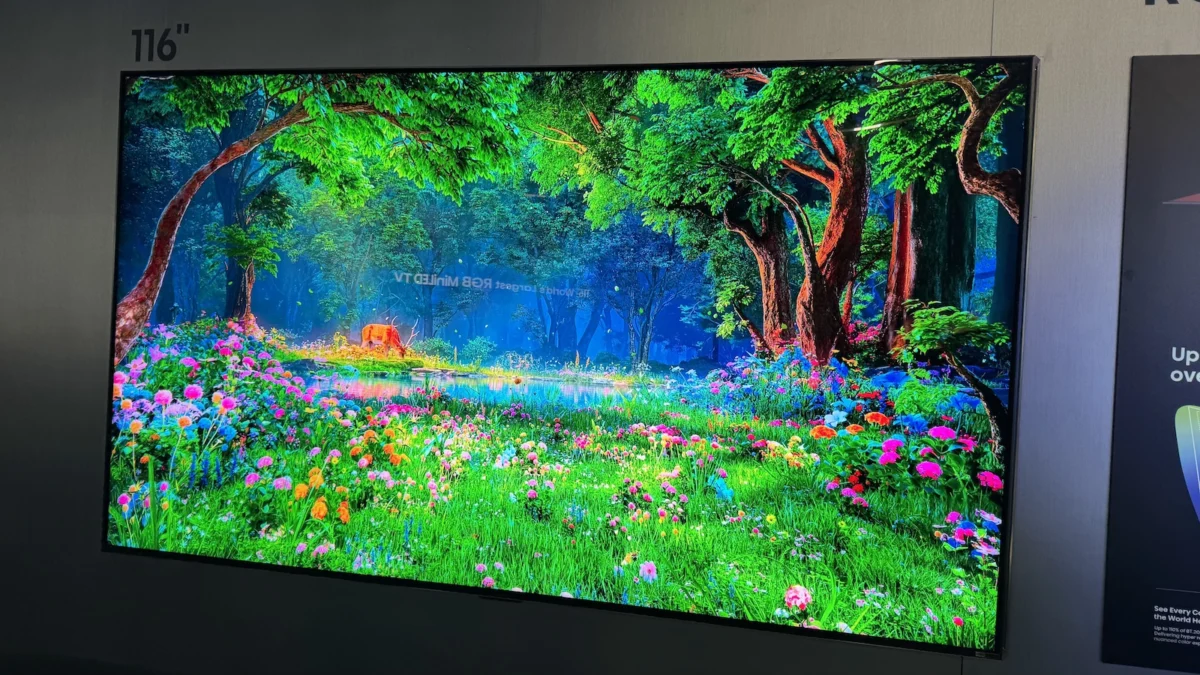
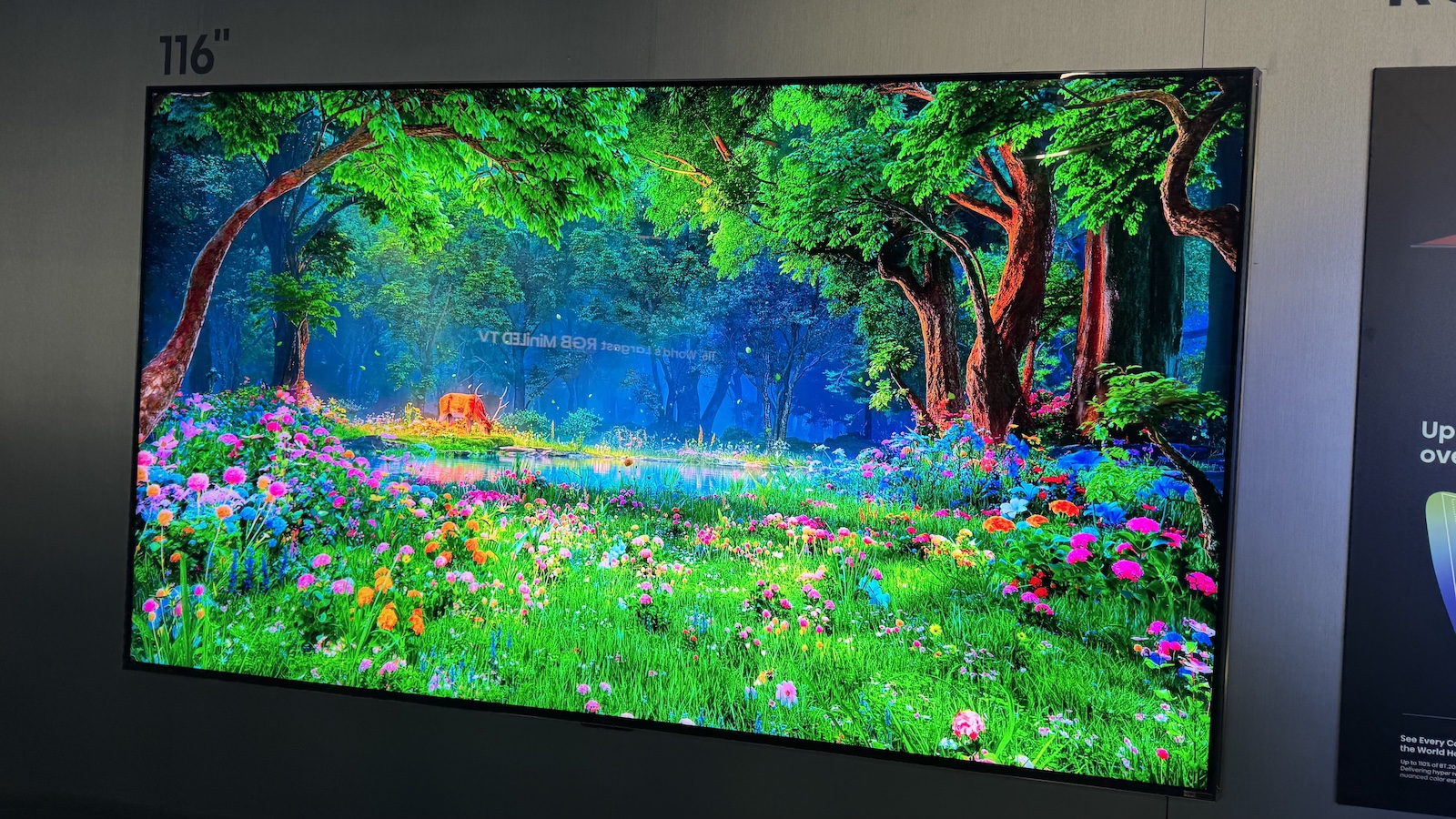
One of the most significant miscalculations consumers make when purchasing a television in a physical store is assuming that the dazzling picture quality they witness on the showroom floor will be replicated in their own homes. Retail environments are meticulously engineered to showcase products in the most flattering light possible. Televisions are typically placed in "demo modes," which aggressively boost contrast, color saturation, and brightness to capture attention. These settings are designed to create an immediately striking visual impact, often utilizing high-contrast nature footage or visually dynamic clips that mask potential weaknesses in motion handling or color accuracy under less optimized conditions.

This "demo mode" is far from representative of everyday viewing. The exaggerated settings can lead to oversaturated colors, blown-out highlights, and a generally unnatural image. Furthermore, the ambient lighting in a retail store is usually bright and consistent, unlike the varied lighting conditions found in a typical living room, which can range from bright daylight to dimly lit evening settings. The interplay of light and shadow in a home environment significantly influences how a picture is perceived.
Analysis of Implications: A consumer seduced by the vibrant demo mode might purchase a TV that, once installed at home, appears garish or inaccurate when displaying standard broadcast content, movies, or sports. This can lead to disappointment and a sense that the product does not live up to expectations, even if the television itself is technically capable. The underlying technology might be excellent, but the presentation in-store is misleading.
Recommendations: To gain a more realistic assessment, customers should politely request that the sales associate switch the TV to a more standard picture mode. "Filmmaker Mode" or "Cinema Mode" are often excellent starting points, as they are designed to adhere more closely to industry standards for color accuracy and contrast, aiming for a more natural and true-to-life image. If the store staff are unable or unwilling to change the picture mode, it is imperative to consult independent reviews from reputable sources, such as this publication, which rigorously test televisions in controlled environments that simulate home viewing conditions. These reviews often detail how a TV performs across various picture modes and lighting scenarios.
Mistake 2: Neglecting to Measure Up and Understand Dimensions
The allure of a large screen can be intoxicating in a showroom setting. The expansive picture can draw viewers in, making it easy to overlook the practicalities of fitting the television into one’s home. A common and costly mistake is failing to accurately measure the intended viewing space before heading to the store. This oversight can lead to the purchase of a TV that is either too large for its designated spot, leading to an awkward aesthetic and potential obstruction of viewing angles, or, less commonly, too small for the room, diminishing the immersive experience.
Background Context: The size of a television is often advertised by its diagonal screen measurement (e.g., 55-inch, 65-inch). However, the physical dimensions of the TV, including its bezel and stand, can vary significantly between models and manufacturers, even for TVs with the same screen size. Furthermore, the space where the TV will be placed – be it a dedicated media unit, a wall mount, or a mantelpiece – has its own precise dimensions that must be considered.
Analysis of Implications: A TV that is physically too large for its alcove or stand may need to be angled, compromising the viewing experience for those not directly in front of it. It can also create a sense of clutter and imbalance in the room. The hassle of returning a large, unwieldy item, or the long-term visual annoyance of a poorly fitting TV, can detract significantly from the enjoyment of a new purchase. The subtle but important difference between, for example, a 48-inch and a 50-inch TV can be crucial when dealing with the precise dimensions of furniture.

Recommendations: Before visiting any retailer, consumers should meticulously measure the width, height, and depth of the space where the television will be placed. It is also advisable to note the dimensions of any existing furniture or wall mounts. This information should be readily available, perhaps noted on a smartphone or a piece of paper, to be consulted while in the store. Additionally, understanding the difference between screen size and the overall physical footprint of the television is crucial. Retailers should be able to provide the exact external dimensions of the TV, and these should be cross-referenced with the measurements taken of the intended space.
Mistake 3: Underestimating the Importance of Sound and Assuming It Will Be Adequate
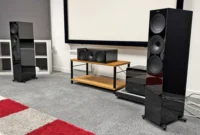
In the controlled environment of a retail store, televisions are almost universally muted. This is a practical necessity to prevent a cacophony of competing demo soundtracks from overwhelming the shopping experience. However, this silence presents a significant challenge for consumers assessing the audio quality of a potential purchase. The built-in speakers of most televisions, particularly slim-profile models, are often an afterthought, designed for basic functionality rather than an immersive audio experience.
Supporting Data: Consumer surveys and audio industry reports consistently highlight that built-in TV speakers are a primary source of dissatisfaction for many viewers. While advancements in picture technology have been rapid, audio capabilities within the TV chassis have lagged behind. This is partly due to physical constraints – speakers require space and volume to produce rich, dynamic sound. Manufacturers often prioritize sleek design, which can compromise audio performance.
Analysis of Implications: Relying solely on the visual appeal of a television without considering its audio capabilities can lead to a viewing experience that is unbalanced and ultimately unsatisfying. Dialogue can be muffled, sound effects may lack impact, and the overall sense of immersion is diminished. This is particularly true for action-packed movies, sporting events, or gaming, where dynamic and clear audio is crucial.
Recommendations: While it is impossible to fully evaluate sound quality in a muted store, consumers should inquire about the TV’s audio specifications and, if possible, have a salesperson briefly play a sound sample. However, the most reliable method is to consult professional reviews that specifically assess audio performance. Many reviews will detail the clarity of dialogue, the depth of bass, and the overall soundstage. Crucially, consumers should budget for an external audio solution. Even an entry-level soundbar can dramatically improve the audio experience compared to a TV’s integrated speakers. Investing in a quality soundbar or a home cinema system is often a necessary complement to a high-quality visual display, ensuring a truly immersive entertainment experience.
Mistake 4: Opting to Transport the Television Yourself
The desire to immediately enjoy a new purchase is understandable, and for smaller electronics, self-transportation is often a practical choice. However, when it comes to larger televisions, particularly those 55 inches and above, attempting to transport the unit yourself can be fraught with risk and inconvenience. The sheer size and weight of modern televisions, coupled with their delicate screen panels, make them susceptible to damage during transit.
Background Context: Televisions, especially those with large OLED or QLED panels, are not designed for rough handling. The screens are fragile and can be cracked or damaged by pressure, impacts, or vibrations encountered during transportation in a standard passenger vehicle. Even with careful loading, the lack of secure mounting points within a car’s boot or cabin can lead to the TV shifting during transit, potentially causing irreparable harm.
Analysis of Implications: Damage incurred during self-transportation is almost always the responsibility of the owner, as it falls outside the manufacturer’s warranty against defects. This can result in significant financial loss, as repairing or replacing a damaged large-screen television can be as expensive as, or even more expensive than, the initial purchase. Furthermore, the physical exertion and logistical challenges of maneuvering a large, heavy, and fragile item into and out of a vehicle can be considerable, potentially leading to personal injury.
Recommendations: The safest and most practical approach is to utilize the delivery services offered by the retailer. While this may involve a waiting period and potentially an additional fee, it transfers the responsibility for safe delivery to professionals. Retailers typically have specialized vehicles and trained personnel equipped to handle large electronics, minimizing the risk of damage. If a delivery service is not available or desirable, consumers should ensure they have a vehicle large enough and appropriate padding and securing materials to transport the television safely. However, for most consumers, the peace of mind and reduced risk offered by professional delivery services far outweigh the minor inconvenience of waiting.
Mistake 5: Making an Impulsive, On-the-Spot Purchase
Perhaps the most critical error consumers can make is succumbing to the pressure of an immediate purchase, often swayed by a salesperson’s persuasive pitch or the promise of a small, on-the-spot discount. While the excitement of acquiring a new television is palpable, making a decision without adequate research and comparison can lead to buying the wrong product for one’s needs and budget.
Timeline/Chronology of a Considered Purchase:
- Pre-purchase Research (Weeks/Days Before Visit): Identify needs and budget. Read independent reviews of various models and brands. Compare specifications, features, and price points across different retailers.
- In-Store Visit (Purposeful): Visit the store with a clear objective, armed with knowledge. Observe picture quality, ask specific questions about features and performance, and confirm dimensions.
- Post-Visit Evaluation (Hours/Days After): Reflect on the in-store experience. Revisit reviews and compare pricing one last time. Consider any additional costs (delivery, installation, accessories).
- Final Decision and Purchase: Make an informed choice based on comprehensive research and in-store observation.
Analysis of Implications: A rushed decision can lead to buyer’s remorse, where the consumer realizes after the purchase that a different model would have been more suitable, or that a better deal was available elsewhere. This can result in dissatisfaction with the product’s performance, features, or value for money. The long-term consequences of an ill-suited television can be significant, as it is an appliance intended for daily use over many years.
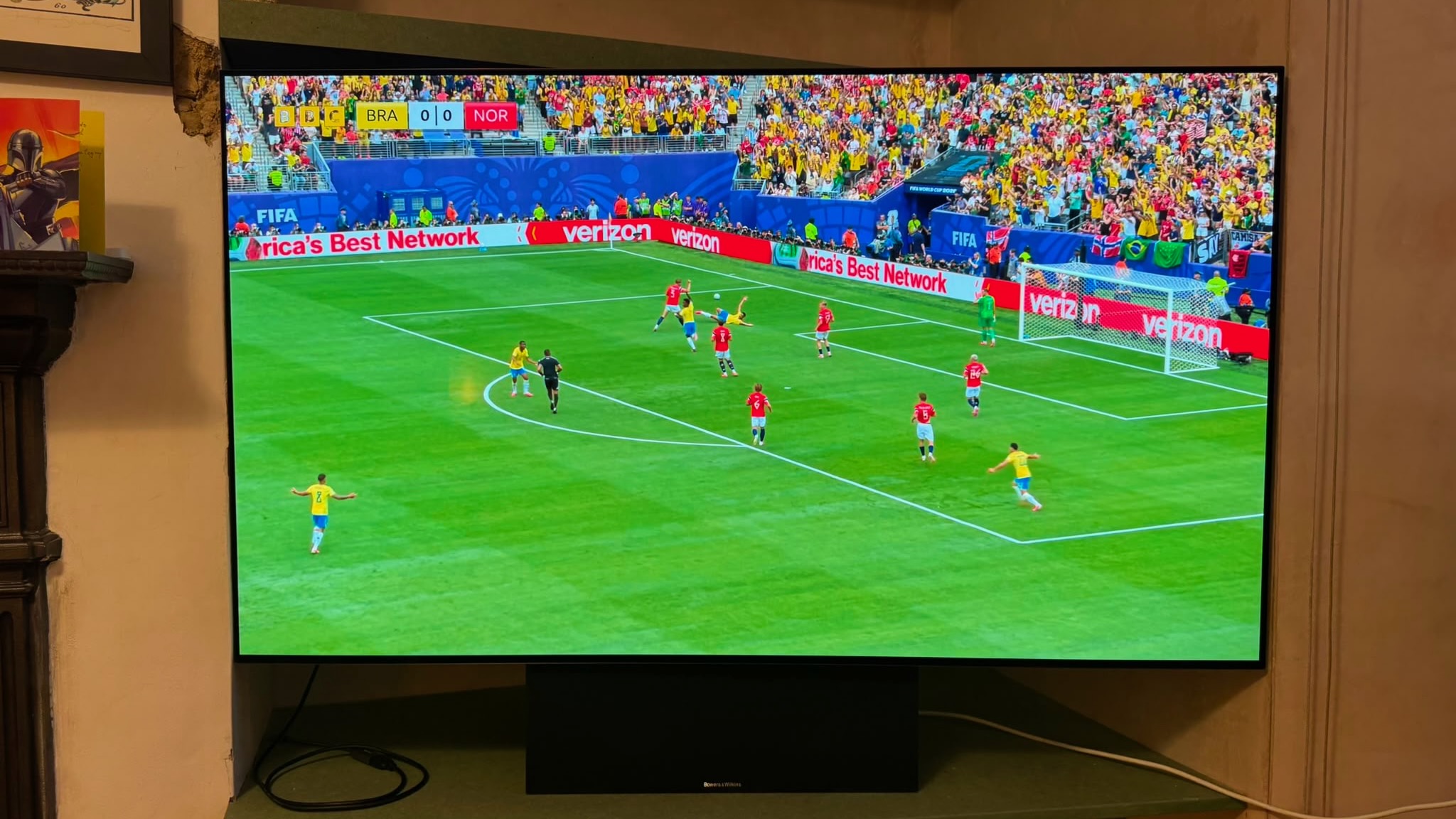
Recommendations: The key to avoiding this mistake is preparation. Before even stepping into a store, consumers should conduct thorough research online. This includes reading reviews from trusted sources like What Hi-Fi?, TechRadar, and CNET, which provide objective analyses of picture and sound quality, smart features, and overall performance. Consumers should also have a clear understanding of their budget and prioritize features that are most important to them (e.g., gaming performance, cinematic picture quality, smart TV capabilities). By arriving at the store with this knowledge, consumers are empowered to ask informed questions, critically assess the products on display, and resist high-pressure sales tactics. A good salesperson should be able to answer detailed questions and provide relevant information, rather than relying on generic sales pitches. Ultimately, the best purchase is one made with confidence, backed by diligent research.
Conclusion: Navigating the Future of Television Acquisition
While the digital marketplace offers undeniable convenience, the in-store television purchase remains a valid and often preferable option for many consumers. By understanding and actively avoiding these five common pitfalls – misleading in-store picture modes, neglecting measurements, underestimating audio, risky self-transportation, and impulsive buying – shoppers can transform their television buying experience from a potential minefield into a rewarding journey. A new television is a significant investment in home entertainment, and with careful planning and informed decision-making, consumers can ensure their chosen display enhances their viewing for years to come. Happy viewing!