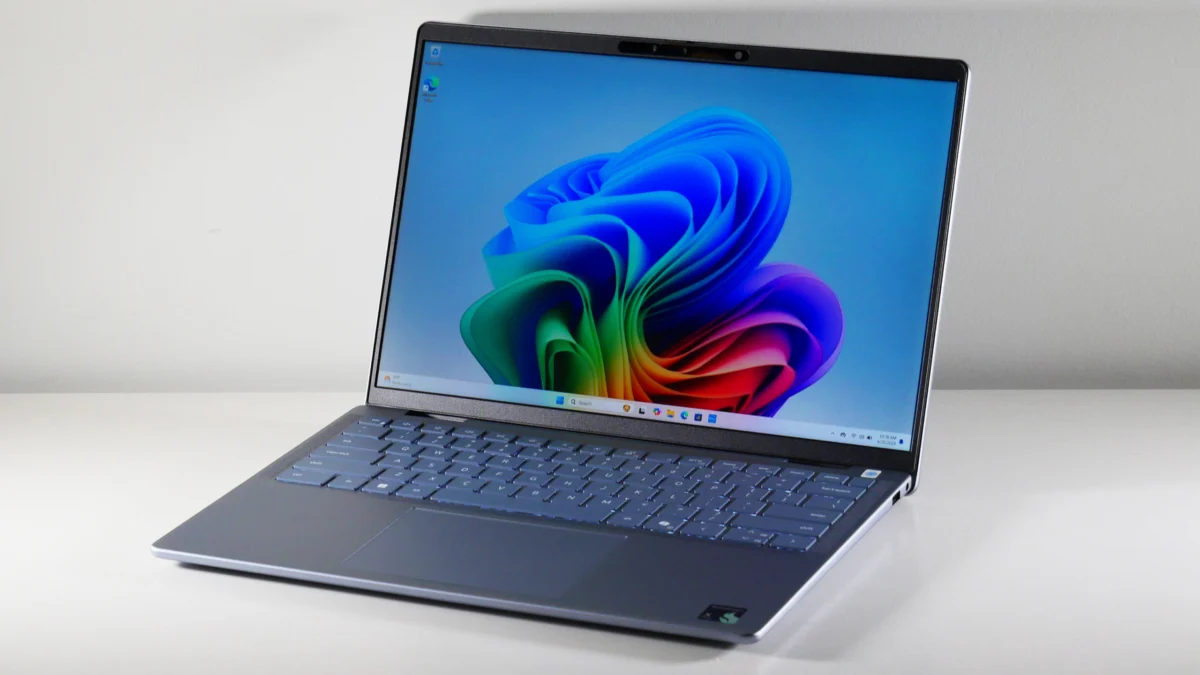
Dell Technologies, a long-standing titan in the personal computing industry, has announced a significant strategic overhaul of its laptop product naming conventions, effective January 2025. This comprehensive rebranding aims to simplify its extensive portfolio, moving away from familiar series names like XPS, Inspiron, Latitude, and Precision towards a tiered, Apple-esque nomenclature: Dell, Dell Plus, Dell Premium, Dell Pro, and Dell Pro Max. The move is set to reshape how consumers and businesses navigate Dell’s offerings, promising clearer differentiation and an intuitive purchasing experience.
A Legacy of Innovation Meets a New Era of Simplicity

Since its inception in 1984 and the release of its first laptop in 1989, Dell has built a formidable reputation for reliable and innovative computing solutions. Over decades, its product lines—Inspiron for mainstream consumers, XPS for premium users, Latitude for business professionals, and Precision for high-end workstations—became household names. These lines often featured prominently in industry reviews, consistently earning spots on "best of" lists for various categories, from performance to battery life and budget-friendliness. However, as Dell’s portfolio expanded and the technological landscape grew more complex, the company recognized a growing need to streamline its branding strategy.
The decision to standardize naming conventions reflects a broader industry trend towards user-friendly branding, often seen in the consumer electronics sector. By adopting a system that clearly indicates performance and feature tiers, Dell aims to reduce consumer confusion and make it easier for customers to identify the ideal laptop for their specific needs, whether for casual use, intensive professional tasks, or demanding creative workflows. This strategic pivot aligns Dell with successful models, notably Apple’s MacBook lineup, which utilizes clear designations like MacBook Air and MacBook Pro to signify different market segments.
Unpacking Dell’s 2025 Product Lineup Changes
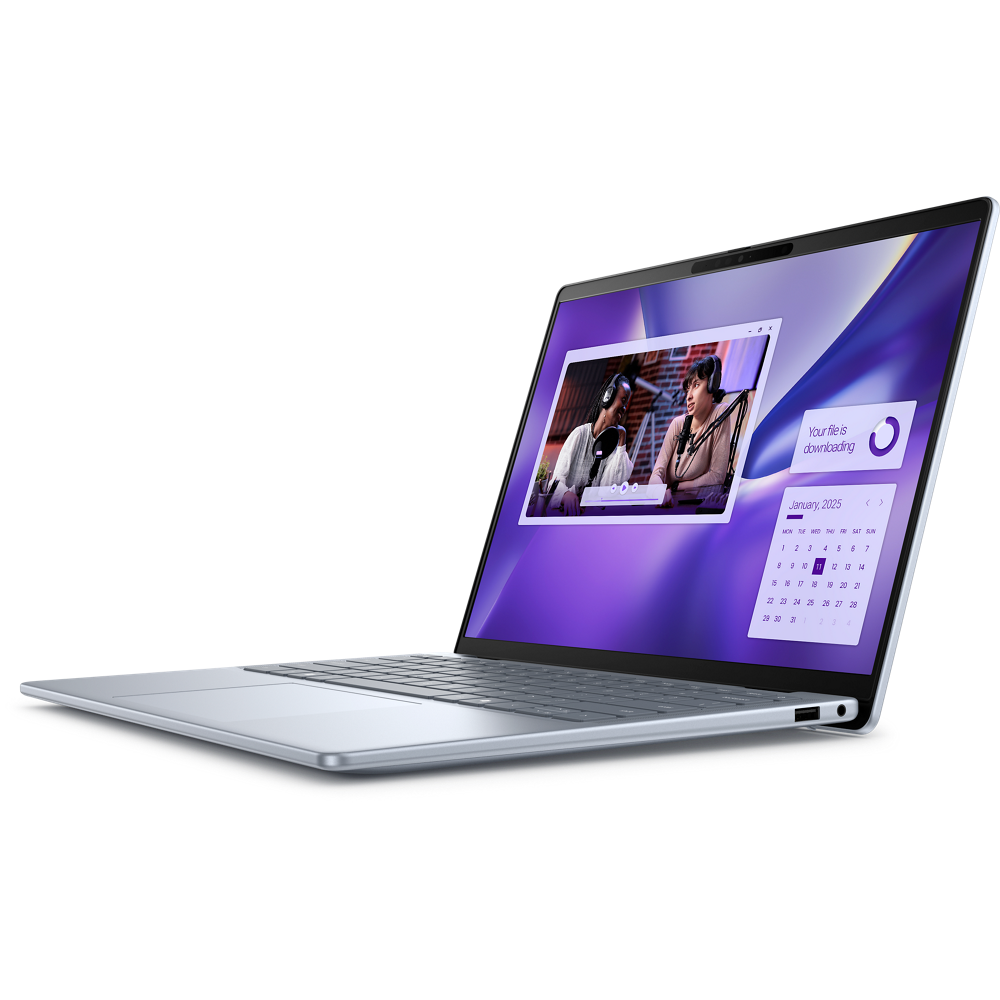
The core of Dell’s rebranding effort lies in translating its established product identities into a more hierarchical and transparent system. The transition is designed to be gradual, with initial models under the new names already being reviewed by tech publications, while previous generations carrying the old names remain available, often at competitive discounts.
-
From Inspiron to Dell & Dell Plus: The popular Inspiron and Inspiron Plus lines, traditionally catering to general consumers seeking affordable and versatile laptops, will now be known simply as Dell and Dell Plus. These tiers are expected to maintain their focus on everyday computing tasks, web browsing, productivity, and entertainment, with prices typically falling below the $1,000 mark. The "Plus" designation will likely denote enhanced features or performance within the mainstream segment.
-
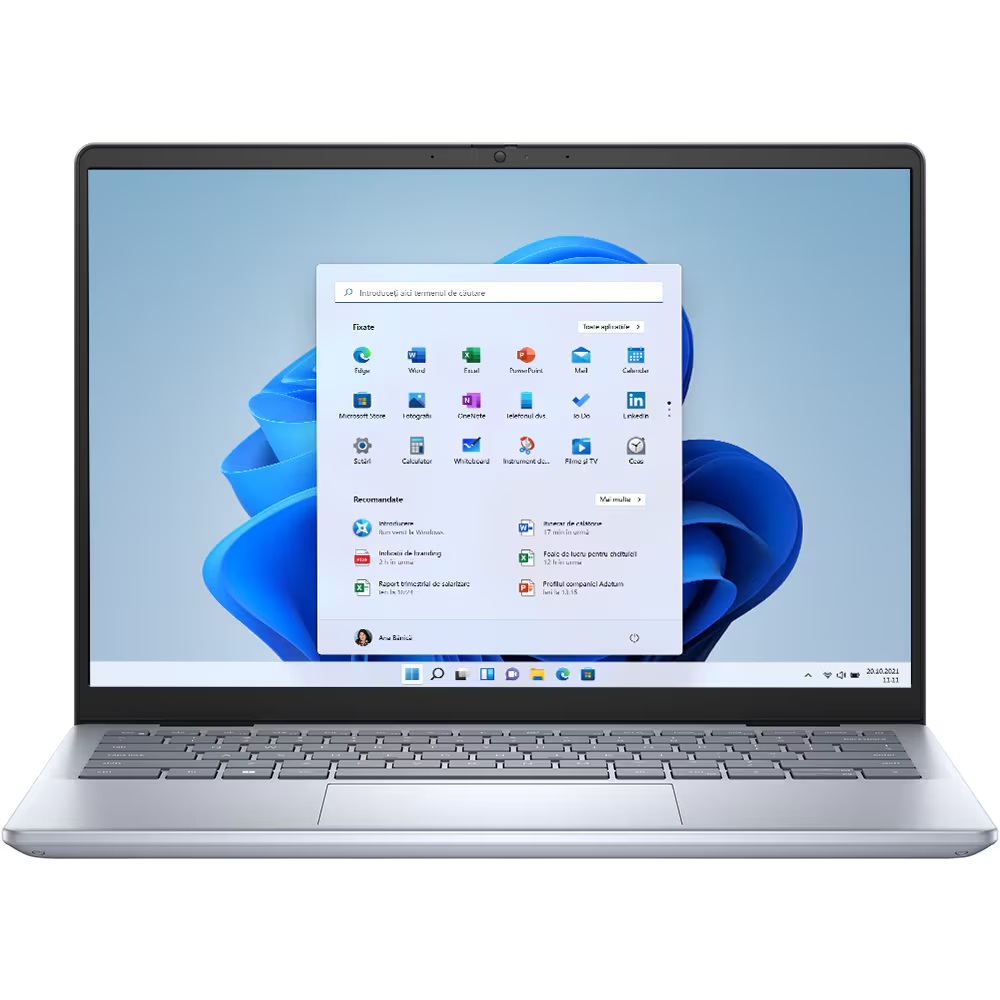
XPS Becomes Dell Premium: Dell’s critically acclaimed XPS series, long considered the pinnacle of its consumer laptop design and performance, will be rebranded as Dell Premium. These devices are positioned to directly compete with high-end offerings from other manufacturers, including Apple’s MacBooks. Starting just under $1,000 and extending well beyond $3,000 for top-tier configurations, Dell Premium laptops are tailored for users demanding superior aesthetics, robust performance for multitasking, and demanding applications like photo and video editing.
-
Latitude Evolves into Dell Pro: For the business segment, the long-standing Latitude series will transform into the Dell Pro lineup. This professional category will feature three distinct tiers: Dell Pro, Dell Pro Plus, and Dell Pro Premium. Ranging from approximately $500 to $2,500, these laptops are designed to meet the diverse requirements of businesses, offering scalable performance and security features. The tiered approach allows organizations to select devices that precisely match their operational needs and budgetary constraints, ensuring that quality and performance improve progressively across the line.
-
Precision Transforms into Dell Pro Max: At the apex of Dell’s professional offerings, the Precision workstations will now be known as Dell Pro Max. Similar to the Dell Pro series, this line will also be segmented into three tiers: Dell Pro Max, Dell Pro Max Plus, and Dell Pro Max Premium. With starting prices around $1,300 and high-end configurations reaching up to $4,000, Dell Pro Max systems are engineered for the most demanding users, including engineers, graphic designers, and data scientists, who require exceptional processing power for tasks such as 3D rendering, complex simulations, and 4K/8K video editing.
Illustrative Examples from Dell’s Current Lineup
Even as the new naming conventions take hold, Dell’s existing product lines continue to showcase the company’s commitment to performance, design, and user experience. Recent reviews highlight several models that exemplify Dell’s current strengths, providing a tangible reference point for what customers can expect from the newly branded tiers.
-
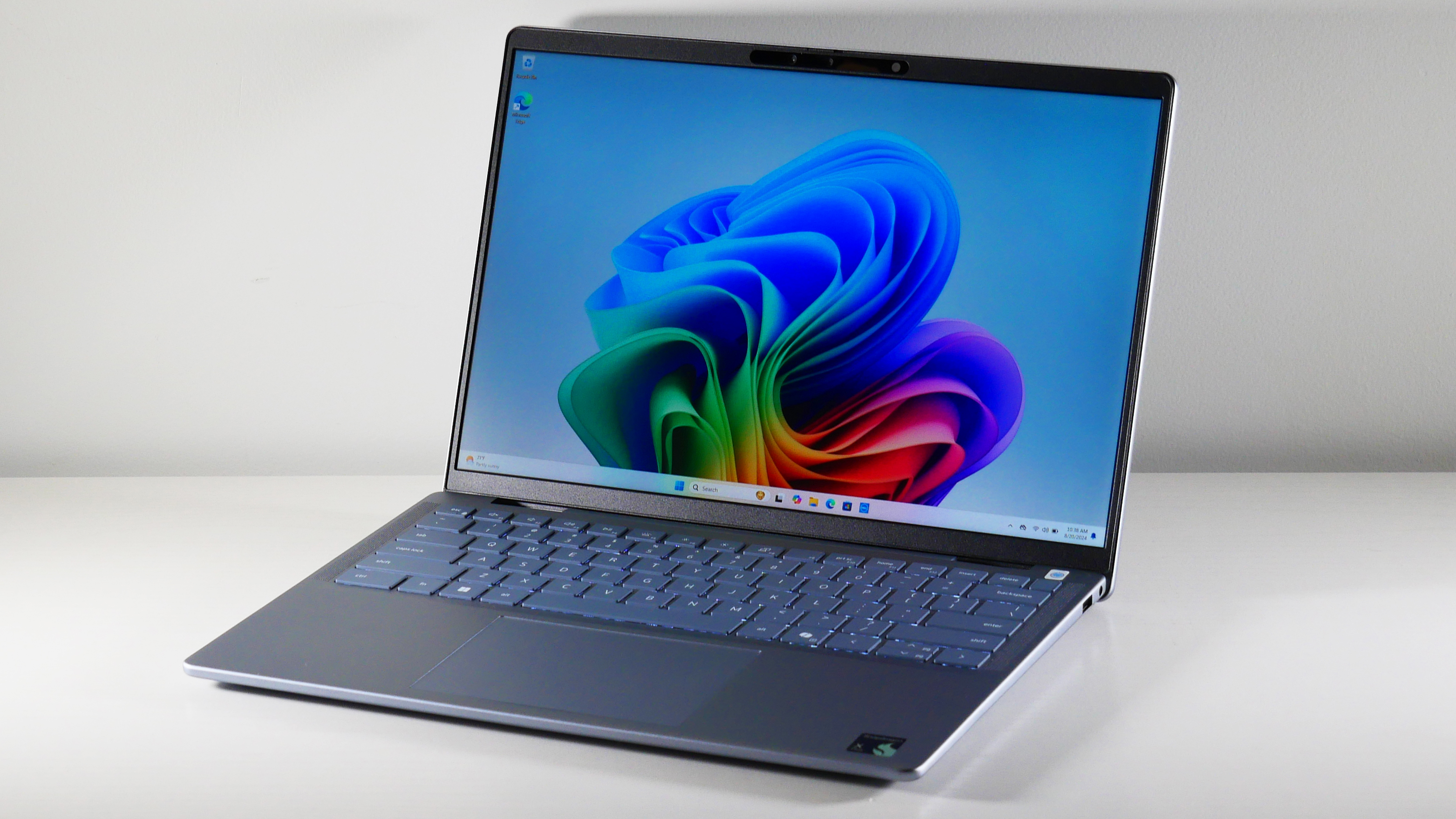
Dell Inspiron 14 Plus (Qualcomm Snapdragon X Plus): The All-Rounder (Future Dell Plus equivalent)
This model, representing what would likely fall into the new Dell Plus category, has garnered praise for its balanced blend of performance, portability, and exceptional battery life. Powered by the Snapdragon X Plus X1P-64-100 processor, it achieved a Geekbench 6 multicore score of 13,281, surpassing the average premium laptop by 22% and even outperforming the MacBook Air M3. Its SSD transfer speeds are also impressive at 1,510 MBps. Critically, its battery life stands at an astounding 18 hours and 20 minutes, far exceeding the segment average. While its DCI-P3 color gamut coverage is modest at 69.1%, its display brightness peaks at 470 nits, ensuring visibility in various lighting conditions. This laptop’s cool thermals, maintaining surfaces below 88 degrees Fahrenheit, add to its comfort for prolonged use. -
Dell Inspiron 14 Plus (Intel Meteor Lake): The Budget Champion (Future Dell Plus equivalent)
A testament to Dell’s value proposition, this Intel-powered Inspiron 14 Plus, also a strong candidate for the Dell Plus tier, offers robust performance and battery life at a more accessible price point. Its Intel Core Ultra 7 155H chip delivered a Geekbench 6 multicore score of 12,729, outperforming the average premium laptop and even the MacBook Pro M3. A key differentiator for this model is its superior integrated graphics performance, achieving 34 frames per second in Sid Meier’s Civilization VI: Gathering Storm at 1080p, significantly better than its Snapdragon counterpart. Battery life remains excellent at 15 hours and 6 minutes. However, it runs slightly hotter, reaching 108 degrees Fahrenheit on the underside, and its display offers a similar DCI-P3 gamut of 68.4% with a brightness of 367 nits.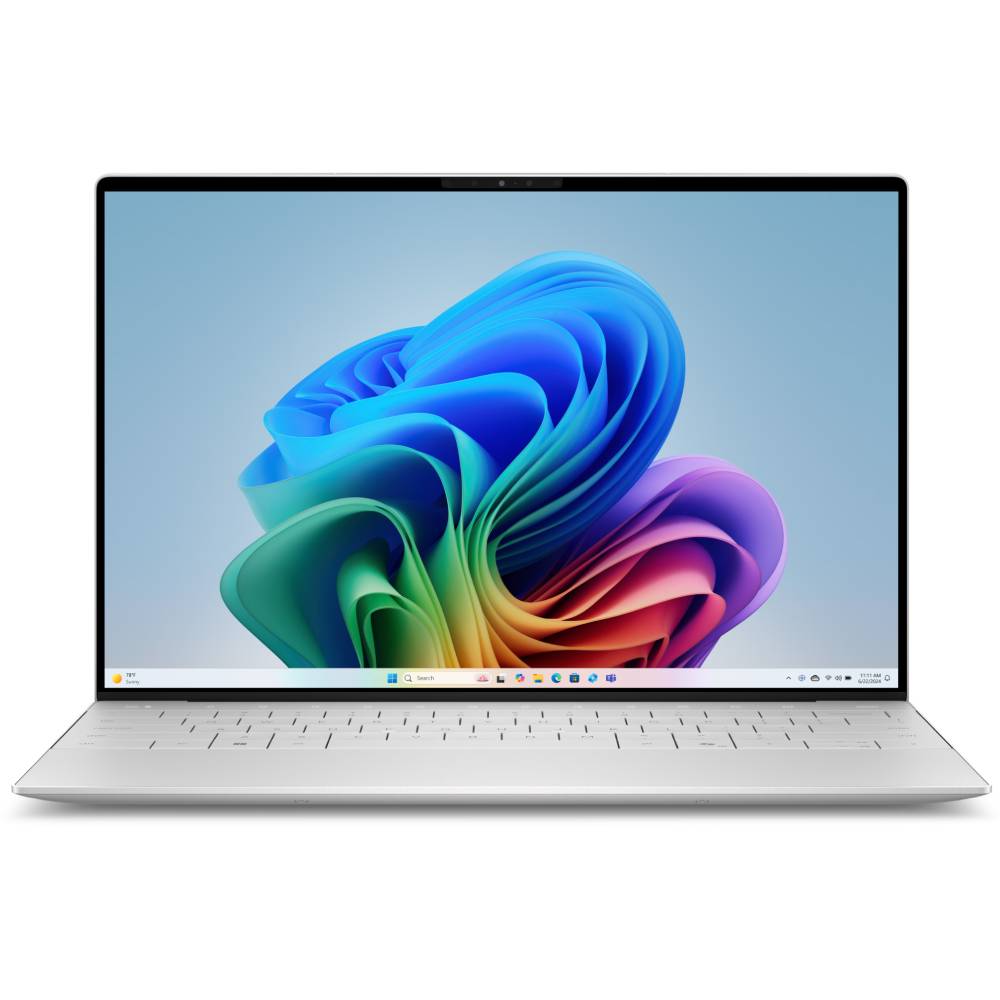
-
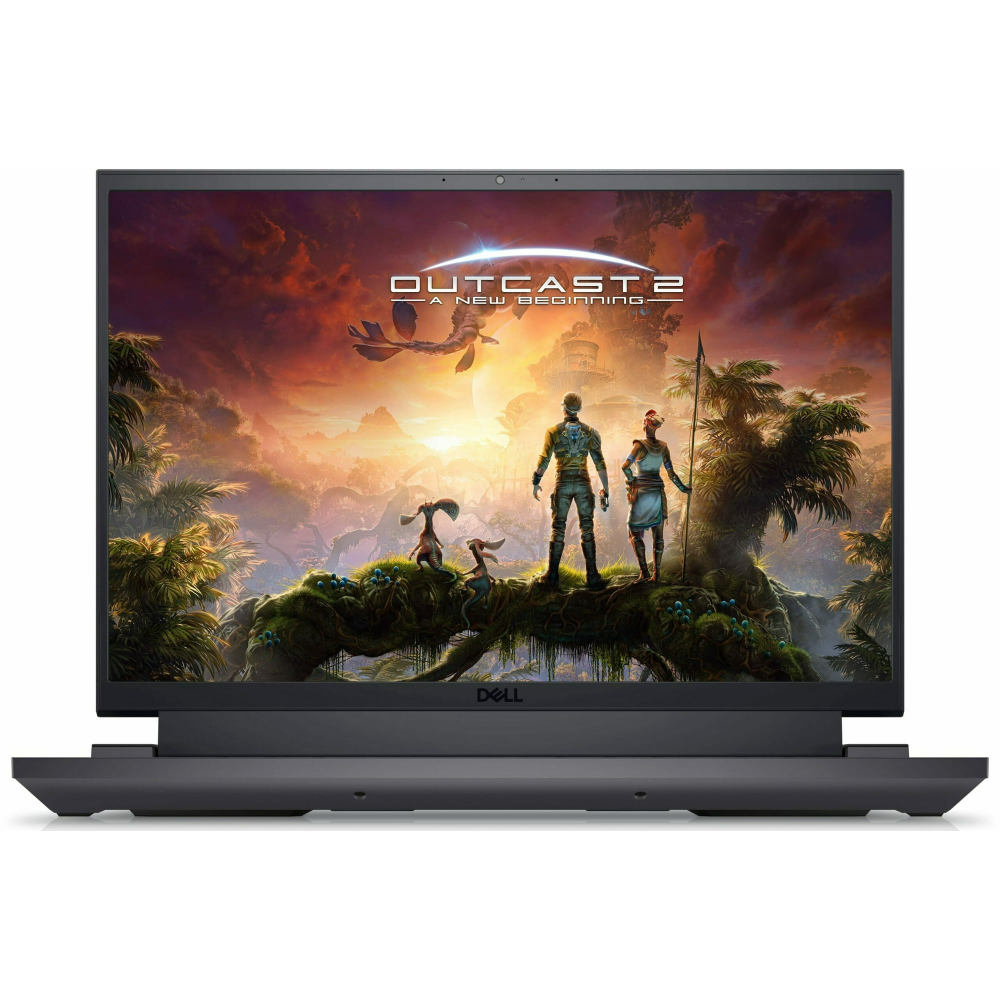
Dell G16 (7630): Unbeatable Gaming on a Budget (Future Dell Pro Max Gaming variant)
A standout in the increasingly scarce budget gaming laptop market, the Dell G16 (7630) delivers exceptional gaming performance for under $1,000. Equipped with an Intel Core i7-1365HX and an Nvidia GeForce RTX 4060, it handles demanding titles like Cyberpunk 2077 at 33 frames per second on Ultra settings at 1080p. Its 16-inch, 2560 x 1600, 240Hz IPS display is a highlight, covering a remarkable 114% of the DCI-P3 color gamut, far exceeding the budget gaming laptop average. The inclusion of a Cherry MX tactile mechanical keyboard further elevates the gaming and typing experience, a premium feature rarely found at this price. Battery life, at 5 hours and 4 minutes, is decent for a gaming machine, outperforming many rivals. -
Dell XPS 13 OLED (Intel Lunar Lake): Visual Brilliance (Future Dell Premium variant)
The Dell XPS 13, a perennial favorite, continues to impress, especially in its OLED configuration, which exemplifies the future Dell Premium line. Featuring an Intel Core Ultra 7 258V processor and Intel Arc integrated graphics, it delivers solid performance with a Geekbench 6 single-core score of 2,772 and respectable gaming capabilities (53 fps in Civilization VI). The star, however, is its 13.4-inch 3K (2880 x 1800) Tandem OLED display, which boasts an outstanding 144.60% DCI-P3 color gamut coverage, providing vibrant and accurate colors that surpass many competitors. Its sleek, lightweight design (2.6 pounds, 0.6 inches thick) enhances portability. The trade-off for the stunning OLED panel is reduced battery life, at 8 hours and 40 minutes. -
Dell XPS 13 (Qualcomm Snapdragon X Elite): Endurance Champion (Future Dell Premium variant)
For users prioritizing maximum uptime, the Snapdragon X Elite-powered Dell XPS 13 (9345), another example of the Dell Premium tier, offers truly remarkable battery longevity. After a BIOS update, this model achieved an astounding 20 hours and 51 minutes in web surfing tests, placing it among the longest-lasting laptops ever tested, even outperforming the MacBook Pro 16 M4 Pro. Its Snapdragon X Elite X1E-80-100 processor delivers strong multitasking performance with a Geekbench 6 score of 14,635, 29% faster than the premium laptop average. While its display’s color gamut (66.9% DCI-P3) is less vibrant than the OLED variant, its brightness of 456 nits is excellent. Its svelte design and powerful webcam round out a compelling package for mobile professionals.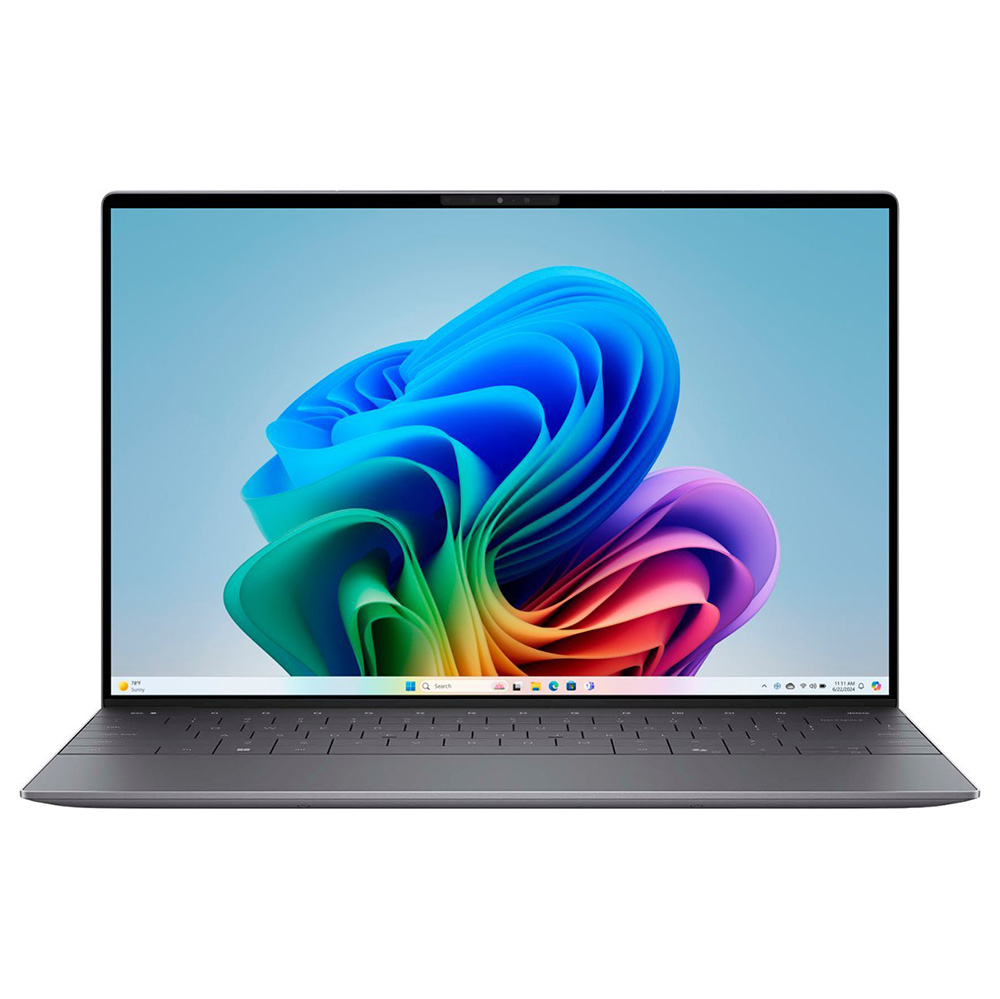
Market Impact and Consumer Outlook
Dell’s rebranding initiative is a bold step aimed at future-proofing its product lines in a competitive market. By simplifying its naming, Dell hopes to make its offerings more accessible and understandable to a broader audience, from first-time buyers to seasoned professionals. The transition period, however, might present some initial confusion as consumers adjust to the new names while existing models with older designations remain in circulation. This overlap also creates opportunities for savvy shoppers to find significant discounts on high-performing "legacy" models, which, as the reviews indicate, are still highly competitive.
Industry analysts generally view such simplification positively, suggesting it can enhance brand clarity and customer loyalty in the long run. The move signals Dell’s intent to remain at the forefront of the PC market, adapting its strategies to meet evolving consumer expectations for straightforward and transparent product identification.

Expert Insights on Choosing a Dell Laptop
Selecting the right Dell laptop in this evolving landscape requires careful consideration of individual needs and budget. Laptop Mag, a trusted source for technology reviews for three decades, rigorously tests over a hundred laptops annually to provide comprehensive insights. Each device undergoes extensive synthetic and real-world benchmarks to evaluate performance, battery life, display quality, audio, and thermal management.
Key testing procedures include using a Klein K10 colorimeter for display brightness and DCI-P3 color gamut, Geekbench 6 and 3DMark for performance, 4K video conversion and 25GB file duplication for real-world tasks, and Cid Meier’s Civilization V: Gathering Storm for graphics. Battery life is measured through continuous web surfing over Wi-Fi at 150 nits. This meticulous approach ensures that recommendations are grounded in objective data and extensive hands-on experience.
For most general users, the new Dell and Dell Plus lines (formerly Inspiron) will likely suffice. Students, depending on their field of study, might find these suitable, or opt for a Dell Premium (formerly XPS) for more demanding academic work. Creative professionals or power users should consider the Dell Premium or even the Dell Pro Max (formerly Precision) for intensive tasks like 3D modeling or video production. Gaming enthusiasts will find capable machines within the G-series, which will likely integrate into the broader Dell Pro Max or a specialized gaming sub-brand, complementing Dell’s dedicated Alienware line.
Frequently Asked Questions
-
Q: Are Dell laptops good for gaming?
A: While Dell’s Alienware brand is specifically dedicated to gaming, Dell also offers capable gaming laptops. The Dell G16 (7630), for instance, is highly rated for its impressive performance and features, making it one of the best budget gaming laptops available. Performance for gaming is a key focus in detailed reviews of individual models.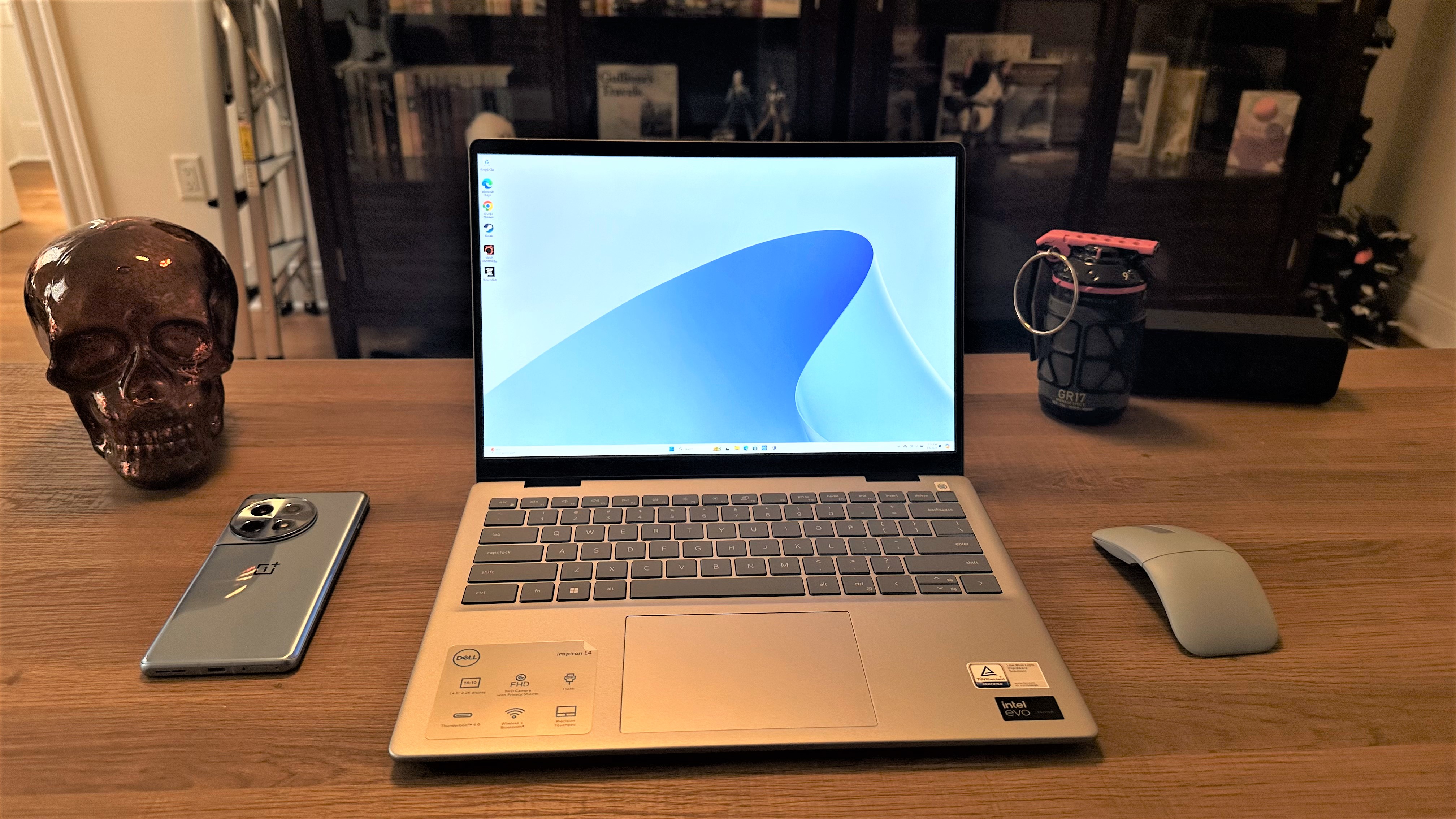
-
Q: Do Dell laptops come with Microsoft Office?
A: New Dell laptops typically do not include a full, free version of Microsoft Office. Users may receive a trial subscription to Microsoft 365, but ongoing access usually requires a separate purchase or subscription. -
Q: Are Dell laptops good for students?
A: Yes, many Dell laptops are excellent choices for students, depending on their specific needs and budget. For general studies, the new Dell or Dell Plus (formerly Inspiron) laptops offer great value. Students in fields requiring more processing power, such as engineering or media production, should consider the Dell Premium (formerly XPS) or even Dell Pro Max (formerly Precision) lines. -
Q: Where are Dell laptops manufactured?
A: Dell operates manufacturing facilities globally, including in the Americas (Austin, Texas, USA), Europe (Limerick, Ireland), and the Asia-Pacific region (Shanghai, Shenzhen, and Chengdu, China). These hubs are crucial for the production and distribution of their computing devices worldwide.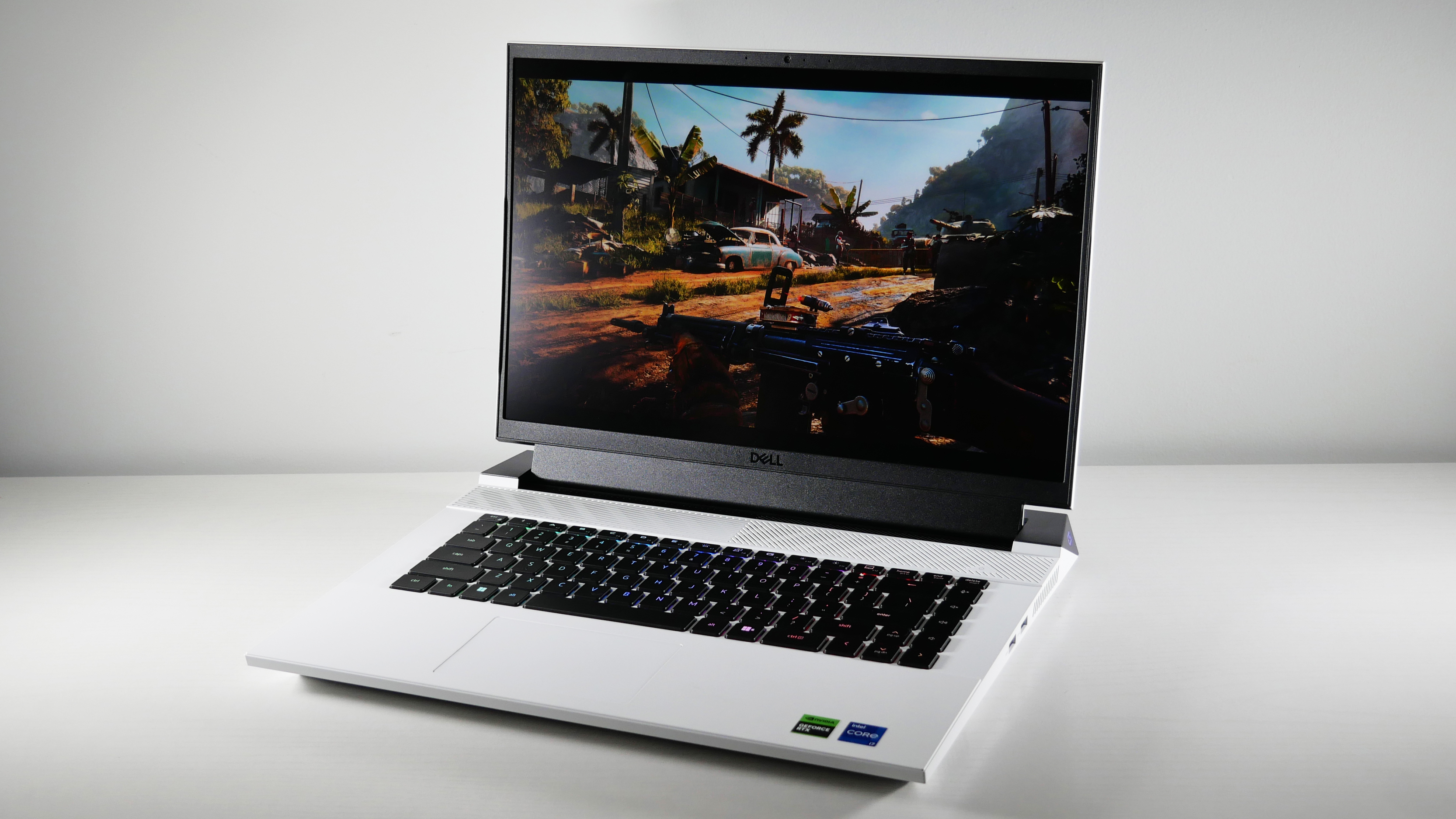
In conclusion, Dell’s 2025 rebranding marks a significant moment in the company’s evolution, reflecting a strategic effort to simplify its diverse product ecosystem. By adopting a clearer, tiered naming convention, Dell aims to enhance the customer journey, making it easier for individuals and businesses to identify and invest in the perfect computing solution for their needs. This move, while requiring an adjustment period, positions Dell for continued relevance and growth in an ever-competitive technology market.