







The annual Black Friday shopping event has evolved from a single-day retail phenomenon into a multi-week period of aggressive pricing strategies, with Best Buy Canada currently leading the charge by offering significant discounts across consumer electronics and home appliances through November 26, 2026. This year’s campaign arrives amidst a shifting economic landscape where consumers are increasingly prioritizing value-oriented, high-durability tech upgrades. Retail data indicates that shoppers are moving away from impulse purchases, opting instead for long-term investments in productivity tools, health-monitoring wearables, and premium home entertainment systems.

The current promotional landscape at Best Buy Canada reflects a strategic push to clear inventory ahead of the holiday season, with discounts ranging from 28% to over 50% on essential hardware. By examining the specific categories receiving the deepest cuts, analysts can observe broader trends in how households are re-equipping their digital lives.
Chronology of the 2026 Sales Cycle
Retailers began teasing holiday promotions as early as late October, but the formal shift toward peak Black Friday pricing occurred in mid-November. Best Buy Canada’s current phase represents the "core" of the promotion, where inventory depth is at its highest before the supply chain constraints typical of the late-December rush begin to materialize. This window, ending November 26, serves as the final opportunity for consumers to secure key models before retail priorities shift toward last-minute holiday stocking.

Historically, the electronics sector experiences a massive surge in traffic during this ten-day window. Retail intelligence reports suggest that by providing clear, tiered pricing—such as the $400 reduction on the De’Longhi Magnifica Evo or the nearly 60% discount on Beats Studio Pro—retailers are attempting to shorten the consumer decision-making cycle, which has grown longer due to heightened price sensitivity.
Deep Dive: Targeted Technology and Home Upgrades
The current promotions emphasize a mix of lifestyle enhancement and technical utility.

Smart Fitness and Wearable Technology
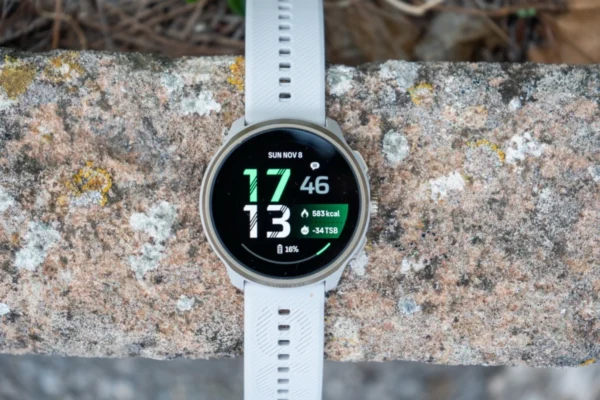
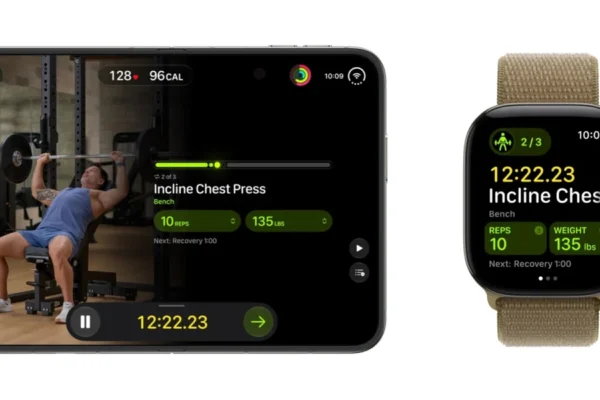
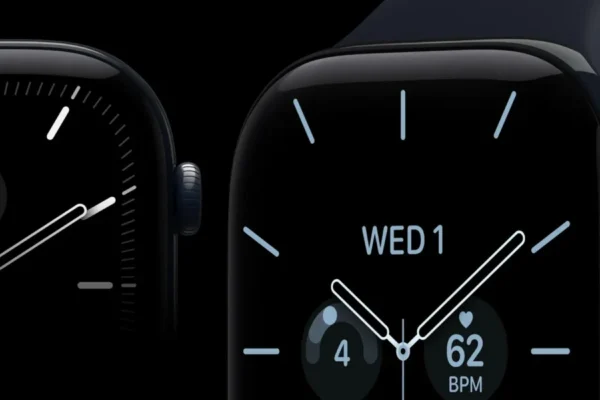
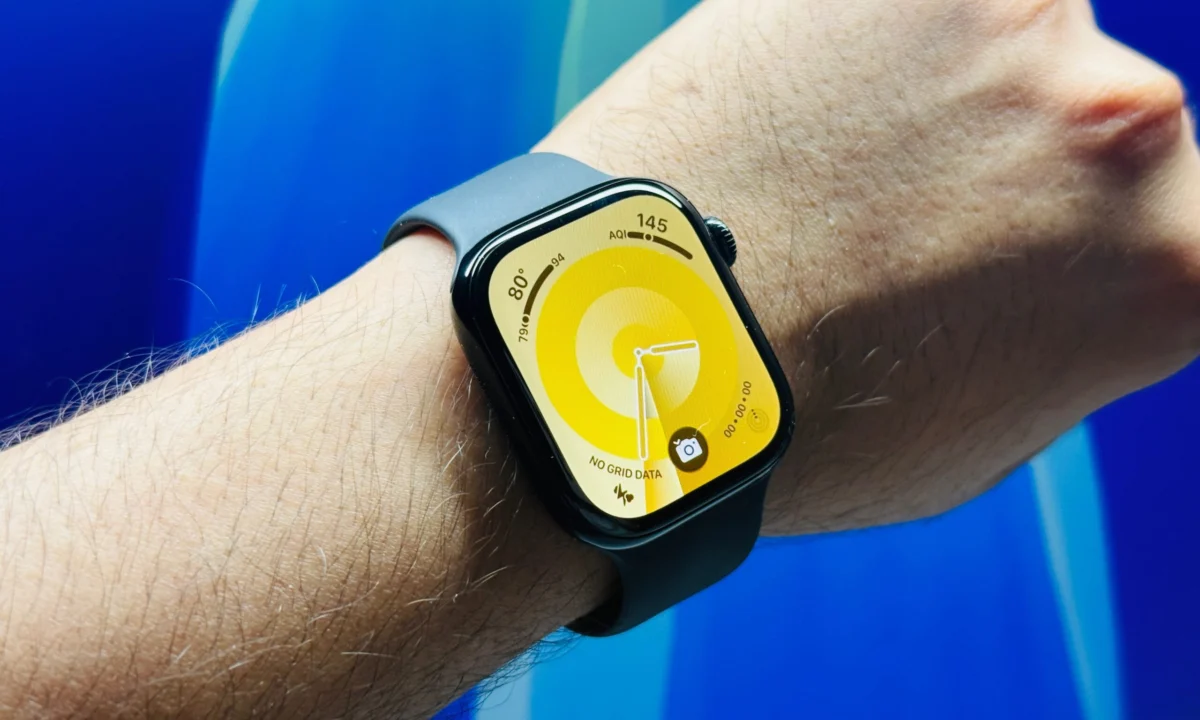
The Garmin vívoactive 5, now priced at $239.99, represents a 31% reduction from its standard retail price. The device serves as a benchmark for the current trend in the wearable market: the integration of holistic wellness metrics. With an 11-day battery life and an AMOLED display, the device addresses a primary consumer grievance regarding current smartwatch standards: the requirement for daily charging.
Audio and Personal Listening
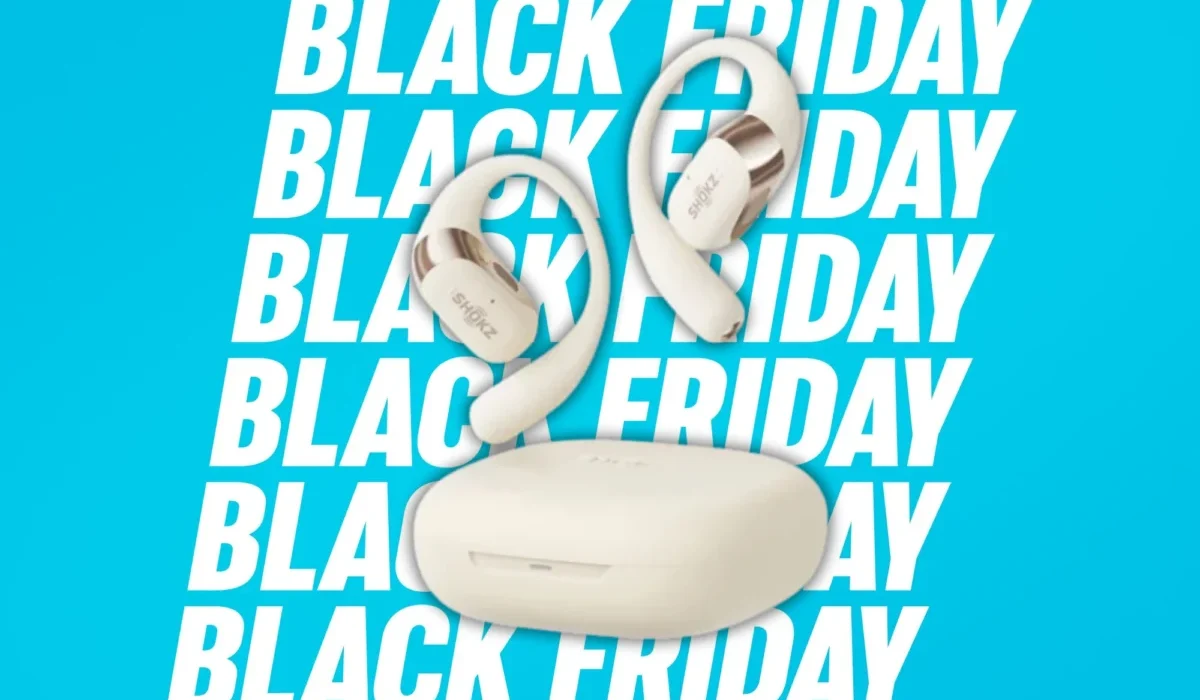
In the audio segment, the Shokz OpenFit 2 earbuds ($174.99) and the Beats Studio Pro headphones ($199.99) illustrate the bifurcation of the market. Shokz targets the active demographic, prioritizing environmental awareness through bone-conduction-adjacent open-ear technology. Conversely, the Beats Studio Pro discount—a substantial 57% markdown—positions high-fidelity, active noise-cancelling (ANC) hardware as an accessible luxury for the average commuter. The inclusion of personalized spatial audio and multi-platform compatibility (Apple and Android) signals a move toward hardware that ignores ecosystem walls, a shift long requested by consumer advocacy groups.

Home Appliances and Coffee Culture
The inclusion of the De’Longhi Magnifica Evo at a 40% discount ($599.99) highlights the "at-home barista" trend that has remained resilient since 2020. Industry analysis suggests that high-end, fully automatic espresso machines are increasingly viewed as cost-saving measures when compared to the rising price of daily commercial coffee shop visits. By automating the grinding and extraction process, these machines lower the barrier to entry for specialty coffee, making them a centerpiece of modern kitchen upgrades.
Visual and Computing Hardware Standards
The Samsung 65-inch OLED Smart TV, available at $1,399.99, serves as an anchor for the home entertainment category. The 39% price reduction on a premium panel highlights the rapid maturation of OLED technology. As production yields have increased, prices have fallen, allowing consumers to access professional-grade contrast ratios and 120Hz refresh rates—once reserved for the highest-end cinema displays—at a mid-market price point.

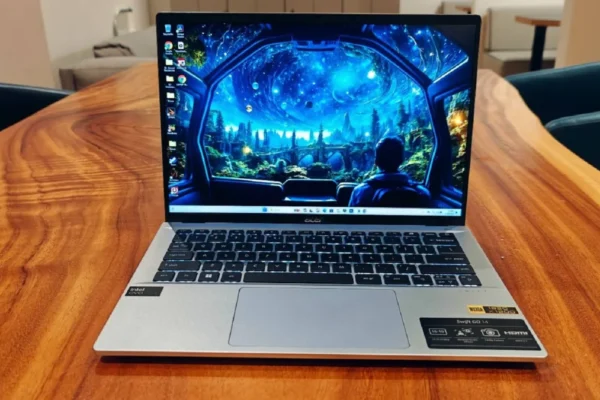
In the mobile computing sector, the Lenovo IdeaPad Slim 3i, priced at $599.99, serves as a utilitarian workhorse. The 45% discount on this model is particularly notable for students and remote workers who require modern processing power (Intel Core 5 320) and DDR5 RAM without the premium cost associated with specialized ultrabooks. This aligns with a broader shift toward "value computing," where the priority is placed on RAM and solid-state storage efficiency rather than aesthetic form factors.
Smartphone Market Dynamics
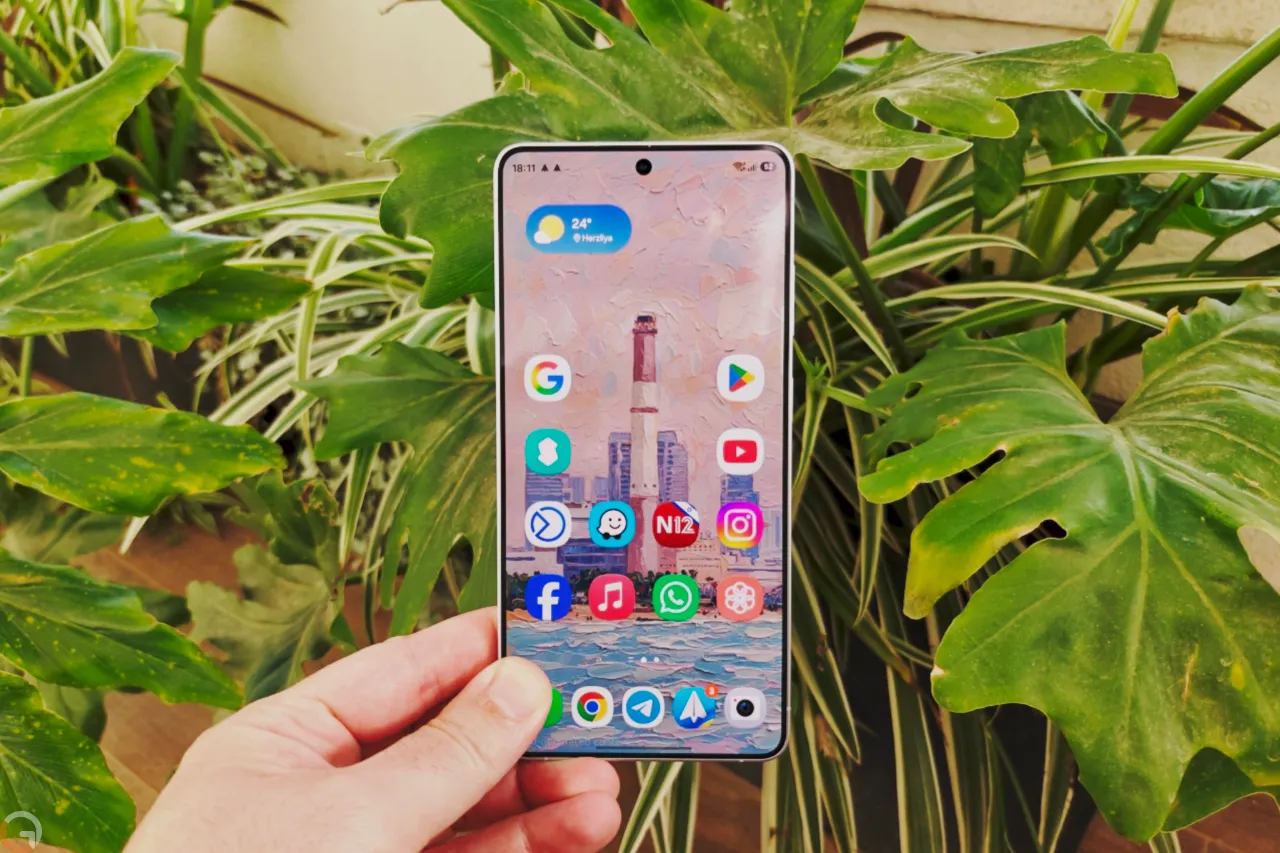
The Google Pixel 11, reduced by 28% to $899.99, remains a focal point for the Android ecosystem. The integration of advanced AI features, such as Gemini Intelligence, into the hardware stack marks a new era for mobile devices. Unlike previous years, where hardware specifications were the primary marketing driver, the focus has shifted to software-led utility, including enhanced low-light photography, advanced security protocols (Titan M3), and satellite-based emergency features.

Broader Economic Implications and Consumer Strategy
The current retail strategy at Best Buy Canada is indicative of a "pull" economy. Rather than driving demand through artificial scarcity, the focus is on providing tangible value to consumers who have been deferring purchases.
From an economic perspective, these markdowns provide a clear signal regarding the state of consumer confidence. By offering significant discounts on high-ticket items, retailers are acknowledging that discretionary spending is currently under pressure. For the consumer, this environment presents a unique alignment of interest: retailers are incentivized to move inventory to clear warehouse space for the new fiscal year, while buyers can secure high-performance technology at prices that effectively hedge against inflation.

Analysis of Regulatory and Editorial Transparency
It is important to note that these promotions are facilitated through structured partnerships. In the interest of transparency, such initiatives are managed by dedicated corporate divisions rather than external advertising agencies. This ensures that the technical specifications—such as the 3,000 nits peak brightness on the Pixel 11 or the 60-minute runtime of the Dyson V8 vacuum—are verified against manufacturer data.
For the average consumer, the sheer volume of discounts during the Black Friday period can be overwhelming. The most effective strategy remains an objective comparison of core specifications versus price, rather than focusing on the percentage discount alone. For example, while the 57% discount on Beats headphones is mathematically the largest, the value of the 36% discount on the Dyson V8 may be higher for a household prioritizing maintenance and longevity.

Looking Ahead
As the November 26 deadline approaches, inventory levels for these specific models are expected to fluctuate. Supply chain analysts suggest that high-demand categories, particularly home appliances and mid-range laptops, are susceptible to stockouts. Consumers are advised to verify regional availability through official retail portals to avoid the logistics challenges that frequently accompany the final hours of a nationwide sale.
The 2026 Black Friday event serves as a microcosm of the modern retail landscape: a blend of high-end AI-integrated hardware, essential home automation, and a deep-seated consumer desire for longevity and value. By navigating these promotions with a focus on specific technical requirements, consumers can maximize the utility of their holiday shopping budgets.