







Apple has officially expanded its third-party accessory ecosystem this week, introducing eight new products to its online and retail storefronts. This strategic update places a significant emphasis on smart home integration, headlined by the inclusion of the Aqara Thermostat Hub W200 and the Aqara Climate Sensor W100. By broadening the selection of devices that leverage the Apple Home architecture, the company continues to solidify its position in the competitive home automation market, signaling a deeper commitment to interoperability and energy-efficient living.
Chronology of the Aqara W200 Launch
The journey of the Aqara Thermostat Hub W200 from initial concept to Apple Store shelves reflects a deliberate timeline of product maturation. The device first captured industry attention at the Consumer Electronics Show (CES) in January 2026, where Aqara showcased its vision for unified, room-based climate control. Following the positive reception at the event, the company proceeded with an official market launch in April 2026.
Over the subsequent months, the W200 gained traction among smart home enthusiasts for its ability to bridge traditional HVAC systems with modern digital interfaces. The decision by Apple to integrate this specific device into its curated retail lineup serves as a notable endorsement of Aqara’s engineering, effectively validating the product’s reliability and its seamless compatibility with the Apple Home ecosystem.
Technical Integration and Apple Home Features
The primary value proposition of the Aqara Thermostat Hub W200 lies in its deep integration with Apple’s proprietary software features. Unlike standard thermostats that operate independently, the W200 is designed to communicate natively with the Apple Home app, allowing for advanced automation capabilities.
Central to this experience is Apple’s Adaptive Temperature technology. This feature uses complex algorithms to learn user preferences and environmental variables, automatically adjusting the thermostat to maintain comfort while optimizing energy usage. Furthermore, the device supports Clean Energy Guidance. This initiative, which has become increasingly central to Apple’s environmental sustainability goals, provides users with data on when their local energy grid is running on cleaner, lower-carbon sources, allowing the thermostat to prioritize heating and cooling during these optimal windows.
While Apple continues to stock premium alternatives, such as the ecobee Smart Thermostat Premium—which distinguishes itself with built-in Siri voice control and direct HomeKit integration—the Aqara W200 offers a compelling, specialized alternative. By focusing on Matter-based connectivity and localized climate control, Aqara provides a robust solution for users who prioritize granular control over their living environment.
Expanding the Smart Home Portfolio
The update to Apple’s inventory is not limited to the Thermostat Hub. The inclusion of the Aqara Climate Sensor W100 complements the W200 by providing real-time data on temperature and humidity levels throughout the home. By placing these sensors in different zones, users can create a "comfort network" where the primary hub receives constant feedback from various rooms, preventing uneven heating or cooling.
This shift toward distributed sensing is a significant trend in the Internet of Things (IoT) sector. Data suggests that consumers are moving away from monolithic, single-point climate control toward decentralized systems that monitor the home as a holistic ecosystem. Apple’s decision to stock these sensors reflects an understanding of this consumer shift, prioritizing products that offer high-fidelity data and consistent performance within the Apple Home framework.
Market Context and Consumer Considerations
The retail strategy for these new additions is consistent with Apple’s long-standing approach to third-party accessories. The Aqara Thermostat Hub W200 is priced at $169.95 through official Apple channels. This price point sits approximately $10 above the prevailing market price on platforms like Amazon.
From a retail perspective, this price premium is balanced by the convenience of Apple’s integrated shopping experience. Consumers who possess Apple Store credit or those who prefer the security and streamlined checkout process of the Apple ecosystem often find value in the slight markup. Furthermore, inclusion in the Apple Store ensures that the product meets stringent compatibility and quality assurance standards, providing peace of mind for users who are wary of the fragmentation often found in the broader smart home market.
Industry analysts suggest that this strategy serves as a "quality stamp" for manufacturers. For a brand like Aqara, securing shelf space—both digital and physical—in an Apple Store is a significant milestone that elevates the brand’s visibility among a demographic that prioritizes design, privacy, and ease of use.
The Broader Impact on Home Automation
The introduction of these products occurs at a critical juncture for the smart home industry. With the maturation of the Matter standard, consumers are increasingly demanding devices that can function across different platforms. While the ecobee solution relies on traditional HomeKit, the move toward Matter-compatible devices like those offered by Aqara suggests that Apple is positioning itself to be a leader in a more interconnected future.
The integration of Clean Energy Guidance into the Apple Home app, supported by hardware like the W200, represents a broader industry trend where smart devices act as agents of sustainability. By lowering the barrier to entry for energy-efficient climate management, companies like Apple and Aqara are facilitating a reduction in household carbon footprints, aligning with global climate initiatives and changing consumer values.

Future Outlook: Hardware and Ecosystem Evolution
Looking ahead, the market is bracing for a flurry of activity in the final quarter of 2026. The impending launch of the "iPhone Duo," a device widely rumored to introduce a foldable form factor to the Apple lineup, is expected to dominate headlines later this month. This hardware launch will likely be accompanied by a renewed focus on Apple’s software ecosystem, which serves as the glue connecting these new accessories to the user.
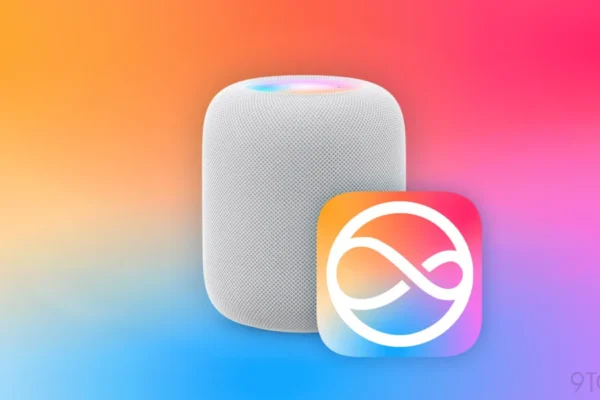
Furthermore, speculation remains high regarding the "HomePod with a display." Following reports from industry observers and leaks within the supply chain, a new smart home hub featuring an integrated screen is expected to be unveiled as early as mid-October. Such a device would act as a natural companion to the new Aqara thermostat and sensor suite, providing a centralized visual dashboard for the entire home.
If the rumored HomePod with a display materializes, it will likely serve as the ultimate controller for the devices launched this week. The ability to view live climate data, adjust temperature settings, and track energy usage via a dedicated, always-on display would represent the culmination of Apple’s multi-year effort to dominate the smart home living space.
Analysis of Implications
The expansion of the accessory lineup is not merely a revenue-generation effort; it is a tactical expansion of the "walled garden" that defines the Apple user experience. By vetting and endorsing specific third-party products, Apple effectively reduces the "fear of the unknown" for consumers. The smart home market is notoriously difficult to navigate, with thousands of competing products, varying standards, and complex setup processes. By curation, Apple simplifies the journey, essentially telling the consumer, "This works, it is secure, and it will integrate perfectly with your iPhone."
For the manufacturers involved, the implications are equally profound. Inclusion in the Apple retail network provides a level of legitimacy that is difficult to achieve through other channels. It allows brands to bypass the noise of generic e-commerce marketplaces and reach a high-intent audience that is already invested in the Apple ecosystem.
As the industry moves toward 2027, the success of this accessory refresh will likely be measured by the adoption rates of these new products and the feedback from users regarding the efficacy of features like Adaptive Temperature. If these integrations prove successful, it is highly probable that Apple will continue to aggressively expand its third-party partnerships, potentially bringing more niche, high-performance hardware into its retail ecosystem.
In summary, this week’s update is a clear indicator of where the smart home market is headed: toward greater interoperability, deeper energy-conscious automation, and a centralized user experience. With the Aqara W200 and W100 leading the charge, Apple is ensuring that it remains the focal point of the modern, connected home.