






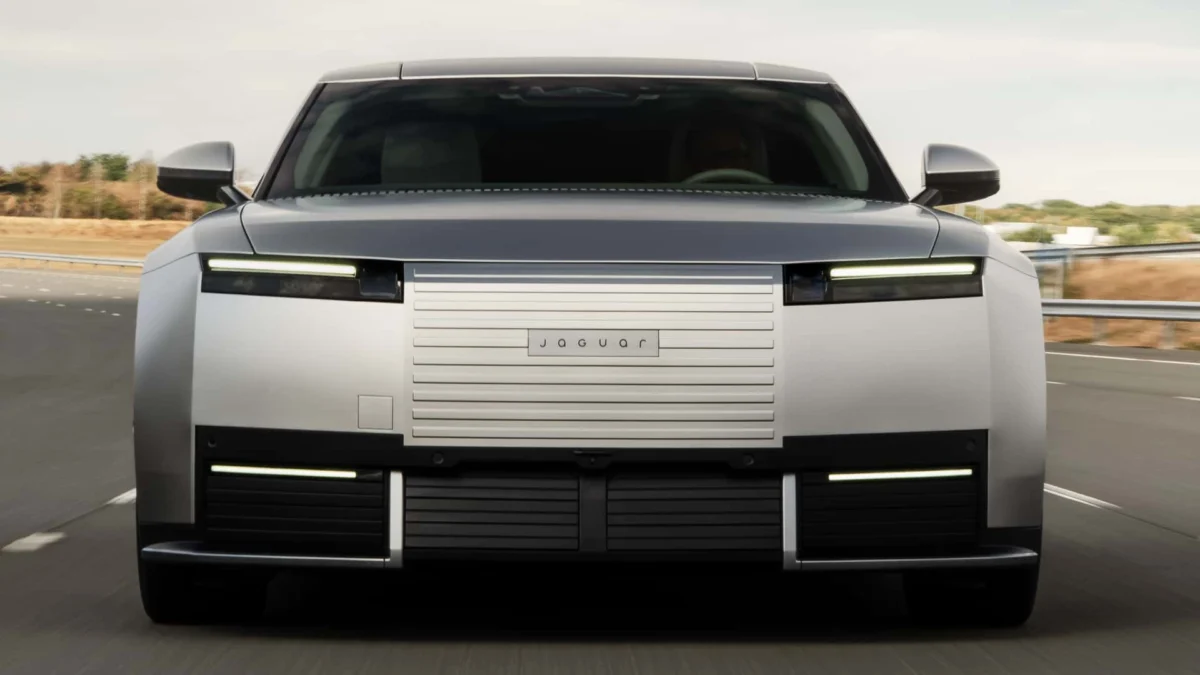
It has been just over one month since Jaguar stunned the automotive industry with the unveiling of the Type 01, a bold, ultra-premium electric grand tourer that serves as the cornerstone of the brand’s total reinvention. Now, the British manufacturer is wasting no time in signaling its future path, having officially filed a trademark for the "Type 02" designation with the European Union Intellectual Property Office. This move, first reported by CarMoses.com, confirms that the automaker is rapidly iterating on its new design language and platform as it seeks to pivot from a mass-market luxury player into an ultra-luxury, low-volume competitor for brands like Bentley and Aston Martin.
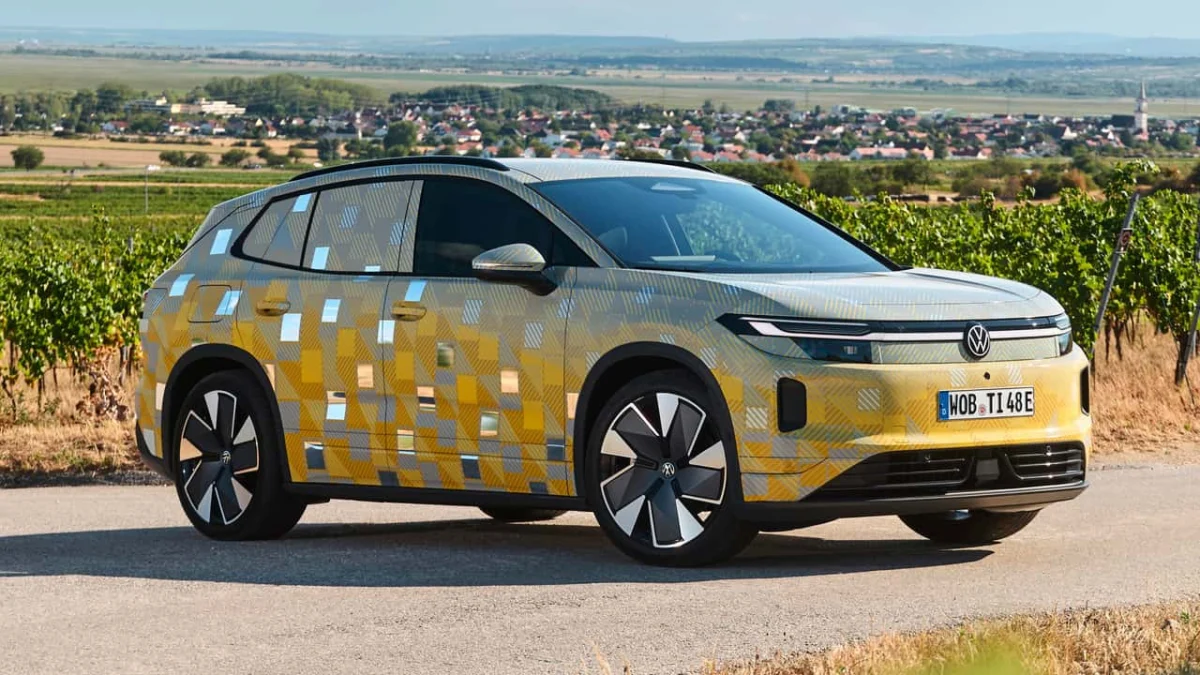
The filing of the Type 02 trademark provides the first tangible evidence of a broader, multi-vehicle strategy that Jaguar executives have been discussing in broad strokes since the brand’s radical brand identity shift. While the Type 01 is a low-slung, four-door grand tourer intended to redefine the aesthetic of the marque, industry analysts and market watchers have long suspected that the company’s second entry would prioritize the high-riding form factor that dominates modern global demand: the luxury SUV.
A Strategic Pivot Toward Ultra-Luxury
The decision to abandon its previous lineup—which included staples like the XE, XF, and F-Pace—was a calculated risk by Jaguar Land Rover (JLR) leadership. For years, the brand struggled to carve out a profitable niche against entrenched German rivals such as BMW, Mercedes-Benz, and Audi. The commoditization of the mid-size luxury segment, coupled with a decline in traditional sedan sales, left Jaguar in a precarious financial position.
Under the new "Reimagine" strategy, JLR is repositioning Jaguar as a "copy nothing" brand. This involves a move upmarket, where profit margins are significantly higher and the focus shifts from volume to exclusivity. The Type 01 is the standard-bearer for this new era, with a starting price expected to hover around $130,000. To put this in perspective, that price point represents an $80,000 premium over the 2023 Jaguar XF sedan, signaling an aggressive departure from the brand’s previous accessibility.
By securing the Type 02 trademark, Jaguar is laying the groundwork for a portfolio that serves different, yet affluent, demographics. Rawdon Glover, the managing director of Jaguar, has emphasized that the brand’s future lineup will provide "different things for different audiences." This suggests that while the Type 01 appeals to the purist and the grand-touring enthusiast, the Type 02 is likely being engineered to capture the high-net-worth individual who demands the utility and commanding road presence of an SUV without sacrificing the sleek, minimalist design language that now defines the brand’s "Type" nomenclature.
Understanding the Development Timeline
The timeline for this transition is deliberate and phased. Following the debut of the Type 01, Jaguar has set its sights on a production-ready delivery schedule slated for the end of 2027. The Type 02 is expected to follow this launch, likely arriving in the 2028 or 2029 model years.
This staggered rollout allows the company to establish its new brand identity with the flagship GT before diversifying into more practical segments. The chronology of Jaguar’s development can be broken down as follows:
- The Reset Phase (2023–2024): The phase-out of the legacy internal combustion engine lineup, marking the end of the brand’s attempt to compete directly with volume-luxury German and Japanese manufacturers.
- The Reveal Phase (Late 2024–2025): The introduction of the Type 01 as a design and technology beacon, establishing the aesthetic DNA for all subsequent models.
- The Expansion Phase (2026–2027): Testing and finalization of the Type 02 platform, with the focus shifting toward SUV ergonomics and battery efficiency.
- The Scaling Phase (2028 and beyond): Potential introduction of a third model, widely rumored to be a flagship luxury sedan, aimed at cementing the brand’s presence in the upper echelons of the market.
Technical and Aesthetic Continuity
One of the most notable aspects of the Type 01 reveal was its departure from traditional Jaguar styling cues. Gone are the aggressive grilles and complex surfacing that defined the previous decade. Instead, the Type 01 features a minimalist, elongated, and highly aerodynamic silhouette.
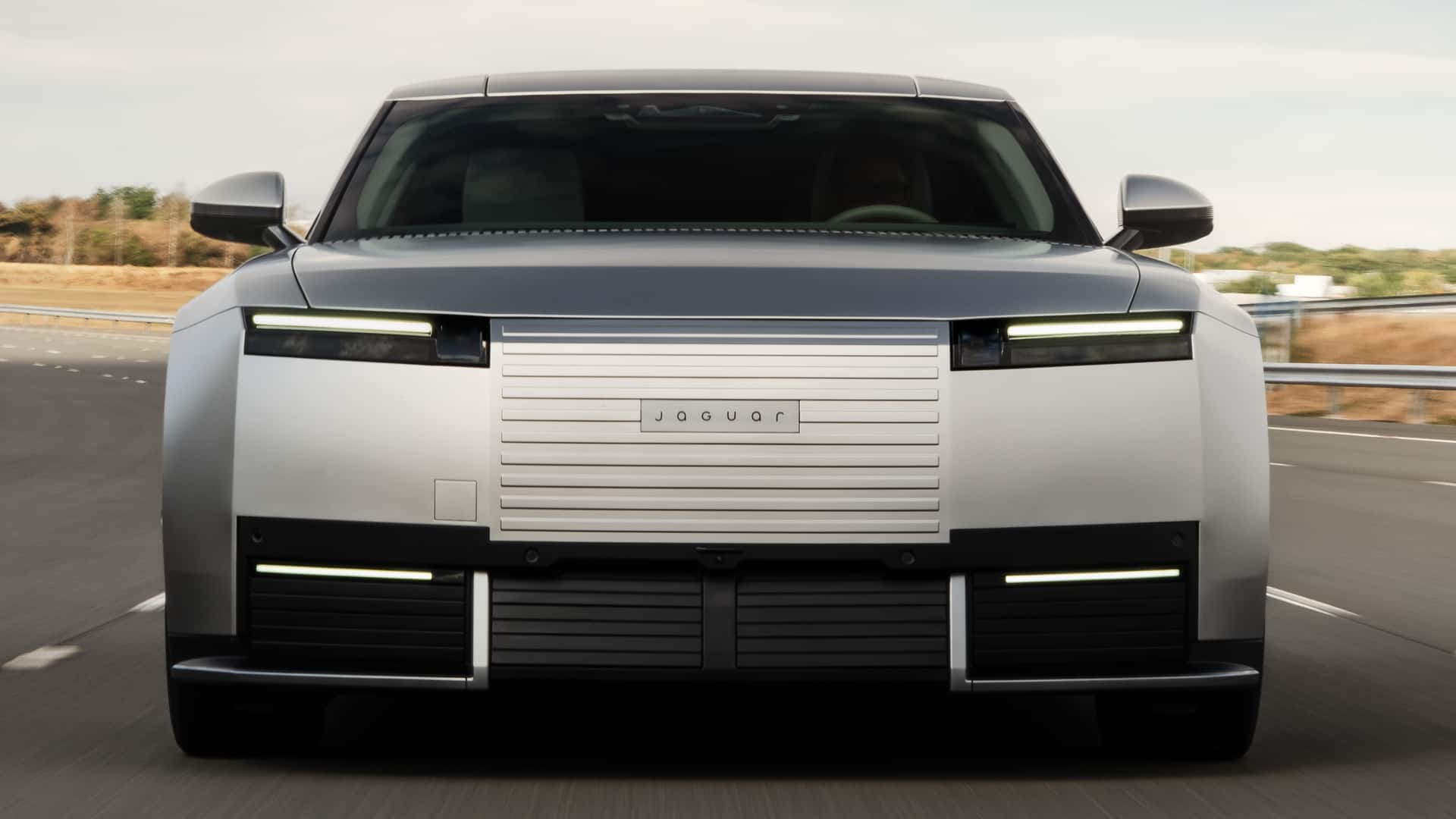
Insiders suggest that the Type 02 will share the same JEA (Jaguar Electric Architecture) platform. This bespoke electric-only platform is designed to offer high-speed charging capabilities, long-range performance, and advanced autonomous driving features. By utilizing a shared architecture, Jaguar can maintain the visual coherence introduced by the Type 01—notably the clean lines, the absence of traditional door handles, and a distinct lack of visual clutter—while adapting the chassis for the increased ride height and interior volume required by a crossover or SUV.
From a design perspective, the "Type" naming convention suggests a move toward a more modular approach to vehicle development, similar to how architectural or furniture design firms classify their work. This is a deliberate psychological shift, distancing the new vehicles from the "model name" legacy of the past and framing them as high-end artifacts or collector pieces.
Market Implications and Competitive Landscape
The move toward an ultra-luxury SUV segment is a necessity rather than an option in the current market. Data from global automotive consulting firms consistently shows that SUVs and crossovers now account for over 50% of the luxury vehicle market in both the United States and Europe. For a brand like Jaguar to sustain its operations while moving away from mass-market volume, it must offer a product that addresses this demand.
However, the competition in this space is fierce. Jaguar will be going head-to-head with established ultra-luxury titans. The Porsche Cayenne, the Aston Martin DBX, and the electrified offerings from Mercedes-Maybach have already claimed significant market share. To succeed, Jaguar cannot rely solely on the brand name. It must leverage the "copy nothing" mantra to ensure that the Type 02 offers a user experience—through software, material quality, and driving dynamics—that feels distinctly different from the high-tech, screen-heavy interiors currently flooding the market from competitors.
Financial analysts have noted that JLR’s willingness to prune its portfolio and commit to such a high entry price is a high-stakes gamble. By exiting the $50,000 to $80,000 price bracket, Jaguar is effectively abandoning its existing customer base in hopes of capturing a smaller, wealthier audience that values rarity and avant-garde design. If the Type 01 and the future Type 02 fail to resonate, the brand faces a difficult path back to financial stability. Conversely, if the gamble pays off, Jaguar could emerge as a niche, high-margin boutique automaker with a cult-like following.
Official Stance and Future Outlook
While Jaguar has remained tight-lipped regarding specific performance metrics or the exact release date of the Type 02, the trademark filing serves as a formal acknowledgment that the company’s long-term plan is already in motion.
In recent internal communications, JLR executives have emphasized that the transition to an all-electric, ultra-luxury brand is not just about the powertrain; it is about the "modern luxury" experience. This includes a more refined retail experience, personalized concierge services for buyers, and a digital-first approach to vehicle ownership.
As the automotive industry continues to grapple with the complexities of the EV transition, Jaguar’s strategy stands out for its sheer audacity. By betting the entirety of its future on a clean-slate design philosophy and an ultra-premium positioning, the company is attempting to rewrite its own history. The upcoming months will be critical as the company moves from the theoretical phase to the prototyping of the Type 02. For the loyalists who remember the brand’s storied past, and for the investors who are banking on its future, the next few years will define whether Jaguar can successfully complete one of the most ambitious brand transformations in modern corporate history.
The trademark application for "Type 02" is more than just a legal formality; it is a promise of continuity. It ensures that the vision set forth by the Type 01 is not a singular experiment, but the foundation of a cohesive, forward-looking legacy. As the industry watches, the pressure will mount for Jaguar to deliver on the lofty expectations it has created for itself. The "Type" era has officially begun, and with it, the long-awaited evolution of one of Britain’s most iconic motoring names.