











Prusa Research, a globally recognized leader in desktop 3D printing technology, officially expanded its specialized materials portfolio on Tuesday with the release of Prusament PETG ESD. Engineered specifically to combat electrostatic discharge, the new filament is imbued with a precise blend of carbon fiber and carbon nanotubes (CNTs). While the material is naturally compatible with standard consumer-grade enclosures for microcontrollers like the Raspberry Pi or ESP32, Prusa has positioned the product primarily for industrial and electronics production environments. Notably, despite its advanced electro-dissipative properties, the filament debuts at a competitive price point of $56.99 per kilogram, undercutting Prusa’s existing non-ESD PETG Carbon Fiber variant.
Understanding Electrostatic Discharge (ESD) in Modern Manufacturing
To fully grasp the utility of Prusament PETG ESD, one must understand the persistent challenge of electrostatic discharge in electronics assembly and handling. ESD occurs when two objects with different electrical potentials come into direct contact or are brought close enough to induce a sudden flow of electricity. For everyday items, a static shock is merely a minor annoyance. However, in the realm of sensitive semiconductor devices, microprocessors, and integrated circuits, an invisible, low-voltage ESD event can cause catastrophic component failure or induce latent defects that shorten a device’s operational lifespan.
Traditionally, manufacturing facilities rely on specialized tooling, workbench mats, and packaging made from dissipative plastics to safely channel static electricity to the ground in a controlled manner. Standard 3D-printed plastics, such as plain PLA, PETG, or ABS, are typically excellent electrical insulators. While insulation sounds beneficial, it allows static charges to accumulate on the surface of the plastic housing or jig, creating a localized hazard for any ungrounded electronics placed inside or nearby.
By integrating carbon nanotubes and carbon fibers into a polyethylene terephthalate glycol (PETG) matrix, Prusa has engineered a filament that possesses controlled electrical conductivity. This specific formulation allows static charges to dissipate safely across the surface of the printed object rather than building up and discharging abruptly into sensitive hardware.
Material Composition and Engineering Specifications
The formulation of Prusament PETG ESD bridges the gap between mechanical durability and electrical functionality. PETG is widely favored in the 3D printing community for its chemical resistance, toughness, and ease of printing compared to materials like ABS or polycarbonate. By reinforcing this polymer backbone with carbon fiber and carbon nanotubes, Prusa has significantly enhanced the structural rigidity and dimensional stability of the printed parts.
Carbon fibers add high tensile strength and reduce warping, which is a common issue in larger prints, while carbon nanotubes create a microscopic conductive network throughout the plastic. This dual-additive approach ensures that the electrostatic-dissipative properties remain consistent across the entire geometry of the printed part, rather than just on the surface layer.
Priced at $56.99 per spool, Prusament PETG ESD represents a cost-effective alternative within Prusa’s specialty catalog. In comparison, standard carbon-fiber-reinforced PETG variants often command higher prices due to the specialized manufacturing techniques required. By keeping the cost relatively accessible, Prusa aims to encourage small-to-medium enterprises (SMEs) and engineering laboratories to adopt in-house production of custom ESD-safe jigs, fixtures, component trays, and protective enclosures.
Industrial Targeting Versus Hobbyist Adoption
Prusa’s market positioning for Prusament PETG ESD reveals a strategic pivot toward professional and light industrial applications. While the maker community frequently embraces exotic filaments for personal projects, advanced engineering materials require specific hardware considerations. Printing carbon-filled and CNT-embedded filaments typically demands hardened steel or ruby nozzles, as standard brass nozzles will rapidly wear down under the abrasive nature of the carbon fibers.
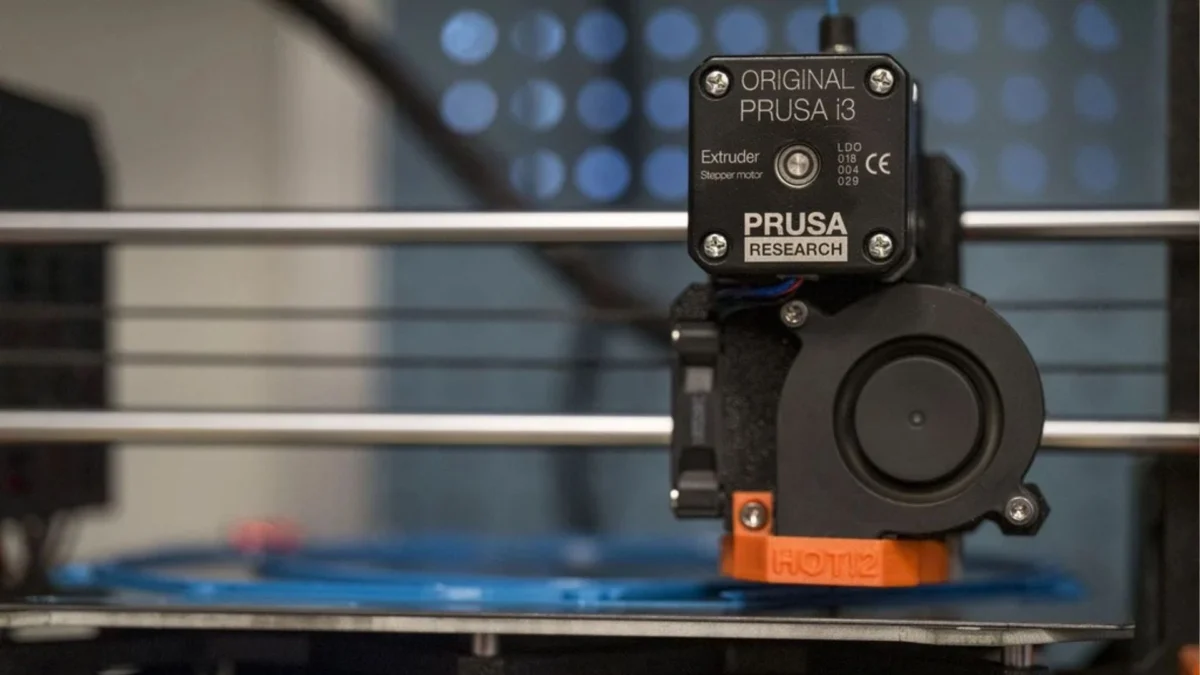
Furthermore, printing high-performance engineering plastics often benefits from enclosed build chambers and elevated bed temperatures to achieve optimal layer adhesion and mechanical strength. Although many hobbyists utilize open-frame machines like the classic Prusa i3 series, these advanced composite filaments are squarely targeted at professionals who require certified or reliable material performance in functional prototypes and factory-floor tooling.
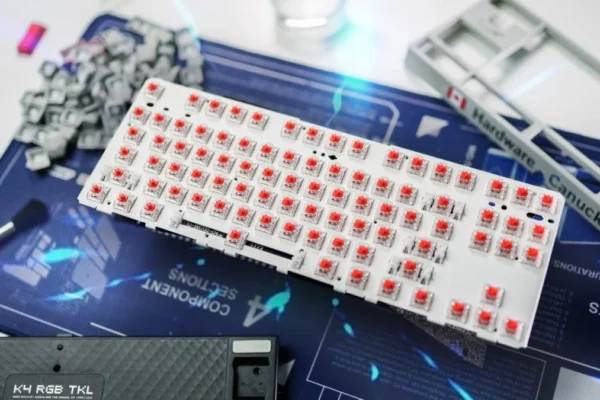
Despite the industrial focus, consumer electronics enthusiasts and DIY hobbyists are expected to find niche uses for the material. Makers working on custom mechanical keyboards, high-end home automation hubs, radio frequency (RF) projects, and custom enclosures for expensive development boards can benefit from the added protection against static buildup, especially in dry winter months when electrostatic charges are most prevalent.

Chronology of Prusa’s Material Development
The introduction of Prusament PETG ESD did not happen in a vacuum; it represents the latest milestone in Prusa Research’s ongoing evolution from a pure hardware manufacturer to a comprehensive ecosystem provider.
- 2018: Prusa Research launched its proprietary filament line, Prusament, aiming to solve quality control and diameter consistency issues plaguing the broader 3D printing market. Initial offerings focused on standard materials like PLA and PETG.
- 2020–2021: As demand for functional, end-use parts grew during global supply chain disruptions, Prusa expanded its portfolio to include engineering-grade polymers, introducing specialized blends featuring glass and carbon fiber reinforcement.
- 2022–2023: The company scaled up its internal production facilities, implementing automated spooling and optical inspection systems to guarantee tight manufacturing tolerances across all Prusament variants.
- 2024: Prusa continued to diversify its material science offerings, culminating in the late-year release of Prusament PETG ESD to address the specific compliance and safety needs of electronics manufacturing clients.
This timeline illustrates a deliberate corporate strategy: establishing baseline trust with reliable consumer filaments before moving up-market into advanced, application-specific formulations that compete directly with legacy industrial polymer suppliers.
Economic and Operational Implications for Electronics Prototyping
The availability of consumer-accessible ESD-safe 3D printing filament carries notable implications for product development cycles. Historically, prototyping custom antistatic enclosures, specialized storage racks, or assembly line fixtures required either expensive CNC machining of engineered plastics or outsourcing injection-molded parts to specialized industrial vendors. Both routes introduce significant lead times and high minimum order quantities (MOQs).
By utilizing desktop 3D printers loaded with filaments like Prusament PETG ESD, engineering teams can design, iterate, and deploy custom static-safe fixtures within a matter of hours. This capability accelerates the prototyping phase, allowing hardware startups and electronics repair facilities to customize their workspaces and production lines dynamically.
Moreover, the integration of carbon nanotubes provides a dual benefit: structural enhancement and electrostatic control. Components printed with this filament exhibit higher stiffness and resistance to deformation under load compared to neat PETG, making them well-suited for load-bearing brackets and mechanical housings utilized in manufacturing environments.
Industry Response and Competitive Landscape
The release of Prusament PETG ESD places Prusa in direct competition with established industrial filament manufacturers such as Kimya, Polymaker, and Sabic, who have long supplied specialty ESD materials to the automotive and aerospace sectors. However, most legacy industrial filaments are priced at a premium and are often sold exclusively through B2B channels with complex procurement requirements.
Prusa’s direct-to-consumer and direct-to-enterprise e-commerce model democratizes access to these advanced materials. By offering transparent pricing, detailed print profiles integrated into PrusaSlicer, and consistent quality control, the company lowers the barrier to entry for facilities looking to implement in-house additive manufacturing for ESD-sensitive applications.
Industry analysts note that as desktop 3D printers become faster and more reliable—exemplified by Prusa’s recent generation of high-speed CoreXY and bed-slinger machines—the demand for application-specific engineering filaments will continue to rise. Materials are no longer judged solely by tensile strength and temperature resistance; electrical properties, chemical resistance, and regulatory compliance are becoming critical purchasing criteria.
Broader Impact on the 3D Printing Ecosystem
The broader impact of Prusament PETG ESD extends to the ongoing maturation of the desktop 3D printing market. As the line between consumer hobbyist machines and professional-grade industrial tools continues to blur, material science becomes the primary differentiator for hardware manufacturers.
By providing verified print profiles, safety documentation, and predictable material behavior, Prusa helps bridge the knowledge gap that often deters traditional manufacturing engineers from adopting 3D printing technologies. The inclusion of carbon nanotubes and carbon fibers requires careful handling—both in terms of printer hardware wear and proper ventilation during printing—and Prusa’s comprehensive documentation assists users in navigating these technical requirements safely.
As electronics become increasingly miniaturized and sensitive to environmental factors, the need for specialized protective equipment in prototyping and small-batch production will only grow. Prusament PETG ESD addresses this market need head-on, proving that open-ecosystem desktop manufacturing hardware, paired with advanced material science, can deliver industrial-grade solutions at a fraction of traditional costs.