








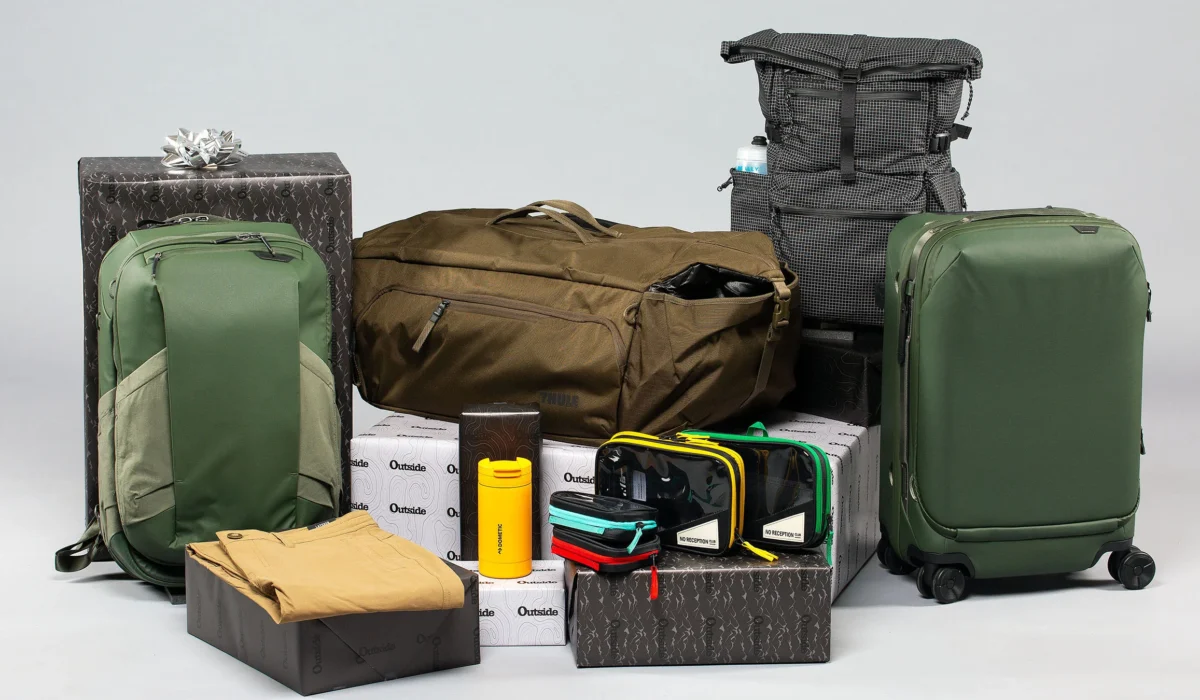
As the global travel sector continues to see record-breaking passenger numbers, the demand for high-efficiency, durable, and multifunctional gear has reached an all-time high. Industry analysts from the Global Business Travel Association (GBTA) have noted that traveler behavior has shifted significantly toward "frictionless movement," with a growing preference for modular luggage and health-conscious accessories. Published on November 10, 2026, this report examines the top-tier gear currently defining the market, categorized by price point, to assist frequent travelers in optimizing their itineraries.

The intersection of engineering and travel logistics has resulted in a new wave of products designed to solve specific pain points. Whether addressing the physical toll of long-haul flights or the logistical chaos of packing, the following items represent the current standard in travel technology.
Economic Essentials: Enhancing Utility Under $50
For the budget-conscious traveler, utility remains the primary metric of value. Recent market data suggests that consumers are increasingly seeking "buy-it-for-life" items even at lower price points.

The Dometic Tumbler 350 has emerged as a leader in the drinkware segment. By utilizing a dual-layer, 90 percent recycled 304 stainless steel construction, it provides thermal retention capabilities that rival professional-grade cold-storage technology. The integration of a copper liner further reduces heat transfer, a critical feature for travelers navigating varying climates.
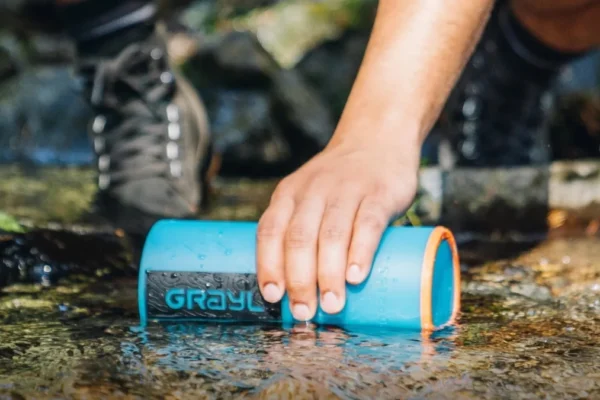
Health-focused travel is also seeing a surge in innovation, exemplified by the LifeStraw Sip. In regions where water quality is inconsistent, this device provides a vital fail-safe. Engineered with a 0.2-micron membrane, it is capable of filtering bacteria and microplastics. From a safety perspective, while the straw does not treat chemical contamination, it serves as a lightweight (under 2 ounces) mechanical filter that fulfills the needs of international adventurers who prioritize portable, non-battery-operated solutions.

Physical wellness during transit is equally prioritized. The Bombas Travel Compression Knee-High Socks address the common issue of Deep Vein Thrombosis (DVT) and general leg fatigue associated with prolonged sedentary activity. By applying 15–20 mmHg of graduated compression, these socks facilitate venous return, a medical standard for long-haul travel that has transitioned into the consumer mainstream.
Finally, the YETI Rambler Travel Straw Mug addresses the "hydration-on-the-go" requirement. Its design reflects a shift toward ergonomic integration, specifically the tapered base that ensures compatibility with standard automotive cup holders, a minor detail that significantly impacts user experience during road-based travel segments.

Mid-Range Innovation: Optimizing Workflow ($51 to $200)
As travelers demand more from their carry-on capacity, the mid-range market has pivoted toward organizational systems and modular design.
The No Reception Club Sliders have addressed the persistent challenge of luggage organization. Market research indicates that "unpacking fatigue" is a major stressor for family travelers. By incorporating transparent windows and color-coded zippers, these cubes allow for immediate visual inventory, reducing the time spent searching for items in transit.

Fjällräven’s High Coast Foldsack 24 highlights the trend toward weight reduction. Weighing only 460 grams, the bag utilizes recycled polyamide and 400-denier Bergshell fabric to ensure durability without adding unnecessary mass. This product addresses the specific needs of travelers who require a secondary daypack that does not consume excessive space within a primary suitcase.
Apparel design has also seen a technical evolution. The Roark Layover Pro Traveler Pants utilize four-way-stretch Embarq fabric and laser-perforated ventilation. These features are designed to mitigate the discomfort of extended periods of immobility, while maintaining an aesthetic suitable for professional or social settings upon arrival.

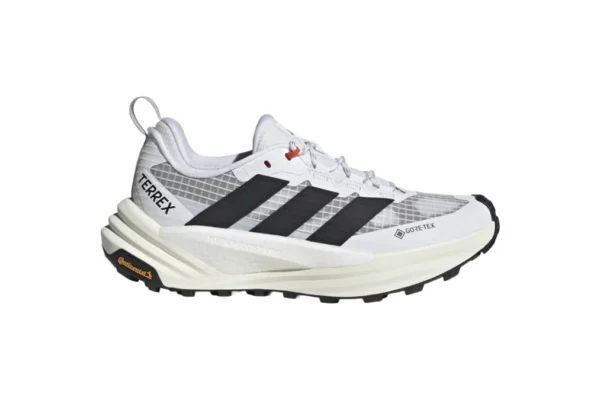
In the footwear category, the Teva Women’s Aventrail Road-2-Trail running shoe has disrupted traditional design by replacing laces with the patented W Strapping System. This ensures a consistent fit across various foot shapes and simplifies security screening processes, an important consideration for modern air travelers.
For specialized travel, the Osprey Mountain Bound Ski & Snowboard Boot Backpack provides a dedicated structural solution for winter sports enthusiasts. By moving beyond the "strap-on" exterior storage methods of the past, this 45-liter pack protects equipment within an integrated, water-resistant compartment, reflecting a broader industry trend toward protecting high-value sports gear during transit.

Complementing these are the North St. Bags Davis Daypack and the Thule RoundTrip MTB Duffel 70L. Both emphasize specialized storage—the former focusing on weather-resistant urban commuting in variable climates, and the latter on logistical organization for competitive cyclists, turning a standard duffel into a functional, wide-opening equipment bin.
Premium Solutions: Engineering for Longevity (Over $200)
The high-end segment of the travel market is currently defined by the integration of two distinct needs: modularity and weight-to-durability ratios.

The Peak Design Travel 2-in-1 Pack 40L is indicative of the "system-based" approach to travel. By nesting a 16-liter daypack within a 34-liter frame, it provides a comprehensive solution for travelers who require both high-capacity storage for transit and a lighter, portable option for local excursions. This design effectively doubles the utility of a single piece of carry-on luggage.
The Peak Design Roller Pro represents the current pinnacle of carry-on engineering. The use of a SlimDrive handle system—utilizing 7-millimeter carbon-fiber tubes—reclaims internal volume previously lost to standard rail mechanisms. The incorporation of a rigid polycarbonate frame beneath a 550-denier Versa Shell fabric provides the durability of a hard-sided case with the organizational flexibility of a soft-sided bag. These technical specifications align with current airline cabin regulations while maximizing the internal capacity available to the traveler.

Broader Impact and Implications
The evolution of travel gear is not merely a trend in retail; it is a direct response to the changing landscape of global transit. As airline baggage fees continue to fluctuate and travelers strive for "carry-on only" status to avoid lost-luggage risks, the demand for high-performance, lightweight, and modular gear will likely persist.
Industry analysts suggest that the next phase of development will focus heavily on sustainable materials and "smart" integration, such as built-in tracking technology. However, for the current 2026/2027 travel season, the emphasis remains on mechanical reliability and the reduction of physical friction. The products listed here reflect a transition toward gear that treats the act of traveling as a logistical operation, prioritizing the conservation of energy and space.

As these companies continue to innovate, the standard for what a "basic" travel item entails has been raised. The modern traveler is no longer just a consumer of products but a participant in a highly optimized ecosystem of gear designed to ensure that the destination, not the journey, remains the focus of the trip.