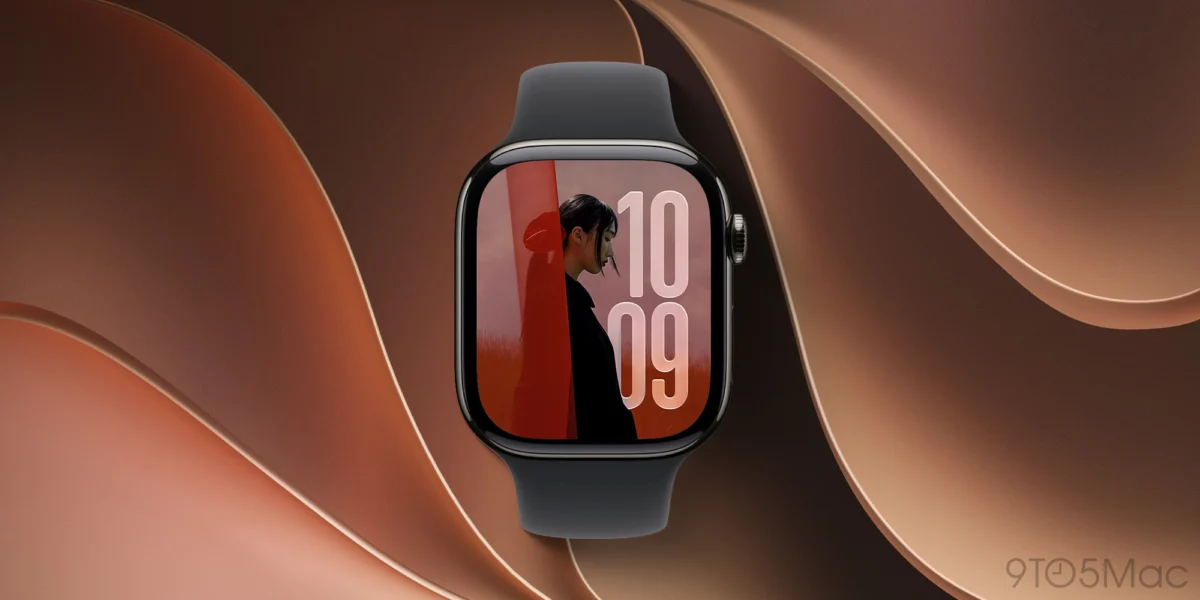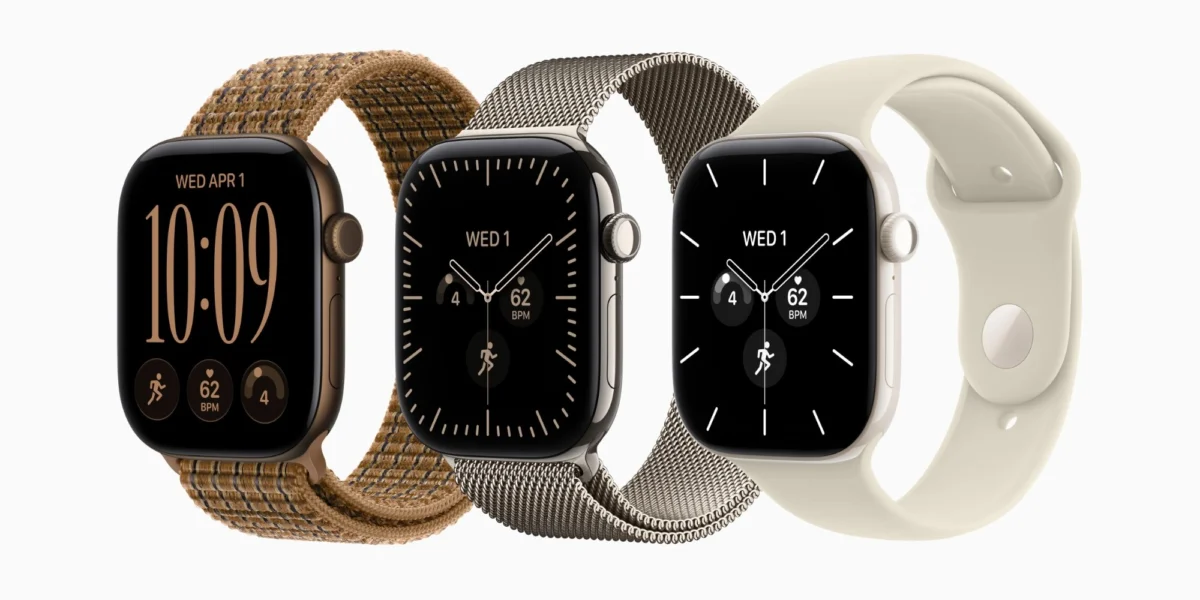







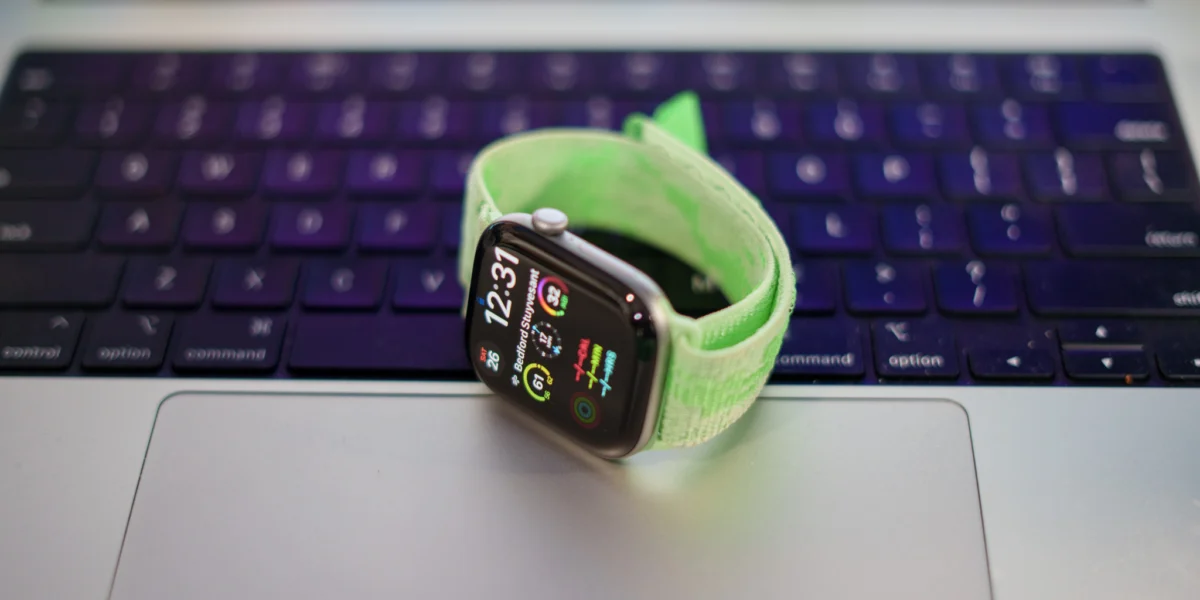
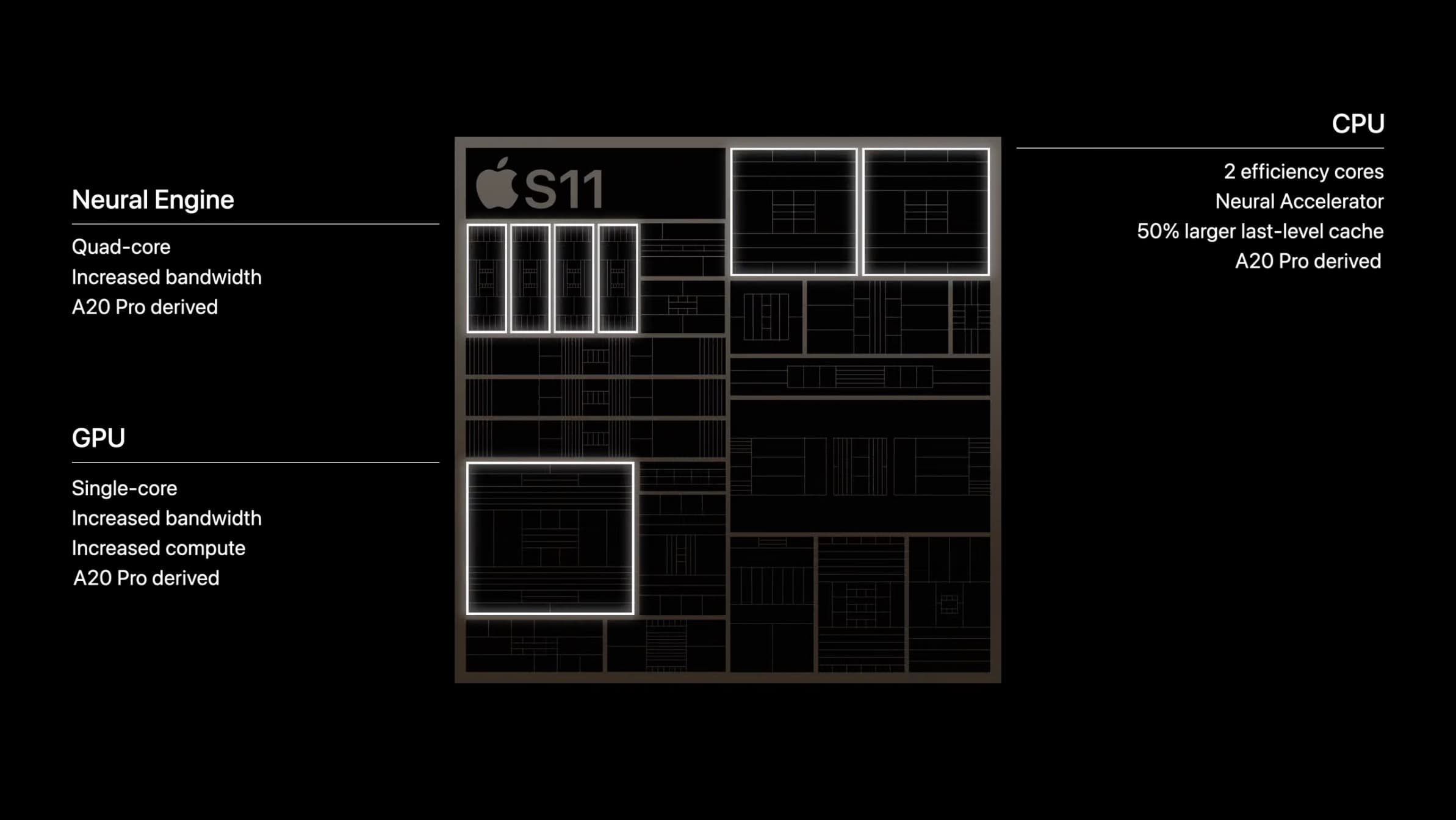
The launch of the Apple Watch Series 12 marks a pivotal moment in the evolution of wearable technology, moving beyond incremental aesthetic adjustments to focus on core performance, power efficiency, and advanced physiological monitoring. While the device maintains the familiar silhouette of its predecessors, the integration of the S11 silicon architecture—derived from the cutting-edge 2nm A20 Pro design—represents a fundamental shift in how Apple handles on-device processing and power management. This transition has resulted in a device that addresses long-standing user concerns regarding battery endurance and the granularity of health data.
Chronology and Development Context
The unveiling of the Series 12 followed a period of intense industry scrutiny regarding the plateau of wearable innovation. Historically, the Apple Watch has seen its most significant leaps in design with the Series 4, which introduced the larger display, and the Series 7, which refined the screen-to-body ratio. The Series 11, released in the previous cycle, focused primarily on display brightness and initial sensor refinements.
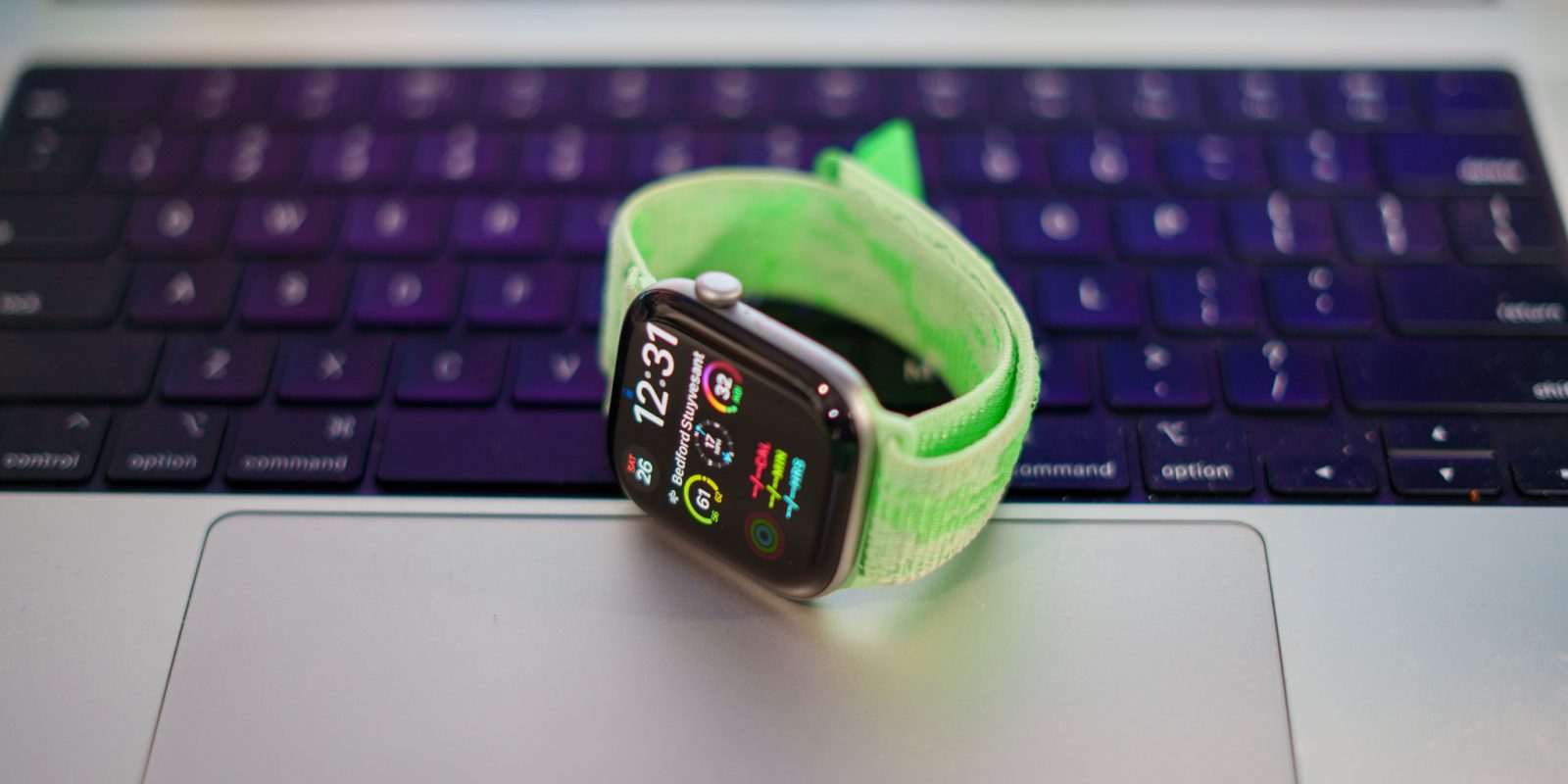
When Apple announced the Series 12 at their annual September keynote, the focus was placed heavily on the integration of "Siri Recap" and a reimagined biometric sensor suite. However, early field testing suggests that the primary value proposition of the device lies in its underlying silicon. By migrating to a 2nm process, Apple has achieved a level of power efficiency that previously required the larger physical footprint of the Ultra series. This development cycle reflects a broader corporate strategy to emphasize "intelligence and readiness" as the new pillars of the Apple Health ecosystem.
Power Management and the Silicon Advantage
Perhaps the most notable improvement in the Series 12 is its battery behavior. For years, the "charging anxiety" associated with sleep tracking has been a barrier for casual users. On previous models, users often faced a logistical challenge: charging the device immediately before bed and again upon waking to ensure continuous data collection.
The S11 chip changes this dynamic through superior thermal management and a more aggressive power-gating strategy. Internal testing indicates that the device comfortably bridges the gap between a full day of activity and a full night of sleep tracking without requiring an mid-day top-up. Furthermore, the enhanced charging circuit allows for rapid replenishment; Apple’s technical specifications confirm that 15 minutes of charging now yields up to 12 hours of operational use. This improvement is critical for users who rely on the device for 24/7 health monitoring, effectively removing the friction that previously hindered consistent sleep data acquisition.
Advanced Biometrics and the Readiness Metric
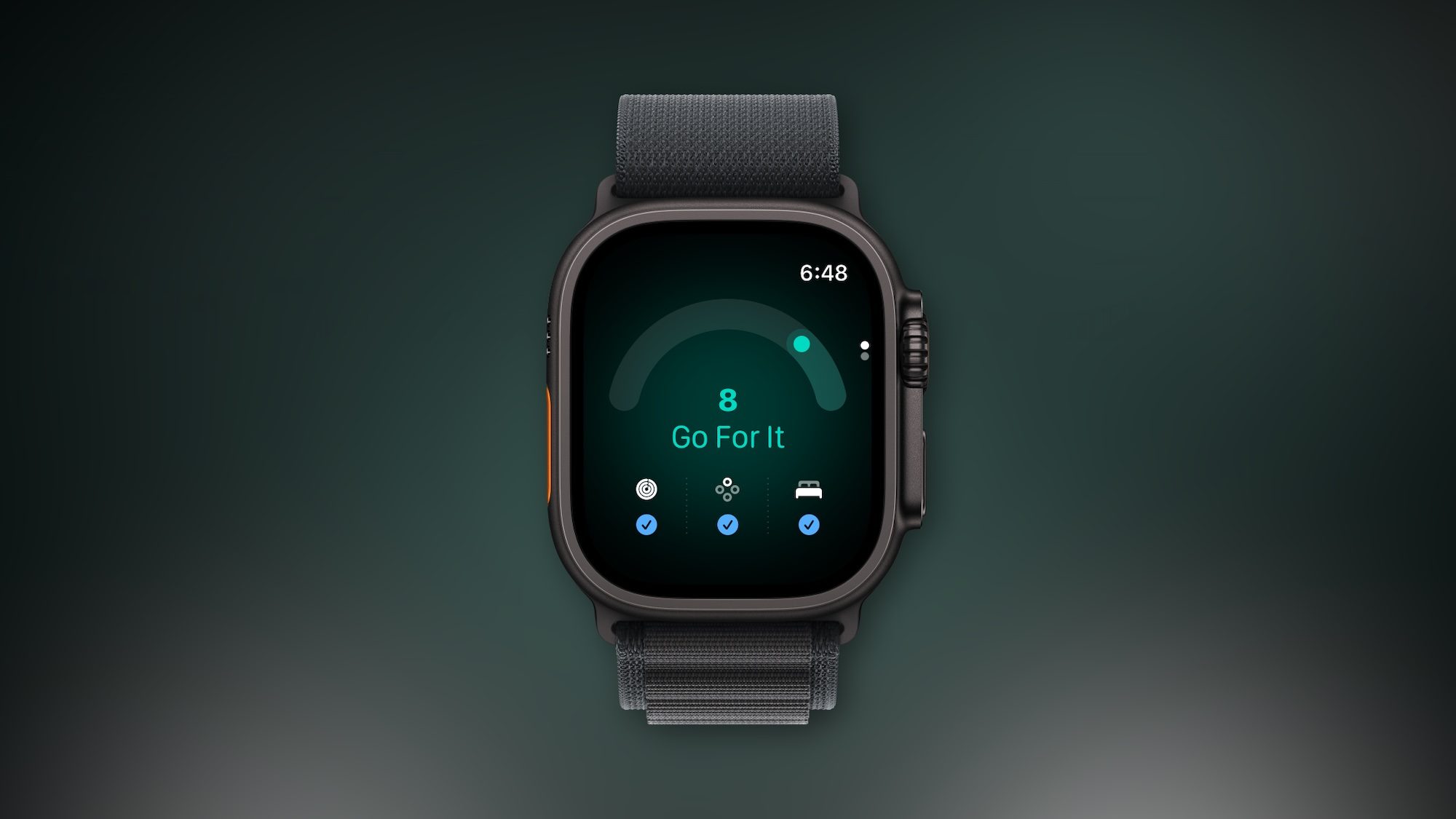
The introduction of the "Readiness" app represents Apple’s most direct challenge to third-party fitness trackers like WHOOP. By synthesizing sleep architecture, physical exertion data from the previous 24 hours, and real-time vital signs—such as heart rate variability (HRV) and respiratory rate—the watch generates a recovery score.
This score is not merely a convenience feature; it is an analytical tool. By providing a quantified "readiness" percentage, the device advises users on whether they are primed for high-intensity training or require a recovery day. Industry analysts have noted that while this feature is currently exclusive to the Series 12, its reliance on higher-precision biometric sensors suggests that the hardware limitations of older models may be the primary reason for this exclusivity. The sensors in the Series 12 operate at a higher sampling frequency, providing the high-fidelity data necessary for an accurate readiness calculation.
Design Evolution and Durability Standards
While the aesthetic changes in the Series 12 are subtle, they are functional. The chassis features a slight modification to the bezel geometry, resulting in a marginally thicker frame. While some critics argue this creates a less "edge-to-edge" visual experience, it serves as a structural necessity for the integration of the new Ceramic Shield 2 material.
Ceramic Shield 2, a significant upgrade for the aluminum models, provides substantially higher scratch resistance compared to the Ion-X glass used in previous generations. In real-world scenarios, this is a material benefit for users who engage in outdoor activities where contact with abrasive surfaces is common. The durability of the watch, combined with the S11 chip’s speed, positions the Series 12 as a "pro-grade" device for the mainstream market, bridging the gap between the standard aluminum models and the more expensive titanium offerings.
Software Integration: The Smart Stack and Complications
Apple’s software strategy for the Series 12 includes a more robust approach to complications. The inclusion of a dedicated step-counter complication for the Smart Stack is a long-requested feature that finally addresses the needs of users who prioritize simple, at-a-glance activity tracking.
While the data has always been available within the Health app, the ability to surface this directly on the watch face represents a shift in Apple’s design philosophy, which had previously prioritized rings over raw numbers. This move toward more customizable, data-dense watch faces indicates that Apple is listening to feedback from the power-user demographic, moving away from purely aesthetic design choices toward functional utility.

Broader Industry Implications
The release of the Apple Watch Series 12 signals that the wearable market has entered a phase of "intelligence-led growth." Competitors in the health-tech space have long relied on recovery metrics and sleep coaching to differentiate themselves from the Apple Watch. By integrating these features natively and backing them with the computational power of the 2nm S11 chip, Apple is effectively reclaiming the health-tracking narrative.
The implications for the wider health-tech industry are significant. If Apple continues to prioritize on-device AI for health metrics, third-party wearable manufacturers will need to innovate on sensor technology or unique health insights to maintain their market share. Furthermore, the performance delta between the Series 12 and its predecessors suggests that Apple is creating a more distinct "performance tier" for its watches.
Final Assessment
The Apple Watch Series 12 is a definitive "S-year" upgrade—a term typically used to describe a year where the hardware chassis remains largely the same, but internal components are significantly overhauled. However, the magnitude of the improvement in battery efficiency and the sophistication of the new health metrics suggest that this is one of the most substantial upgrades since the Series 4.

For the average consumer, the choice to upgrade will likely hinge on whether they value consistent, 24/7 health monitoring. Those who have been deterred by the limitations of previous battery architectures or the lack of granular recovery data will find the Series 12 to be a compelling, perhaps even essential, purchase. The device succeeds because it does not attempt to reinvent the wearable category; instead, it refines the fundamental interactions—power, health, and speed—that define the user experience. By focusing on these core pillars, Apple has produced a watch that is not only faster and more durable but also more capable of providing actionable health intelligence than any previous model. As the wearable ecosystem continues to mature, the Series 12 sets a new benchmark for what is expected from a daily-wear health device.