










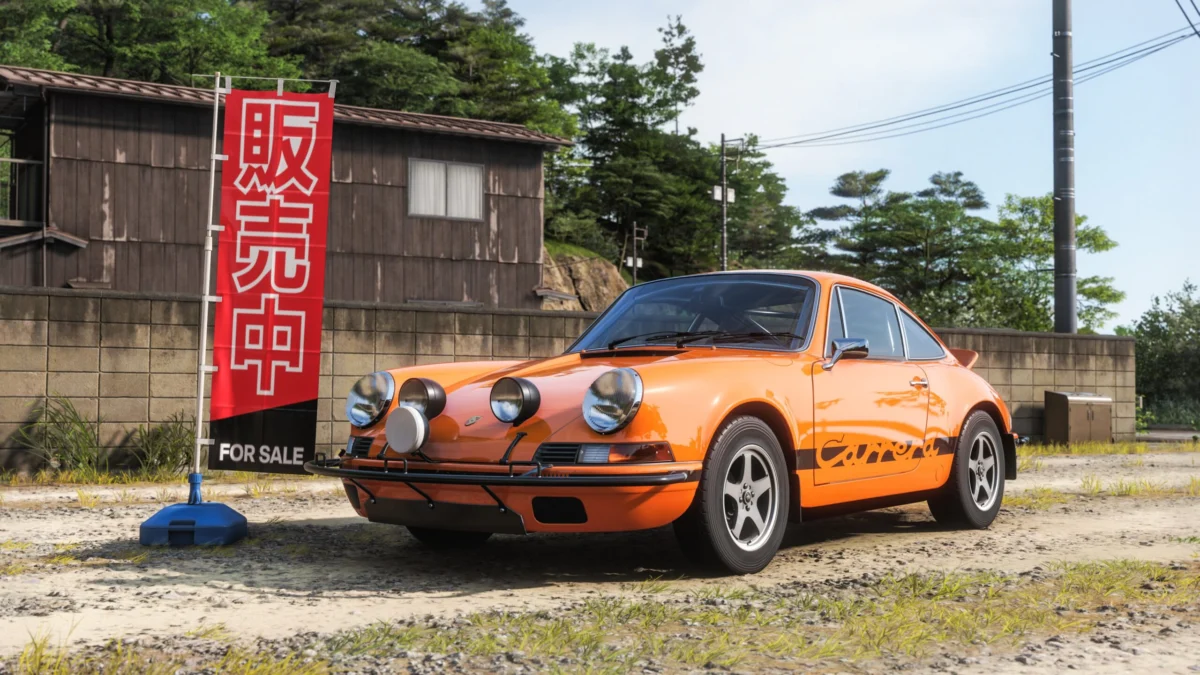
No matter how tight the turns and how twisty and winding the roads, Forza Horizon 6 is content to just stay the course.
The enduring legacy of the Forza Horizon series presents a distinct paradox for developers and critics alike. As franchises achieve multi-year commercial prominence, a prevailing industry narrative suggests they must gradually iterate or soften their mechanics to maintain broad appeal. Entering the latest installment, fans and industry analysts alike questioned whether Playground Games would challenge this trajectory or rely on the established formula that has defined the open-world arcade racer genre for over a decade. Following an extensive preview period with a near-final build, it is evident that the studio
has chosen evolution over revolution, delivering a title that heavily refines its predecessor’s framework rather than rewriting the rulebook.
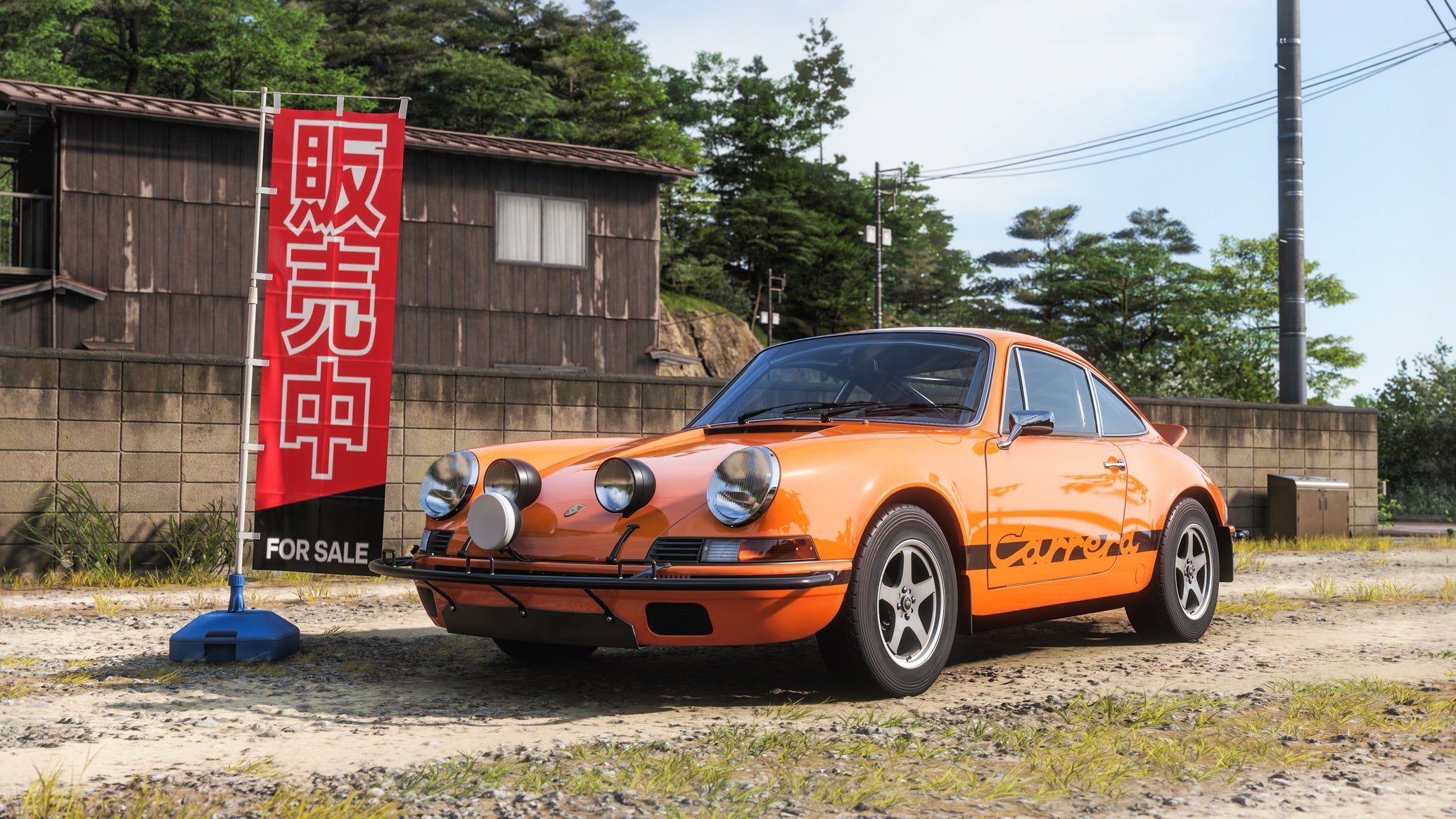
Main Facts and Setup: Welcome to Tokyo and Beyond
Forza Horizon 6 wastes no time establishing its signature atmosphere. From the moment the player boots up the software, the opening sequence sets a familiar yet intoxicating tone through carefully curated music and stylized menus showcasing high-performance vehicles against dynamic backdrops.
Upon diving into the main campaign, players are immediately thrust behind the wheel for a high-octane introductory drive across a meticulously recreated slice of Japan, seamlessly blending the dense, neon-lit sprawl of downtown Tokyo with the winding mountain passes of its surrounding rural prefectures. Within minutes, the overarching progression structure is introduced, granting users their first vehicle and setting the stage for an expansive automotive journey.
True to its lineage, Forza Horizon 6 positions itself firmly as a car-collecting and open-world exploration sandbox rather than a hardcore, technical racing simulator. The experience prioritizes accessibility and sensory spectacle. Players are rarely required to master complex circuit nuances or spend hours adjusting vehicle tuning configurations to progress. Those encountering difficult races have a suite of options at their disposal: lowering AI difficulty, selecting community-recommended vehicle builds, or applying pre-tuned setups shared by other drivers.
Progression and World Design: Wristbands and Discover Japan
The game map unfolds gradually, employing structural gates designed to prevent players from feeling overwhelmed by the staggering volume of available activities. Progression is primarily governed by two parallel tracks: the classic Festival Wristband system and the newly introduced "Discover Japan" campaign.

The Wristband system relies on traditional competitive structures. Players earn festival points by participating in and winning qualifiers, unlocking higher tiers that grant access to faster car classes. This progression can be accelerated through various PR Stunts, including smashing XP boards, triggering speed cameras, and setting records across dedicated speed and drift zones.
Running parallel to the festival is Discover Japan, an exploration-focused progression track designed to showcase the map’s ten distinct regions while introducing narrative characters. This track houses the game’s more creative and relaxed activities, such as food delivery tasks, endurance tests for freshly restored classics, and leisurely convoy tours through picturesque landscapes. Rather than demanding split-second lap times, these missions prioritize immersion and the fantasy of piloting rare machinery through exotic environments. Discover Japan also serves as the host for specialized racing disciplines, including authentic Touge mountain runs and high-stakes street races.
Playground Games has also reimagined classic exploration mechanics. Traditional Barn Finds—where players receive a broad map radius to hunt for classic vehicles abandoned in remote sheds—are complemented by "Treasure Cars." These challenges provide a historical photograph featuring specific monuments, requiring players to deduce the camera angle and narrow down the location based on visual clues, offering a rewarding spin on environmental puzzle-solving.
Innovation on the Asphalt: Horizon Rush and Technical Fidelity
While much of the core gameplay loop remains comfortingly familiar, Forza Horizon 6 introduces notable additions to its event variety. Among the standouts are Horizon Rush events, which take place on makeshift obstacle-course circuits characterized by sharp, punishing corners and deliberately ambiguous routing. These events demand a level of precision rarely required in standard open-world races, forcing players to adapt to pre-determined vehicle handling characteristics and race against the clock under high-pressure conditions.

Technically, the title pushes current-generation hardware to its limits. The inclusion of advanced ray tracing brings the virtual environment to an unprecedented level of realism, particularly in rural and forested regions where natural lighting and foliage density rival photographic reference material. Furthermore, the game features a robust suite of accessibility options, including a 360-degree proximity radar designed to assist players with situational awareness—a particularly useful tool for first-person drivers and tactical positioning during competitive multiplayer events.
Industry Implications and Market Impact
As a cornerstone franchise for Xbox Game Studios, the release of Forza Horizon 6 carries significant weight for Microsoft’s first-party ecosystem. Following the multi-platform expansion strategy embraced by Xbox in recent years, the title arrives with immense pressure to drive hardware sales, bolster Game Pass engagement, and maintain the critical acclaim that previous entries like Forza Horizon 4 and 5 enjoyed.
Industry analysts note that while Playground Games has opted for a conservative design philosophy—sticking closely to a proven formula rather than innovating aggressively—the strategy minimizes risk while delivering the high production values that consumers expect. The driving genre currently faces increased competition from titles like Need for Speed Unbound and The Crew Motorfest, each attempting to carve out distinct identities through stylistic risks or niche gameplay mechanics. By comparison, Forza Horizon 6 doubles down on frictionless escapism, impeccable polish, and unmatched automotive breadth.
Conclusion
Forza Horizon 6 succeeds brilliantly at what it sets out to achieve. For enthusiasts seeking a digital sanctuary to collect, customize, and drive dream cars through breathtaking, photorealistic landscapes inspired by the real world, the title remains peerless in the genre.

However, players hoping for a fundamental paradigm shift or a more punishing, friction-heavy competitive driving experience will find that Playground Games has firmly chosen to stay the course. The game does not reinvent the open-world racer, but it refines the existing blueprint to near-perfection, ensuring that the journey across Japan is as smooth, scenic, and comforting as ever.