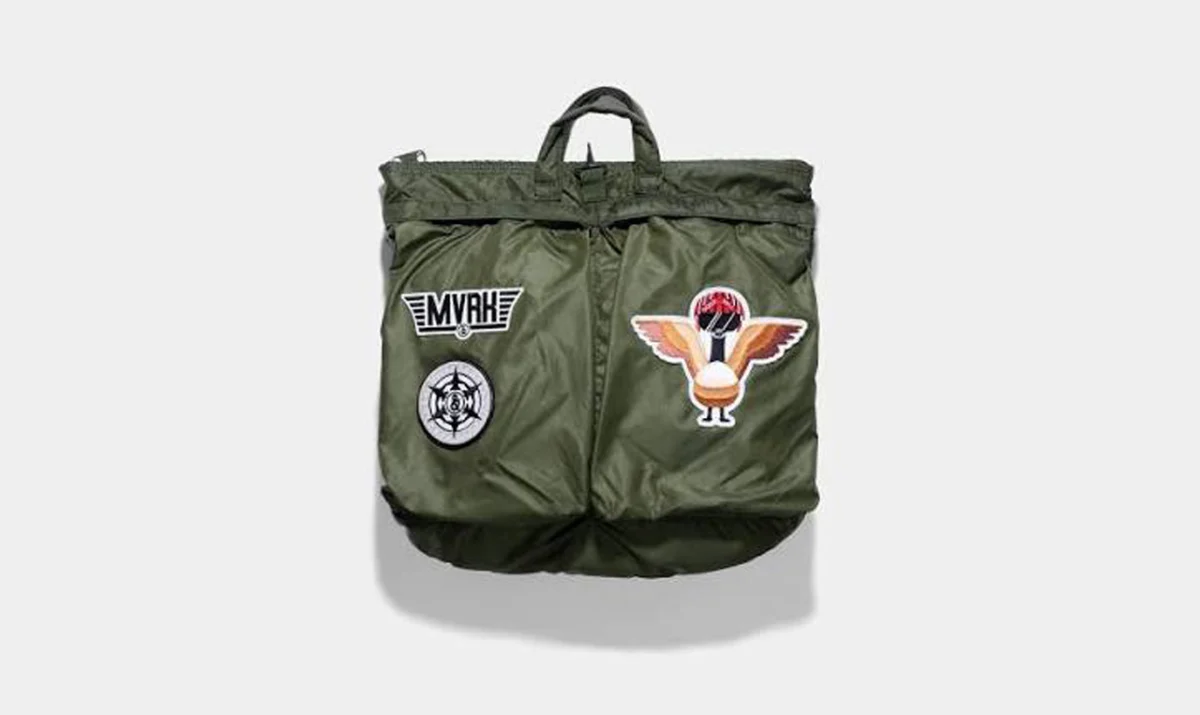
The utilitarian carry industry is built upon a foundation of pragmatic design, born from the rigorous demands of military service and later adapted for the civilian sphere. Among the most enduring and recognizable silhouettes to cross this divide is the military helmet bag. Characterized by its distinctive square geometry, dual exterior pockets, and dual grab handles, the helmet bag has transitioned from a specialized piece of flight gear into a staple of modern menswear and urban commuter culture. Its journey from mid-century aviation logistics to global fashion runways underscores a broader narrative of how military surplus aesthetics became synonymous with high-utility urban fashion.
Origins and Military Genesis: The Jet Age and the Need for Specialized Carry
To understand the genesis of the helmet bag, one must examine the rapid technological advancements in military aviation during the mid-20th century. Following World War II and the advent of the jet age, fighter pilots faced entirely new ergonomic and operational challenges. The introduction of high-speed aircraft meant that pilots required sophisticated life-support systems, most notably rigid, heavy protective helmets equipped with integrated communication gear and oxygen masks.
Prior to the standardisation of dedicated helmet transport, pilots and ground crew lacked a secure, padded, and appropriately sized receptacle to protect expensive and fragile flight helmets from the harsh environments of airbases. The United States military addressed this operational vulnerability in the mid-1950s by introducing the official aviator’s helmet bag.
Designed to protect delicate equipment from moisture, dust, and impact damage, these early bags were typically fabricated from heavy-duty cotton canvas or early nylon weaves. They featured a spacious, boxy main compartment designed to cradle a bulky flight helmet, complemented by two prominent, snap- or Velcro-secured exterior pockets intended to house visors, oxygen masks, spare gloves, and flight documentation. The hardware was robust, featuring heavy brass or aluminum zippers and reinforced stitching designed to withstand the brutal wear and tear of active-duty service on flight lines. By the time the iconic green nylon fabrics and bright orange linings of the post-Vietnam era became standard—matching the reversible interior of the legendary MA-1 flight jacket—the aesthetic architecture of the helmet bag was firmly established.
The Cultural Turning Point: Hollywood and the 1980s Aesthetic Shift
For decades, the helmet bag remained strictly within the purview of military personnel, air force bases, and the occasional surplus store patron. However, the cultural landscape shifted dramatically in 1986 with the theatrical release of Top Gun. Directed by Tony Scott, the film romanticized naval aviation, turning fighter pilots into global pop culture icons and instantly imbuing military-issue gear with unprecedented cool.
The visual language of the film—characterized by aviator sunglasses, leather bomber jackets, and heavy-duty flight gear—sparked a civilian appetite for authentic military aesthetics. While surplus stores had previously catered to a niche demographic of campers, punk musicians, and budget-conscious students, the post-Top Gun era saw mainstream consumers actively seeking out functional military items. The helmet bag, with its distinctive briefcase-meets-tote hybrid energy, began appearing on college campuses and in urban centers. Its unique proportions—wide enough to fit documents, books, and early portable electronics—made it a surprisingly practical everyday carry item for civilians who prized durability over sleek, traditional corporate aesthetics.
The Designer Intervention: Porter-Yoshida & Co. and the Elevation of Utility
While military surplus provided the raw template, the transformation of the helmet bag into a high-fashion commodity was spearheaded by Japanese meticulous design and manufacturing culture. Chief among the brands that recognized the inherent design value of the silhouette was Tokyo-based Porter-Yoshida & Co.
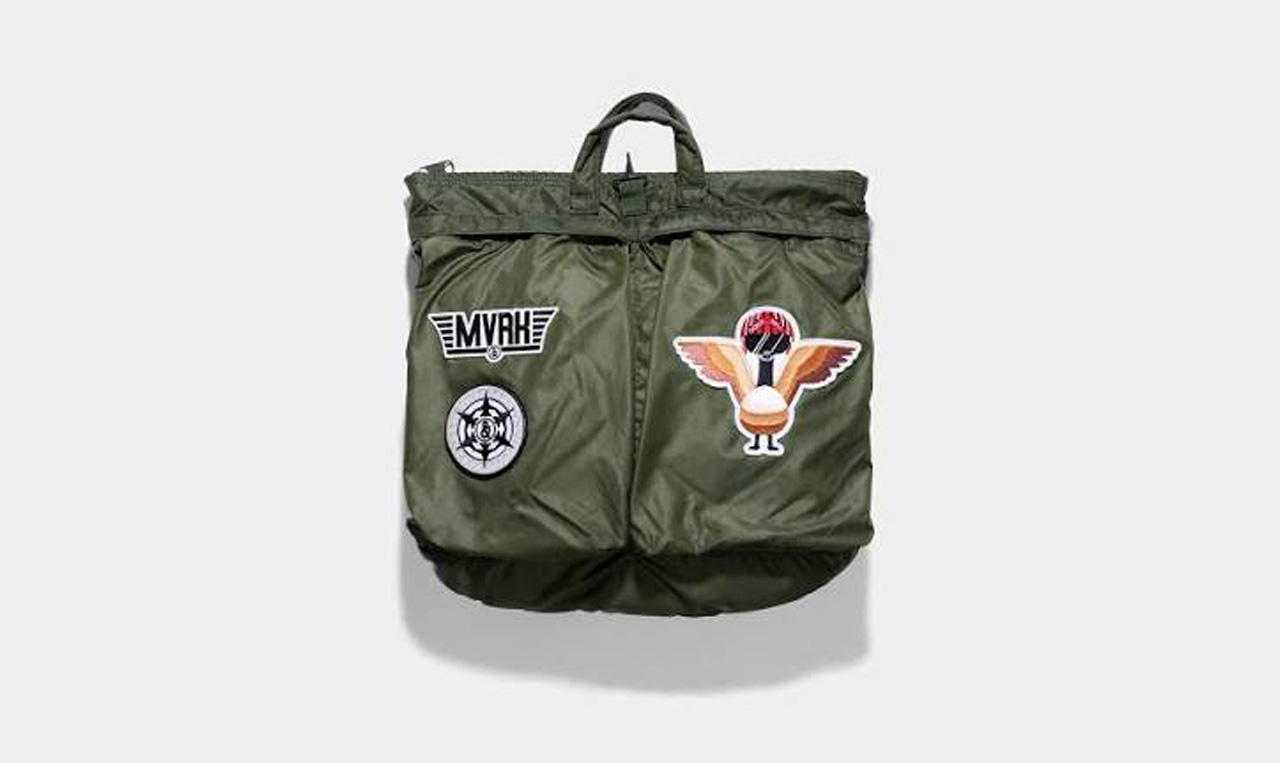
Founded by Kichizo Yoshida in 1935, Porter-Yoshida & Co. had a long-standing reputation for uncompromising craftsmanship under the corporate philosophy of "heart and soul are put into every stitch." In the decades following the military’s development of flight gear, Porter analyzed the DNA of the MA-1 flight jacket and the corresponding helmet bag, culminating in the creation of their legendary Tanker series.
Introduced in 1983, the Porter Tanker line utilized a meticulous three-layer fabric construction: a durable nylon twill exterior, a middle layer of polyester batting, and a vibrant rescue-orange nylon taffeta lining. By applying this luxurious, padded textile to the traditional helmet bag silhouette, Porter elevated a rough-and-ready piece of military equipment into a sophisticated urban accessory. They refined the proportions, added structured stability, and integrated proper crossbody straps and refined interior organization. This Japanese interpretation bridged the gap between raw utilitarianism and high-end fashion, setting a design precedent that would influence global streetwear for the next forty years.
Democratization and Contemporary Adoption: The High-Street Blueprint
As the decades progressed, the design language pioneered by military quartermasters and refined by artisanal Japanese luggage makers trickled down to the fast-fashion and contemporary retail sectors. Major global apparel retailers recognized that the fundamental geometry of the helmet bag—a wide-opening top, dual deep front pockets, and versatile carrying options—offered a superior user experience compared to the standard flat canvas tote.
Most recently, high-street giants such as Uniqlo have embraced the helmet bag blueprint, adapting the silhouette for mass-market consumers. By utilizing modern synthetic blends, weather-resistant coatings, and minimalist color palettes, these brands have stripped away the explicit military connotations while retaining the structural benefits. Consumers today can find iterations of the helmet bag ranging from ultra-luxury leather versions crafted by legacy European fashion houses to affordable, highly functional nylon daily drivers found in suburban shopping malls. This widespread availability speaks to the enduring strength of the original military design: when a product is engineered purely for functional excellence, its form invariably achieves timeless appeal.
Anatomy of a Classic: Design Elements That Defy Decades
The longevity of the helmet bag is rooted in a rare convergence of form and function. Several distinct structural elements define the silhouette and explain its persistent relevance in modern wardrobe rotations:
- The Boxy Central Compartment: Originally dimensioned to fit a spherical flight helmet, the main body offers exceptional volumetric efficiency. Unlike flat totes that bulge awkwardly when loaded, the helmet bag’s gusseted base allows it to maintain a structured profile even when carrying bulky items like laptops, cameras, or extra layers of clothing.
- The Dual Exterior Pockets: The twin bellows pockets on the front face provide immediate, ergonomic access to small essentials. Historically used for quick-stow items like flight logs or spare mask hoses, they naturally accommodate modern EDC (Everyday Carry) items such as smartphones, wallets, chargers, and keys.
- The Dual Grab Handles and Carry Options: Designed to be grabbed quickly by ground crews or pulled from tight cockpit storage spaces, the short twin webbing handles give the bag its signature briefcase aesthetic. However, the subsequent addition of D-rings for detachable shoulder straps transformed it into a true hybrid, allowing it to function seamlessly as a tote, shoulder bag, or crossbody commuter pack.
- Material Integrity: The reliance on high-denier nylon or heavy canvas means the bag offers inherent weather resistance and exceptional tensile strength. Over time, these materials develop a desirable patina, aging gracefully alongside the user.
Broader Impact and Implications for the Carry Industry
The trajectory of the helmet bag offers a compelling case study for designers and brands operating within the modern carry and apparel industries. It demonstrates that the most innovative and enduring products are frequently born not from trend forecasting or focus groups, but from the crucible of extreme utility.
When items are engineered to save lives, withstand G-forces, or protect critical equipment in hostile environments, they inherently possess a structural honesty that resonates with consumers. In an era dominated by fast-moving micro-trends and disposable fashion, the helmet bag stands as a testament to the power of functional design. As urban lifestyles continue to evolve—demanding luggage that transitions effortlessly from the bicycle commute to the creative office and the weekend trip—the blueprint laid down by mid-century military logicians remains as relevant as ever. Whether crafted from military-spec ballistic nylon in Tokyo or weather-treated synthetics for the global mass market, the helmet bag proves that true utility never goes out of style.