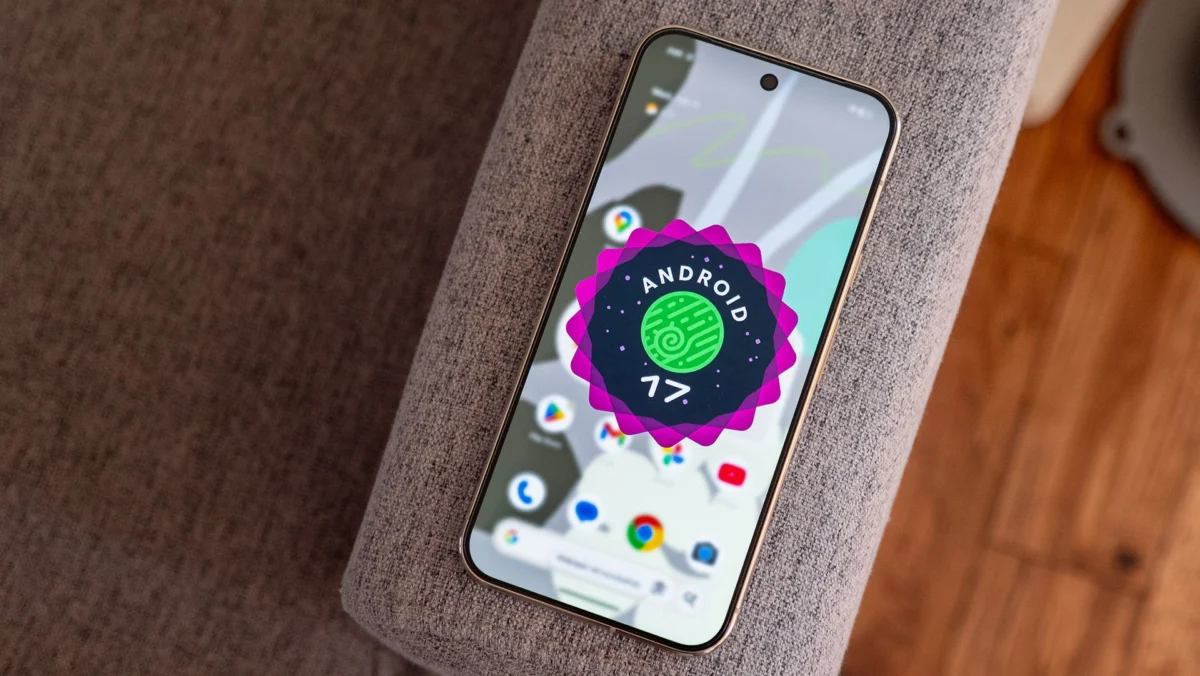











The monthly Google System Release Notes serve as a critical transparency mechanism for the Android ecosystem, providing a centralized ledger for changes affecting billions of devices. These updates encompass Google Play services, the Play Store, and core system components that operate behind the scenes across diverse platforms, including Android smartphones, tablets, Wear OS smartwatches, Google TV, Android Auto, and even specific PC integrations. While many of these updates are technical, ensuring security patches and API stability for developers, a significant portion directly impacts end-user performance, battery optimization, and feature accessibility.
The Mechanism of Google System Updates
To understand the significance of these releases, one must appreciate the modular nature of modern Android. Unlike traditional operating system updates that require a full firmware overhaul from a manufacturer, "Google System" updates are pushed via the Play Store infrastructure. This allows Google to bypass the fragmentation often associated with carrier or OEM delays, ensuring that critical security fixes and feature rollouts reach users in real-time.
For users wishing to verify their current status or check for pending updates, the process is streamlined. By navigating to the Settings application, selecting the "Google services" section—often located at the top of the menu on Pixel devices—and proceeding through the "All services" tab to "Privacy & security" and finally "System services," users can verify their device’s readiness. It is important to note that the appearance of a feature in a changelog does not guarantee immediate availability. Google frequently employs a phased rollout strategy, where new functionalities may take weeks or even months to reach the entire global user base.
Chronology of November 2026 Releases
The most recent cycle has seen two primary updates: Google Play services v26.44 and v26.43, alongside corresponding iterations of the Google Play Store (v54.0 and v53.9). These updates, released during the first week of November 2026, focus heavily on the stability of system management and the refinement of developer-facing services.
November 9, 2026: The v26.44 Deployment
The release of Google Play services version 26.44 marks a continued focus on refining the underlying architecture that supports third-party application integration. This version prioritizes "Developer Services," which includes updates to the underlying APIs that allow apps to communicate securely with Google’s servers. Additionally, "System Management" improvements in this build are designed to reduce background overhead, aiming to extend battery longevity on devices running older or power-constrained hardware.

The corresponding Play Store update, version 54.0, focuses on metadata optimization and search efficiency. For the average user, this translates to faster page loading times within the Play Store interface and more accurate search results when navigating the vast library of available applications.
November 2, 2026: The v26.43 Foundation
Preceding the latest update, version 26.43 established a baseline for security and connectivity. This release was characterized by significant improvements to "Device Connectivity," particularly regarding Bluetooth and Wi-Fi handoffs. By tightening the protocols governing how an Android phone interacts with peripherals—such as headphones, smartwatches, and automotive interfaces—Google has aimed to reduce intermittent connection drops that have historically plagued the ecosystem.
Furthermore, the "Safety & Emergency" components updated in this cycle reflect Google’s ongoing commitment to user protection. These enhancements ensure that critical safety features, such as crash detection and emergency location services, remain resilient against system instability. By decoupling these services from the primary OS, Google ensures that if a user experiences a minor system glitch, the safety-critical features remain active and operational.
Supporting Data and Technical Context
The scale of these updates is immense. With over 3 billion active Android devices worldwide, the deployment of these "Google System" updates represents one of the largest continuous software engineering projects in the technology industry. Each update is tested against thousands of unique hardware configurations, from entry-level budget phones to high-end foldable devices.
According to internal Google engineering metrics, the shift toward a modular update system has reduced the average time-to-patch for critical security vulnerabilities by approximately 40% compared to the pre-modular era. This efficiency is critical in an era where cyber threats are increasingly targeting mobile devices as the primary vector for personal data exfiltration.
The Developer Perspective
For the developer community, the November 2026 releases provide necessary adjustments to the Google Play Services SDK. As mobile applications become more reliant on machine learning and local processing, the APIs included in these system updates allow developers to leverage the NPU (Neural Processing Unit) capabilities of newer chipsets more effectively. By providing these updates via Play Services, Google ensures that even apps built on older versions of Android can access modern hardware acceleration features, effectively bridging the gap between legacy software and modern hardware.

Broader Impact and Industry Implications
The reliance on Google Play Services as a primary delivery vehicle for system updates has profound implications for the mobile industry. First, it diminishes the power of hardware OEMs to gatekeep features. In the past, users were often tethered to their device manufacturer’s update schedule to receive new software capabilities. Today, the "Google System" ensures a parity of experience that is largely uniform across the Android ecosystem.
Second, the transparency provided by these monthly changelogs serves as a barometer for Google’s priorities. By analyzing the frequency of updates in categories like "Wallet," "Connectivity," and "Security," industry analysts can track Google’s strategic pivots. For instance, the consistent updates to the Google Wallet infrastructure throughout late 2026 underscore the company’s aggressive expansion into digital identity, contactless transit, and secure credential storage.
Challenges and Future Considerations
Despite the benefits, the rapid cadence of these updates is not without challenges. Occasionally, a system update may introduce unintended conflicts with proprietary OEM skins (such as Samsung’s One UI or Xiaomi’s HyperOS). While Google maintains strict compatibility standards, the sheer diversity of the Android hardware landscape means that edge-case bugs can occur.
Furthermore, as Google continues to migrate more OS-level functions into Play Services, the size and complexity of these packages increase. This raises questions regarding the long-term impact on storage space for low-cost devices with limited internal memory. Google has responded to these concerns by implementing sophisticated differential updates—where only the changed bits of a file are downloaded—minimizing the bandwidth and storage footprint required for each release.
Conclusion: A Dynamic Ecosystem
The November 2026 Google System updates are a testament to the maturation of the Android platform. By focusing on granular, modular improvements, Google has successfully transformed the mobile experience into a living product that evolves monthly rather than annually. As users continue to rely on their devices for increasingly sensitive tasks—from banking and health monitoring to home automation—the stability and security provided by these background updates become ever more essential.
For the end user, the best practice remains simple: keep the device updated through the settings menu, monitor for any anomalies, and trust that these silent, invisible updates are working to maintain the integrity and functionality of the device. As we look toward the remainder of the year and into 2027, it is clear that the "Google System" will continue to be the primary engine driving innovation and security within the Android ecosystem, ensuring that the platform remains competitive, secure, and highly functional in an ever-changing technological landscape.