






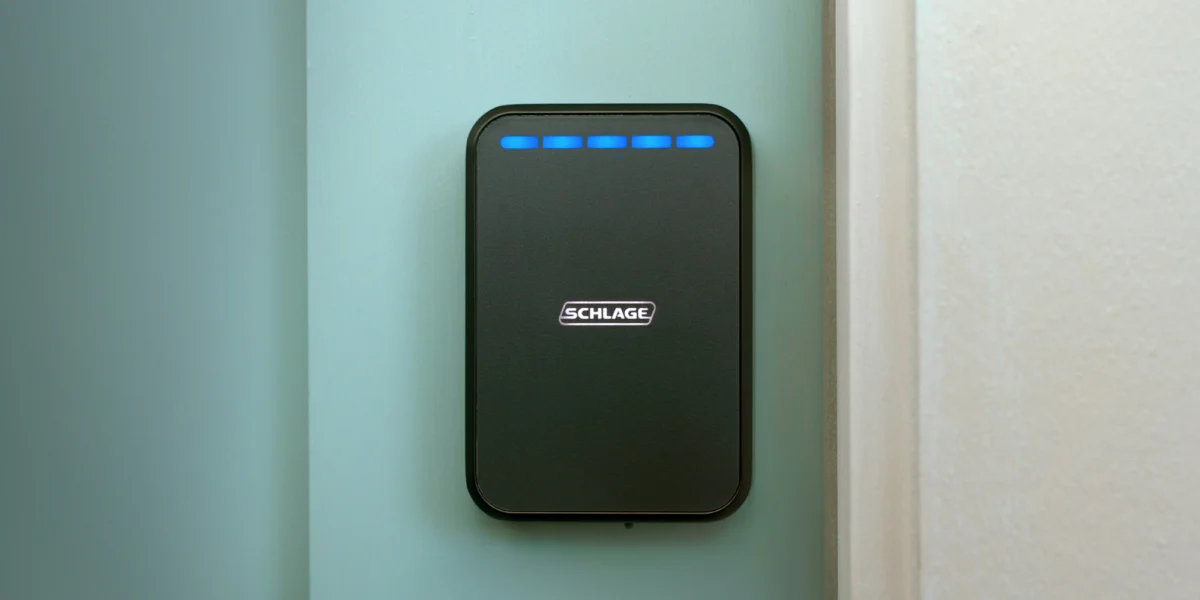
The landscape of home security is undergoing a significant transformation as Schlage officially prepares to release its flagship Sense Pro smart deadbolt on June 29. This launch marks a pivotal moment for the smart home industry, as the device becomes only the second consumer-facing smart lock to integrate Ultra Wideband (UWB) technology for Apple Home environments. By leveraging precise spatial awareness, the Sense Pro aims to resolve the long-standing reliability issues that have historically plagued proximity-based access systems, setting a new benchmark for convenience and security in residential entryways.
A New Era of Proximity-Based Access
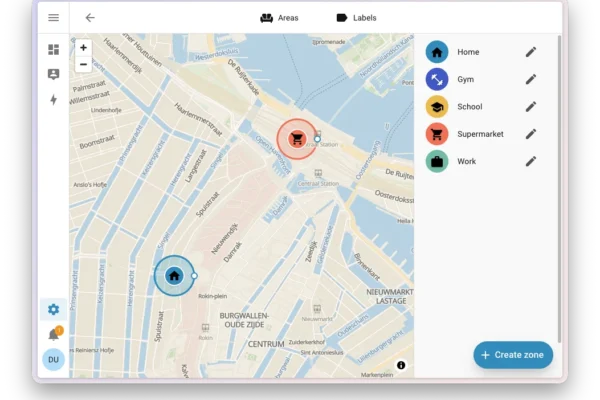
For nearly a decade, the smart lock market has struggled to perfect the "auto-unlock" experience. Early iterations of smart deadbolts relied heavily on Bluetooth Low Energy (BLE) or geofencing—a method that uses GPS to track a user’s approximate location. These technologies were frequently criticized for their latency and inaccuracy. Users often found themselves standing on their porch for several seconds waiting for a connection to establish, or conversely, having their doors unlock prematurely while they were merely walking past the exterior of their home.
Ultra Wideband (UWB) fundamentally changes this dynamic. Unlike Bluetooth, which estimates distance based on signal strength (a metric easily influenced by physical obstacles like walls or furniture), UWB measures the time-of-flight of radio pulses between devices with centimeter-level precision. This allows the lock to distinguish between a user simply walking near their house and a user actively approaching the door with the intent to enter. The integration of this technology into the Schlage Sense Pro represents a shift toward "intent-aware" home automation, where the infrastructure of the house adapts to human behavior in real-time.
Chronology of Development and Market Entry
The path to the Schlage Sense Pro’s launch has been marked by a deliberate rollout strategy. The device was first unveiled during the Consumer Electronics Show (CES) in January 2025, where it drew significant attention for its technical specifications and compatibility standards. Following the initial announcement, industry analysts monitored the product’s certification process, specifically regarding its integration with the Apple Home ecosystem and the Matter smart home standard.
Throughout the spring of 2025, Schlage conducted beta testing phases to refine its proprietary "Converge" technology. This software layer is responsible for the complex calculations of speed, trajectory, and motion that the lock performs before initiating an unlock command. With the official launch date set for June 29, 2025, the company has concluded its final manufacturing validation, positioning the product as a high-end alternative to existing UWB-enabled options currently on the market, such as the Aqara U400.
Technical Specifications and Ecosystem Synergy
The Schlage Sense Pro is positioned as a premium offering, with a suggested retail price of $399. While this represents a significant premium over the $269 price point of the Aqara U400, the Sense Pro justifies its cost through a suite of advanced features aimed at long-term reliability and ecosystem interoperability.
Key technical highlights include:
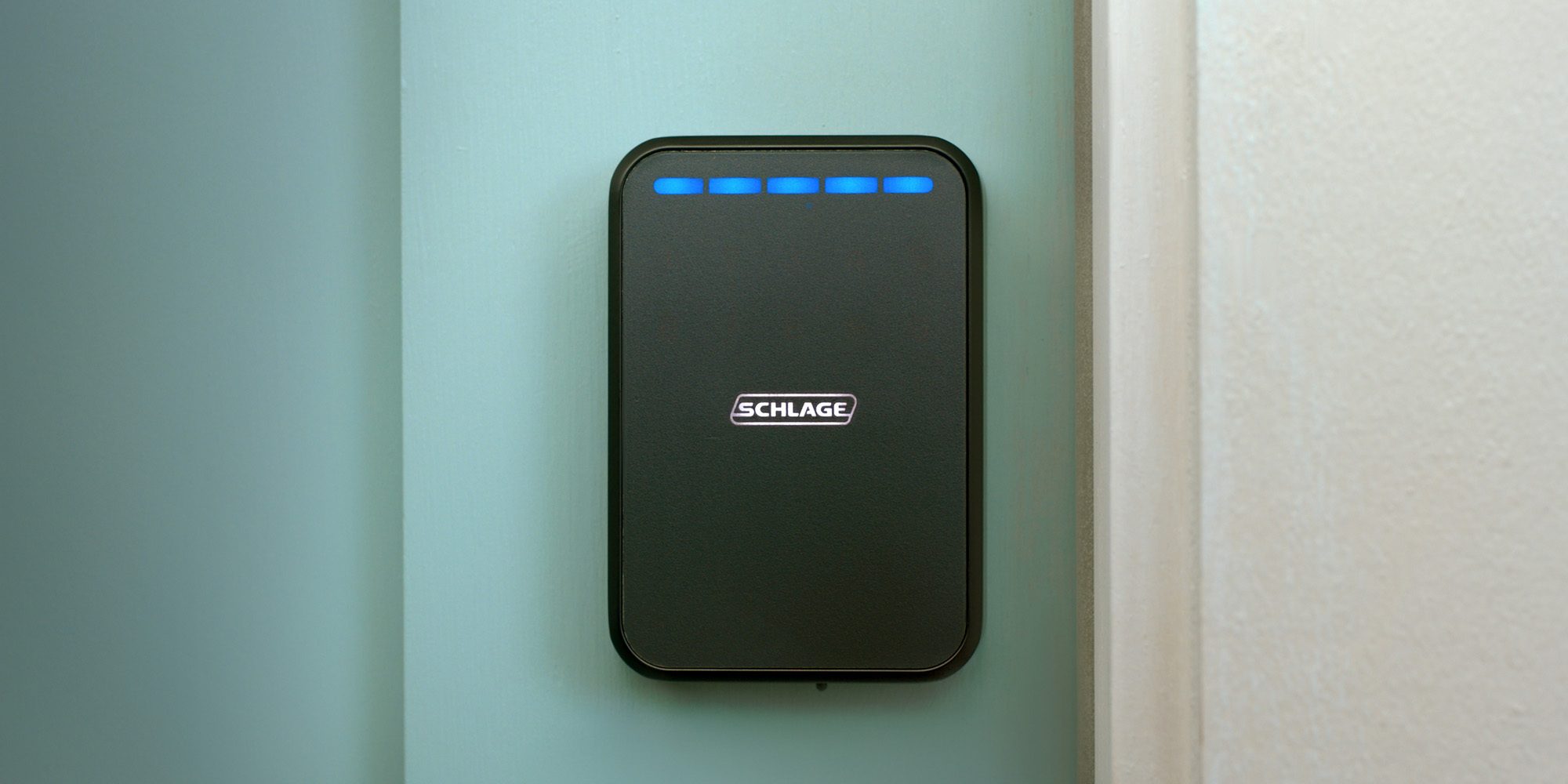
- Schlage Converge Technology: A sophisticated algorithm that processes spatial data to ensure the deadbolt disengages exactly when the user reaches the handle.
- Matter over Thread Support: By supporting the Matter standard, the lock ensures it is future-proof, allowing it to function across various smart home platforms, including Google Home, Amazon Alexa, and Samsung SmartThings, in addition to its deep integration with Apple Home.
- Aliro Compatibility: The lock is designed to work with the Aliro communication protocol, which is rapidly becoming the industry standard for secure, interoperable digital keys across different smartphone operating systems.
- Battery Efficiency: Despite the high power demands of UWB radio processing, the Sense Pro is rated for up to six months of battery life, mitigating the inconvenience of frequent maintenance.
Official Positioning and Industry Implications
In its formal announcement, Schlage emphasized the security-first philosophy behind the Sense Pro. According to company representatives, the development of the Converge technology was not merely about speed, but about "trusted security." By requiring a secure handshake between the iPhone or Apple Watch and the lock, the system ensures that the convenience of hands-free entry does not come at the expense of unauthorized access.
The arrival of a second UWB-enabled lock in the Apple Home ecosystem signals a broader trend toward the maturation of the smart home. As Apple continues to push the "Home Key" feature within the Wallet app, hardware manufacturers are increasingly incentivized to adopt UWB. This creates a virtuous cycle: as more locks adopt the technology, more users are likely to adopt digital keys, which in turn drives further innovation in lock design.
Market Analysis: The Premium vs. Value Segment
The $399 price point of the Schlage Sense Pro places it firmly in the premium segment of the market. Industry analysts suggest that this pricing strategy reflects the brand’s legacy as a trusted name in physical hardware and mechanical security. While budget-conscious consumers may opt for the Aqara U400, Schlage is targeting the demographic that values brand reputation and potentially superior mechanical durability.
The implication for the broader market is clear: UWB is transitioning from a niche "bleeding-edge" feature to a standard expectation for premium smart home devices. Over the next 18 to 24 months, it is highly probable that other major manufacturers will follow suit, eventually driving the cost of UWB components down and making this technology accessible to a wider array of price points.

The Role of Matter and Interoperability
Perhaps the most significant aspect of the Sense Pro is its commitment to the Matter over Thread standard. The "fragmentation" of the smart home market has long been a barrier to mass adoption, with users frequently frustrated by devices that only work within a specific manufacturer’s walled garden. By adopting Matter, Schlage is acknowledging that modern consumers prioritize a "unified" home experience.
Thread, the low-power mesh networking protocol used by the Sense Pro, also offers distinct advantages. Unlike Wi-Fi-based smart locks, which can drain batteries rapidly and cause congestion on a home network, Thread devices create their own self-healing network. This ensures that the lock remains responsive even if the primary home Wi-Fi router experiences intermittent issues. For a device as critical as a front door lock, this level of network resilience is essential.
Security and Privacy Considerations
With any device that connects a physical deadbolt to the internet, security remains the primary concern for consumers. Schlage has stated that all UWB and digital key communication is encrypted and processed locally. By utilizing the Secure Element within the Apple iPhone and Apple Watch, the Sense Pro avoids the risks associated with cloud-based authentication.
The "intent-to-enter" calculation performed by the Converge system happens locally on the device hardware. This is a critical distinction, as it prevents external parties from intercepting location data that could otherwise be used to profile a user’s habits. In an era of increasing data privacy awareness, this hardware-level security is likely to be a major selling point for privacy-conscious homeowners.

Future Outlook for Smart Access
As the June 29 launch approaches, the release of the Schlage Sense Pro will be closely watched by developers and competitors alike. If the lock successfully delivers on its promise of "it just works" convenience without the pitfalls of earlier proximity systems, it will likely accelerate the adoption of UWB across the entire smart home category.
Looking forward, the industry is expected to move toward even more seamless integration, where the smart lock acts as the central hub for home arrivals. Future firmware updates may allow the Sense Pro to trigger complex "scenes"—such as adjusting interior lighting, setting the thermostat, and disarming the security system—the moment the door is unlocked, creating a truly automated environment.
For now, however, the focus remains on the foundational task of home entry. With the Schlage Sense Pro, the industry is taking a significant step toward a world where physical keys are an relic of the past, replaced by a sophisticated, secure, and intuitive digital experience that respects both the user’s time and the safety of their home. As market adoption grows, consumers can expect the competitive landscape to intensify, ultimately leading to more robust, reliable, and intelligent solutions for residential security.