











The recent dual release of HackerTube and TristanTube by AI researcher Andrej Karpathy serves as a potent case study for the accelerating capabilities of AI-augmented software engineering. By leveraging Anthropic’s Claude 3.5 Opus model and the recently introduced Claude Code agentic tool, Karpathy successfully executed complex data-processing projects in a matter of hours—tasks that would have traditionally required weeks of planning, manual coding, and infrastructure management. This development underscores a paradigm shift in the software industry, where individual developers can now act as full-stack teams, utilizing large language models (LLMs) to bridge the gap between conceptualization and deployment.
The Genesis of HackerTube: A Data-Driven Curation Experiment
HackerTube represents a significant departure from contemporary content recommendation engines, which are frequently criticized for prioritizing high-click-through-rate engagement over qualitative relevance. Karpathy, a founding member of OpenAI and a former director of artificial intelligence at Tesla, sought to solve a persistent frustration among the Hacker News community: finding high-quality, intellectually stimulating video content that has been vetted by peers.
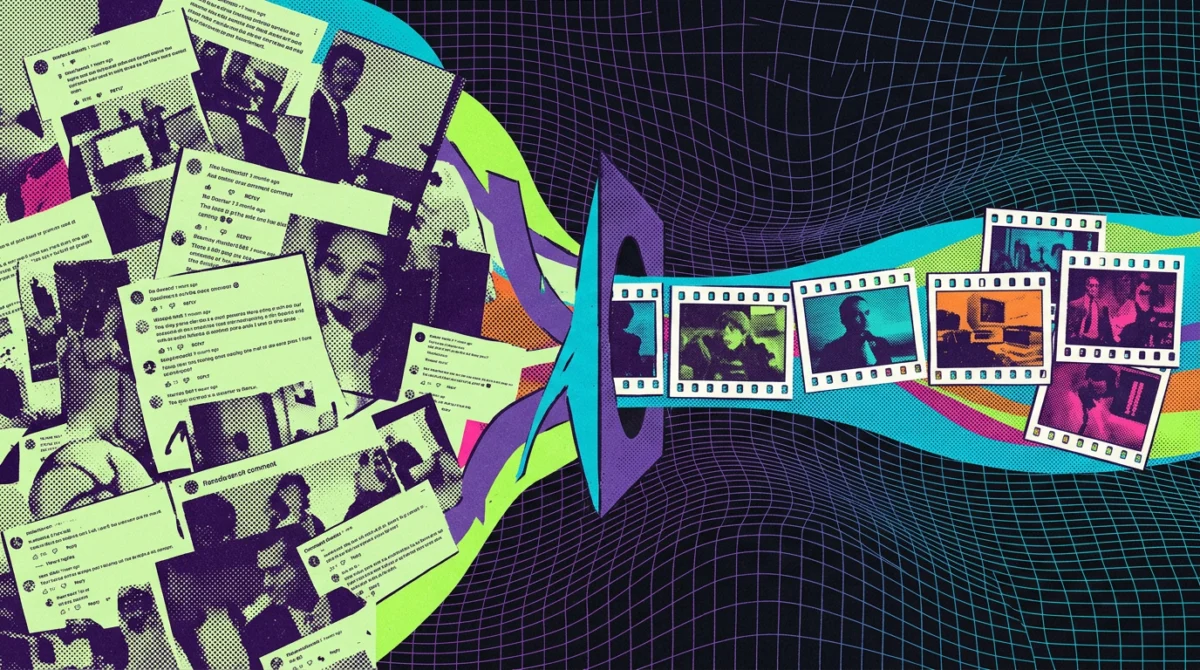
The project involved an exhaustive ingestion process, utilizing the wealth of metadata provided by 43 million comments harvested from two decades of Hacker News history. By analyzing this massive dataset, Karpathy instructed Claude to identify recurring links to video content that gained significant traction or discussion within the community. The result is a curated repository of 6,454 videos that, according to Karpathy, offer a significantly higher signal-to-noise ratio than standard YouTube algorithmic recommendations.
From a user experience standpoint, the site is designed for minimalism and speed. It eschews the intrusive design patterns common in modern web development, such as mandatory logins, persistent pop-ups, or performance-sapping tracking scripts. Instead, the interface displays a single mid-video frame—a "static" thumbnail that avoids the sensory overload of animated previews—and handles state management entirely on the client side. This approach highlights a growing trend among veteran engineers toward "sober" web design, prioritizing accessibility and privacy over the "attention economy" metrics that define corporate platforms.
Chronology of Development: From Concept to Deployment
The speed at which these projects were realized is perhaps their most noteworthy attribute. According to documentation shared by Karpathy on social media, the development lifecycle was compressed into a single weekend.

The process began with the data aggregation phase, where the model was tasked with parsing the historical Hacker News dataset. Once the dataset was cleaned and structured, the implementation phase utilized Claude 3.5 Opus to generate the necessary front-end and back-end code. Karpathy noted that his manual interventions were limited to high-level architectural decisions, securing the necessary Google Cloud API keys, and managing the server-side deployment.
Following the successful launch of HackerTube, Karpathy demonstrated the reproducibility of his workflow by building "TristanTube." This second project, which cataloged approximately 47,000 videos from a curated list provided by developer Tristan Hume, was completed in a mere three minutes of active development time using "Claude Code." This jump from a weekend-long project to a three-minute deployment signals a dramatic increase in the efficiency of agentic coding tools.
Implications for Modern Software Engineering
The implications of Karpathy’s work extend far beyond the niche utility of video aggregators. The ability of a single developer to leverage LLMs to handle data engineering, database schema design, and interface deployment suggests a democratization of software development that is unprecedented.
Traditionally, a project involving 43 million data points would require a dedicated team of data engineers, backend developers, and DevOps specialists to manage the infrastructure, optimize the database queries, and ensure server-side stability. By automating these roles, Karpathy has illustrated that the primary bottleneck in software development is shifting from the ability to write syntax to the ability to define requirements and oversee system architecture.
Industry analysts suggest that this workflow, often termed "AI-augmented software development," could lead to a significant surge in the number of "micro-SaaS" and bespoke digital tools. When the cost of development (in terms of time and human labor) approaches near-zero, the threshold for creating specialized, high-utility software drops significantly. This could lead to a resurgence of the "Indie Web," where personal projects and community-specific tools become the primary mode of digital consumption, challenging the dominance of monolithic, ad-supported platforms.
Data-Driven Curation vs. Algorithmic Optimization
A central theme in Karpathy’s recent experiments is the rejection of black-box algorithms. YouTube’s recommendation engine is notoriously optimized for "watch time"—a metric that often favors sensationalist content or inflammatory rhetoric. In contrast, the HackerTube model is based on "human-validated" curation. By using Hacker News comments as a proxy for quality, Karpathy has created a filter that respects the intellectual interests of the site’s user base.

The success of this approach provides a template for future content discovery tools. By using LLMs to perform sentiment analysis or topic modeling on large-scale historical discussions, developers can build recommendation engines that are transparent, reproducible, and specifically tuned to the values of their target communities. This marks a pivot toward "curated AI," where the model acts as a librarian rather than a manipulator of user behavior.
Responses and Technical Reception
The reception within the engineering community has been overwhelmingly positive, though it has also sparked a broader discussion regarding the future of the developer role. Critics of the "AI-first" approach often point to the risks of technical debt—where LLMs generate code that is difficult to maintain or secure—but Karpathy’s ability to successfully deploy functional, performant tools suggests that these agents are becoming increasingly adept at adhering to industry best practices.
Anthropic’s Claude 3.5 Opus has emerged as a clear leader in this space, with its long context window and advanced reasoning capabilities allowing it to handle complex, multi-step tasks without losing the thread of the project requirements. The "Claude Code" tool, which allows the model to interact directly with the file system and development environment, is being viewed as a critical milestone in the transition from "code completion" tools to "autonomous agentic" assistants.
Broader Impact on the Tech Landscape
As these tools become more accessible, the barriers to entry for software entrepreneurship are lowering. The traditional "MVP" (Minimum Viable Product) stage, which once took months of iterative development, is now being condensed into hours. This acceleration will likely have a disruptive effect on both the startup ecosystem and the traditional enterprise software market.
Companies are already beginning to integrate these agentic coding assistants into their internal workflows, aiming to reduce the lead time for feature deployment. However, the true transformation lies in the potential for individual contributors to build and maintain complex systems that were previously the domain of large engineering organizations.
In conclusion, Karpathy’s HackerTube and TristanTube projects are not merely interesting side projects; they are indicators of a profound transformation in how software is conceptualized and built. By stripping away the manual drudgery of the coding process, the integration of LLMs allows for a focus on high-level architecture and curation. As these tools continue to evolve, the distinction between a "software engineer" and a "product designer" will continue to blur, placing more power in the hands of the individual to shape the digital landscape according to their own preferences and community needs. Whether this leads to a healthier, more diverse web or simply a higher volume of transient tools remains to be seen, but the trajectory is clear: the era of AI-orchestrated development has arrived.