










Orangetheory Fitness has officially announced a significant evolution in its studio technology stack with the launch of "OTconnect for Apple Watch," a native integration that allows members to sync their personal wearable devices directly with the company’s proprietary performance-tracking ecosystem. Starting October 23, members can bypass the need for external heart rate monitors or legacy adapters, integrating their Apple Watch data directly into the studio’s signature high-intensity interval training (HIIT) displays.
This integration marks a strategic shift for the fitness franchise, which has historically relied on specialized, proprietary hardware to maintain the integrity of its data-driven workout model. By transitioning to a software-based connection, Orangetheory is aligning itself with the broader "bring your own device" (BYOD) trend currently dominating the boutique fitness landscape.
A New Era for Studio Connectivity
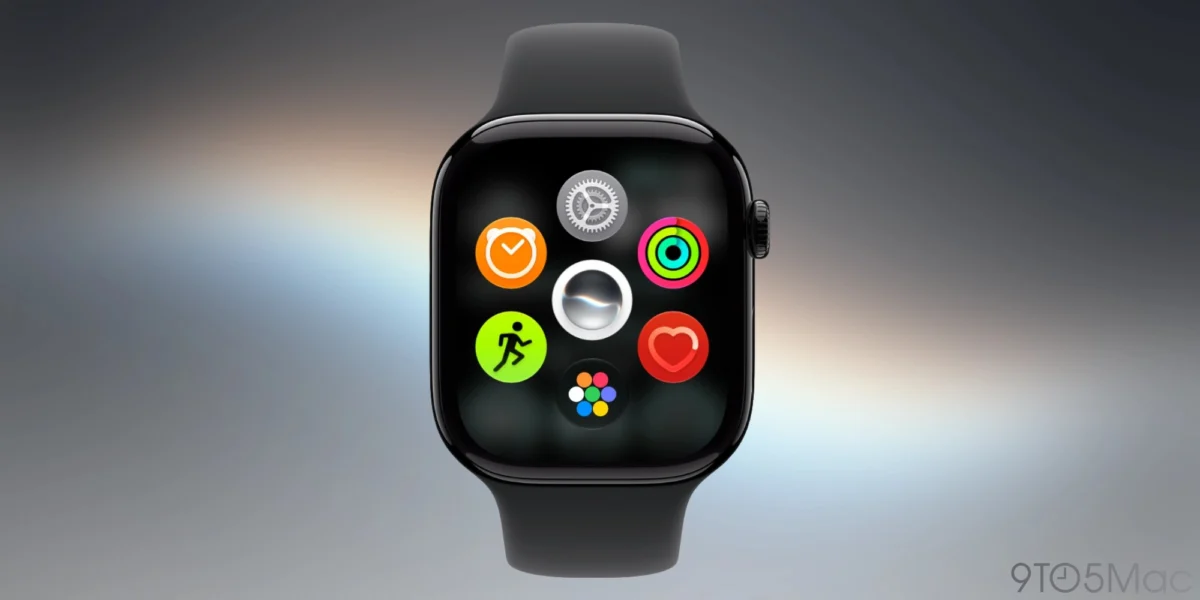
The core functionality of OTconnect for Apple Watch is designed to streamline the pre-class experience. Once a member pays the one-time $99 activation fee, they gain the ability to sync their Apple Watch with the in-studio OTconnect system. During the workout, the watch screen will display essential metrics—including real-time heart rate, heart rate zones, calories burned, and the brand’s proprietary "Splat Points"—directly on the user’s wrist.
This feature ensures that members who are accustomed to the granular data tracking of the Apple ecosystem do not have to compromise on functionality while under the guidance of an Orangetheory coach. Upon completion of the class, the performance summary is pushed to the Apple Watch, while more detailed analytics and longitudinal performance trends remain accessible through the central Orangetheory Fitness mobile application and follow-up email reports.
Chronology of Orangetheory’s Wearable Strategy
Orangetheory’s relationship with Apple hardware has been a decade-long journey of experimentation and refinement. In the early days of the brand’s meteoric rise, members were almost exclusively required to purchase or rent the company’s branded OTbeat heart rate monitors.
In December 2019, the company made its first major move toward integration with the launch of the "OTbeat Link." This device was a dedicated hardware accessory that clipped onto an Apple Watch band, acting as a bridge between the watch and the studio’s proprietary systems. While innovative for its time, the OTbeat Link was met with mixed reviews regarding battery life and hardware bulkiness. By 2022, the company quietly discontinued the product, signaling a pivot in its technological roadmap.

The intervening two years saw a period of quiet development, likely aimed at leveraging modern watchOS capabilities to remove the need for external bridges. The launch of OTconnect represents the culmination of this transition, moving from external hardware dependencies to a seamless, software-driven native application.
Technical Requirements and Compatibility
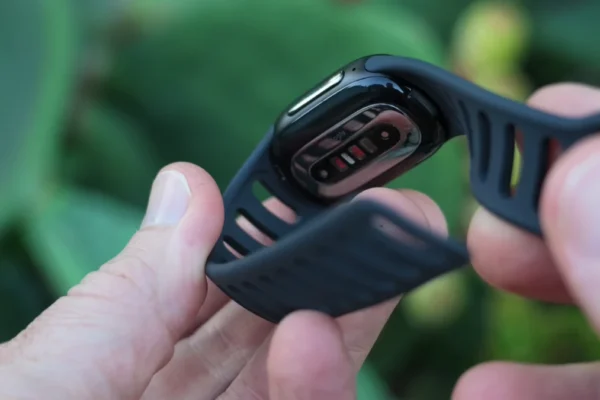
The implementation of this system is not universal across all Apple hardware. To ensure optimal performance and data synchronization, the company has established strict requirements. Users must be running watchOS 11.6 or later. Regarding hardware, the feature is limited to the Apple Watch Series 6 and newer models, the Apple Watch SE (all generations), and the Apple Watch Ultra series.
This hardware threshold suggests that the integration relies on advanced sensors and processing power introduced in recent iterations of the device, particularly in how the watch handles continuous high-intensity heart rate monitoring without significantly compromising battery life.
Economic Implications and Bundled Value
The $99 fee represents a departure from the traditional subscription-based model often seen in digital fitness. By structuring this as a one-time charge, Orangetheory is positioning the service as a "lifetime upgrade" for its members. To bolster the value proposition of this entry price, the company has bundled the purchase with two months of free access to both Apple Music and Apple Fitness+.
From a business standpoint, this move serves several purposes. First, it reduces the friction associated with managing inventory for physical heart rate monitors at the studio level. Second, it enhances member retention; once a user has integrated their Apple Watch into the Orangetheory ecosystem, the "switching cost" to another gym becomes significantly higher, as their workout history and data are deeply embedded within the Orangetheory platform.
Market Context and Competitive Landscape
The fitness industry has seen a massive consolidation of tracking technologies. Companies like Peloton, Tonal, and F45 have all struggled with the challenge of either building a "walled garden" of proprietary hardware or embracing the open ecosystems provided by Apple, Google, and Garmin.
Orangetheory’s decision to embrace the Apple Watch—the world’s most popular wearable—is a pragmatic admission of the device’s dominance. By integrating with the Apple ecosystem, Orangetheory is effectively offloading the hardware R&D burden to Apple, allowing the gym to focus on its core competency: the delivery of coached, data-driven group fitness sessions.

Industry analysts suggest that this shift could lead to an increase in attendance among "data-conscious" fitness enthusiasts. For many members, the ability to close their Apple Watch "rings" while simultaneously accumulating Splat Points is a significant psychological motivator. Previously, these two data sets existed in silos; with the new integration, the user experience becomes unified.
Implications for the Future of Boutique Fitness
Looking ahead, the success of OTconnect will likely depend on the stability of the synchronization. High-intensity workouts are notoriously demanding on Bluetooth and sensor connectivity. If the connection proves robust, other boutique fitness chains may be pressured to follow suit, potentially leading to a standardized protocol for third-party gym hardware integration.
Furthermore, this move may pave the way for more advanced health features. With the Apple Watch’s increasing capability to track metrics like blood oxygen levels, VO2 max, and sleep recovery, there is potential for Orangetheory to eventually incorporate these wellness markers into its coaching recommendations. Imagine a scenario where the studio system suggests a lower-intensity workout based on a member’s poor sleep score or high resting heart rate recorded by their Apple Watch the previous night.
Conclusion and Official Stance
While the company has not released specific user-adoption targets, the rollout is expected to be immediate across most global studios. The move is framed by the company as a "proprietary connected technology platform" upgrade, emphasizing that while the hardware is Apple’s, the intelligence and data interpretation remain uniquely Orangetheory.
As the company enters this new phase of digital maturity, the $99 fee will serve as an interesting test case for the viability of one-time digital service fees in an industry that is increasingly moving toward recurring monthly SaaS (Software as a Service) models. For now, members are gaining a more streamlined, personalized experience that keeps their data where they want it—on their wrist—while maintaining the community-driven, high-energy atmosphere that defines the Orangetheory brand.
For the millions of members who rely on the Apple Watch for their daily health tracking, the October 23 launch marks a long-awaited resolution to the friction of managing two separate tracking systems. It is a clear signal that the future of boutique fitness is no longer about owning the hardware on the user’s wrist, but rather owning the experience that connects that hardware to the physical studio floor.