The Evolution of the Smart Commute
Public transit schedules are notoriously unpredictable. Whether due to signal failures, traffic congestion, or staffing shortages, a 30-minute train ride can easily stretch into an hour. Standard time-based alarms are ineffective in these scenarios; if a train is delayed, an alarm set for 8:30 AM might wake a passenger miles away from their destination. Sleep&Arrive solves this by utilizing the Global Positioning System (GPS) sensors integrated into modern Wear OS devices.
By setting a "wake-up radius," users can dictate exactly how much lead time they need before reaching their stop. A user on a short bus route might set a tight 500-meter radius, while someone on a long-distance commuter rail might prefer a two-kilometer warning to allow themselves time to fully shake off sleep and gather their belongings. This flexibility is a direct response to the "messy" nature of urban transit, where the environment is constantly shifting.

Technical Implementation and Wear OS Integration
The decision to focus on Wear OS as a primary delivery platform is a strategic one. While smartphones have had location-based reminder capabilities for years, they are often impractical for a sleeping commuter. A phone tucked in a pocket or bag may not be heard, and a loud audio alarm can be disruptive and embarrassing in a quiet train car.
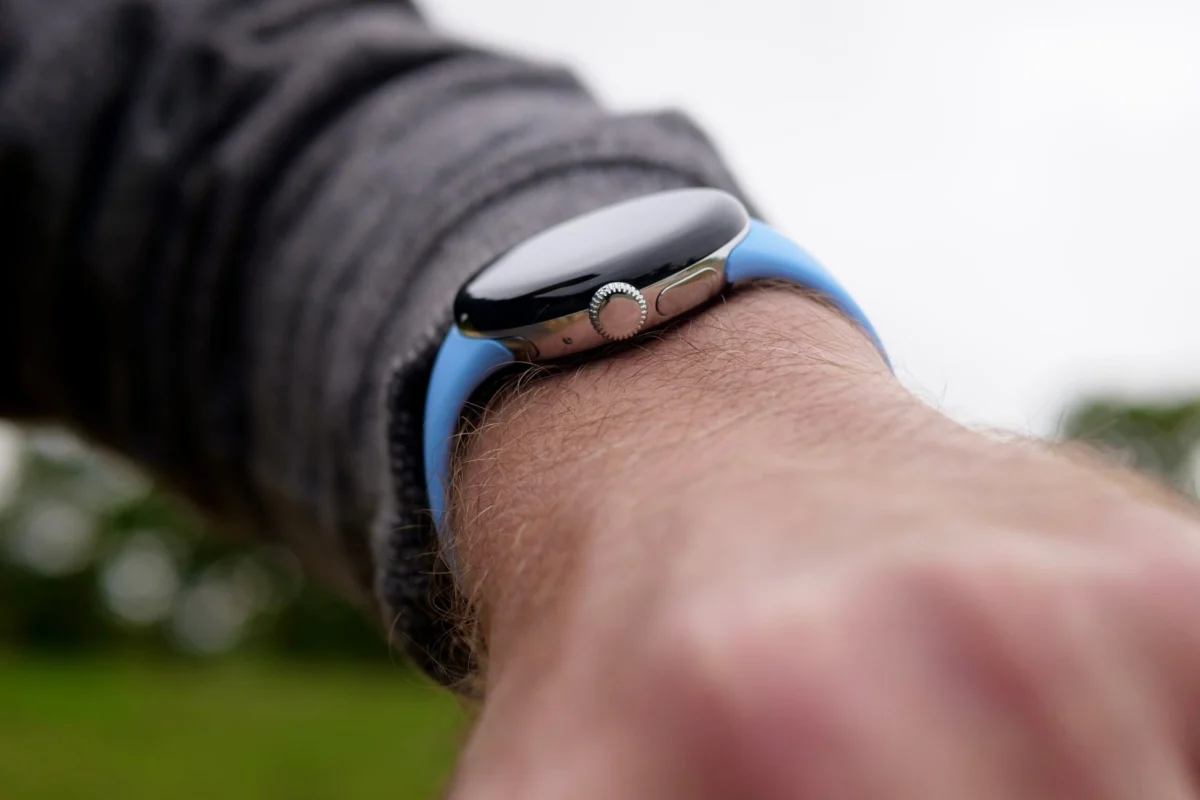
By offloading the primary alert to a smartwatch, Sleep&Arrive utilizes haptic feedback—strong, rhythmic vibrations on the wrist—to wake the user discreetly. This "silent" alarm ensures that only the wearer is notified. Furthermore, the app includes a fail-safe mechanism: if the Wear OS device does not detect a response from the user within a set timeframe, it can trigger a secondary alert on the paired smartphone. This multi-layered approach addresses the concerns of "heavy sleepers" who might sleep through subtle vibrations.
Feature Set: Beyond the Basic Alarm
The application enters the market with a tiered model, offering a robust free version alongside premium features for power users. The core functionality, which remains free, includes:

- Location-Based Tracking: Real-time monitoring of the user’s position relative to their destination.
- Smartwatch Syncing: Seamless communication between the Android handset and the Wear OS wearable.
- Customizable Alarms: Ability to set specific vibration patterns and radii.
For users seeking a more comprehensive experience, the paid tier introduces advanced tools designed for complex journeys. This includes support for offline maps, which is crucial for commuters traveling through tunnels or areas with poor cellular reception where data-heavy map loading might fail. Additionally, the premium version offers spoken weather updates upon waking, helping users prepare for the "last mile" of their commute, and more aggressive alarm shut-off options that require physical movement or complex interactions to ensure the user is fully awake.
Addressing the Reliability Gap: GPS and System Constraints
Despite the promise of the technology, the developers of Sleep&Arrive have been transparent about the inherent limitations of mobile operating systems. GPS technology, while highly accurate in open areas, can struggle in "urban canyons" surrounded by skyscrapers or in deep underground subway systems. To counter this, the app includes an estimation feature that predicts progress based on the last known velocity and direction when a GPS signal is lost.
Furthermore, Android’s aggressive power management features—often referred to as "Doze mode"—can sometimes terminate background processes to save battery life. Sleep&Arrive requires users to manually whitelist the app from battery optimization settings to ensure the location tracking remains active throughout the journey. The app also includes a "low battery" safety alert, which notifies the user if their device’s power levels drop too low to reliably sustain the tracking service until the destination is reached.

Privacy and Data Sovereignty
In an era where location data is a highly sought-after commodity for advertisers, the developer of Sleep&Arrive, MFRKNDGN Software, has taken a firm stance on user privacy. The application is designed to process location data locally on the device. Unlike many transit apps that upload user movement patterns to the cloud for "traffic analysis" or "service improvement," Sleep&Arrive keeps the coordinates and route history within the encrypted storage of the user’s own phone and watch. This "privacy-by-design" approach is likely to appeal to privacy-conscious users who are wary of being tracked by third-party brokers.
The Broader Impact on Commuter Health
The introduction of such tools comes at a time when "commuter fatigue" is being recognized as a public health concern. According to data from various transit authorities and urban planning institutes, the average one-way commute in major metropolitan areas like New York, London, and Tokyo now exceeds 45 minutes. Chronic sleep deprivation among commuters has been linked to decreased productivity, increased stress levels, and higher risks of cardiovascular issues.
By providing a reliable way to rest during transit, Sleep&Arrive and similar technologies could potentially improve the quality of life for the "super-commuter" demographic. While a 20-minute nap on a train is not a substitute for a full night’s sleep, "power napping" has been scientifically proven to improve alertness and cognitive function for several hours afterward.

Competitive Landscape and Future Outlook
While Google Maps and Apple Maps offer "start navigation" features that can notify users when they are approaching a stop, these features are often buried within menus and are not optimized for sleeping users. They typically rely on a single notification that can easily be missed. Sleep&Arrive differentiates itself by being a dedicated tool for this specific use case, offering persistent alarms and specialized haptic patterns.
Looking ahead, the developer has signaled that Spotify integration is on the immediate roadmap. This would allow users to wake up to their preferred music or podcasts, further customizing the waking experience. There is also potential for integration with smart city infrastructure; as "connected transit" becomes more common, apps like Sleep&Arrive could eventually receive direct data feeds from trains and buses regarding delays, providing even more accurate wake-up windows.
Conclusion: A Tool for the Modern Traveler
Sleep&Arrive represents a practical application of wearable technology that addresses a universal human problem: the need for rest in a fast-paced, mobile world. By combining the precision of GPS with the intimacy of wrist-based haptics, the app offers a safety net for the weary traveler.

The success of the platform will ultimately depend on its ability to navigate the technical hurdles of Android’s background restrictions and the inherent volatility of GPS signals. However, for the millions of people who spend a significant portion of their lives on rails and roads, the ability to close their eyes with the confidence that they will be woken up exactly when—and where—they need to be is a welcome advancement in the Wear OS ecosystem. As urban centers continue to expand and commute times grow, the "transit alarm" may move from a niche utility to an essential component of the digital toolkit for the modern citizen.