










Tesla has officially rolled out version 26.11.0 of its Robotaxi application, introducing a comprehensive vehicle selection interface designed to provide users with critical transit metrics before they confirm a booking. The updated software presents estimated arrival times, projected wait times, and real-time vehicle availability on a single, unified screen. This enhancement marks a significant evolution in how autonomous ride-hailing passengers interact with the platform, allowing for seamless, side-by-side comparisons between Tesla’s purpose-built Cybercab and the larger Model Y Robotaxi fleet.

The deployment of version 26.11.0 addresses a notable functional gap in previous iterations of the software. Previously, riders were required to select a vehicle type prior to viewing critical wait-time metrics, occasionally resulting in unexpected scheduling delays after a booking had already been initiated. By streamlining the user interface, Tesla aims to optimize fleet utilization and improve overall customer satisfaction within its operational deployment zones.
Evolution of the Robotaxi Booking Interface
The journey toward a more transparent booking interface began shortly after Tesla initiated commercial, paid autonomous rides in Austin, Texas, on September 3. Initial versions of the reservation platform established the fundamental choice between the compact, two-seater Cybercab and the four-passenger Model Y Robotaxi.

As the service scaled, subsequent software builds introduced incremental improvements. Version 26.8.2 incorporated explicit seating capacity indicators, a vital addition for traveling groups requiring specific vehicle dimensions. However, until the deployment of version 26.11.0, passengers lacked immediate visibility regarding which vehicle category could provide the most rapid curbside pickup.
The latest interface resolves this by displaying concurrent fare estimates, live vehicle proximity, and exact wait times in a unified view. Furthermore, the updated screen dynamically displays real-time inventory constraints. If local demand outstrips the availability of nearby Cybercabs, the application immediately reflects this limitation, allowing users to pivot to the Model Y fleet without navigating back through multiple menus.

Fleet Expansion and Operational Scaling in Austin
The necessity for granular, real-time availability metrics has intensified alongside the rapid expansion of Tesla’s autonomous fleet in Texas. When commercial robotaxi operations commenced in early September, state Department of Motor Vehicles (DMV) registries indicated an initial deployment of 45 Cybercabs.
By late October, regulatory filings demonstrated exponential scaling, with the state registry listing 573 Cybercabs operating alongside 631 Model Y Robotaxis. Independent community tracking data captured an unprecedented milestone on Halloween night, logging 1,576 individual Cybercab sightings across the Austin metropolitan area.

This dual-fleet model—comprising thousands of autonomous vehicles across distinct form factors—means that the physically closest vehicle and the vehicle with the shortest wait time are frequently not identical. Consequently, inline availability metrics and side-by-side ETA comparisons have transitioned from convenience features to operational necessities for efficient urban mobility.
Geographic Rollout and Regional Disparities
While Austin serves as the primary proving ground for these technological iterations, the deployment of features remains geographically fragmented. Passengers in secondary markets—including Dallas, Houston, Fort Worth, and participating Florida regions—currently rely exclusively on the Model Y Robotaxi fleet.

However, corporate timelines suggest a rapid convergence of services. During Tesla’s third-quarter earnings call, corporate leadership confirmed plans to introduce Cybercab operations to the Dallas market before the conclusion of November. As these secondary markets activate dual-fleet operations, the newly deployed vehicle selection interface will be critical in managing passenger expectations and maintaining high asset utilization rates.
Complementary Software and Hardware Developments
The introduction of version 26.11.0 follows a broader cadence of user-experience updates aimed at refining the autonomous cabin environment. In late October, Tesla introduced a dedicated "quiet mode" across its autonomous fleet. Originally tested within the Cybercab platform, the feature automatically blacks out cabin display screens to facilitate passenger rest, and was subsequently extended to Model Y Robotaxis operating in Austin. Simultaneously, operational hours within the Austin market were expanded to run continuously from 6:00 a.m. to 2:00 a.m., accommodating late-night transit demand.
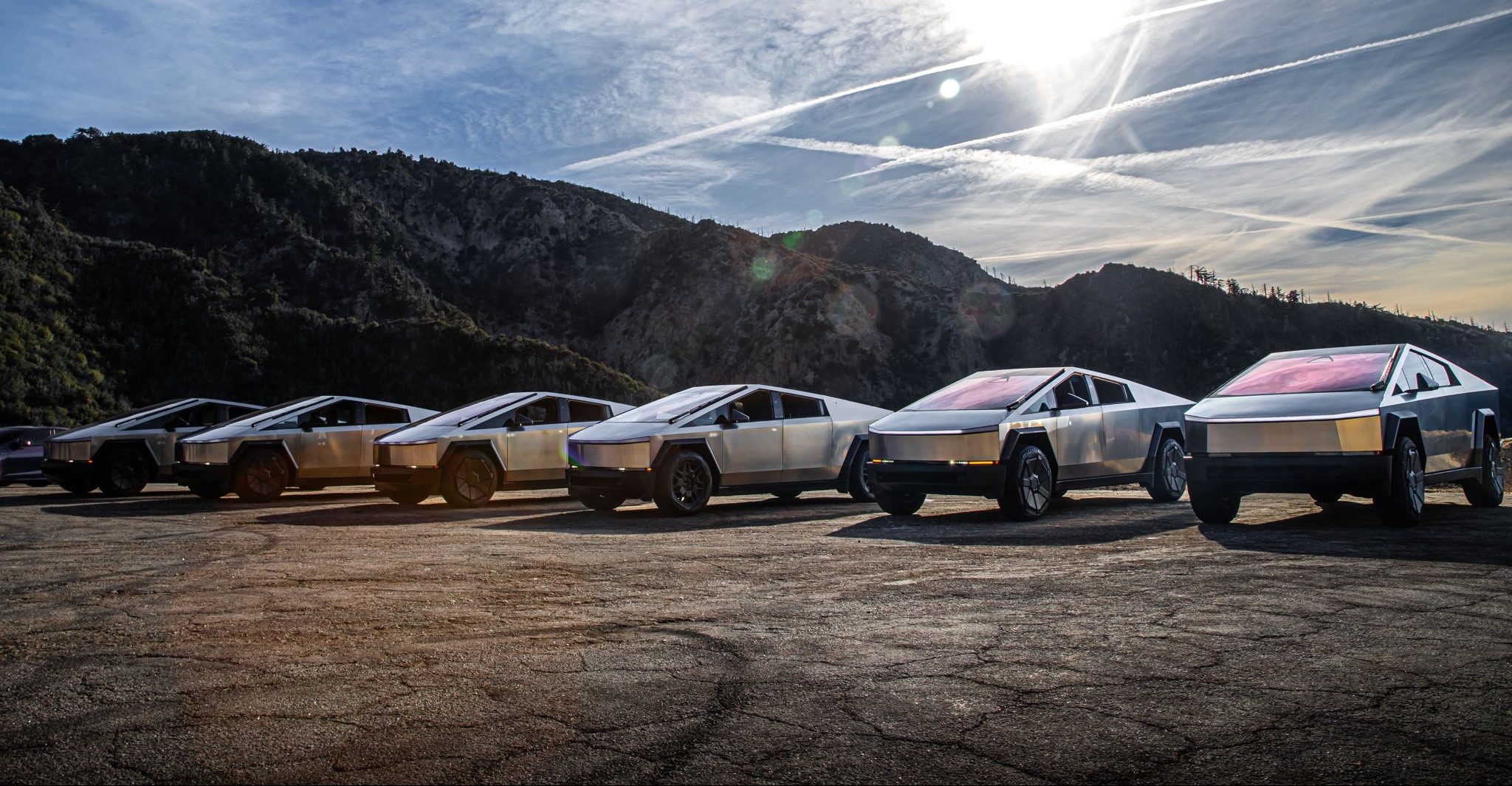
These software enhancements arrive amid dramatic strategic realignments regarding Tesla’s manufacturing priorities. CEO Elon Musk announced plans to wind down Cybertruck production at Gigafactory Texas by mid-2027. The objective of this facility reallocation is to pivot factory output heavily toward the large-scale manufacture of Cybercabs, underscoring the company’s long-term corporate thesis that autonomous ride-hailing networks will ultimately supersede traditional personal vehicle ownership models.
Industry Implications and Future Outlook
The continuous refinement of the Tesla Robotaxi application highlights the accelerating transition toward software-defined urban transportation ecosystems. By prioritizing granular data transparency—such as real-time wait times, precise availability indicators, and transparent fare structures—Tesla is systematically aligning its autonomous service architecture with the expectations of traditional ridesharing consumers while addressing the unique constraints of managing mixed-model autonomous fleets.
As regulatory frameworks evolve and manufacturing output scales toward the projected 2027 production shifts, the user interface will likely serve as the primary touchpoint for millions of riders transitioning away from human-driven transit. While official release notes for version 26.11.0 remain unpublished by Tesla, the tangible impact of these interface modifications is already reshaping the operational efficiency and consumer experience of autonomous mobility in major metropolitan markets.