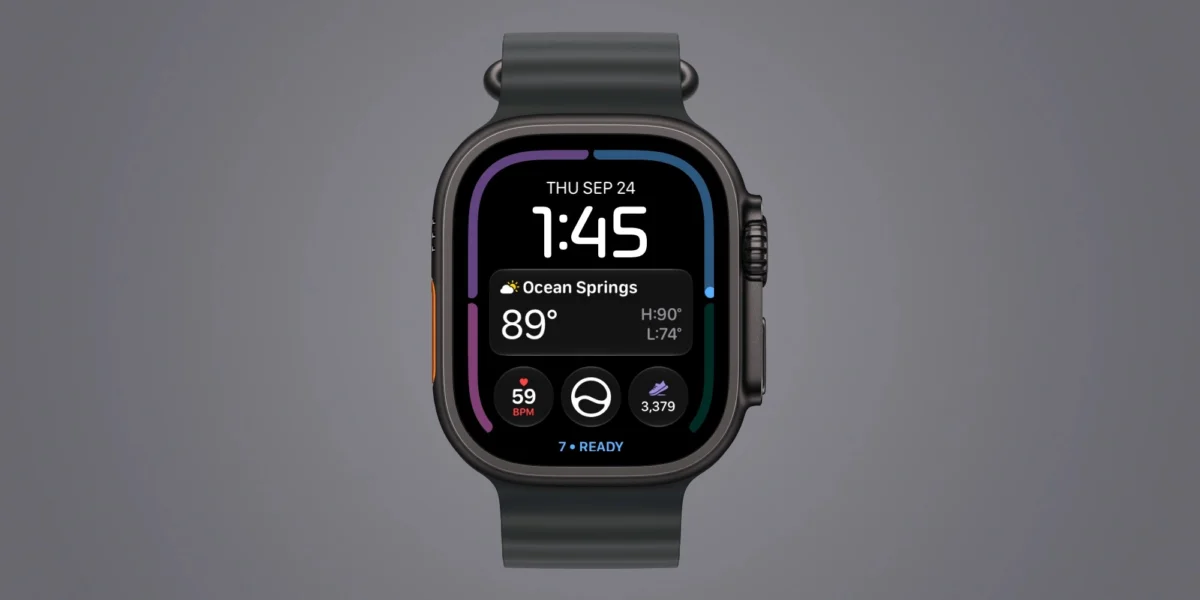







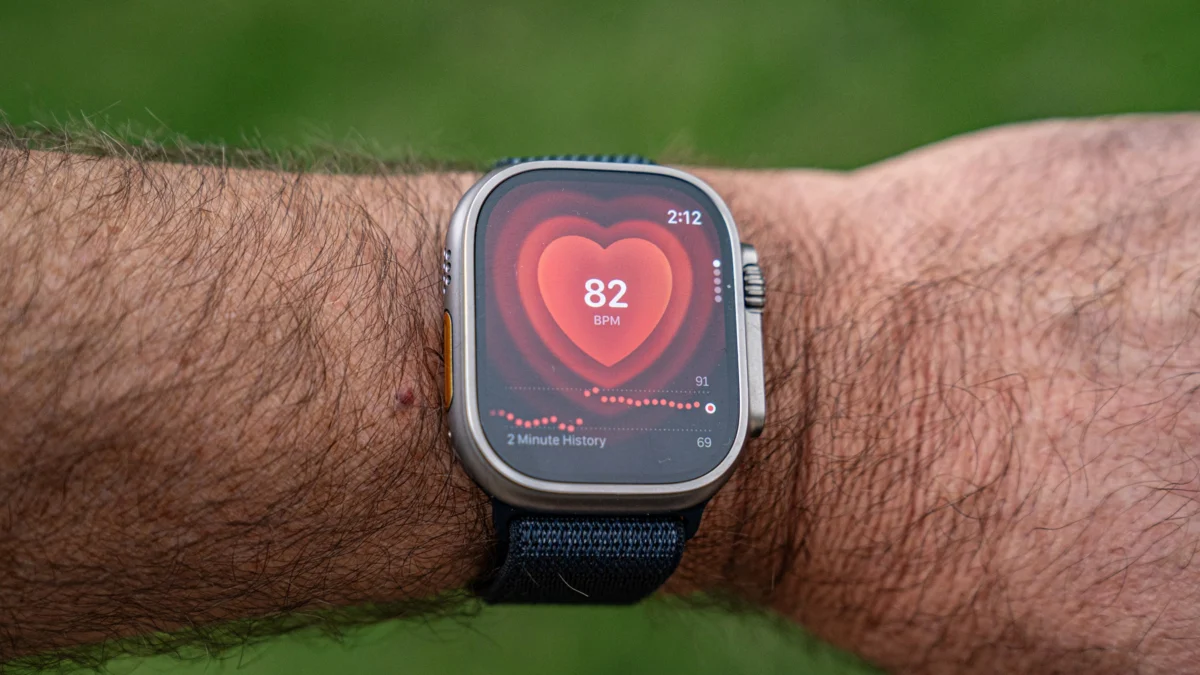


The life-saving potential of wearable technology has once again come to the forefront following a compelling case involving a United States Air Force veteran who discovered a serious, undiagnosed health condition thanks to his Apple Watch. David Aladejobi, a 38-year-old veteran, credits his Apple Watch Ultra with alerting him to symptoms of sleep apnea, a discovery that ultimately led him to seek medical intervention that he now describes as potentially life-saving. This incident serves as a significant case study in the evolving role of consumer electronics in proactive healthcare, highlighting how sophisticated sensor technology, when paired with user awareness, can bridge the gap between subtle symptoms and formal clinical diagnosis.
A Silent Health Crisis: The Case of David Aladejobi
For many individuals, sleep apnea—a disorder characterized by repeated interruptions in breathing during sleep—remains a silent, undiagnosed threat. For Aladejobi, the symptoms were present but easily dismissed as mundane inconveniences. He reported persistent morning headaches and a history of snoring, common indicators that are frequently ignored or attributed to lifestyle factors rather than underlying medical issues.
When his Apple Watch Ultra pushed a notification suggesting signs of sleep apnea, Aladejobi’s initial reaction was one of skepticism. However, after reflecting on the correlation between his reported snoring and the persistent headaches that had been impacting his daily quality of life, he decided to take the data to his physician. By presenting a screenshot of the notification to his doctor, he initiated a diagnostic process that moved rapidly from a digital alert to a clinical reality. A subsequent sleep study confirmed the diagnosis, and Aladejobi was prescribed a Continuous Positive Airway Pressure (CPAP) machine. Reflecting on the experience, Aladejobi noted that the watch acted as a crucial catalyst, transforming a device he already wore daily into a sophisticated diagnostic aid.
The Mechanism Behind the Notification
The feature that identified Aladejobi’s condition relies on a sophisticated integration of hardware and software. The Apple Watch utilizes its internal accelerometer to detect subtle wrist movements and breathing disturbances during sleep. This data is not evaluated in isolation; instead, the watch analyzes breathing disturbances over a rolling 30-day window. To ensure accuracy and minimize false positives, the feature requires users to enable sleep tracking and wear their device to bed for at least 10 nights within that 30-day period.
When the device identifies consistent, repeated patterns that align with moderate to severe sleep apnea, it issues a notification. It is essential to note that this notification is not a definitive clinical diagnosis. Instead, it is classified as a health screening tool designed to empower users to have informed conversations with their healthcare providers. This distinction is critical in the medical community, as consumer devices are designed to supplement, not replace, professional clinical evaluation. The technology is currently available on the Apple Watch SE 3, Apple Watch Series 9 and later, and the Apple Watch Ultra 2 and later, reflecting a standardized approach to health monitoring across Apple’s recent wearable lineup.
The Broader Landscape of Sleep Apnea
Sleep apnea is a widespread public health concern that often goes untreated, with significant implications for long-term health. According to the American Academy of Sleep Medicine, millions of adults in the United States suffer from obstructive sleep apnea (OSA). If left unmanaged, the condition is strongly linked to a variety of severe health complications, including hypertension (high blood pressure), cardiovascular disease, type 2 diabetes, and stroke.
The physiological toll of sleep apnea is profound. During a sleep apnea event, the airway collapses or becomes blocked, preventing oxygen from reaching the lungs and brain. The body’s response is to briefly wake up—often unnoticed by the sleeper—to resume breathing. This cycle of oxygen deprivation and frequent arousal prevents restorative sleep, leading to excessive daytime fatigue, impaired cognitive function, and increased risks of accidents. By providing early warning, devices like the Apple Watch are helping to move the needle on a condition that has historically been difficult to screen for outside of specialized, expensive, and often inconvenient in-lab sleep studies.
Chronology of Wearable Health Integration
The integration of health monitoring into smartwatches has been a multi-year evolution. Apple’s journey into the health space began in earnest with basic heart rate monitoring and pedometer functionality. However, the introduction of the Electrocardiogram (ECG) app in 2018 marked a turning point, signaling that the company was pivoting toward medical-grade health insights.
In the years following, the suite of health tools expanded to include blood oxygen monitoring, fall detection, and crash detection. The inclusion of sleep apnea notifications, which launched approximately two years ago, represents the latest iteration of this mission. This timeline reflects an industry-wide trend where technology companies are investing heavily in longitudinal data collection. By monitoring users over days and weeks rather than minutes, these devices capture trends that would otherwise be invisible to both the patient and the physician.
Clinical and Industry Perspectives
Medical professionals have largely responded with cautious optimism to the proliferation of consumer health wearables. While there is a concern regarding "worried well" patients potentially overwhelming clinical resources with non-critical data, the consensus is that the benefits of early detection for conditions like sleep apnea or atrial fibrillation far outweigh these administrative hurdles.
Physicians are increasingly incorporating data from wearables into their patient consultations. When a patient like Aladejobi presents with a "possible sleep apnea" alert, the doctor has a baseline of data that validates the patient’s concerns. This creates a more efficient diagnostic path, allowing doctors to prioritize patients who show clear, device-backed indications of illness. Furthermore, the use of these devices encourages patients to take a more active role in their health management, a shift known in the medical community as "patient empowerment."

Analysis: The Implications of Proactive Monitoring
The implications of this technology are far-reaching. As the global population ages and healthcare systems face increasing pressure to provide efficient, high-quality care, the shift toward proactive, home-based monitoring becomes vital. The success of the Apple Watch in flagging Aladejobi’s condition demonstrates that the future of medicine is increasingly decentralized.
However, this shift also introduces new responsibilities. Privacy remains a paramount concern; health data generated by wearables is sensitive and requires robust protection. Apple has consistently emphasized that its health data is encrypted on-device and, in the case of health notifications, shared only with the explicit consent of the user. Beyond privacy, there is the challenge of "medical literacy." Users must understand that these notifications are indicators, not final verdicts. The risk of over-diagnosis or anxiety-induced health seeking is a real factor that manufacturers must mitigate through clear communication and educational resources within their apps.
Conclusion: A New Era of Personal Health
David Aladejobi’s story is a powerful reminder of how far we have come in our ability to monitor our own biological states. For the veteran who thought his snoring was simply a normal part of his nightly routine, the Apple Watch served as a critical interface between his daily habits and his long-term physiological wellbeing.
As we look toward the future, it is highly probable that wearable technology will continue to integrate more complex diagnostic capabilities. The combination of machine learning, improved sensor sensitivity, and user-friendly interfaces ensures that more people will gain access to life-saving insights from the convenience of their own wrists. While technology will never replace the expertise of a medical professional, it is increasingly clear that the partnership between the two—a sensor on the wrist and a doctor in the office—is setting a new standard for modern, preventive healthcare. The case of the Air Force veteran is not just an isolated success story; it is a glimpse into a future where technology makes the invisible risks of our biology visible, allowing for earlier intervention and healthier lives.