









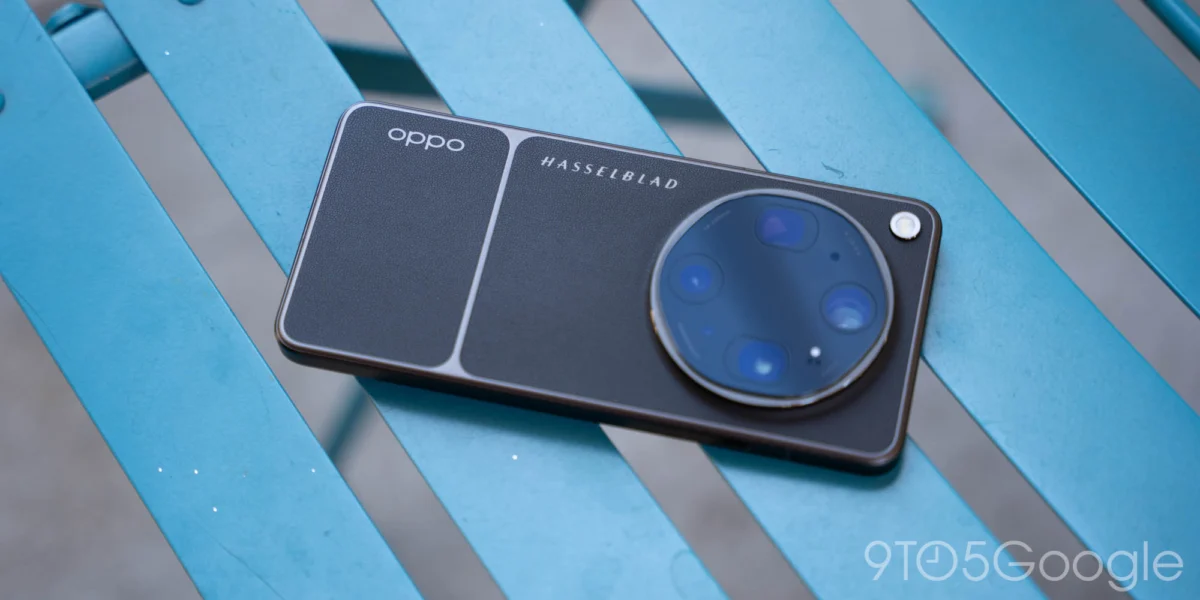
The landscape of the premium smartphone market has undergone a significant shift as reports confirm that Oppo has officially scrapped plans for its highly anticipated Find X10 Ultra flagship. This development, which follows a string of rumors regarding the sustainability of top-tier hardware configurations, marks a major pivot in the company’s product strategy. The decision is widely attributed to the ongoing industry crisis colloquially known as "RAMageddon," a phenomenon characterized by the unprecedented surge in memory costs driven by the insatiable demands of on-device artificial intelligence processing.
The Anatomy of the Cancellation
Industry analyst and prominent leaker Digital Chat Station first broke the news via Weibo, indicating that Oppo has abandoned the development cycle for the Find X10 Ultra. This device was slated to be the direct successor to the Find X9 Ultra, which was widely praised by critics and power users alike for its uncompromising hardware specifications.
The cancellation represents more than just the loss of a single product; it highlights the precarious nature of the "Ultra" tier in the current economic climate. Historically, these devices served as showcases for the absolute latest in mobile technology, often incorporating massive amounts of LPDDR5X RAM to handle complex multitasking and intensive photography workflows. As the cost of high-density DRAM chips has spiked due to global supply chain constraints and the massive allocation of memory resources toward AI-driven LLMs (Large Language Models), manufacturers are finding it increasingly difficult to maintain profit margins without pushing retail prices into prohibitive territory.
The Rise of RAMageddon and Memory Costs
To understand why a flagship smartphone line is being cut, one must look at the macro-economic shifts in the semiconductor industry. Throughout late 2025 and 2026, the demand for high-bandwidth, high-capacity memory has outpaced supply. AI-powered features—now standard in flagship Android devices—require significantly more RAM than traditional mobile operating systems. Where 8GB or 12GB of RAM was once considered excessive, 16GB has become the baseline for "pro" or "ultra" experiences.
The price of memory chips has surged by nearly 40% year-over-year. For companies like Oppo, which rely on competitive pricing to maintain market share in regions like Europe and Southeast Asia, the cost of manufacturing a device with 16GB or 24GB of RAM has rendered the traditional flagship pricing model unsustainable. When the bill of materials (BOM) rises, companies are forced to choose between raising the MSRP to a point that alienates the consumer or downgrading hardware specifications. In the case of the Find X10 Ultra, it appears the company has opted to eliminate the tier entirely rather than release a watered-down version that would dilute the "Ultra" brand identity.

A Look Back: The Legacy of the Find X9 Ultra
The Oppo Find X9 Ultra was widely regarded as the pinnacle of mobile hardware for the 2026 cycle. Featuring a top-tier Snapdragon processor and 16GB of high-speed RAM, it set a benchmark for performance and thermal management. The device’s success was predicated on its ability to offer a "no-compromises" experience.
In comparison, the current flagship, the Oppo Find X10 Pro Max, has already signaled this strategic shift. By opting for a MediaTek flagship chipset and limiting base configurations to 12GB of RAM, Oppo has attempted to manage costs. Even with these concessions, consumer feedback in European markets has been marked by sensitivity to the high retail prices of the Pro Max. The cancellation of the Ultra variant suggests that the company is effectively conceding that the "Ultra" price point is no longer viable for its current target demographics.
The Technical Powerhouse That Will Not Be
The specifications leaked for the canceled Find X10 Ultra described a device that was intended to dominate the photography market. Had it reached production, the device was expected to feature:
- Primary Sensor: A massive 200MP 1/1.12-inch main sensor integrated with LOFIC (Lateral Overflow Integration Capacitor) technology for superior dynamic range.
- Periscope Telephoto: A 200MP 1/1.3-inch sensor telephoto lens, which would have represented a significant leap in optical zoom clarity.
- Secondary Telephoto: A 50MP 10x periscope lens designed for extreme long-range photography.
- Front-Facing Camera: A 100MP square sensor designed to provide unprecedented detail for front-facing content creation.
These specifications would have placed the Find X10 Ultra in direct competition with the most expensive photography-focused smartphones in the world. By canceling this project, Oppo is effectively ceding the "ultra-premium" segment of the market to competitors who may have more vertical integration or different pricing strategies, or who are willing to absorb the losses associated with high-end memory costs.
Market Implications and Future Outlook
The cancellation of the Find X10 Ultra is likely the first in a series of similar announcements across the industry. Other manufacturers, including Xiaomi, Vivo, and Samsung, are reportedly evaluating their product lineups for 2027 with a similar degree of caution.
The implication for the consumer is a narrowing of choice. We are entering an era where the hardware gap between a "Pro" model and an "Ultra" model is shrinking, not because the Pro is getting better, but because the Ultra is becoming too expensive to manufacture. This "homogenization of the flagship" may lead to a plateau in mobile innovation, particularly in areas like mobile photography, which relies heavily on large sensors that require massive amounts of RAM for real-time processing and computational photography.

The Broader Impact on AI Integration
The irony of the current situation is that the very technology driving the demand for more RAM—Generative AI—is the same technology that manufacturers are struggling to monetize. While users are demanding on-device AI features such as real-time language translation, advanced generative photo editing, and personalized AI assistants, these features require persistent memory usage.
As long as the memory bottleneck exists, consumers can expect to see higher prices, lower base storage and RAM configurations, or the cancellation of high-end product lines. The tech industry is currently in a "wait-and-see" phase, hoping that advancements in memory manufacturing or the optimization of AI algorithms will alleviate the pressure on hardware costs. Until then, the departure of the Find X10 Ultra serves as a sobering reminder of the physical limits of current mobile economics.
Conclusion: A Strategic Retreat
Oppo’s decision to cancel the Find X10 Ultra is a calculated business move in a volatile market. By consolidating its resources toward the Find X10 Pro Max, the company is prioritizing volume and cost-efficiency over the niche, high-margin ultra-premium segment. While this may be a disappointment to enthusiasts who value cutting-edge specs, it is a prudent response to the reality of the global semiconductor market.
As the industry continues to grapple with the demands of AI and the rising costs of memory, the "Ultra" moniker may become a relic of a time when hardware specifications were limited only by imagination, rather than the price of a DRAM chip. The focus for Oppo, and indeed the broader Android ecosystem, will now shift toward optimizing existing hardware and finding new ways to deliver value without the need for the excessive, and increasingly expensive, specifications of the past.