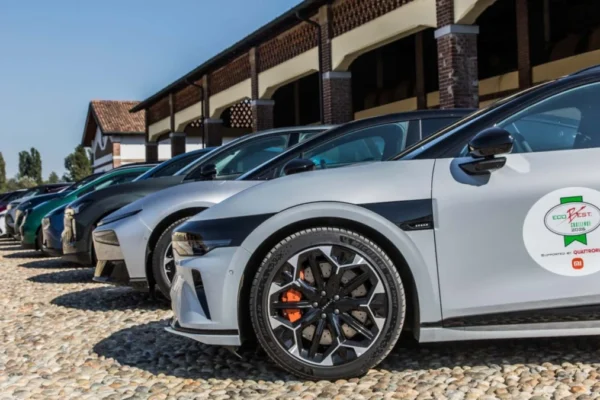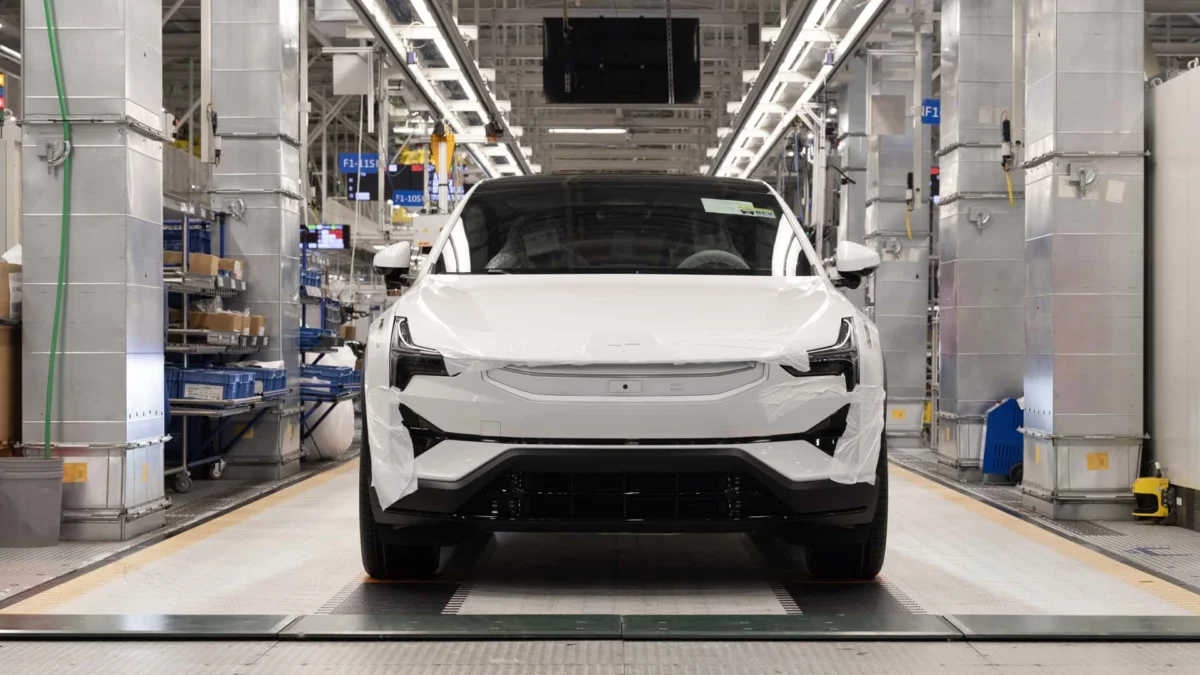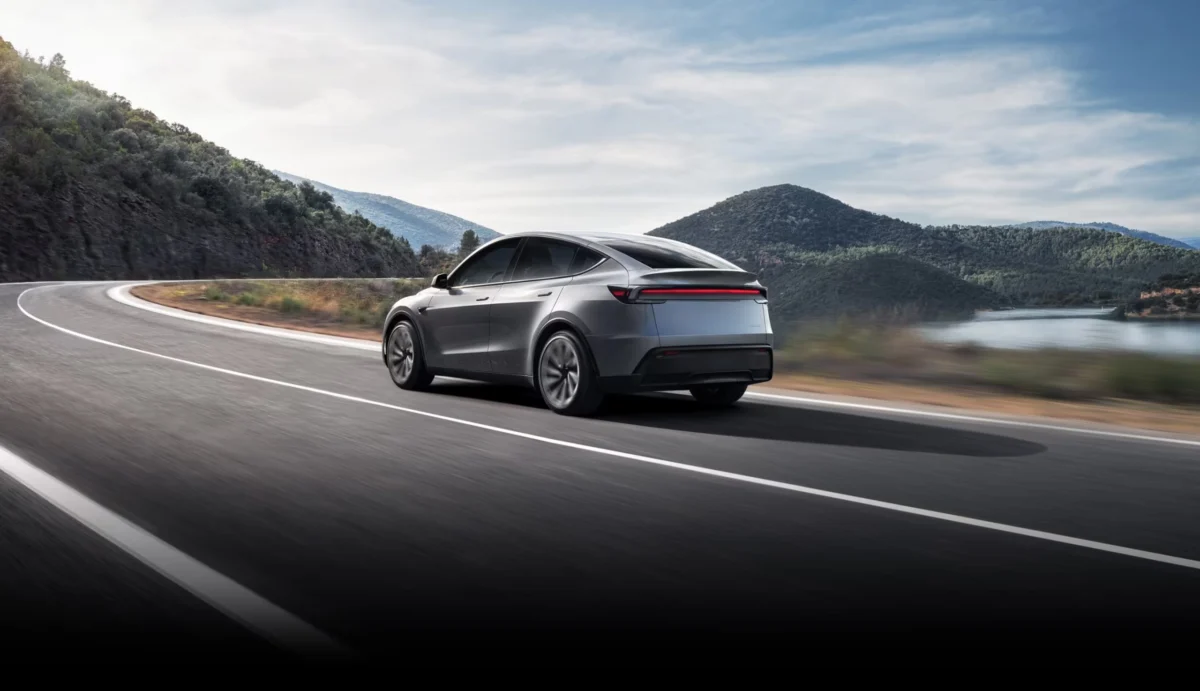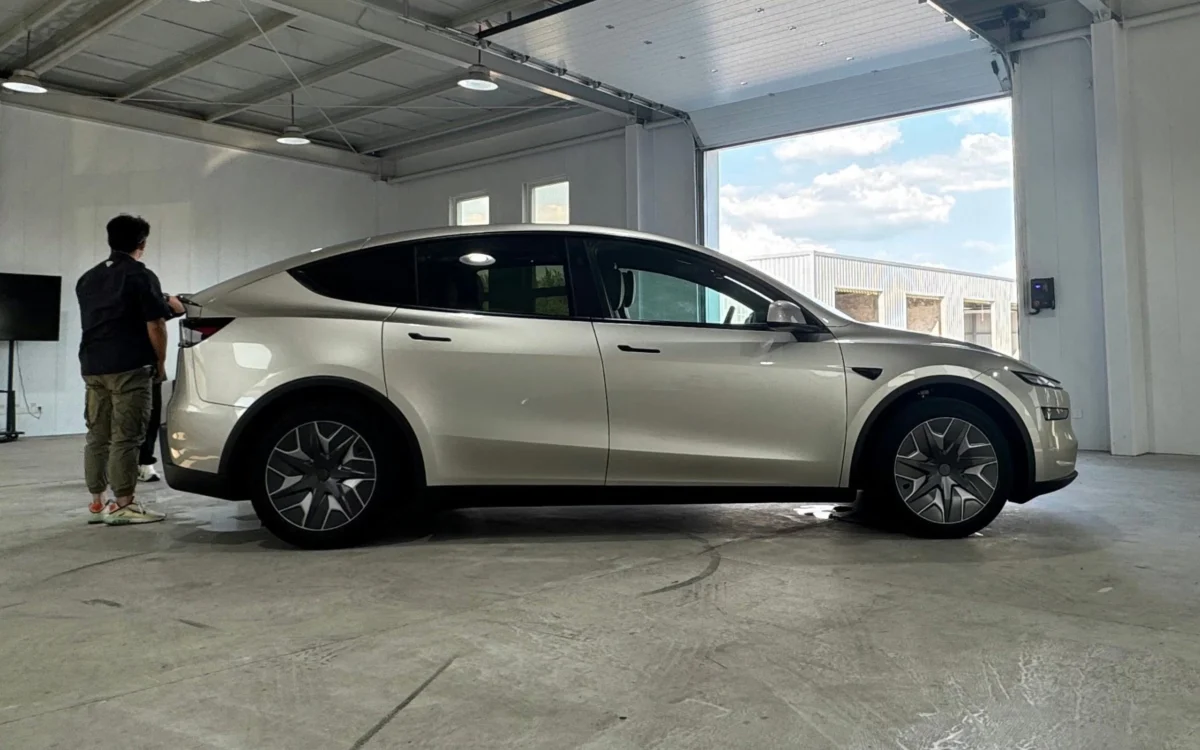










The electric vehicle landscape in the United States is undergoing a fundamental shift, characterized by fierce price competition, shifting federal incentives, and aggressive consumer financing structures. While the Hyundai IONIQ 5 has firmly established itself as the third best-selling electric vehicle in the country—trailing only Tesla’s ubiquitous Model Y and Model 3—a closer analysis of current manufacturer lease incentives reveals a surprising market anomaly. Counterintuitively, Hyundai’s much larger, three-row flagship electric SUV, the IONIQ 9, presents a significantly more compelling value proposition when evaluated through the lens of monthly out-of-pocket lease economics.
As automotive manufacturers navigate the post-federal tax credit era following the expiration of the direct $7,500 consumer EV tax credit, pricing strategies have become the primary battleground for market share. Hyundai’s aggressive positioning has allowed its electric portfolio to outperform major legacy and startup competitors alike, consistently beating out rival models such as the Chevrolet Equinox EV, the Ford Mustang Mach-E, and Toyota’s bZ series. However, the internal pricing dynamics between Hyundai’s own stablemates offer a fascinating look at how EV inventory management and promotional lease rates are reshaping buyer decisions.
Market Context and Pricing Evolution
To understand the current leasing landscape, it is necessary to examine the regulatory and economic pressures that have shaped Hyundai’s pricing strategy over the past two years. When the $7,500 federal EV tax credit expired at the conclusion of the third quarter, industry analysts anticipated a severe cooling effect on consumer demand. Instead, major original equipment manufacturers (OEMs) absorbed or restructured these incentives through leasing loopholes—specifically the commercial vehicle credit loophole, which bypassed individual income caps and vehicle manufacturing origin restrictions.
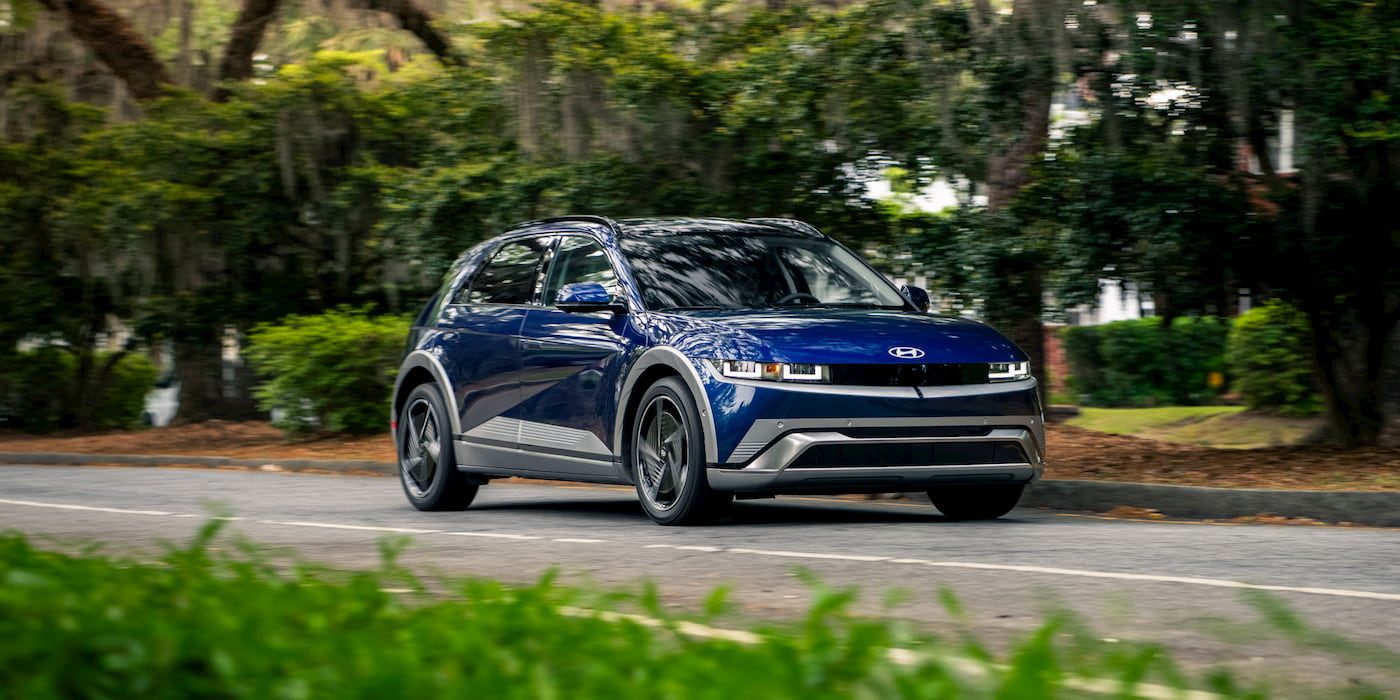
Hyundai responded decisively by slashing prices on the IONIQ 5 by nearly $10,000 across select trims, stabilizing its entry-level positioning. The subsequent rollout of the 2027 Hyundai IONIQ 5 established a base MSRP of $35,250 for the standard-range SE variant, which offers an EPA-estimated driving range of up to 245 miles. Consumers seeking greater utility can opt for the extended-range SE rear-wheel-drive (RWD) model, which commands a modest $2,500 premium, starting at $37,750 while expanding the driving range to an impressive 318 miles.
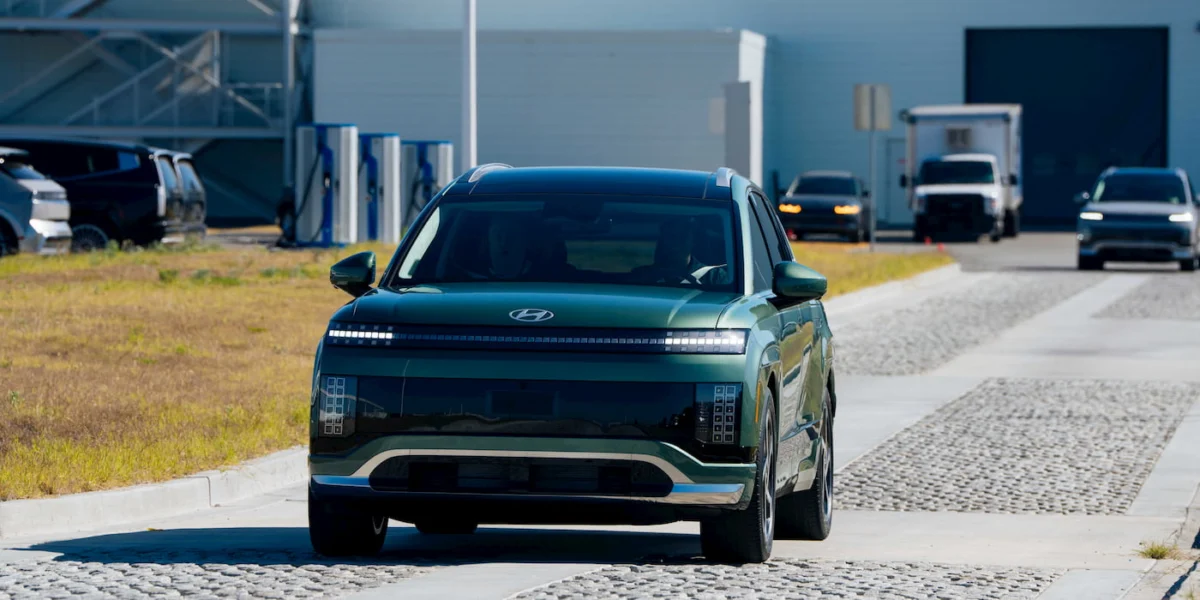
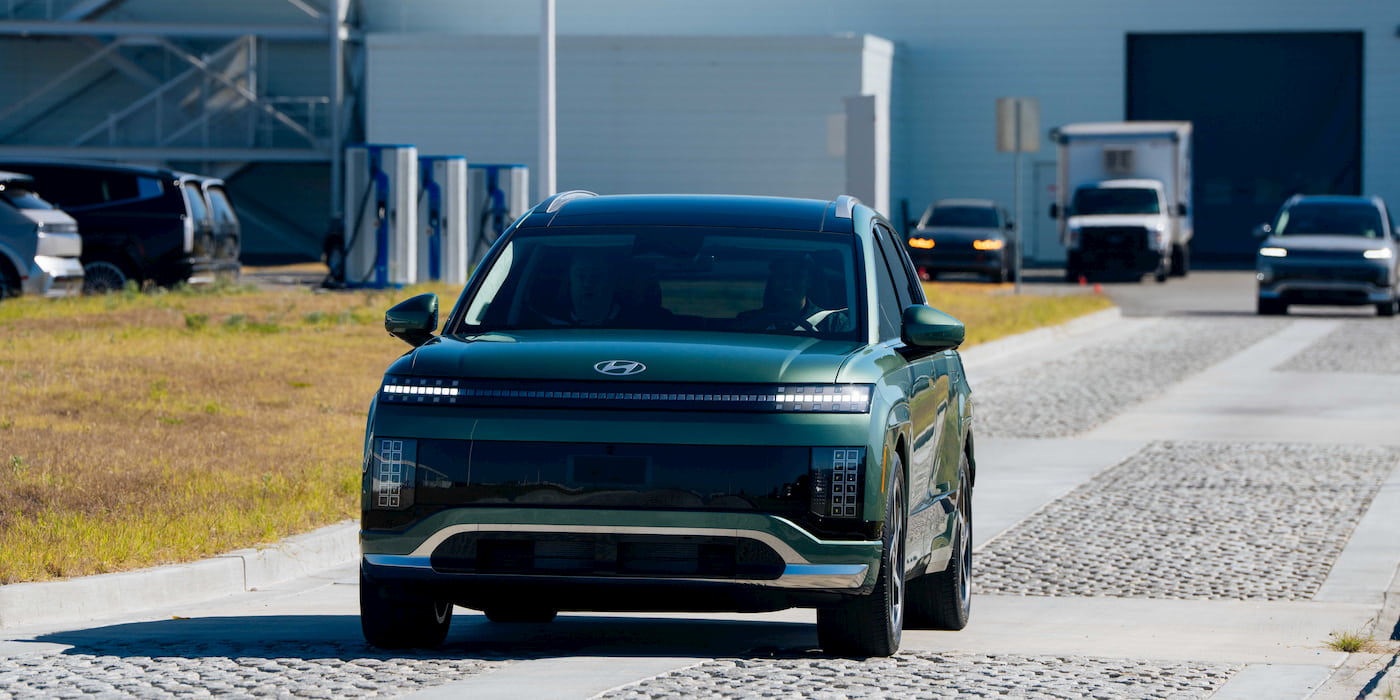
Conversely, Hyundai’s newly introduced three-row electric flagship, the IONIQ 9, commands a substantially higher sticker price. The base IONIQ 9 starts at $58,955, representing a massive $23,705 gap over the entry-level IONIQ 5 SE. Naturally, retail shoppers walking onto a dealership lot would view the IONIQ 9 as an entirely different financial commitment reserved for larger families or buyers with significantly higher budgets. Yet, looking strictly at promotional manufacturer lease structures upends this conventional assumption.
Detailed Lease Comparison: IONIQ 5 vs. IONIQ 9
Lease accounting reveals a very different financial reality compared to sticker prices, heavily influenced by residual value forecasts and promotional money factors set by Hyundai Motor Finance.
According to promotional rates active through November 2026, the 2027 Hyundai IONIQ 5 SE Standard Range is advertised with a starting lease rate of $359 per month. This offer is structured around a 24-month term requiring $4,999 due at signing. When amortizing the down payment across the two-year term, the effective monthly cost comes out to approximately $567.
Stepping up to the extended-range Hyundai IONIQ 5 SE RWD adjusts the monthly payment to $369 under identical terms—a 24-month duration with $4,999 due at signing—bringing the effective monthly cost to $577.

Meanwhile, Hyundai’s significantly larger three-row IONIQ 9 is heavily subsidized in its promotional leasing tier, advertised from $419 per month. While this specific campaign utilizes a 36-month term with the same $4,999 due at signing, the longer amortization period drastically alters the math. The effective monthly cost for the large three-row SUV drops to just $557.
Direct comparisons under identical lease parameters further highlight this phenomenon. Utilizing Hyundai’s official online payment calculator for a 36-month lease on a 2027 Hyundai IONIQ 5 SE with $4,999 due at signing yields a monthly payment of $412, resulting in an effective cost of $550 per month. When placed side-by-side with the IONIQ 9, the cost differential narrows to a mere $7 per month. For less than the price of a streaming subscription, lessees can step up from a midsize two-row crossover into a massive, feature-rich, three-row electric hauling machine.
Dimensions, Capability, and Range
Beyond the financial calculations, the physical and functional disparities between the two vehicles underscore why the lease structure heavily favors the larger model.

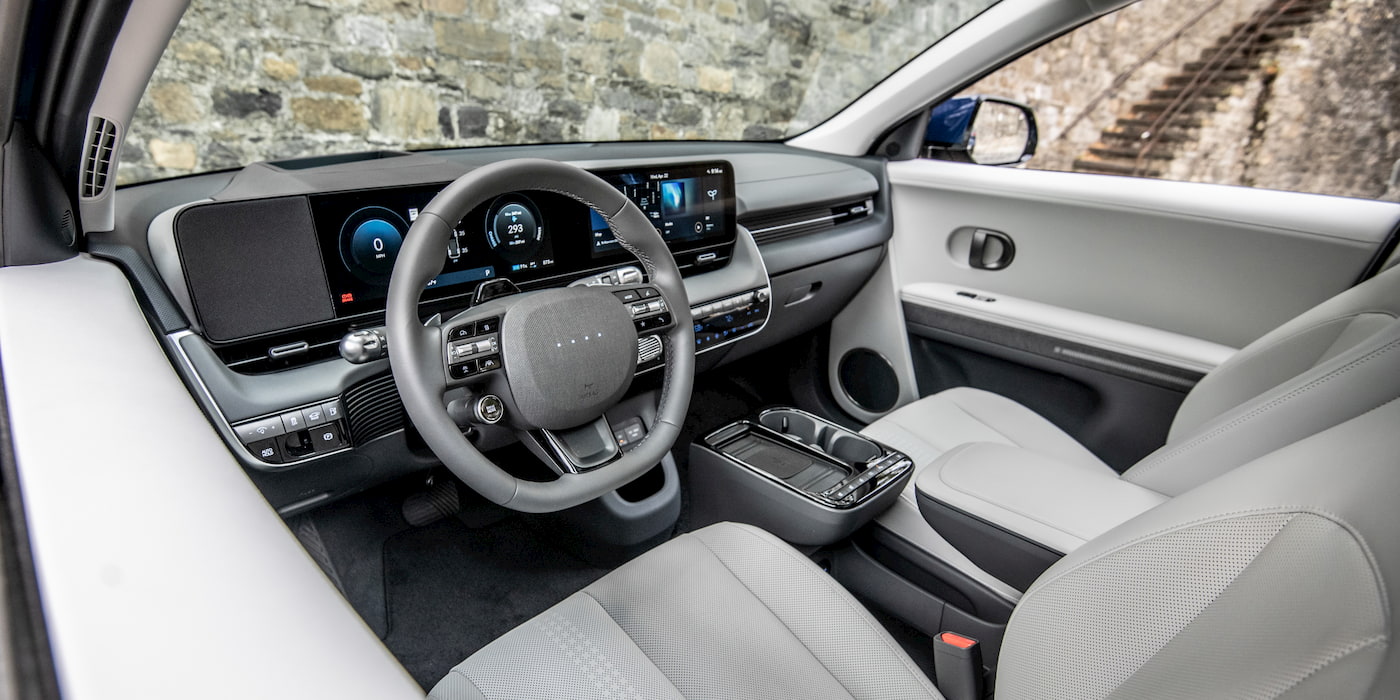
The IONIQ 5 is categorized as a midsize electric SUV, occupying a physical footprint roughly equivalent to the Tesla Model Y. It features a spacious two-row cabin configured to comfortably seat five passengers, offering a total interior passenger volume of up to 106.5 cubic feet.
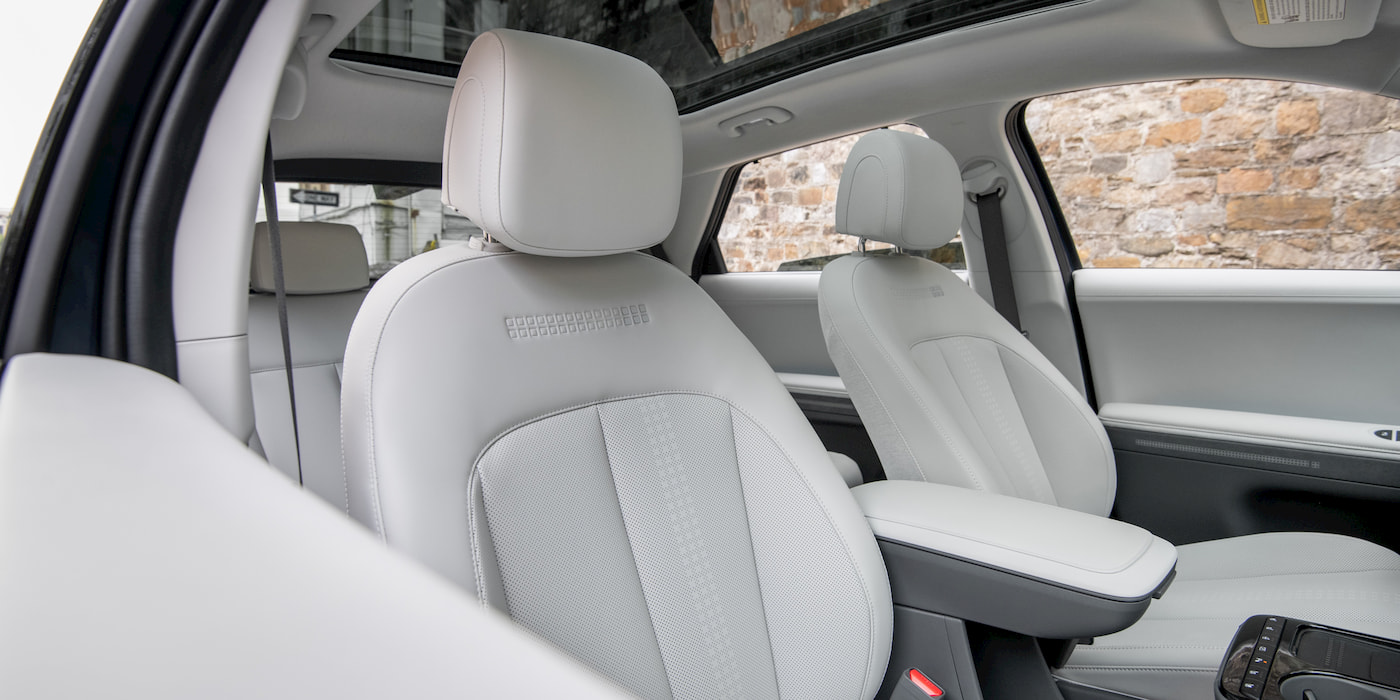
In stark contrast, the IONIQ 9 is designed for families requiring maximum utility, providing three rows of seating with flexible six- or seven-passenger configurations. This extended architecture dramatically expands the interior envelope, delivering a massive 163.54 cubic feet of passenger volume.
In terms of raw performance and endurance, the IONIQ 9 also holds an advantage in its baseline configuration. The base SE trim of the IONIQ 9 achieves an EPA-estimated driving range of up to 335 miles on a single charge, eclipsing the base IONIQ 5 Standard Range and sitting comfortably alongside the top-tier extended-range variants of its smaller sibling.
Competitive Landscape: The Tesla Benchmark
To contextualize Hyundai’s aggressive pricing and leasing strategy, industry analysts frequently look to the undisputed market leader: the Tesla Model Y.
The standard Tesla Model Y RWD is officially listed for lease starting at $499 per month, backed by an EPA-estimated range of up to 321 miles. However, this advertised rate is predicated on a 36-month term with a lower initial down payment of $3,000. When normalized against Hyundai’s terms by applying a matching $4,999 down payment over a 24-month period, the Tesla Model Y RWD’s effective monthly rate adjusts to approximately $549.
While the Model Y remains fiercely competitive in efficiency, charging infrastructure access via the Supercharger network, and software integration, Hyundai’s aggressive incentive programs allow both the IONIQ 5 and the IONIQ 9 to undercut or closely match Tesla on a monthly cash-flow basis, while offering distinct advantages in interior packaging, warranty coverage, and alternative styling.
Domestic Manufacturing and Brand Conquest Rates
A critical driver behind Hyundai’s ability to offer such aggressive leasing terms lies in its domestic production footprint. Both the Hyundai IONIQ 5 and the IONIQ 9 are manufactured at the newly established Hyundai Motor Group Metaplant America (HMGMA) facility located just outside Savannah, Georgia. Localizing production within the United States allows the company to optimize supply chains and maximize compliance advantages under changing federal trade and tax frameworks.
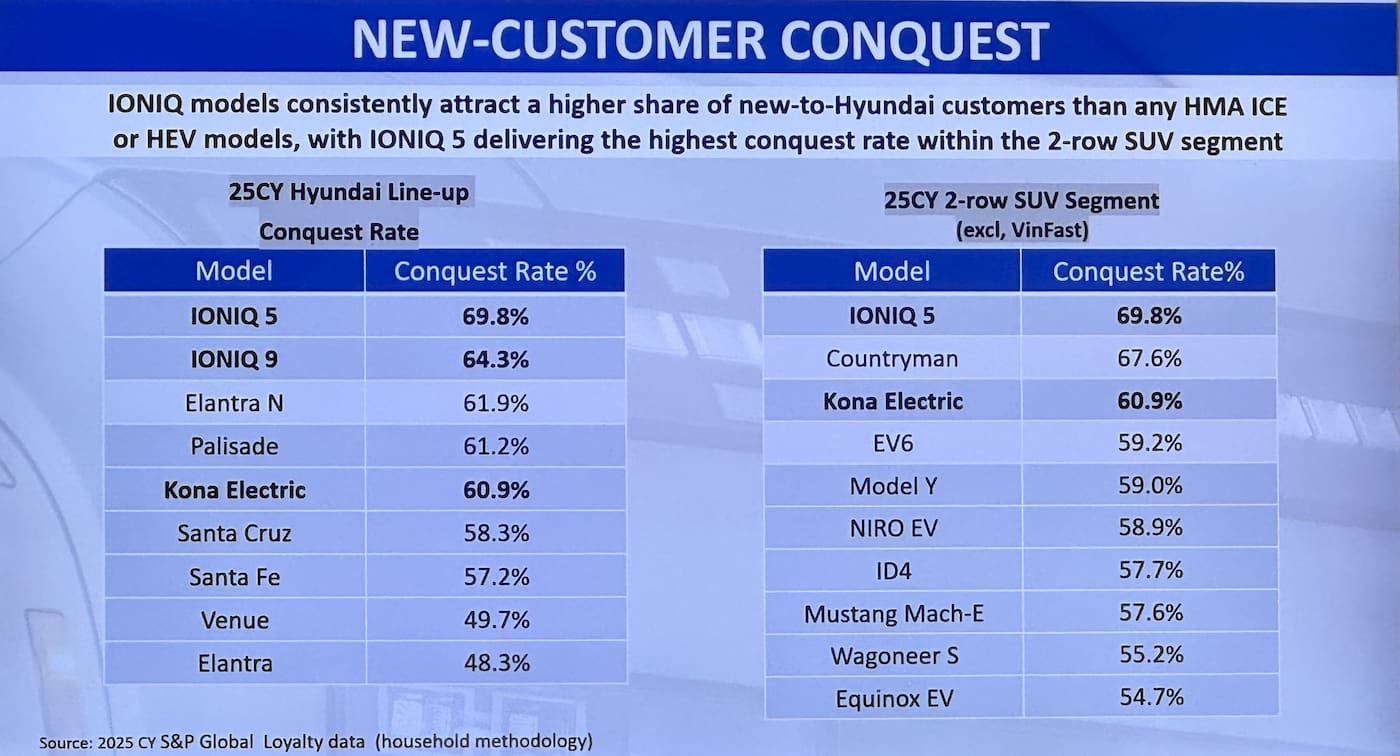
Corporate data gathered from Hyundai’s manufacturing and sales operations reveals that these electric SUVs are serving their primary strategic purpose: conquest. Rather than simply trading vehicles with existing Hyundai owners, the IONIQ line is successfully poaching buyers from rival brands at exceptionally high rates.
During the previous calendar year, the Hyundai IONIQ 5 achieved an industry-leading conquest rate of 69.8%, meaning nearly 70% of buyers traded in a vehicle from a non-Hyundai brand. The larger IONIQ 9 followed closely behind with a robust 64.3% conquest rate. For context, these figures outpaced several of Hyundai’s most popular internal combustion engine and hybrid stalwarts, including the Elantra N (61.9%), the Palisade three-row SUV (61.2%), and the Kona Electric (60.9%).
Implications and Industry Outlook
The unusual pricing convergence between the IONIQ 5 and the IONIQ 9 highlights a broader trend within the electric vehicle transition: automakers are utilizing creative financial levers to clear inventory and establish market presence in emerging segments. By heavily subsidizing leases on their flagship three-row vehicle, manufacturers can accelerate consumer adoption of larger EVs without officially slashing baseline MSRPs, which protects long-term residual value perceptions.
For consumers currently in the market for an electric vehicle, the current environment offers a unique window of opportunity. While the Hyundai IONIQ 5 remains an exceptional choice for urban commuters, smaller households, and drivers prioritizing a nimble footprint, the current promotional cycle makes the IONIQ 9 an undeniable outlier—delivering nearly 60% more interior volume, superior base range, and three-row capability for virtually the exact same monthly lease outlay.
Prospective buyers should note that Hyundai’s current promotional lease campaigns are scheduled to conclude on November 30, 2026, leaving a narrow window for consumers to capitalize on these pricing anomalies before residual values and promotional money factors undergo quarterly recalibration.