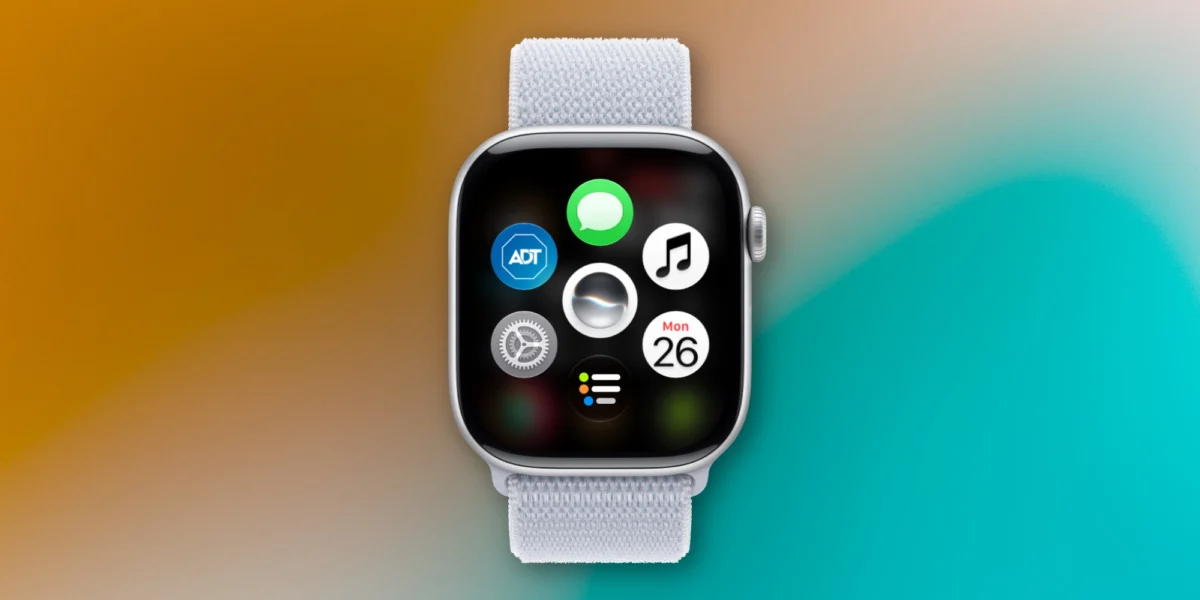










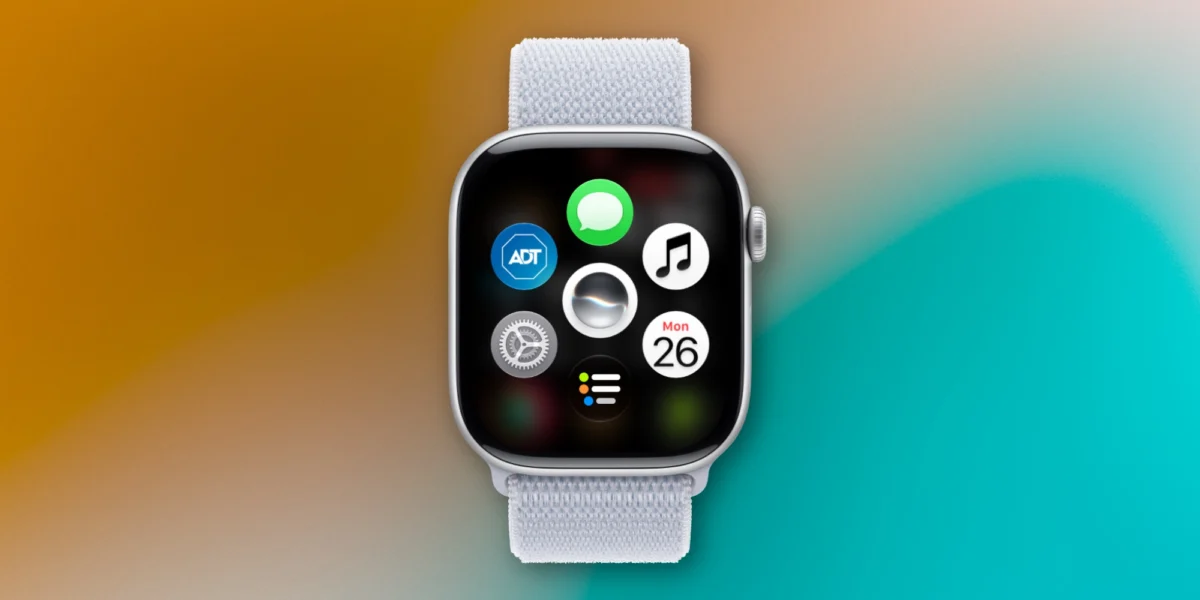
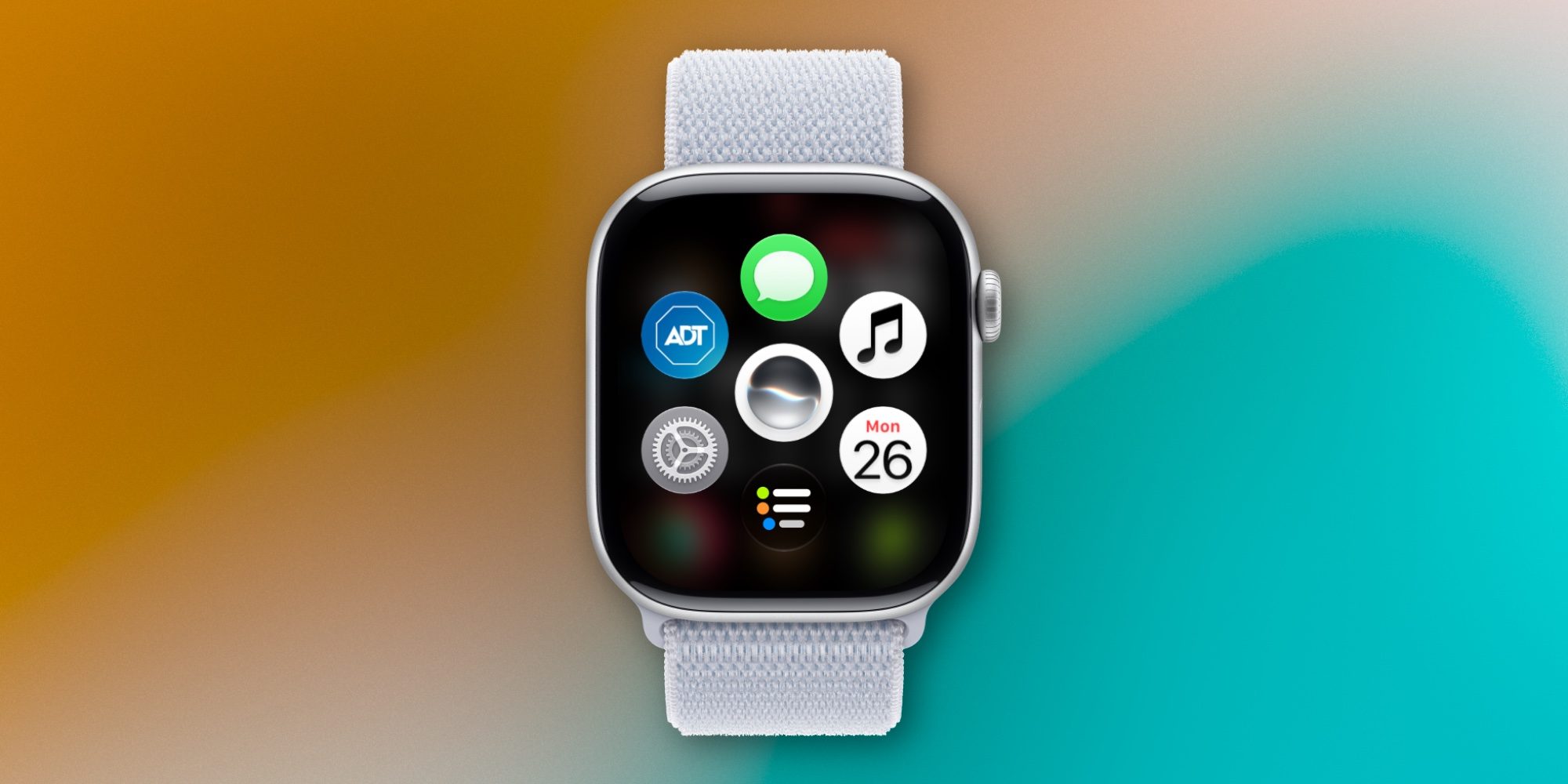
Apple has officially commenced the rollout of watchOS 27.2, a significant incremental update for the Apple Watch ecosystem. This release, arriving in tandem with visionOS 27.2 for the Apple Vision Pro and corresponding updates for iOS, underscores Apple’s ongoing commitment to integrating advanced artificial intelligence capabilities into its wearable devices. While the update provides necessary stability improvements and security patches, the headline features revolve around the aggressive expansion of Siri’s intelligence and a cohesive visual refresh of the Apple Music experience.
The Evolution of the watchOS 27 Series
To understand the significance of watchOS 27.2, one must look at the trajectory of the watchOS 27 platform since its initial debut. When Apple first introduced the 27.0 iteration, the focus was primarily on foundational performance and the introduction of a localized Siri AI model designed to run with greater efficiency on the Apple Watch’s constrained hardware. At launch, this AI capability was strictly limited to US English, a move industry analysts viewed as a cautious "beta-style" rollout to ensure privacy and accuracy before a wider global release.
The transition to version 27.2 represents the first major milestone in Apple’s roadmap to bring these intelligent features to a global audience. By moving from a single-language implementation to a broader, multi-regional rollout, Apple is signaling that its proprietary AI models have achieved the necessary benchmarks in linguistic nuance and processing speed to support more complex, non-English inputs. This shift is critical for the Apple Watch, a device where voice interaction is often the primary interface due to the limitations of a small touchscreen.
Expanding the Horizon: Siri AI’s New Linguistic Capabilities
The primary functional highlight of watchOS 27.2 is the dramatic expansion of Siri AI’s language support. Following the initial launch where users outside of the United States were relegated to standard voice commands, this update introduces the advanced, context-aware AI capabilities of the watchOS 27 platform to a wider demographic.
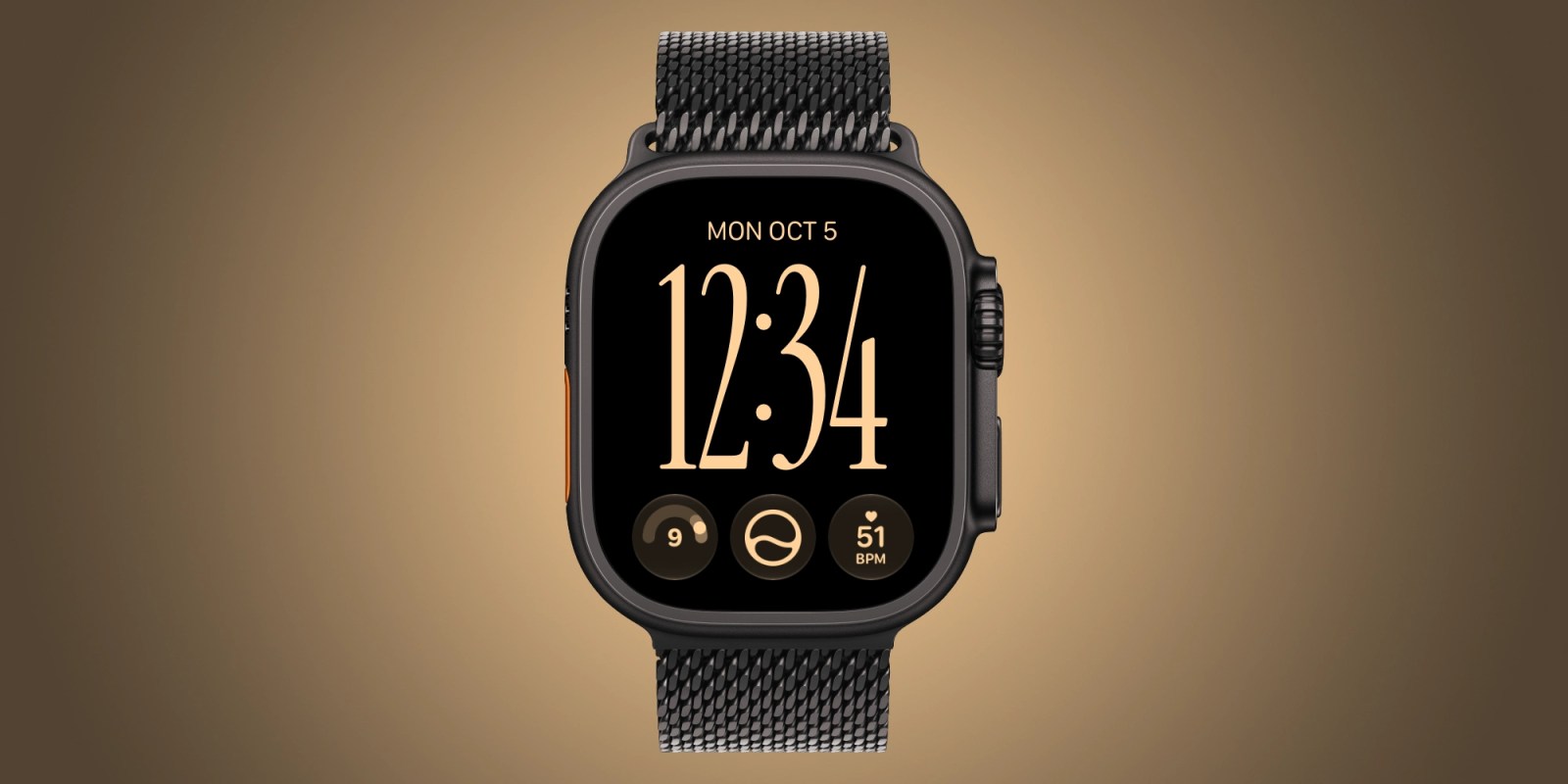
According to internal release notes provided by Apple, the update optimizes the on-device neural engine to handle natural language processing (NLP) for several major languages. This update is not merely a translation service; it involves the deployment of refined machine learning models that understand intent, context, and follow-up queries without needing to reach out to a cloud server for every interaction. This capability significantly reduces latency—a crucial factor for wearable technology where users expect near-instantaneous responses while on the move.
The decision to pair this expansion with visionOS 27.2 indicates that Apple is unifying its AI strategy across its entire hardware lineup. By ensuring that the Apple Watch and the Vision Pro share similar linguistic capabilities, Apple is fostering a seamless ecosystem where the AI assistant behaves consistently regardless of the device being utilized.
A New Visual Identity for Apple Music
Beyond the technical improvements to the AI assistant, watchOS 27.2 introduces a notable shift in the aesthetic language of the Apple Music application. This change is directly linked to the broader rebranding efforts that Apple initiated just last week. The new visual identity moves away from the iconic, vibrant red theme that has characterized the service for nearly a decade, opting instead for a stark, high-contrast monochrome design.
On the watchOS platform, this manifests as a complete overhaul of the app icon and a thinning of the interface elements throughout the Music app. The transition to a black-and-white color palette is designed to reduce visual clutter on the OLED displays of the Apple Watch, potentially aiding in battery conservation and enhancing legibility under direct sunlight.
Industry designers note that this move towards monochrome iconography reflects a trend in high-end UI design, emphasizing "content-first" navigation where the album art provides the color, rather than the interface itself. The integration of this design language into watchOS 27.2 suggests that the Apple Music rebrand is a top-to-bottom initiative, intended to provide a cleaner, more sophisticated user experience that aligns with the premium positioning of the latest Apple Watch hardware.
Installation and Compatibility Requirements
The update process for watchOS 27.2 follows Apple’s standard protocol for modern watchOS releases. Users must first ensure that their paired iPhone has been updated to iOS 27.2. This prerequisite exists because the watchOS update process relies on the iPhone’s internal connectivity and data management protocols to verify, download, and transfer the firmware to the wearable device.
To initiate the update, users should navigate to the Watch app on their iPhone, select "General," and tap "Software Update." It is highly recommended that the watch be placed on its charger during this process, with a battery level of at least 50% to ensure that the installation is not interrupted. Failure to maintain sufficient power during the update can result in a "bricked" device, requiring a factory reset.
Industry Context and Strategic Implications
The release of watchOS 27.2 occurs at a pivotal moment in the wearable technology market. With competitors like Samsung and Google tightening their integration of generative AI into their own smartwatch offerings, Apple’s focus on the "intelligent wrist" is a defensive and offensive maneuver. By expanding Siri AI’s reach, Apple is attempting to solidify its position as the leader in voice-driven, privacy-focused wearable computing.
Analysts point out that the emphasis on on-device processing—as opposed to cloud-heavy AI—is a deliberate strategic choice. By keeping the processing local, Apple manages to keep data usage low and privacy protections high, a core tenet of their current marketing strategy. The integration of the new Apple Music design further highlights Apple’s effort to keep its software ecosystem feeling fresh and modern, which is essential for maintaining high retention rates among current Apple Watch owners.
Furthermore, the simultaneous release of visionOS 27.2 suggests that Apple is treating its "spatial computing" products and its "wearable" products as two sides of the same coin. The company is clearly moving toward a future where the interface is secondary to the intelligence provided by the underlying operating system. As these AI models continue to evolve, it is expected that future iterations of watchOS will allow for even more autonomous tasks, potentially reducing the need for users to touch their devices at all.

Future Outlook and User Reception
While the technical and design changes in watchOS 27.2 are clear, the long-term success of these features will depend on user adoption. Early feedback on the beta versions of this software suggested that the performance gains in the Siri AI are noticeable, particularly in terms of responsiveness for complex requests. However, the move to a monochromatic design for Apple Music has drawn mixed reactions from users who appreciate the classic red branding.
As Apple continues to iterate on the watchOS 27 branch, the focus will likely remain on stability and the continued refinement of the AI models. Future updates are expected to include more granular control over AI interactions, allowing users to customize how much of their personal data the assistant can leverage to provide predictive suggestions.
For now, users are encouraged to monitor their battery health and device performance following the update. While Apple maintains a high standard of quality control, the complexity of deploying AI models across multiple languages and hardware configurations can sometimes lead to minor power management bugs, which are typically addressed in subsequent "dot" releases.
In conclusion, watchOS 27.2 is an essential update for those who rely on the Apple Watch as a daily driver. Between the expanded intelligence of the Siri assistant and the sleek, modern design refresh of the Apple Music app, the update serves as a testament to Apple’s ongoing evolution. As the company continues to push the boundaries of what is possible on a device worn on the wrist, users can expect the software to become increasingly capable, intuitive, and visually distinct in the coming months. Those who have not yet updated their devices should prioritize the installation, not only for the new features but for the critical security updates that are packaged within this release.