










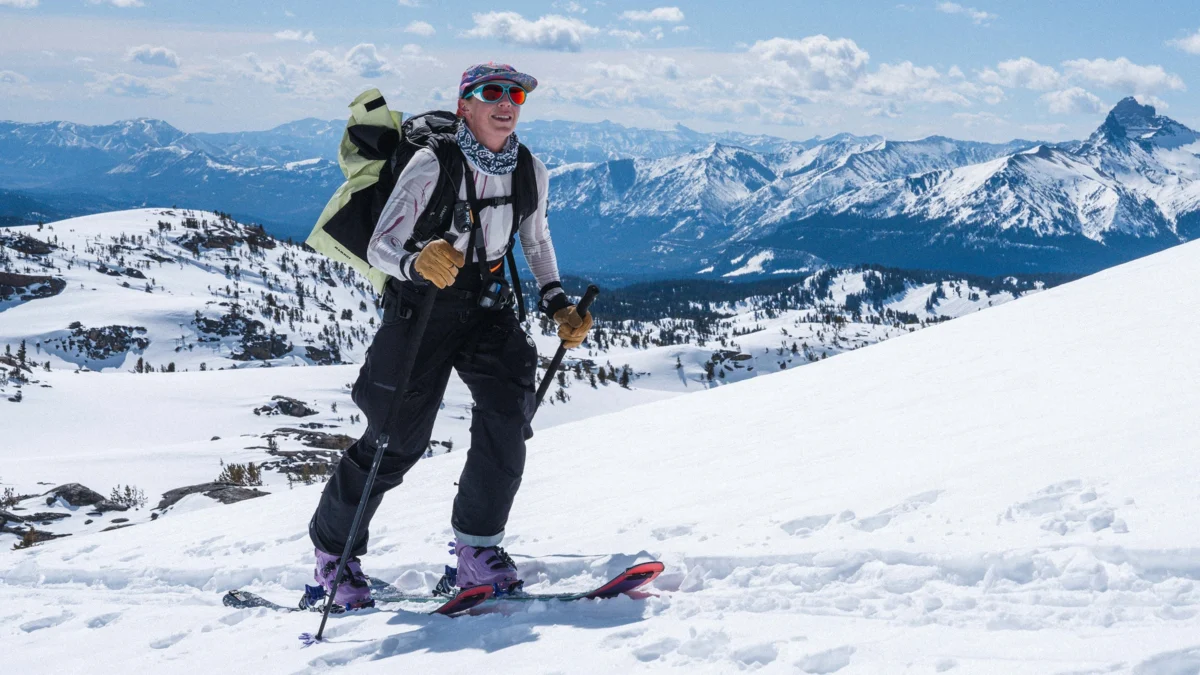
Building a reliable winter kit starts at the foundation, and for outdoor enthusiasts, that foundation is the base layer. Much like the structural integrity of a building depends on its footings, a skier’s or mountaineer’s ability to regulate body temperature in extreme conditions hinges entirely on the garment worn closest to the skin. As of November 6, 2026, the market for women’s technical apparel has reached a saturation point, offering a dizzying array of natural fibers, proprietary synthetic blends, and hybrid designs. To cut through the marketing noise, a team of expert testers—comprised of mountain guides, ski patrollers, and competitive athletes—conducted an exhaustive evaluation of nearly 70 base layer tops and bottoms throughout the 2025–2026 winter season.

The Testing Methodology and Environmental Scope
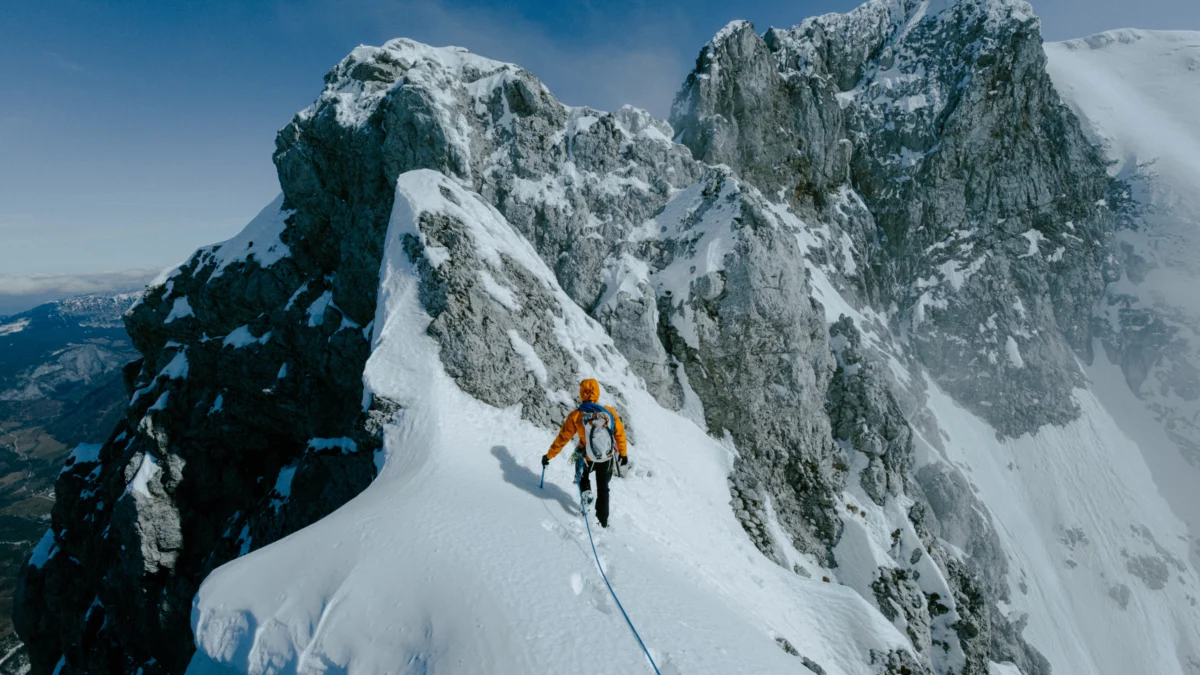
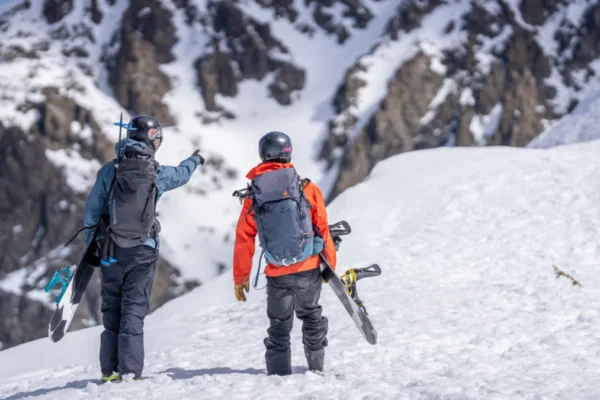
The evaluation process was designed to simulate the unpredictable nature of alpine environments. From November 2025 through April 2026, testers deployed these garments across a diverse geographic spectrum, including high-altitude backcountry missions in the British Columbia interior, resort-based testing in the Swiss Alps, and demanding "backyard" missions in the Teton, Sierra Nevada, and Cascade ranges.
Testers focused on five core metrics: thermal regulation, moisture-wicking efficiency, next-to-skin comfort, durability, and ergonomic fit. Conditions ranged from extreme, sub-zero "blistering" cold to the slushy, high-moisture environments characteristic of late-spring ski touring. By stress-testing these items in such varied climates, the panel aimed to identify which garments could survive the "temperature rollercoaster" inherent in active winter sports.

Top-Rated Performers and Industry Standards
After thousands of collective hours in the field, the testing panel identified several clear standouts. The Smartwool Thermal Merino Mock Neck was awarded the distinction of "Best Overall," favored for its unique ability to bridge the gap between technical performance and aesthetic versatility. Its full merino construction provided consistent thermal regulation, proving effective in temperatures ranging from -10°F to 52°F. While the mock neck occasionally presented interference issues when paired with multiple hoods or neck gaiters, its odor-resistant properties and silhouette—which allowed for seamless transitions from the mountain to après-ski settings—made it the most frequently selected item by testers.
For those prioritizing raw warmth, the Kari Traa Saga Half Zip and matching pants emerged as the leader. Utilizing a heavy-knit wool construction, this kit was specifically noted for its performance during early-morning lift operations and frigid alpine starts. However, testers observed that the garment’s high thermal output comes at the cost of breathability, suggesting it is best suited for low-to-moderate output activities rather than high-intensity uphill skinning.

Budget and Niche Performance
The "Best Value" designation was awarded to the Quince Merino Wool All-Season collection. The emergence of high-quality merino products at sub-$50 price points marks a significant shift in the outdoor retail landscape, challenging the pricing dominance of legacy brands. While the Quince top was found to be less thermally dense than its high-end counterparts, its performance in mild conditions was deemed comparable to premium alternatives, suggesting that the barrier to entry for technical wool gear is lowering for the average consumer.
For the segment of the population with sensitivities to traditional wool, the Helly Hansen Lifa Merino Midweight series provided a crucial solution. By utilizing a dual-layer architecture—sandwiching a synthetic Lifa interior with a merino wool exterior—the product effectively manages moisture without exposing the skin to the coarser fibers of sheep’s wool. This design was particularly lauded by testers who experienced high-exertion scenarios, such as emergency vehicle recovery, where rapid moisture wicking is essential to prevent post-exertion chilling.

Comparative Analysis of Emerging Materials
The 2026 testing cycle also highlighted the growing role of non-traditional natural fibers. The PAKA Thermal Crew, featuring a blend of Royal Alpaca, merino, and Tencel, represents a burgeoning trend toward diversifying the fiber composition of performance wear. Alpaca fiber is increasingly being touted for its superior warmth-to-weight ratio and inherent odor resistance. Although it remains at a higher price point, the durability and softness of the PAKA material suggest that alpaca may eventually challenge the market dominance currently held by merino wool.
Conversely, for high-intensity, warm-weather spring touring, the Skida Viska UPF Sun Hoodie offered a stark contrast to traditional wool. Constructed from a polyester and Lycra blend, it prioritized breathability and UV protection over thermal retention, serving as a reminder that the definition of a "base layer" must adapt to the specific seasonal demands of the user.

Strategic Selection: How to Choose
When selecting a base layer, consumers are encouraged to look beyond aesthetic appeal. The primary function of a base layer is the management of moisture (wicking) and the regulation of core temperature. For high-output activities like ski touring, a lightweight, highly breathable layer—such as the Le Bent Featherweight Hooded LS Crew—is optimal. For stationary activities or colder climates, a midweight, high-thermal-retention piece is required.
Durability remains a point of contention in the industry. Synthetic materials generally offer superior longevity and stretch but lack the natural anti-microbial properties of wool. Conversely, 100% merino wool is highly biodegradable and naturally odor-resistant but is susceptible to thinning and tears over long-term use. Experts recommend looking for hybrid blends—such as those containing nylon or spandex—to achieve the necessary balance between performance and durability.

Implications for the Outdoor Industry
The data collected during the 2026 testing cycle confirms that the demand for technical apparel is increasingly driven by the "versatility factor." Consumers are no longer seeking single-use items; they are prioritizing garments that can perform in the backcountry while remaining socially acceptable for casual wear. This shift in consumer behavior is forcing manufacturers to refine their fit profiles and color palettes.
Furthermore, the rise of transparency in manufacturing means that sustainability credentials are no longer optional. As brands like Stio, Ortovox, and Wild Rye continue to iterate on their designs, the focus has shifted toward the ethical sourcing of fibers and the longevity of the supply chain. The 2026 season shows that the most successful products are those that provide a "set-and-forget" experience—garments that fit well, perform consistently across a range of temperatures, and require minimal maintenance, ultimately allowing the user to focus on the mountain experience rather than their gear.

As winter 2026 progresses, the key takeaway for consumers is the importance of layering as an integrated system. A base layer is only as effective as the mid-layer and shell placed over it. By prioritizing moisture management and fit, enthusiasts can ensure they remain protected against the unpredictable meteorological shifts that define modern mountain sports.