





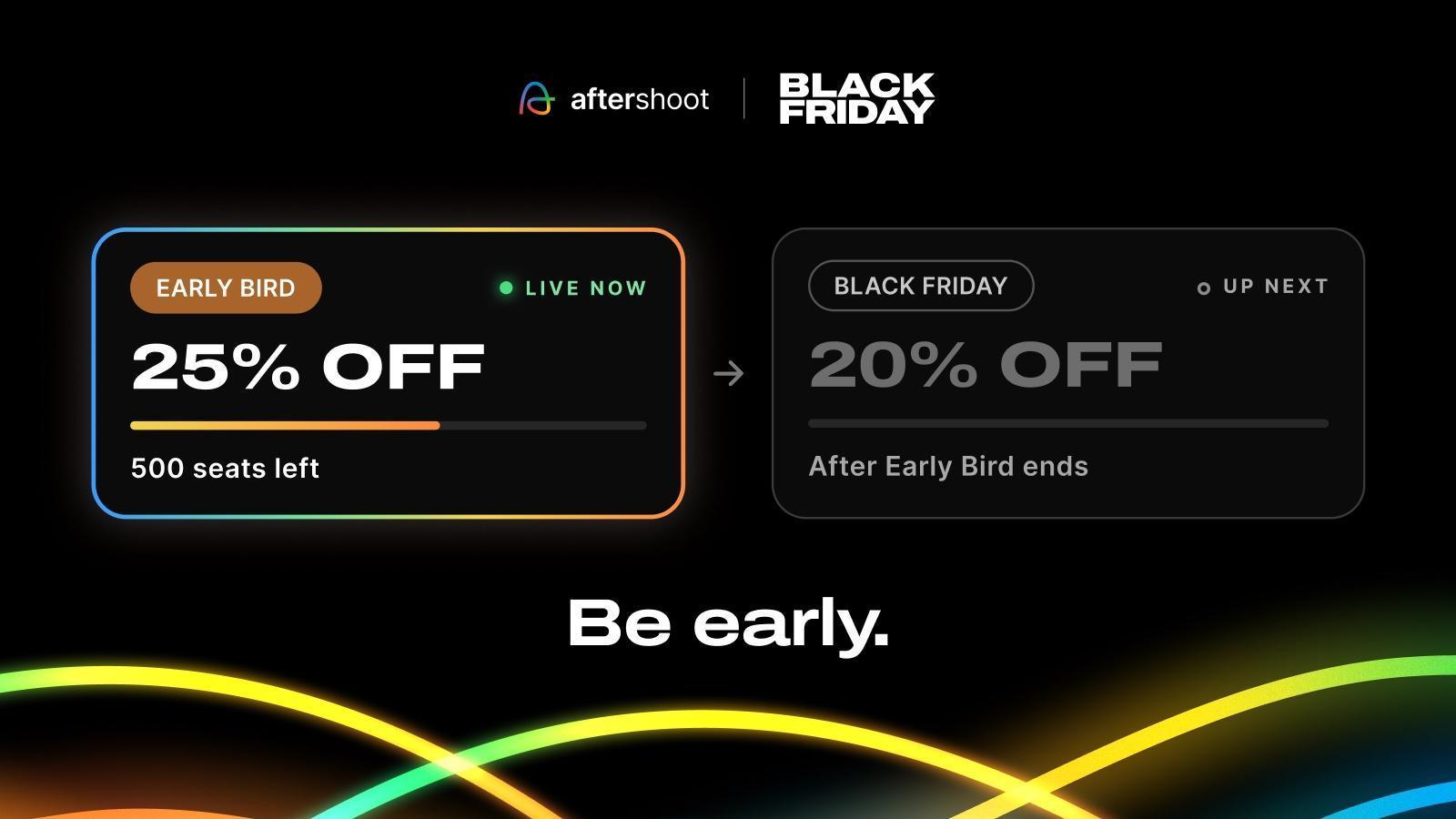
The digital photography industry is entering the 2026 holiday shopping season with a heightened focus on automation, as Aftershoot officially kicks off its Black Friday 2026 promotional campaign. The company, a prominent player in the AI-assisted post-production space, has introduced a tiered discount structure for its annual subscription plans, targeting professional photographers looking to streamline their post-shoot workflows. For the first 500 customers to secure an annual plan, Aftershoot is providing a 25% discount, while subsequent customers will receive a 20% reduction. This pricing structure covers the full spectrum of Aftershoot’s software ecosystem, including the Select, Edit, Retouch, and Complete tiers.
The move comes as the demand for AI integration in creative workflows continues to accelerate. Aftershoot has built its market position on the premise of local processing—a critical differentiator in an industry where cloud-based competitors often require significant bandwidth and recurring per-photo fees. By enabling the software to run locally on a photographer’s existing Mac or Windows hardware, the company eliminates the latency associated with cloud uploads and the variable costs that can accumulate during high-volume wedding or event seasons.
Chronology and Availability of the 2026 Promotion
The promotional window opened this week and is scheduled to conclude on November 27, 2026. Interested users can access the discounts automatically at checkout by visiting the dedicated portal at aftershoot.co/blackfridaydeal. The rollout is structured to incentivize early adoption, with the most significant savings reserved for the first 500 subscribers.
This annual event follows a consistent pattern of year-end software discounting, which has become a staple for professional creative tools. For Aftershoot, this specific campaign serves as a strategic push to convert monthly users into annual subscribers while capturing a larger share of the market during the industry’s peak planning period for the following calendar year. The company is also bundling its "Galleries" client delivery add-on for a flat $25 annual fee, which includes 100 GB of storage, further diversifying its service offerings beyond just culling and editing.
Financial Implications and Comparative Cost Analysis
To understand the financial impact of this sale, it is necessary to examine the shift from monthly to annual billing. Under normal operating conditions, Aftershoot’s monthly plans are priced at $15 for Select, $25 for Retouch, $35 for Edit, and $55 for the comprehensive Complete package. By opting for the annual plan during the early bird sale, a user subscribing to the Complete package pays $405 for the year, compared to a standard annual cost of $540.
When compared to the month-to-month expenditure, the savings are substantial. A year of the Complete plan purchased at the discounted early bird rate effectively saves a photographer $255 compared to the cumulative cost of paying monthly over the same 12-month period. This pricing strategy highlights a broader industry shift toward "flat-rate" subscriptions. Unlike competitors such as Imagen, which utilize a pay-per-image model (often cited at approximately $0.05 per photo plus monthly minimums), Aftershoot’s model offers cost predictability. For a professional shooting large-scale weddings where delivering 800 to 1,000 final images from a 4,000-frame shoot is standard, the cost-per-photo advantage of a flat-fee subscription becomes highly significant.
Technical Architecture and Workflow Integration
Aftershoot’s software architecture is categorized into three distinct modules: Select, Edit, and Retouch. These are designed to be modular, allowing photographers to purchase only what they require.
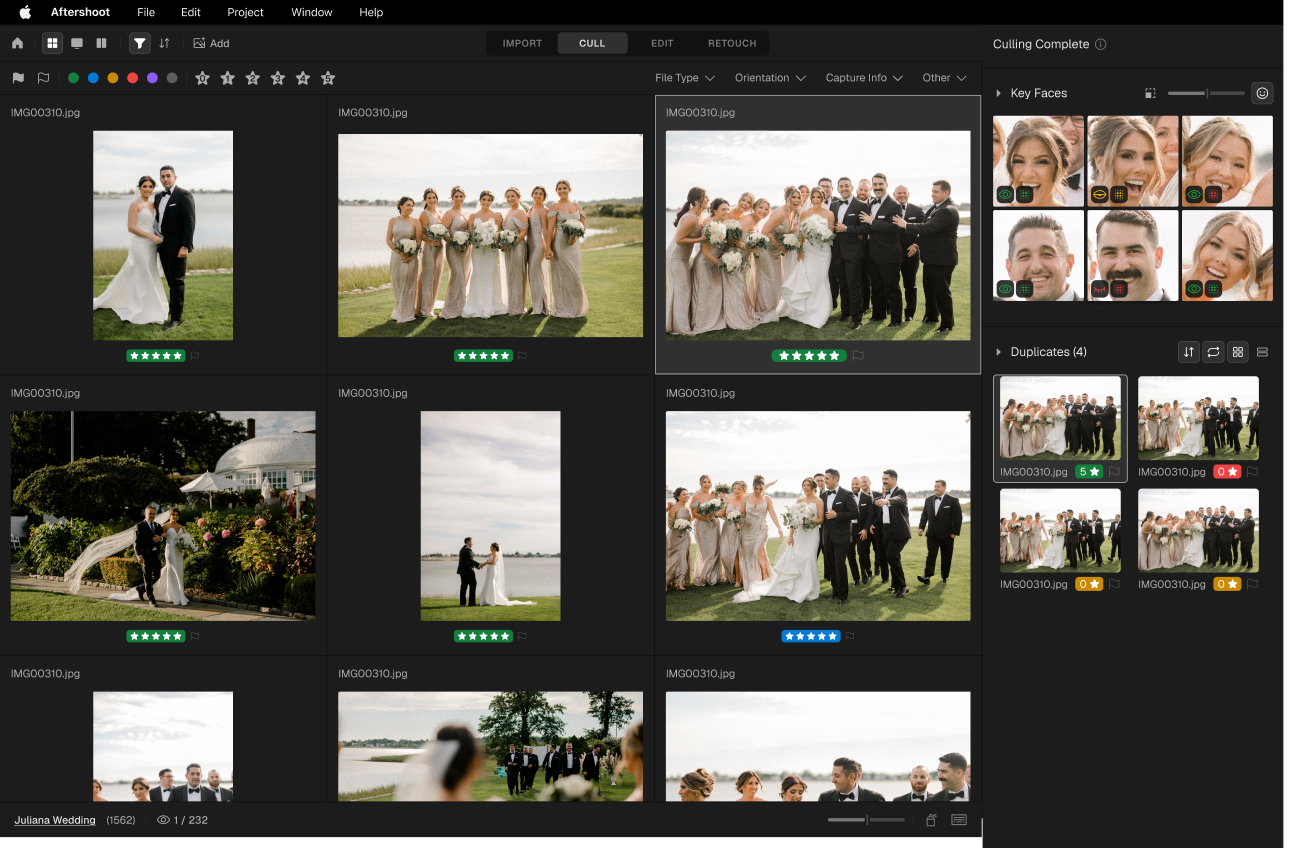
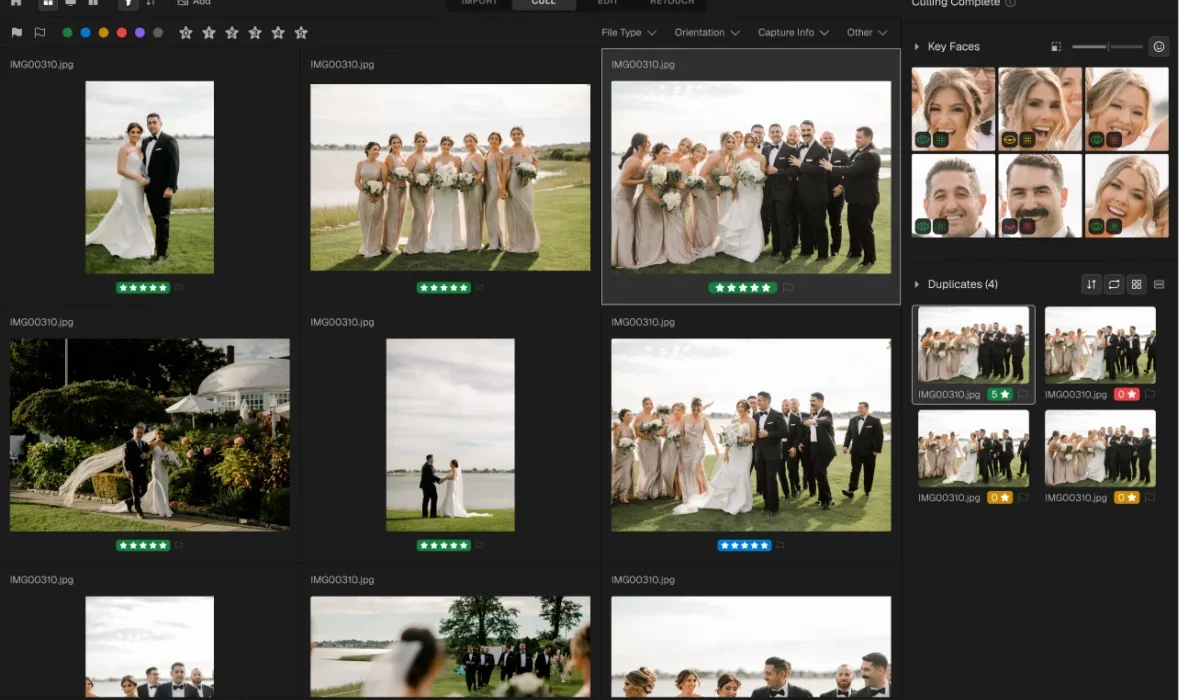
- Select: This module automates the culling process, identifying duplicates, blurred images, or shots with closed eyes. It is specifically designed to address the primary bottleneck for wedding and event photographers.
- Edit: Utilizing the photographer’s historical editing data, this module learns a user’s unique style and applies it to new catalogs. For those lacking a deep back catalog, the company’s "Marketplace" offers over 30 pre-built AI styles developed by established industry professionals.
- Retouch: The final layer of the workflow, addressing localized enhancements and skin adjustments.
A key technical feature is the non-destructive nature of the output. Aftershoot integrates directly with standard industry software, including Adobe Lightroom Classic, Capture One, Photo Mechanic, and Bridge. The adjustments are applied as metadata settings, ensuring that the original RAW data remains untouched and that the photographer retains total control over the final aesthetic of the images.
Market Context: Why Automation Matters in 2026
The photography market in 2026 is characterized by increasing client expectations for faster turnaround times. Historically, the "cull-edit-deliver" cycle could occupy several days of a photographer’s post-shoot time. Independent surveys within the professional photography community suggest that the manual portion of this workflow remains the single largest time sink for freelance businesses.
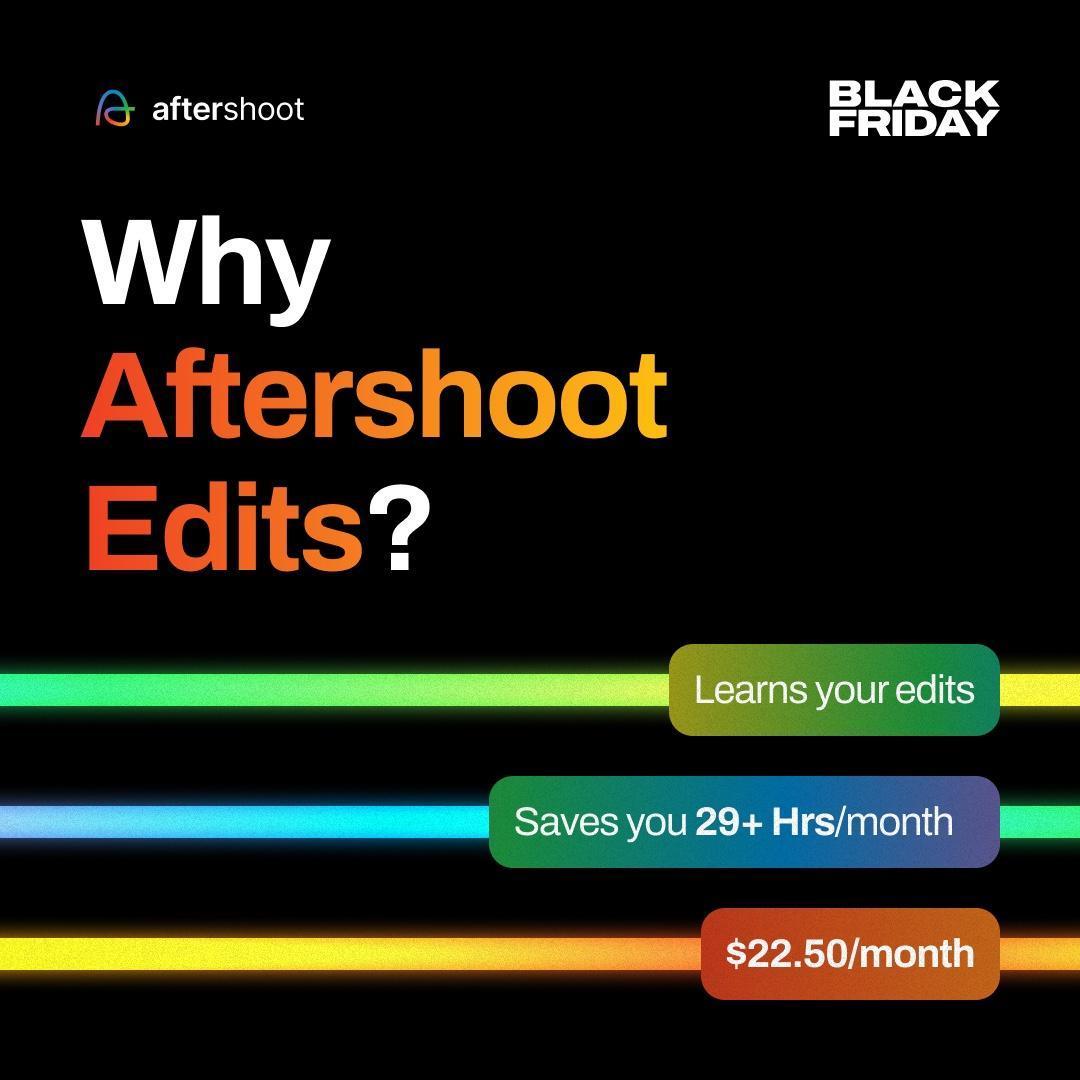
Aftershoot’s internal data suggests that the Edit module can save users upwards of 29 hours per month. While individual results vary based on the consistency of the user’s historical edits, the potential to reclaim nearly four full workdays per month represents a shift in business viability for many small studio owners. This time reclamation allows photographers to focus on business development, networking, or increasing their shooting volume without the corresponding increase in post-production labor.
Considerations for New Users
While the financial incentives of the Black Friday sale are clear, potential users should be mindful of the technical requirements. Because Aftershoot processes images locally, the performance of the software is inextricably linked to the hardware specifications of the host computer. The manufacturer recommends a minimum of 8 GB of RAM, though professional-grade performance—especially with large RAW file batches—generally benefits from higher memory configurations and modern CPU architectures.
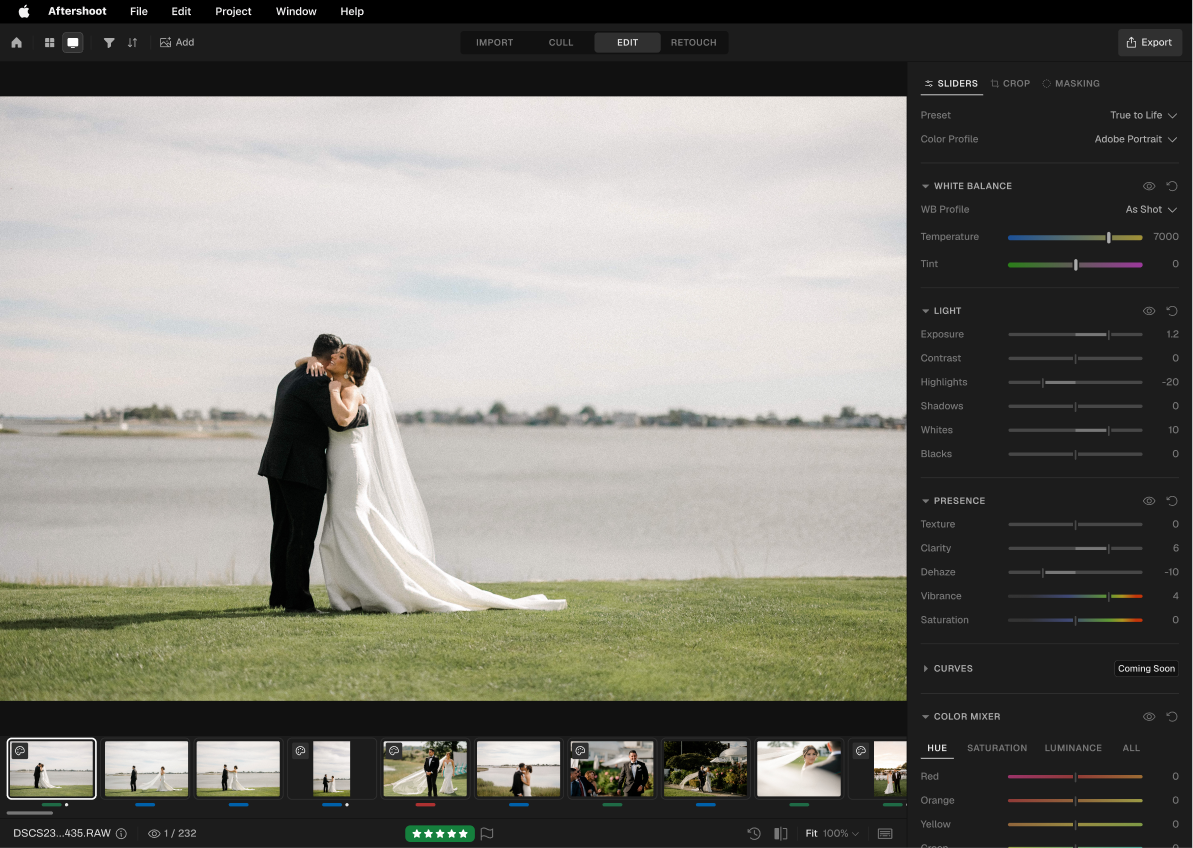
Furthermore, the "Edit" module relies on a feedback loop. For the AI to accurately replicate a specific style, it requires a representative sample of that photographer’s previous work. New users should expect a "calibration period" during the first few weeks of use, where minor adjustments to the AI’s output are necessary until the software’s profiles are sufficiently refined. To mitigate the risk of a long-term commitment, the company encourages users to utilize their 30-day free trial on an active job before committing to the annual plan.
Broader Industry Impact and Future Outlook
The aggressive pricing of software tools like Aftershoot signals a broader maturation of the AI photography sector. As the novelty of AI-assisted editing wears off, competition is shifting toward user experience, hardware efficiency, and cost stability. By moving to a flat-fee, locally processed model, Aftershoot is positioning itself as a utility for the "working" photographer rather than a premium service for high-end boutiques.
The inclusion of the Galleries delivery add-on at a discounted rate indicates that Aftershoot is aiming to become an all-in-one ecosystem. By consolidating culling, editing, and client delivery, the company is attempting to capture more of the photographer’s monthly software budget while reducing the complexity of a fragmented tech stack.
Expert Analysis and Final Considerations
For the professional, the decision to invest in such a tool during a promotional period boils down to an assessment of billable hours versus subscription costs. If the Select module can reduce a six-hour culling session to under an hour, the annual cost of $90 effectively pays for itself within the first few weddings of the year.
The strategy of offering "early bird" seats for the deepest discounts is a common psychological pricing tactic that effectively creates urgency. As noted in the current promotional terms, the jump from 25% off to 20% off represents a marginal difference in absolute dollars on smaller plans but serves as a strong driver for immediate sign-ups.
As the industry moves toward 2027, the standard for professional photography will likely involve some form of AI intervention. The winners in this space will be the companies that provide the most transparent pricing and the most seamless integration with existing industry-standard software. Aftershoot’s Black Friday 2026 campaign reflects a company confident in its ability to meet these demands, offering a clear path to efficiency for photographers currently burdened by the manual labor of the post-production cycle. Whether this leads to higher industry output or simply more "free time" for photographers remains to be seen, but the economic pressure to adopt these tools is becoming difficult to ignore.