





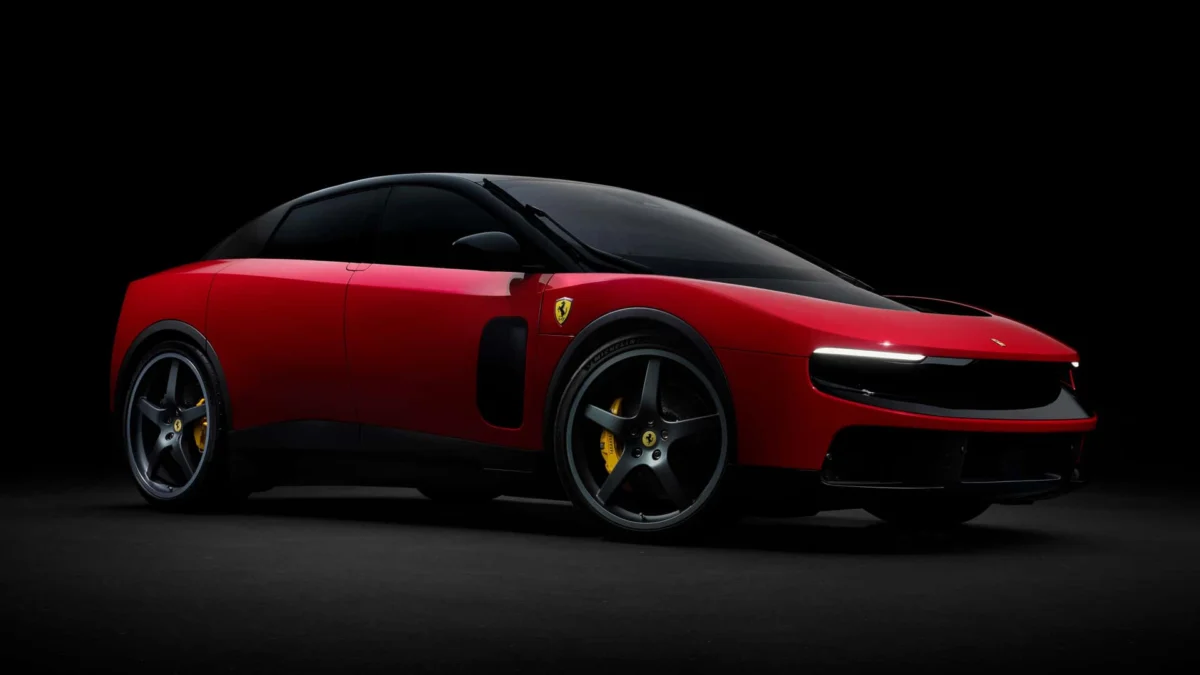
The vehicle in question, the Ferrari Luce, represents a historic inflection point for the Maranello-based manufacturer. As the automotive industry navigates a complex transition toward electrification, Ferrari has opted to maintain its exclusivity by keeping production volumes strictly controlled, ensuring that demand continues to outpace supply. During the company’s recent earnings call, CEO Benedetto Vigna confirmed that the production allocation for the 2027 model year has been entirely claimed, signaling that the brand’s most affluent clientele remains unfazed by the shift away from internal combustion engines.
The Financial and Market Landscape
The Luce enters the market at a base price of $560,800 in the United States, a figure that places it firmly in the ultra-luxury segment. Despite the steep entry point and the polarizing design language that has sparked intense debate among automotive enthusiasts, the order books remain full. Customers placing an order today are already looking at a lead time of approximately one year, a testament to the enduring strength of the Ferrari badge, regardless of the powertrain technology housed beneath the chassis.
The company has maintained a degree of strategic ambiguity regarding exact production numbers and regional distribution, a common practice for Ferrari as it balances growth with the scarcity that defines its brand equity. However, the commercial success of the Luce is underscored by the record-breaking auction of "Chassis 0"—the first production unit—which commanded a staggering $40 million. This transaction established a new benchmark for the most expensive new car ever sold at auction, providing a clear indicator of the market’s appetite for the brand’s first foray into the electric era.
A Departure in Design Philosophy
The aesthetic identity of the Luce is the result of a high-profile collaboration with LoveFrom, the design firm founded by former Apple design chief Jony Ive. The collaboration has resulted in a vehicle that deviates significantly from the traditional "Prancing Horse" silhouette. While historical Ferraris are defined by their low-slung, aggressive stances and aerodynamic curves, the Luce adopts a higher-riding, industrial-design aesthetic that prioritizes functional space and utility.
Most notably, the Luce is the first Ferrari in history to offer a five-seat configuration. This shift has prompted questions from purists regarding the vehicle’s identity. Critics have frequently pointed to its unconventional proportions, wondering if the aesthetic language of the Luce aligns with the heritage of a brand synonymous with mid-engine V8 and V12 sports cars. However, Vigna addressed these concerns during the earnings call, suggesting that the "controversial" nature of the design is merely a matter of acclimation. He noted that once potential buyers interact with the vehicle in person and experience its handling characteristics, the initial skepticism tends to dissipate.
Technical Performance and Engineering
While the design has been a subject of discussion, the technical specifications of the Luce place it among the most potent electric vehicles currently in development. The architecture features a quad-motor setup—providing independent torque vectoring at each wheel—which delivers a combined output of 1,035 horsepower and 730 pound-feet of torque. These figures allow the vehicle to achieve a 0-62 mph sprint in just 2.5 seconds.
To ensure the "Ferrari driving experience" is preserved, the engineering team has integrated a suspension system derived from the flagship F80 supercar, combined with rear-wheel steering for enhanced agility. Furthermore, the inclusion of steering-wheel-mounted paddles allows drivers to adjust regenerative braking and torque delivery, offering a level of tactile engagement that is often missing from electric competitors.

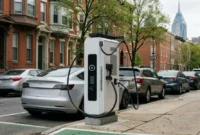
However, the Luce does not lead the market in traditional EV metrics. Its 112-kilowatt-hour battery, utilizing SK On pouch cells, offers a range of 530 kilometers (329 miles) on the WLTP cycle, which is expected to translate to a sub-300-mile rating under the stricter U.S. EPA guidelines. With a peak charging capacity of 350 kilowatts, the Luce is capable of rapid energy replenishment, yet it does not set new records in charging speed. These figures suggest that Ferrari is not chasing the title of "longest range" or "fastest charging," but is instead focusing on delivering a balanced, performance-oriented vehicle that prioritizes driving dynamics over pure utility.
Industry Context and Strategic Positioning
The launch of the Luce arrives at a time when the broader automotive industry is showing signs of hesitation regarding the pace of electric vehicle adoption. Key rivals, most notably Lamborghini, have recently recalibrated their electrification strategy, opting to prioritize hybrid powertrains over pure battery-electric vehicles for the immediate future. This contrast makes Ferrari’s commitment to the Luce particularly significant.
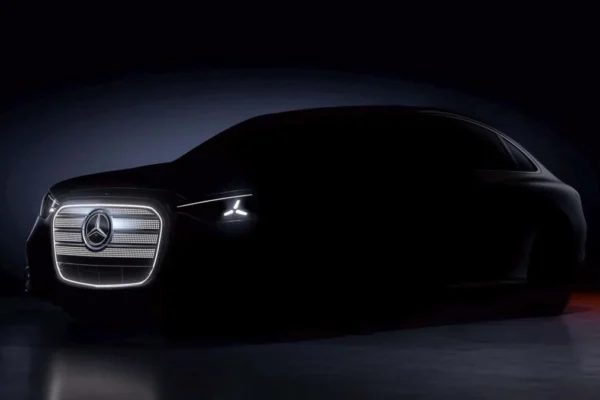
Other manufacturers have similarly faced challenges in defining an electric design language. Jaguar’s Type 01 and Mercedes-AMG’s recent performance EVs have all become focal points for discussions on how to translate legacy brand DNA into a battery-electric format. Ferrari’s success with the Luce, however, suggests that its brand loyalty is resilient enough to withstand the "growing pains" of a technological transition.
Initial media reviews, including those from publications like MotorTrend, have been largely positive, describing the driving experience as "beguilingly natural." This feedback appears to validate Vigna’s assertion that the car is best judged from the driver’s seat. The integration of advanced chassis control software and the aforementioned suspension tuning seems to have successfully mitigated the weight challenges inherent in large-capacity battery systems.
Implications for the Future
The sell-out status of the 2027 allocation has profound implications for Ferrari’s business model. It confirms that the company’s transition to electrification will not be a liability, but rather an opportunity to expand its demographic. By offering a vehicle that combines Ferrari-level performance with a five-seat, more versatile layout, the company is effectively lowering the barrier for entry for customers who previously found traditional Ferraris too restrictive for daily use.
As the company looks toward 2028 and beyond, the success of the Luce will likely dictate the speed at which the brand continues to electrify its lineup. If the current trajectory holds, the Luce will serve as the foundation for a new generation of electric Ferraris, proving that the brand’s core values—speed, handling, and exclusivity—are platform-agnostic.
For investors and analysts, the earnings call served as a reassurance that Ferrari’s brand equity remains robust. By maintaining scarcity and prioritizing high-margin, high-performance engineering, the company is avoiding the price wars and inventory build-ups currently plaguing more mass-market electric vehicle manufacturers. As it stands, the Ferrari Luce is not merely a car, but a statement of intent: that the future of the high-performance automobile can remain uniquely Italian, regardless of the energy source.
The coming months will likely see more data emerging as the first units reach customers and the vehicle is subjected to more rigorous, independent real-world testing. Until then, the story of the Luce remains one of a brand successfully bridging the gap between its storied past and a highly scrutinized future. Whether the design continues to be a point of contention remains secondary to the fact that, for the world’s most discerning collectors, the allure of a new, high-performance Ferrari is, as always, irresistible.