












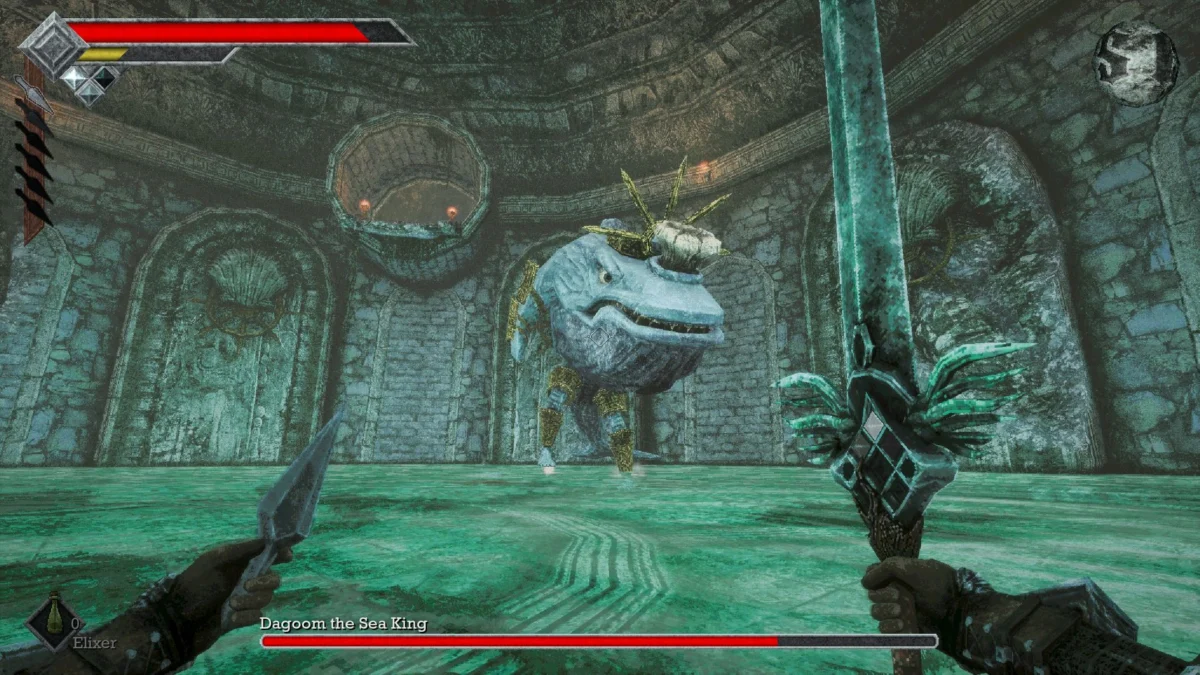
The release of Freshly Baked Games’ Queen’s Domain on October 30 marks a significant milestone for the indie "King’s Field-like" subgenre. Available on Steam for a promotional launch price of $17—a 15% reduction from its standard $20 MSRP—the title has garnered immediate attention for its unconventional approach to first-person movement and environmental design. While the game initially mirrors the slow-paced, atmospheric tension synonymous with early FromSoftware classics, it distinguishes itself through a sophisticated traversal system that elevates it from a traditional dungeon crawler to a dynamic, vertical-focused experience.
A Chronology of Development and Release
The journey of Queen’s Domain from concept to commercial release has been characterized by a measured rollout. The title initially gained visibility through a public demo, which allowed developers to gauge player feedback regarding its core mechanics and "friction"—a common attribute in retro-styled RPGs where movement and inventory management are intentionally cumbersome.
Following the positive, albeit cautious, reception of the demo, the full release provided the complete scope of the experience, which current estimates place at approximately 30 hours of gameplay for a standard completionist run. The transition from the restricted, grounded opening hours of the game to the expansive, high-mobility mid-game has been identified as the turning point for the title’s critical reception. This pacing is intentional, designed to contrast the player’s initial vulnerability with the eventual empowerment granted by the game’s central traversal tool, the Holy Sword known as Endu.

Technical Innovations in Movement and Combat
At the heart of the Queen’s Domain experience is a departure from traditional RPG stat-allocation systems. In many contemporary titles, player growth is tied to the manual distribution of points into attributes such as strength, dexterity, or intelligence. Queen’s Domain eschews this model entirely in favor of an experimental, usage-based progression system.
Weaponry in the game functions through a transformation mechanic. By utilizing specific weapons in combat, players trigger upgrades that fundamentally alter the item’s utility and special abilities. This system encourages a high degree of horizontal progression, where players are incentivized to cycle through a diverse arsenal rather than focusing on a single "build." Field reports suggest that players can effectively master over 20 unique weapons in a single playthrough, drawing comparisons to the systemic complexity of titles like System Shock or BioShock rather than the linear progression of the Dark Souls series.
The introduction of the Endu sword serves as the game’s primary mechanical pivot point. Equipped with gems that grant additional aerial dashes, the sword facilitates a style of movement that allows for significant sequence breaking. Players who invest in these upgrades can navigate map layouts in non-linear ways, bypassing traditional environmental obstacles. This, combined with secondary tools like the Caestus—a blunt weapon that doubles as a vertical launcher—creates a layered traversal system that is rarely seen in first-person RPGs.
Comparative Analysis: The Metroid Prime Influence
Industry analysts and players have frequently cited Nintendo’s Metroid Prime as a stylistic and structural touchstone for Queen’s Domain. The comparison is rooted in three key pillars:

- Atmospheric Crypticism: Like the Metroid Prime series, Queen’s Domain prioritizes environmental storytelling, utilizing subtle audio-visual cues to guide the player rather than explicit quest markers or dialogue-heavy tutorials.
- Verticality as Design: The game’s level architecture is designed to reward curiosity. By allowing players to reach previously inaccessible heights through movement upgrades, the designers force the player to re-contextualize their knowledge of the map.
- Non-Linear Backtracking: A frequent critique of the "Metroidvania" genre is the frustration associated with backtracking. Early indications suggest that Queen’s Domain attempts to mitigate this by ensuring that returning to previous zones with new movement capabilities results in meaningful discoveries or shortcuts, rather than mere repetitive traversal.
Market Implications and Genre Saturation
The independent gaming market has seen a surge in "King’s Field-likes"—titles that emulate the specific, often clunky, but deeply atmospheric design language of FromSoftware’s pre-Souls era. With titles such as Lunacid having already established a successful foothold, the market is currently experiencing a period of peak saturation.
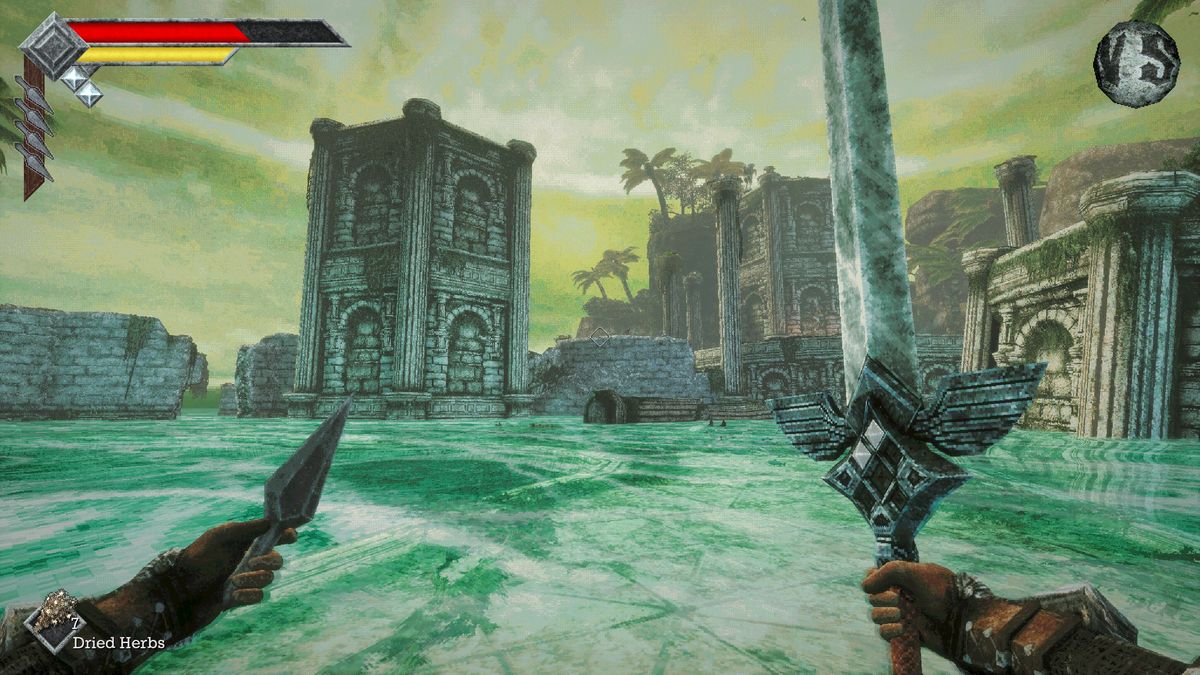
The success of Queen’s Domain highlights a trend where indie developers are not merely imitating the aesthetic of retro titles but are actively innovating upon their mechanical limitations. By injecting high-octane, metroidvania-style mobility into a slow-burn dungeon crawler, Queen’s Domain occupies a unique niche. For developers, this suggests that the key to standing out in a crowded market lies in the synthesis of disparate subgenres—in this case, blending the claustrophobic dungeon-delving of a 1990s RPG with the fluid, platforming-focused exploration of a modern action-adventure game.
User Reception and Community Feedback
Initial feedback from the community underscores a notable learning curve. Reports indicate that the first 30 to 60 minutes of the game can be daunting due to the "grounded" nature of the protagonist before the acquisition of the Endu sword. This early-game barrier has led to a polarized initial experience for some players; however, the prevailing sentiment among those who have pushed past the initial hour is that the payoff is substantial.
The developers at Freshly Baked Games have maintained a low-profile, engagement-focused communication strategy, relying on the quality of the gameplay loop to drive organic growth. This is a common tactic for smaller studios, where word-of-mouth recommendations serve as the primary marketing driver. The absence of heavy-handed tutorials or intrusive UI elements reflects a commitment to player agency, a design philosophy that aligns with the expectations of the core audience for this subgenre.
Broader Industry Context
As the game continues to find its audience on Steam, it serves as a case study for the viability of niche, high-difficulty, and high-complexity RPGs. While Queen’s Domain may not appeal to the mass-market casual player due to its deliberate pacing and lack of traditional hand-holding, it represents a successful execution of a specific design vision.
Furthermore, the game’s focus on "nostalgic intangibles"—such as specific UI sounds, menu aesthetics, and color palettes—taps into a growing trend of retro-revivalism in the gaming industry. By honoring the tactile feel of 32-bit era gaming while utilizing the processing power and mechanical fluidity of modern hardware, the developers have created a bridge between two distinct eras of game design.
In summary, Queen’s Domain distinguishes itself by refusing to be a mere homage. Through its innovative movement system, non-traditional weapon progression, and clever approach to environmental design, it has established itself as a notable contender in the 2024 independent gaming landscape. As more players reach the mid-to-late stages of the game, the long-term impact of its mechanics on the genre will likely be a subject of continued discussion among developers and enthusiasts alike. With a full review pending, the title remains one to watch for those interested in the evolution of first-person exploration games.