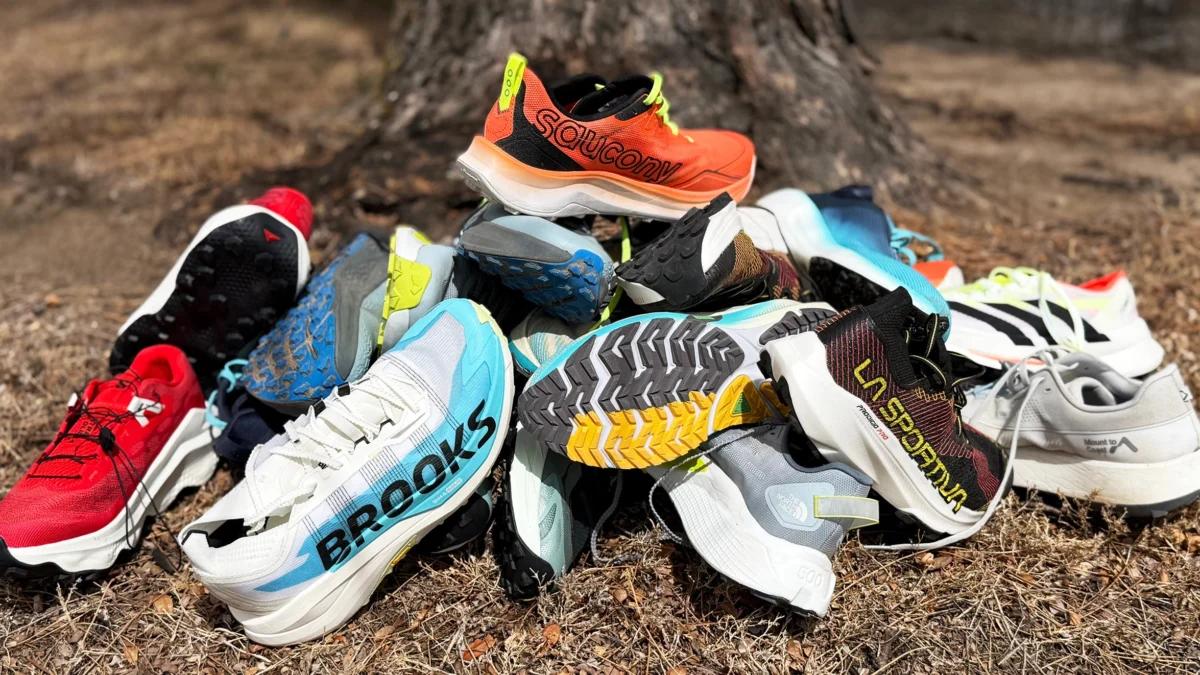









The modern backcountry looks fundamentally different than it did a generation ago. Across long-distance routes like the Appalachian Trail and the Pacific Crest Trail, the traditional leather hiking boot has become an endangered species. Trail data compiled by outdoor gear analysts and outfitters indicates that up to 90 percent of contemporary thru-hikers now opt for low-cut, highly cushioned trail running shoes rather than rigid, ankle-supporting footwear. This massive shift in consumer preference reflects broader advancements in outdoor athletic technology, changing priorities in lightweight backpacking culture, and an ongoing debate regarding the environmental and functional trade-offs of modern gear.
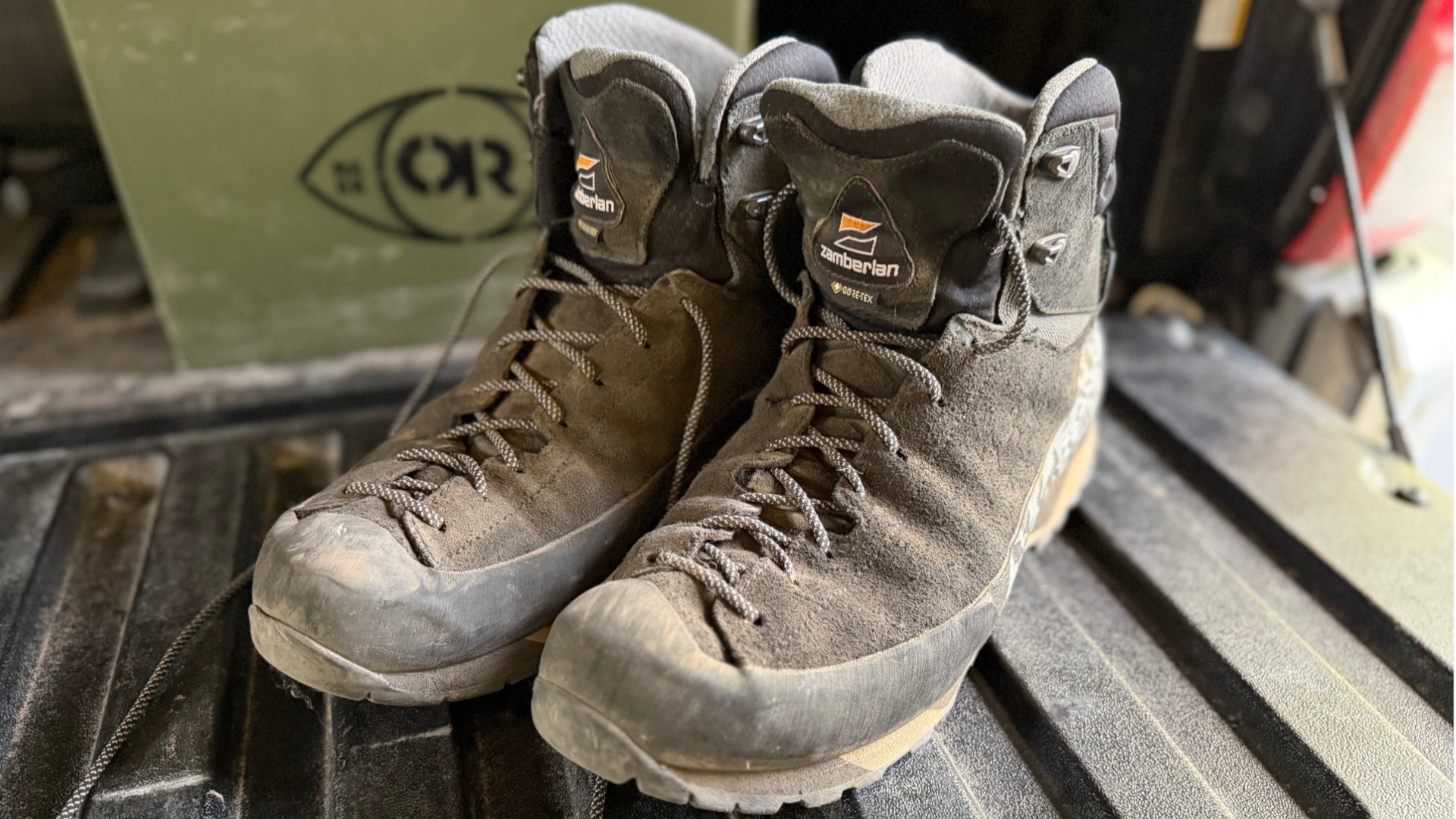
To understand how the hiking footwear market reached this tipping point, one must look at the rapid evolution of outdoor athletics over the past two decades. Historically, leather and heavy canvas boots were non-negotiable equipment for anyone venturing into the wilderness. Designed to withstand abrasive terrain, shed heavy moisture, and provide maximum structural support under weighted backpacks, traditional boots were built to last for years, if not decades. However, the rise of fast-packing and ultralight backpacking in the late 1990s and 2000s challenged the notion that heavy gear was necessary for safety. As manufacturers developed high-traction rubber outsoles, breathable mesh uppers, and EVA foam midsoles designed specifically for running on rugged terrain, hikers quickly realized the benefits of shedding ounces from their feet. Industry metrics show that a pound on the feet equals five pounds on the back, accelerating the mass migration away from traditional boots toward lightweight footwear alternatives.
The technological transition away from boots has triggered significant environmental and economic discussions within the outdoor industry. Lightweight trail runners, while offering superior agility, breathability, and comfort out of the box, possess a markedly shorter lifespan than traditional boots. Field reports from long-distance hikers frequently document athletes burning through anywhere from six to fourteen pairs of trail runners during a single continuous thru-hike of a Triple Crown trail. Consequently, trail runners have increasingly adopted a single-use or disposable lifecycle, transitioning rapidly from retail shelves to municipal landfills.
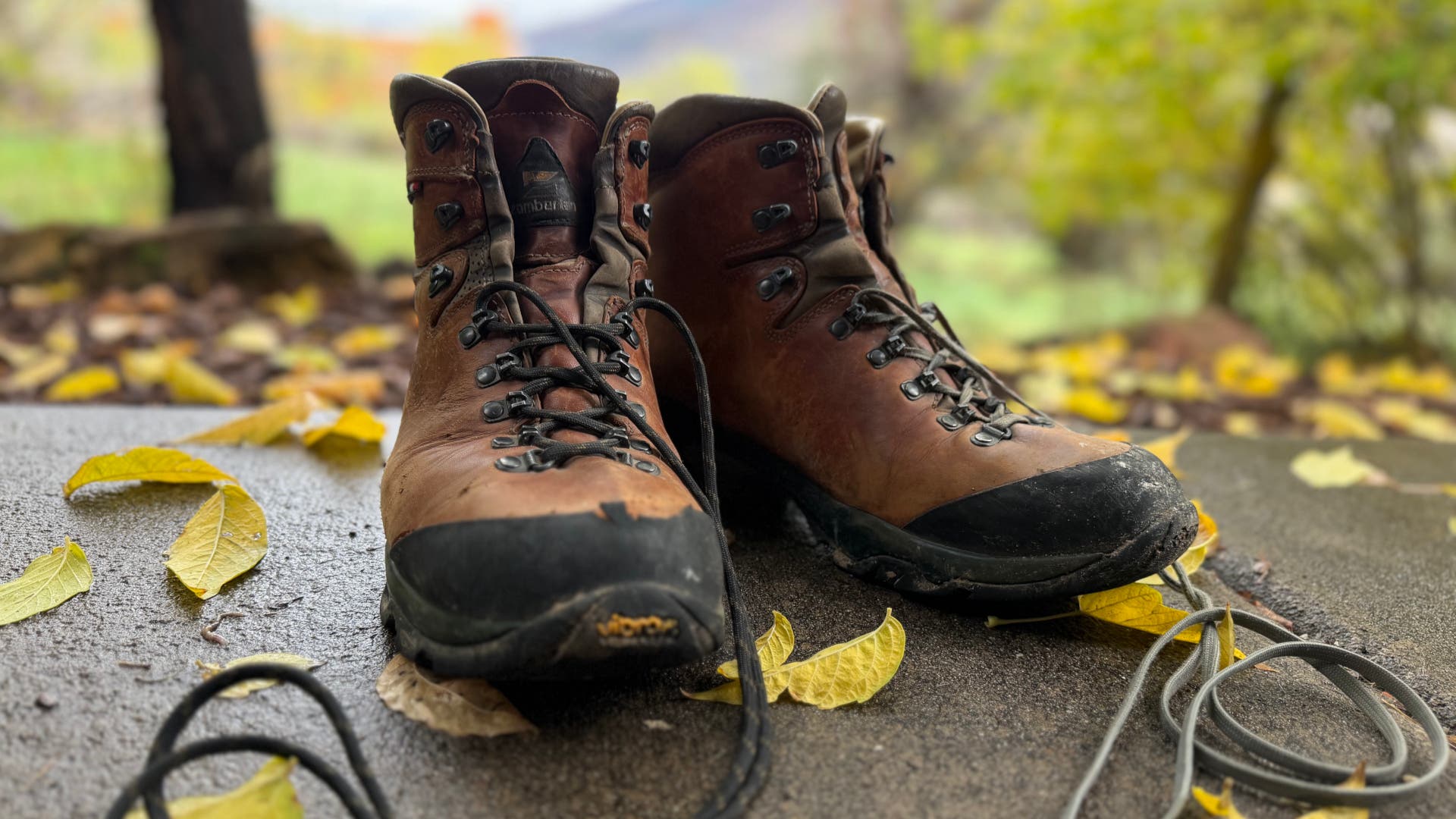
Environmental researchers and sustainability advocates have raised concerns regarding this accelerated consumption cycle. Despite industry-wide initiatives to incorporate recycled materials into athletic footwear, the sheer volume of discarded shoes generates substantial waste. Furthermore, recent ecological studies examining water pollution in remote backcountry lakes and streams have identified soft-soled running shoes as a contributing source of microplastic shedding. Unlike vulcanized rubber or stitched leather soles, the high-abrasion foam and synthetic polymers used in modern trail runners degrade continuously upon contact with granite, gravel, and abrasive soil, releasing microscopic particles into delicate watershed ecosystems.
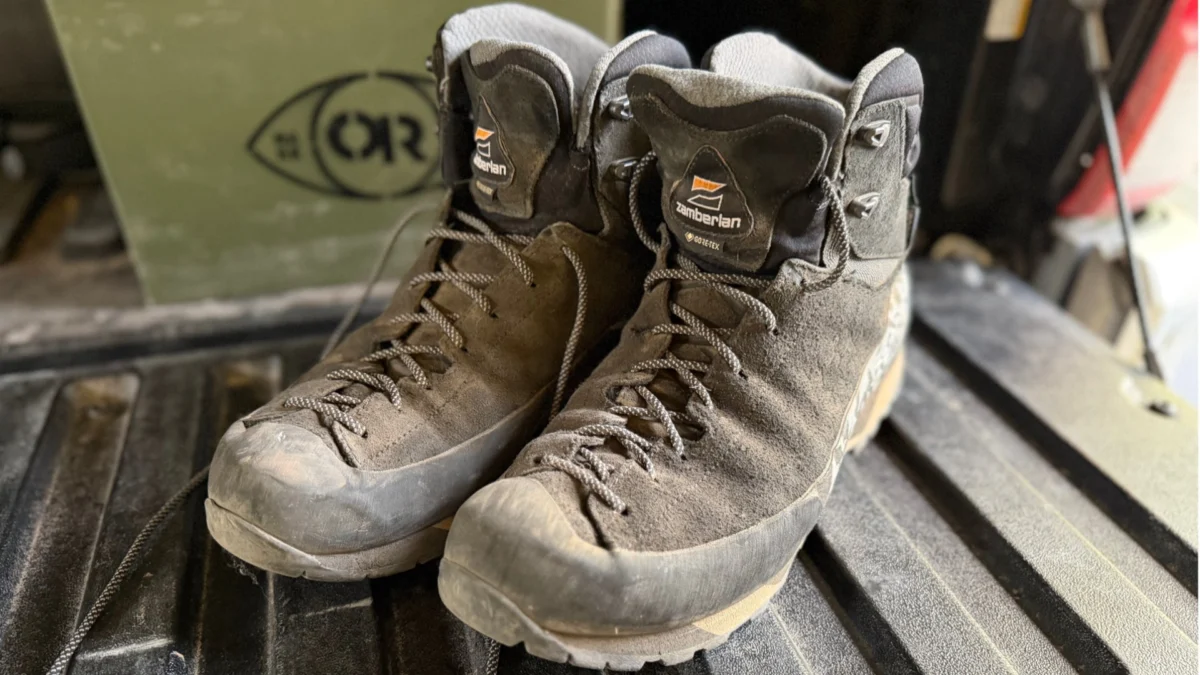
Conversely, traditional footwear manufacturers maintain that boots offer a sustainable alternative through longevity and maintenance infrastructure. Legacy bootmakers, such as Italian manufacturer Zamberlan and heritage brands like Danner, continue to offer factory resoling and repair services. By replacing worn outsoles and stitching, owners can often double the operational lifespan of a single pair of leather boots, significantly reducing their lifetime carbon and material footprint.
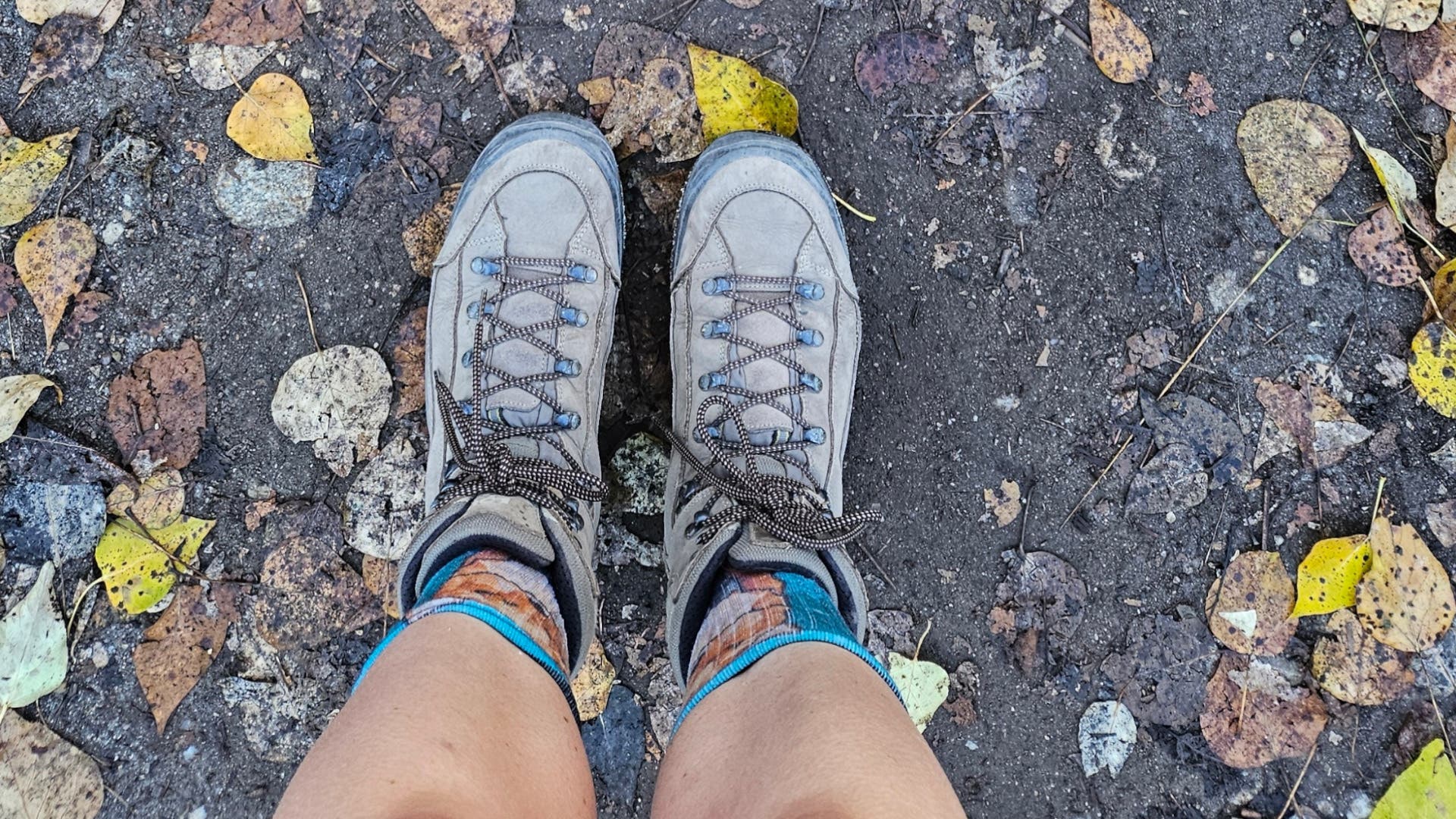
From a biomechanical and safety perspective, industry experts and podiatrists note that the debate between boots and trail runners involves distinct trade-offs. Traditional boots offer rigid ankle stabilization, puncture resistance against sharp scree and roots, and dependable weatherproofing. These attributes provide critical peace of mind for hikers traversing high-alpine environments, unstable boulder fields, or navigating heavy backpacks through inclement weather.
However, sports medicine professionals also point out that modern trail runners encourage a more natural foot strike and reduce overall leg fatigue. Because traditional boots weigh substantially more than trail shoes, the accumulated physical exertion of lifting a heavier boot over tens of thousands of daily steps can increase muscular fatigue, potentially leading to compensatory injuries. Furthermore, proponents of low-cut shoes argue that strong ankle mobility developed through lightweight footwear reduces reliance on external stabilization, allowing the foot’s intrinsic muscles to adapt organically to uneven terrain.
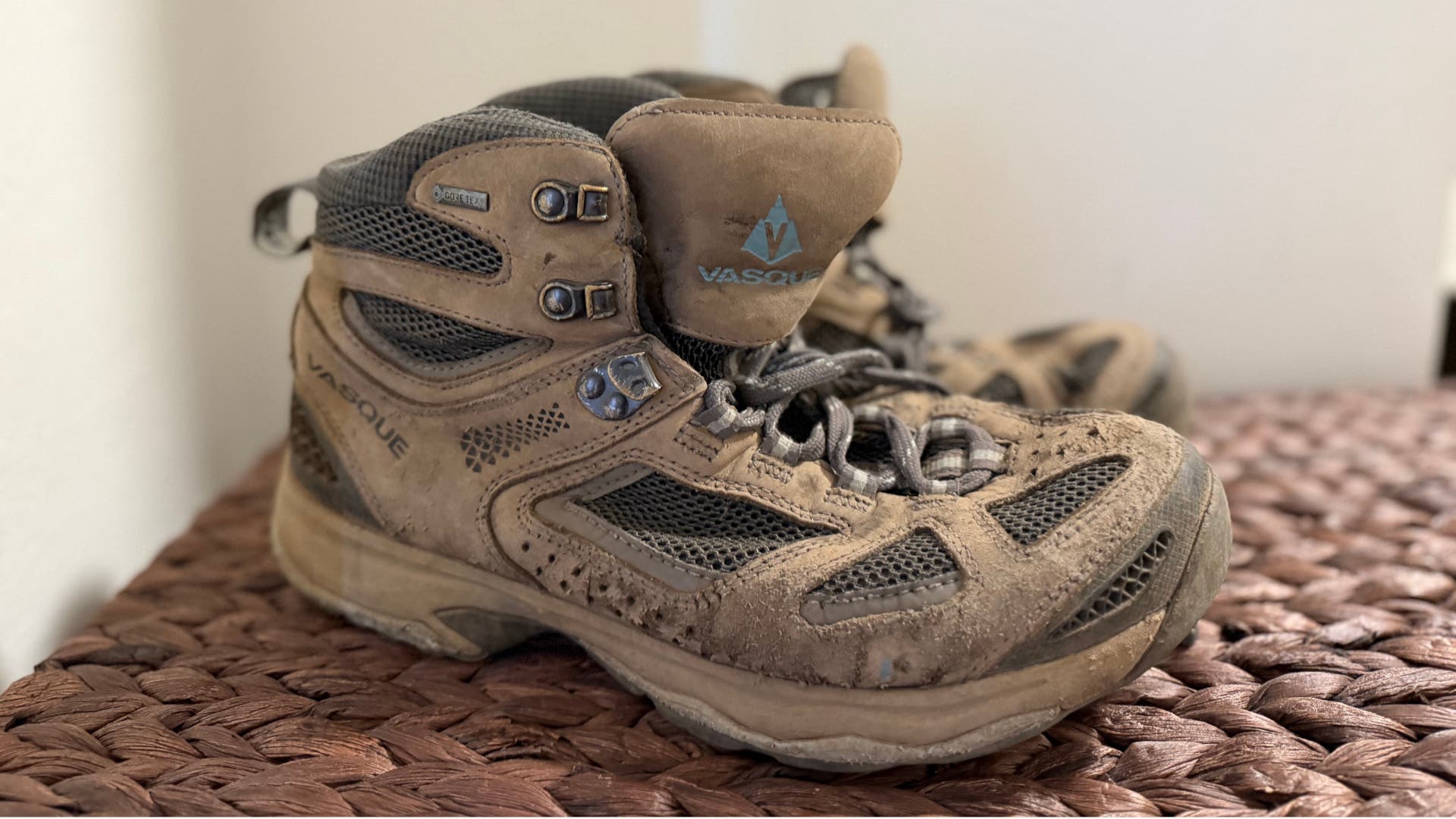
Gear manufacturers and outdoor retailers have observed that this footwear divergence also reflects a fundamental philosophical split among outdoor enthusiasts. The traditionalist perspective values durability, heritage craftsmanship, and a deliberate, measured pace on the trail. Heavier boots inherently moderate a hiker’s speed, compelling wearers to adopt a more contemplative, observant approach to nature. In contrast, the modern ultralight philosophy prioritizes efficiency, speed, and mileage accumulation, viewing gear strictly as high-performance athletic equipment rather than enduring personal property.
As the outdoor recreation economy continues to expand, the footwear market has adapted by introducing hybrid categories—such as mid-height waterproof hikers built with lightweight synthetic textiles—attempting to bridge the gap between traditional protection and modern agility. Nevertheless, statistical trends suggest that low-profile trail runners will remain the dominant choice for the foreseeable future, particularly among younger generations of backpackers and record-seeking endurance athletes.
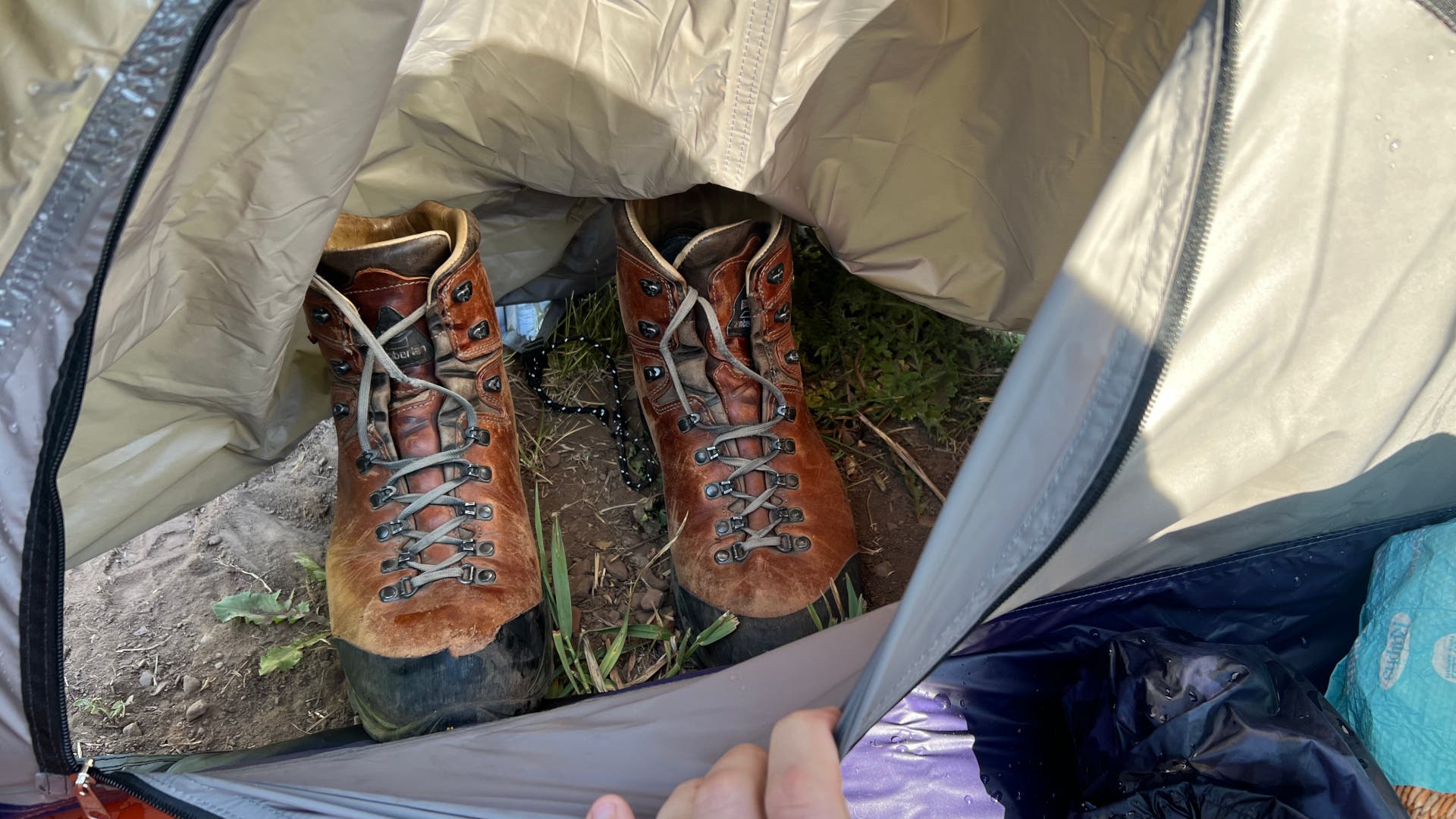
Ultimately, the decline of the traditional hiking boot signifies more than a mere shift in retail sales trends. It marks a generational evolution in how humans interact with the wilderness, balancing the desire for speed and technological convenience against the enduring value of durability, environmental sustainability, and the tactile history embedded in well-worn gear.