






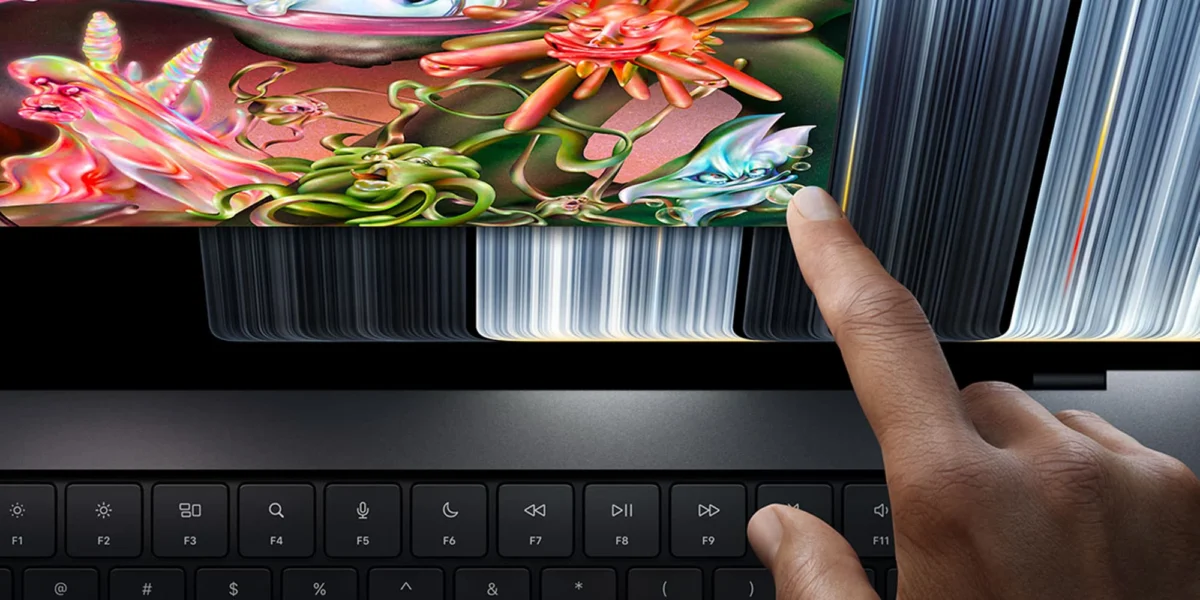
In a paradigm-shifting hardware announcement that fundamentally challenges decades of established computing philosophy, Apple Inc. has officially unveiled the all-new MacBook Pro equipped with a breakthrough PROLED XDR touch display. For years, the Cupertino-based technology giant fiercely resisted the integration of touchscreens into its laptop ecosystem, famously arguing through former executives that vertical touch interfaces on personal computers were ergonomically flawed and fundamentally unnatural. However, the introduction of the PROLED XDR MacBook Pro alongside the specialized capabilities of macOS 27 Golden Gate marks a monumental volte-face. This strategic pivot bridges the usability gap between iOS and macOS, offering power users an unprecedented hybrid interaction model that combines tactile direct manipulation with traditional keyboard and trackpad precision.
Background Context and Historical Resistance to Touch Computing
The journey toward a touchscreen Mac is one of the most protracted design narratives in modern consumer technology. When Microsoft and various Windows original equipment manufacturers flooded the market with touch-enabled laptops and convertible 2-in-1 devices in the early 2010s, Apple’s leadership remained steadfastly opposed. In 2012, during an earnings call, the late Apple co-founder and then-CEO Steve Jobs dismissed touchscreens on vertical displays as "ergonomically terrible," suggesting that user arms would quickly fatigue during prolonged interaction. Subsequent leadership, including current CEO Tim Cook and software engineering chief Craig Federighi, repeatedly doubled down on this stance, pointing to the iPad lineup as Apple’s premier vehicle for touch-based computing while reserving macOS strictly for cursor-and-keyboard workflows.

Despite this public resistance, rumors of internal prototyping persisted for years within Apple’s Cupertino labs. Industry analysts noted that the gradual convergence of operating systems—accelerated by the transition to custom Apple Silicon processors such as the M-series chips and the ability to run native iOS applications on macOS—inevitably created consumer demand for a unified physical interface. The tipping point arrived with the engineering maturity of advanced OLED and high-dynamic-range panel technologies, which allowed Apple to design an ultra-thin, highly responsive display layer that does not compromise color accuracy, battery efficiency, or structural rigidity. The result is the PROLED XDR display, a panel engineered specifically to withstand direct physical input while maintaining the rigorous professional standards required by video editors, colorists, and software engineers.
Chronology of Software Evolution and macOS 27 Golden Gate Integration
The hardware reveal is the culmination of a multi-year software engineering effort spearheaded by Apple’s macOS team. The groundwork for touch integration was quietly established earlier this year with the rollout of early developer previews for macOS 27 Golden Gate, which introduced foundational touch optimizations across the operating system framework.
As detailed during the hardware unveiling, Apple has systematically reimagined how macOS elements respond to human touch, ensuring that legacy applications and modern software alike can be navigated seamlessly without a mouse. Among the primary software adaptations is the implementation of enlarged traffic light icons. When a user interacts with the red close, yellow minimize, or green maximize buttons located in the top-left corner of an application window using a finger, the touch targets dynamically expand to accommodate fingertip precision, significantly mitigating accidental mis-taps.

Furthermore, macOS 27 brings comprehensive on-screen gesture support directly to the laptop display. Gestures traditionally reserved for the Force Touch trackpad—such as a three-finger swipe upward to access Mission Control, horizontal three-finger swipes to switch between active full-screen spaces, pinching to zoom within documents and images, and fluid scrolling through extensive web pages—are now fully native to the glass panel itself. Additionally, the system integrates the Dynamic Island directly into the macOS menu bar architecture, allowing users to invoke Spotlight search and manage live system activities via touch, mirroring the fluid interaction paradigms established in iOS 27.
Empowering Developers: The New Touch-Enabled iOS Simulator
One of the most consequential workflow enhancements introduced alongside the touchscreen MacBook Pro is targeted squarely at the software developer community. Historically, macOS developers working within Xcode had to test mobile applications by utilizing the iOS Simulator, navigating touch-based smartphone interfaces using mouse clicks and keyboard shortcuts to mimic gestures like pinching, swiping, and multi-touch inputs.
With the launch of the new MacBook Pro and macOS 27, the iOS Simulator has been completely overhauled to support direct tactile interaction. Developers can now physically touch, swipe, and interact with simulated mobile applications directly on their laptop screen. This eliminates friction in the app development pipeline, allowing creators to evaluate user experience, UI responsiveness, and gesture fidelity with absolute authenticity before deploying software to physical iOS devices. Industry analysts anticipate this feature alone will drive significant hardware adoption among enterprise software houses and independent iOS developers.

Granular UI Adjustments and System-Wide Refinements
Beyond headline-grabbing gestures and developer tools, Apple has meticulously refined the micro-interactions throughout the entire macOS interface to support touch input without alienating traditional mouse and keyboard users. When a user engages with system context menus or navigates the top menu bar, individual items automatically expand their hit-testing boundaries. This means that even when visual assets maintain their compact desktop styling, the underlying touch target becomes forgivingly large, ensuring high accuracy across diverse hand sizes.
Moreover, system-wide updates arriving on all Macs running macOS 27 include thoughtful quality-of-life additions, such as native pull-to-refresh mechanics within the Safari browser and optimized spatial distancing between menu bar icons. These subtle adjustments illustrate a design philosophy centered on dual-mode computing, where the user can fluidly transition between typing on the keyboard, swiping on the trackpad, and interacting directly with the glass without experiencing operational whiskers or input conflict.
Official Reactions and Industry Implications
While independent hardware benchmarks and comprehensive long-term reviews of the PROLED XDR MacBook Pro are still forthcoming, initial reactions from industry analysts, ergonomics experts, and software developers have been overwhelmingly positive. Tech sector observers note that Apple’s entry into the touchscreen laptop market effectively validates the form factor for professional creative industries that previously viewed touch-enabled PCs as consumer-grade compromises.

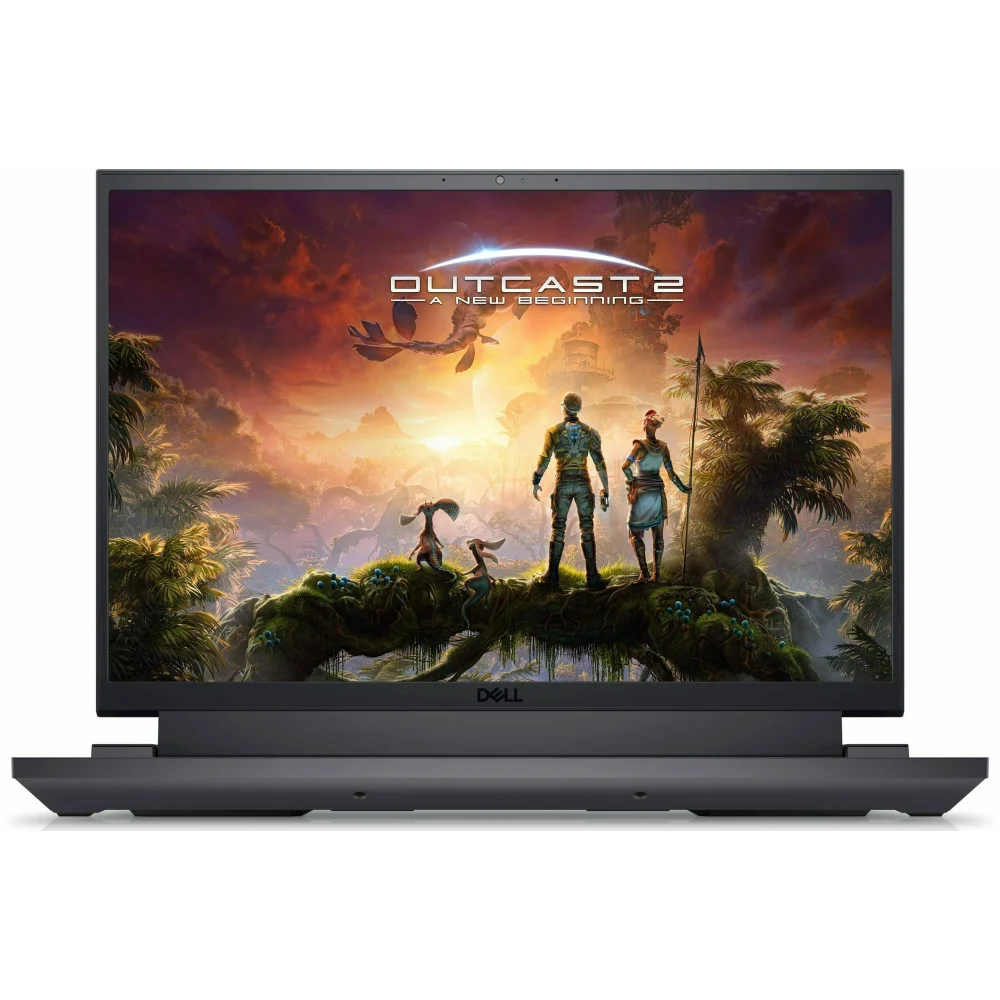
Competitors in the Windows ecosystem, such as Microsoft, Dell, and HP, have spent over a decade refining convertible and touchscreen laptops. However, Apple’s tightly integrated hardware-software ecosystem—anchored by custom silicon and the unified architecture of macOS 27—presents a distinct competitive challenge. By prioritizing low latency, advanced palm-rejection algorithms, and color-accurate PROLED XDR technology, Apple has avoided the common pitfalls of early touchscreen laptops, such as increased panel thickness and degraded battery life.
Financial analysts suggest that this hardware milestone could trigger a significant upgrade super-cycle among enterprise and creative professionals who have held onto older MacBook Pro models. As touch support inevitably trickles down to consumer-tier devices like the MacBook Air in future hardware iterations, Apple is positioning macOS as a versatile operating system capable of scaling across traditional desktop, portable workstation, and mobile-adjacent paradigms.
Broader Economic and Technological Outlook
The introduction of the touchscreen MacBook Pro represents more than just a single product refresh; it signifies a structural evolution in how personal computing devices are conceptualized and utilized. For over a decade, the boundary between mobile operating systems designed for touch and desktop operating systems designed for cursors was treated as an absolute divide. By systematically erasing this boundary through sophisticated software engineering and advanced display manufacturing, Apple has signaled that the future of computing is inherently multimodal.

As developers begin updating their software suites to leverage the expanded touch targets and gesture libraries of macOS 27, the software ecosystem will likely undergo a parallel transformation. The coming months will provide deeper insight into how consumers adapt to vertical touch interactions on a traditional clamshell laptop, and whether competing manufacturers will respond with accelerated innovations in display technology and operating system design. For now, Apple has definitively closed the book on its historical resistance to touchscreens on Macs, opening an ambitious new chapter in the evolution of personal computing.