







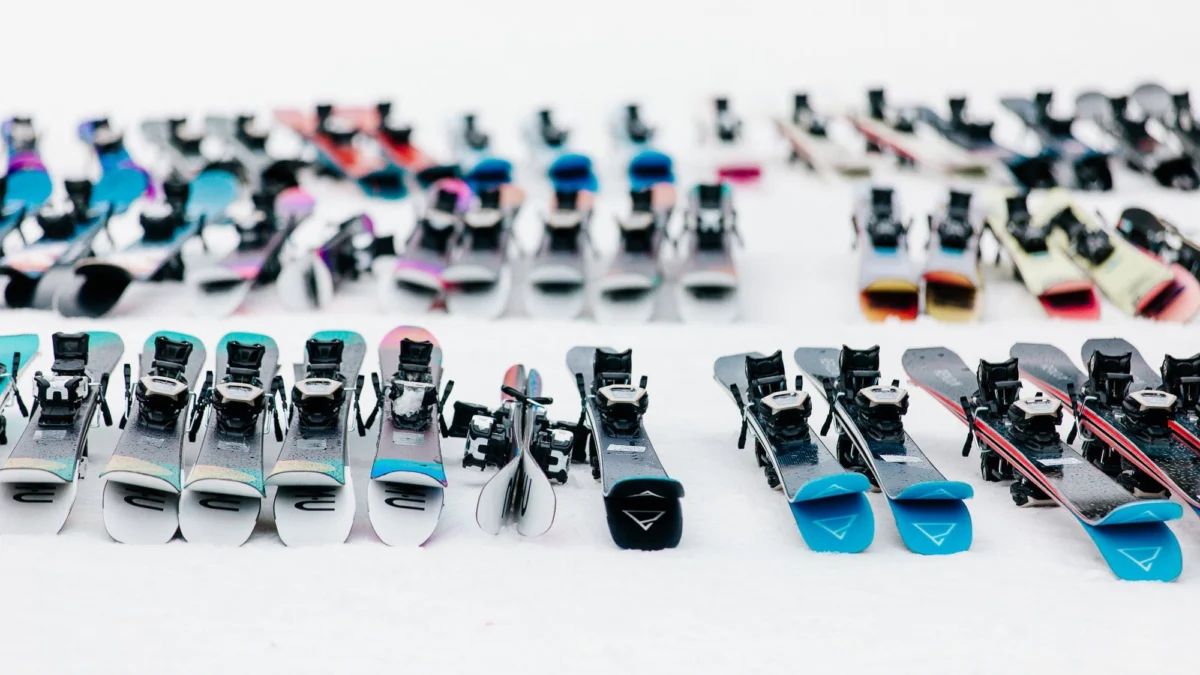
The transition from a beginner to an intermediate skier represents a critical evolution in a mountain enthusiast’s journey. It is a phase characterized by the shift from basic survival—learning to stop and manage speed—to the art of deliberate movement, edge control, and the exploration of varied terrain. To support this progression, major ski manufacturers have refined their "value-oriented" lines for the 2027 season, focusing on engineering platforms that provide stability and confidence without the prohibitive price tags or unforgiving stiffness found in expert-level race equipment.
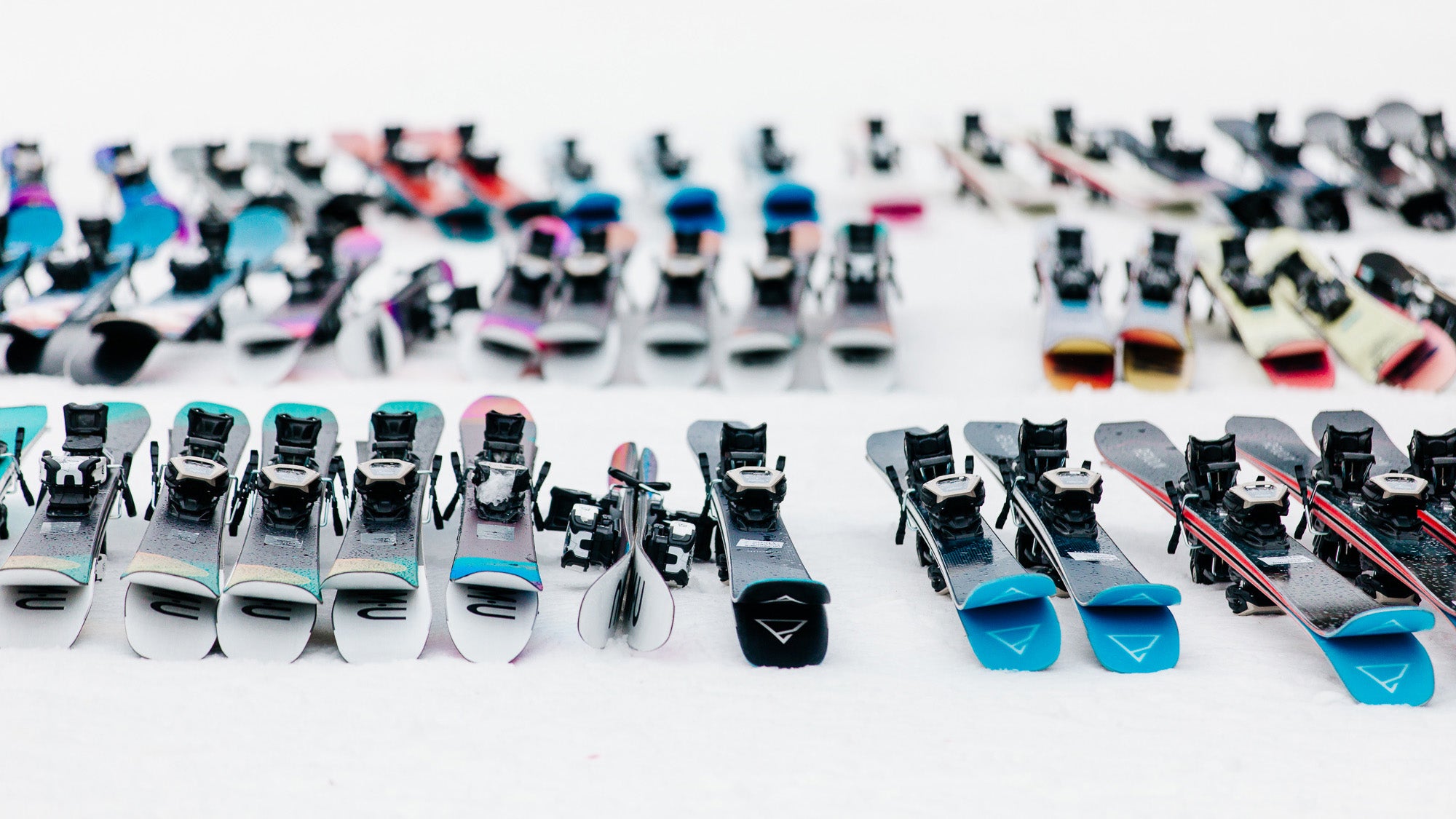
To identify the most effective tools for this demographic, a team of ten industry professionals—comprising certified ski instructors, professional ski patrollers, and veteran shop technicians—convened at Eldora Mountain, Colorado, for a rigorous week-long testing initiative. Over the course of the event, the panel evaluated 13 distinct models, all priced under $650, to determine which skis best facilitate skill acquisition while maintaining a high standard of performance.
The Evolution of Intermediate Gear
Historically, the intermediate market was often neglected, with brands focusing their R&D budgets on high-performance race skis or wide-body powder boards. However, market data from the 2025-2026 season suggests a paradigm shift. According to industry retail reports, there has been a 15 percent increase in demand for "system skis"—packages that include factory-matched bindings—as consumers seek to avoid the compatibility headaches and mounting fees associated with purchasing components separately.
The 2027 crop of intermediate skis reflects this demand, emphasizing waist widths between 75 and 85 millimeters. This specific geometry is designed for frontside dominance, providing a narrow platform that transitions quickly from edge to edge on groomed runs, while offering enough surface area to navigate the occasional light powder or "crud" encountered on the edges of trails.
Analytical Breakdown: Top Performers
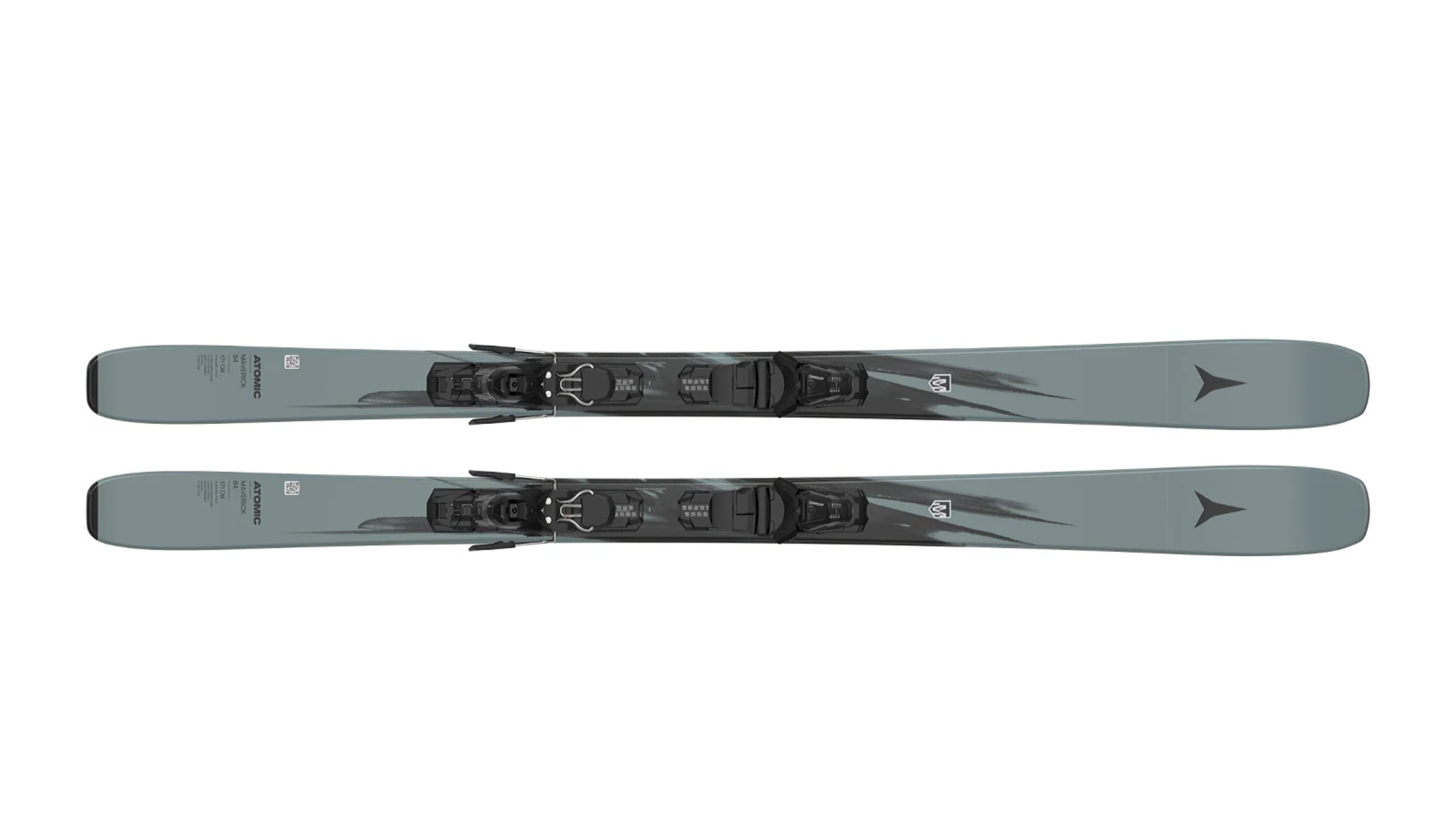
The testing at Eldora produced a clear consensus regarding which models offer the best return on investment. The Atomic Maverick 84 emerged as the standout, earning the "Editors’ Choice" designation. Analysts noted that the Maverick’s design—incorporating a light wood core reinforced with a Titanal stabilizer—effectively bridges the gap between accessibility and performance. It allows skiers to initiate turns with minimal input while maintaining enough structural integrity to hold an edge on firm, icy patches.
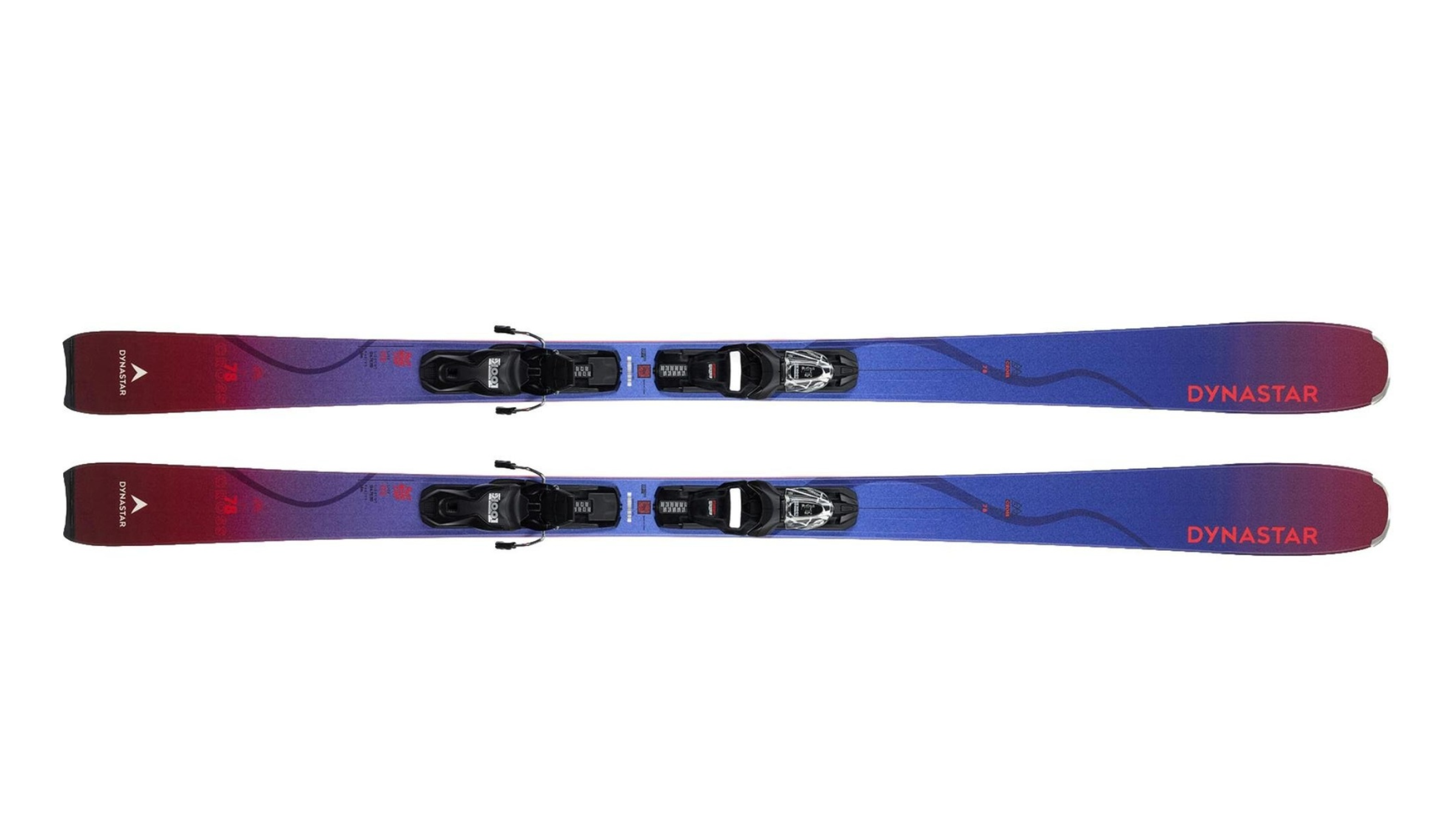
The Dynastar M-Cross 78 was lauded for its "intuitive" handling. Using the company’s proprietary Hybrid Core 2.0 construction, the ski utilizes wood layered in three distinct directions to maximize dampening. For skiers who feel intimidated by "chattery" skis that vibrate at speed, the M-Cross provides a smooth, predictable ride.
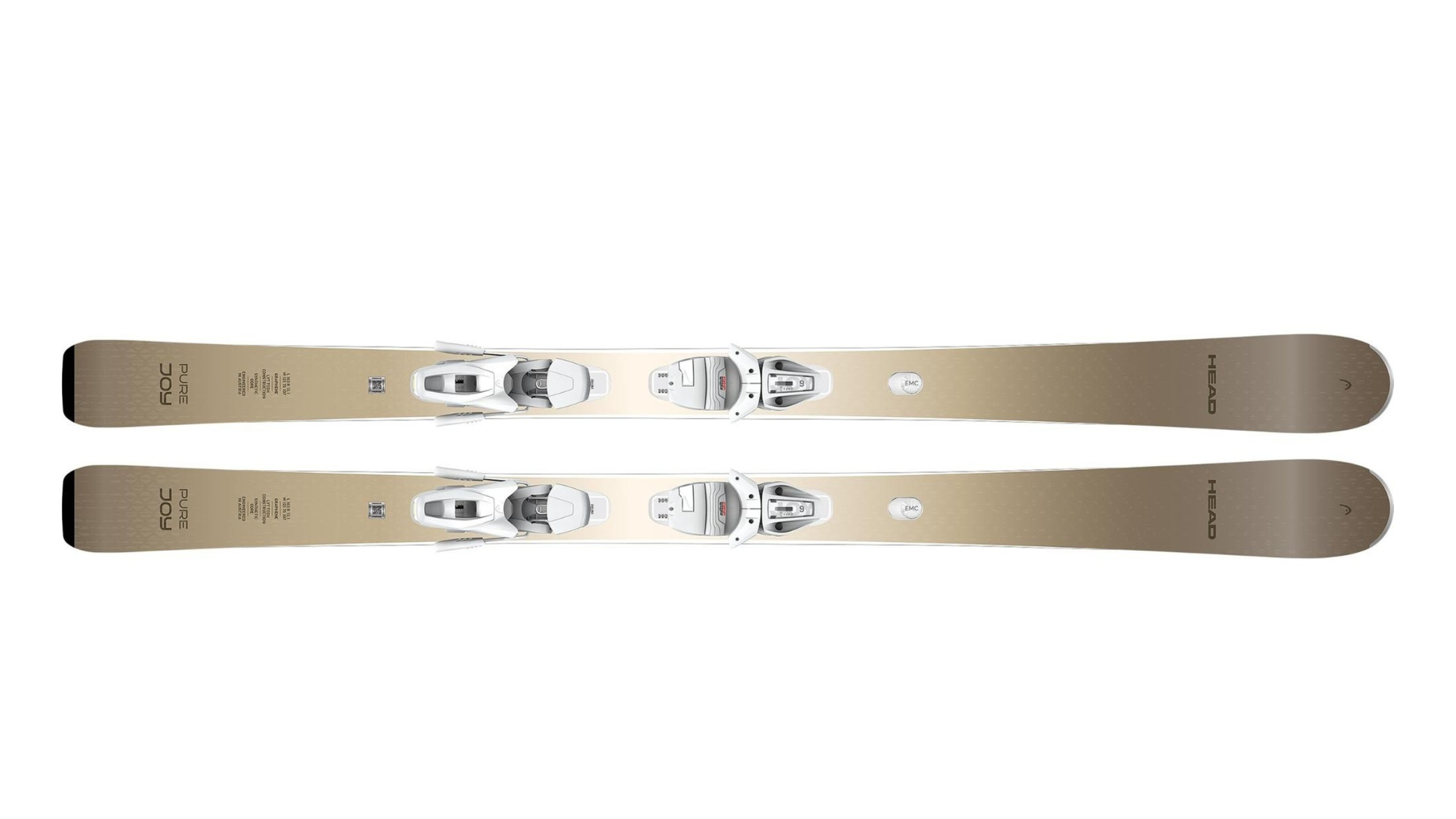
In the women’s category, the Head Pure Joy stood out as a premier system ski. By incorporating Graphene into the build, Head has successfully reduced the overall weight of the ski without sacrificing stiffness. This allows for an effortless transition in short- to medium-radius turns, which is ideal for women looking to refine their carving technique without the fatigue associated with heavier, metal-laden boards.
Comparative Performance Metrics
| Model | Target Strength | Key Technology |
|---|---|---|
| Atomic Maverick 84 | All-Mountain Versatility | Titanal Stabilizer |
| Dynastar M-Cross 78 | Forgiveness/Ease | Hybrid Core 2.0 |
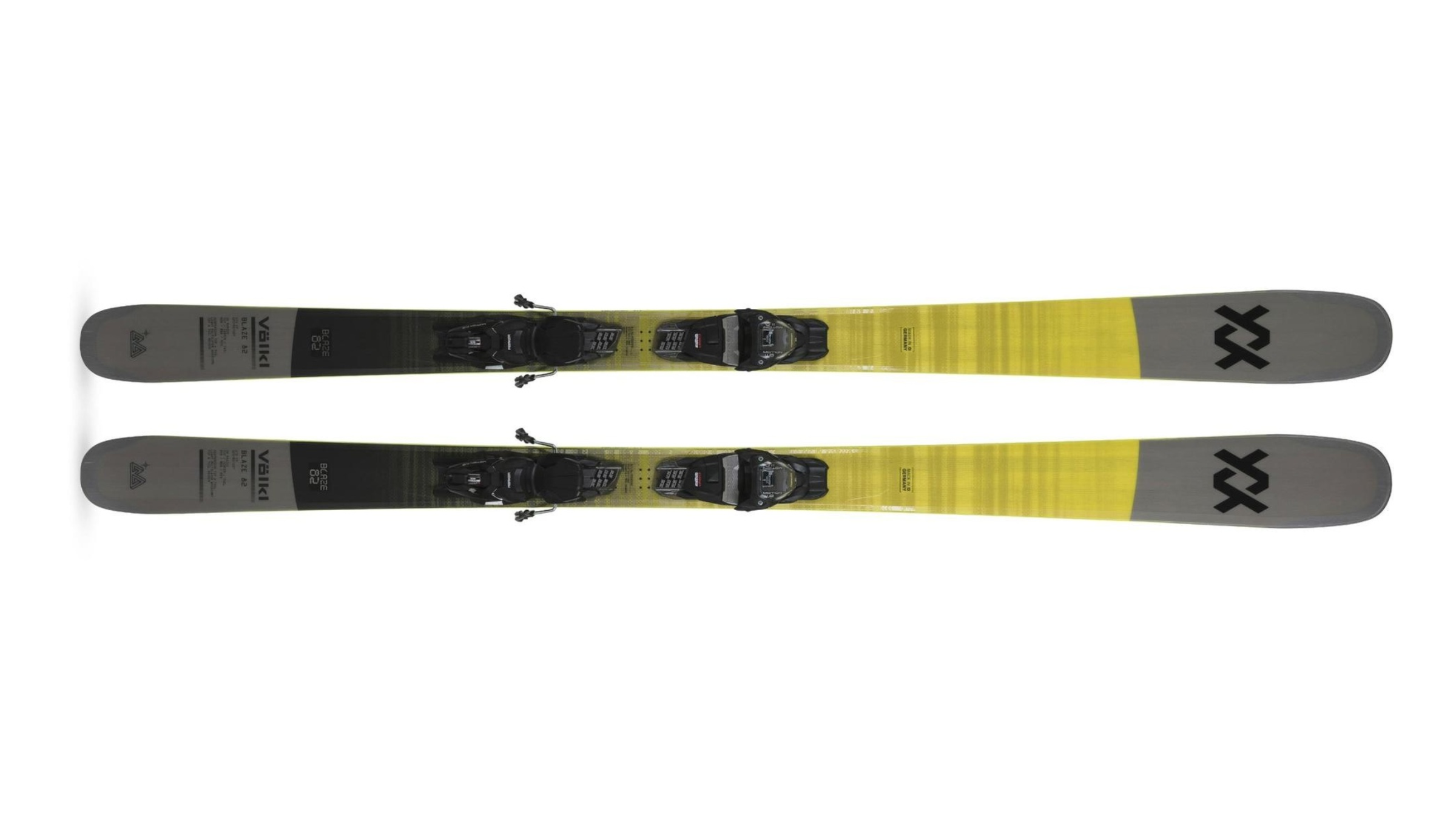
| Volkl Blaze 82 | Responsiveness | 3D Radius Sidecut |
| Head Pure Joy | Short-Radius Agility | Graphene Integration |
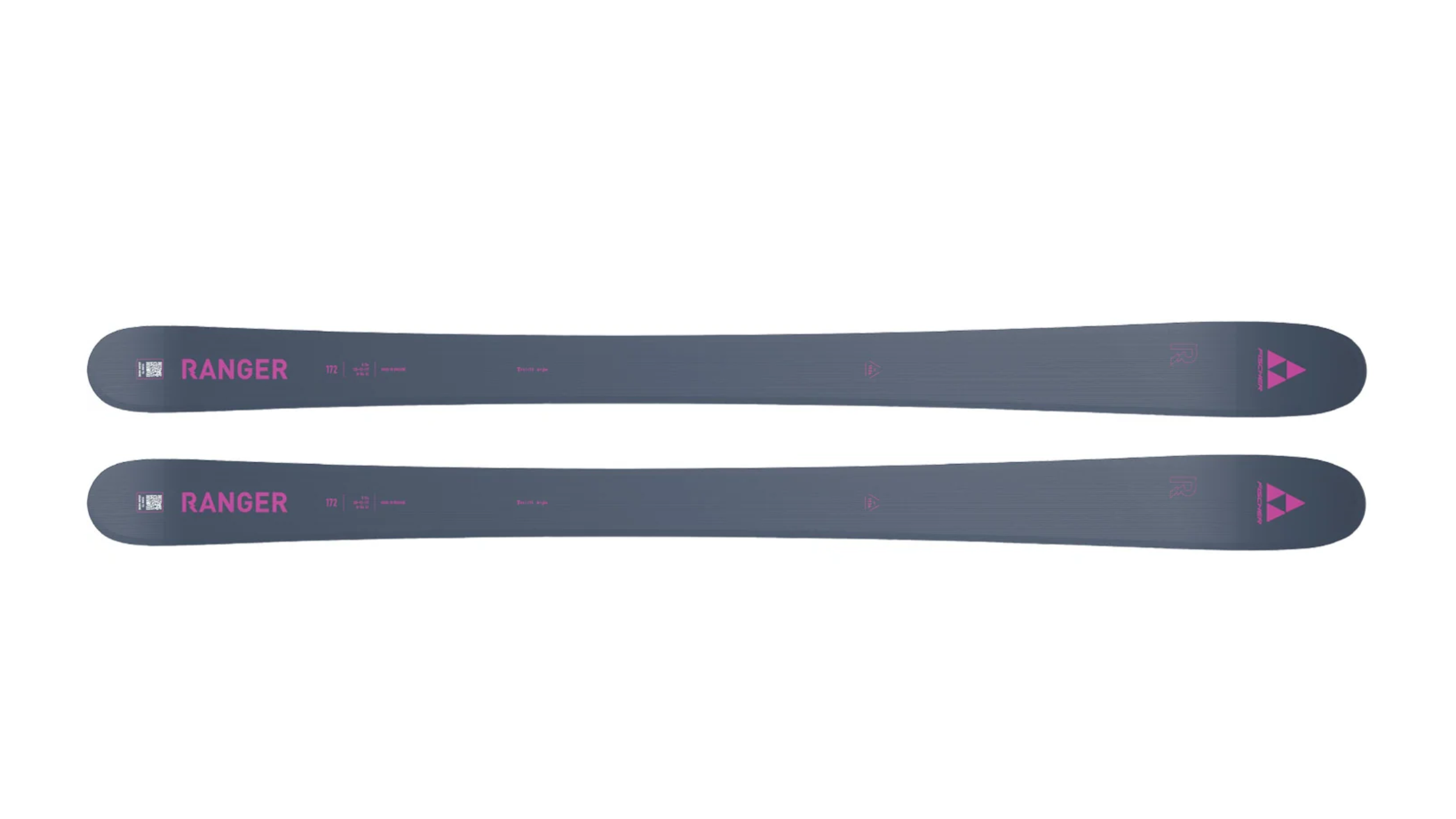
| Fischer Ranger 84 | Hard-Snow Integrity | Sandwich Sidewall |
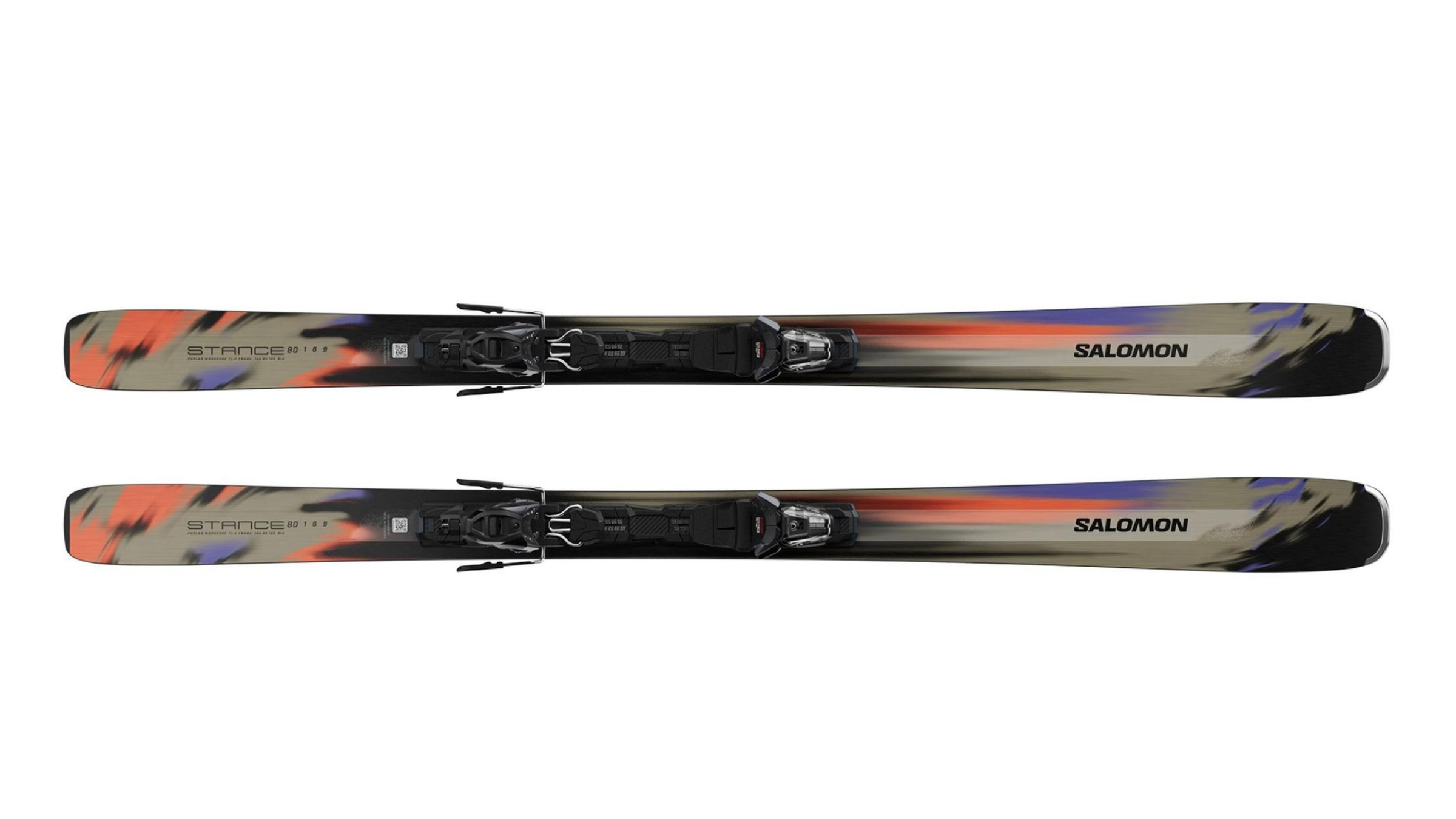
| Salomon Stance 80 | Stability | Titanal-Reinforced Core |
| Rossignol Arcade 80 | Carving Precision | Vibration Absorber System |
Chronology of the Testing Process
The evaluation followed a strict, data-driven methodology developed by the test organizers. On the first day, testers conducted a "blind" initial run, where the identity of the skis was masked to prevent brand bias. Over the next three days, the panel rotated through the 13 models, testing them on a variety of snow conditions ranging from morning hardpack to afternoon slush.
Each tester utilized a standardized digital scorecard, grading the equipment on a scale of 1 to 10 across four primary metrics: edge grip, turn initiation, vibration dampening, and overall stability. By the fourth day, the data was aggregated to identify which models performed consistently across different skier weights and ability levels. The final day was reserved for long-radius, high-speed testing to determine the upper limits of each ski’s performance envelope.
Industry Implications and Expert Commentary
The consensus among the testing panel is that the "intermediate" label should no longer be synonymous with entry-level technology. "We are seeing trickle-down technology," noted one senior instructor involved in the testing. "Features that were exclusive to World Cup-level skis five years ago, such as complex wood cores and specific rocker profiles, are now standard in the $500 to $650 range."
This trend has significant implications for the sport’s growth. High costs have long been cited as a primary barrier to entry for prospective skiers. By providing high-quality, pre-mounted systems, manufacturers are reducing the friction associated with entering the sport. Furthermore, for the "seasoned intermediate"—the skier who has been hitting the slopes for years but has reached a plateau—these skis offer a tangible path to improvement. The ability to trust one’s equipment in a turn is the single greatest factor in building the confidence required to tackle steeper or more challenging terrain.
Addressing the "Grow-Into" Factor
A frequent point of discussion during the Eldora tests was the concept of "outgrowing" a ski. Critics often argue that beginners should purchase stiffer, more expensive equipment to ensure they don’t have to upgrade in two seasons. However, the testing results suggest that this strategy is often counterproductive.
"If a ski is too stiff for the user’s current ability, it won’t flex, which means it won’t turn," explained a veteran shop technician. "A skier fighting an overly aggressive ski will develop bad habits, such as leaning back to force the turn. Our findings show that these 2027 models are designed to be responsive enough to help a skier develop proper technique, while still offering enough technical depth that an advanced intermediate won’t find them boring."
Conclusion and Recommendations
For those currently navigating the intermediate plateau, the 2027 market offers unprecedented value. While the Atomic Maverick 84 remains the most versatile "quiver-of-one" option, the specific needs of the skier should dictate the final choice. Those prioritizing carving should look toward the Rossignol Arcade 80, while those who spend more time in the trees or variable terrain may find the Fischer Ranger 84 more suited to their needs.
The data underscores a vital truth in snow sports: the best ski is not necessarily the most expensive one, but the one that allows the user to focus on their form and the enjoyment of the mountain. With this latest generation of equipment, the barrier to that enjoyment has never been lower. As the 2027 season approaches, these models represent the pinnacle of accessible, high-performance engineering for the modern intermediate skier.