








Apple is orchestrating a significant expansion of its smart home footprint by partnering with LG Electronics to develop a suite of connected household accessories. This strategic collaboration, which signals a major pivot in how the Cupertino-based tech giant approaches the Internet of Things (IoT) market, centers on the development of high-performance devices, including security cameras, smart locks, and environmental control systems. While the products are being engineered in close consultation with Apple to ensure seamless integration, they will be manufactured, marketed, and supported under the LG brand, representing a rare second-party hardware strategy for Apple.
This initiative is being framed by industry analysts as a formal reboot of the HomeKit platform, intended to solidify Apple’s presence in the domestic space ahead of the launch of its anticipated new smart home hub, the HomePad. By offloading the manufacturing and logistical burdens of physical hardware production to a seasoned consumer electronics giant like LG, Apple aims to rapidly scale its ecosystem without the overhead costs typically associated with entering niche appliance markets.
The Strategic Alliance Between Apple and LG
The partnership functions as a tactical maneuver to bolster the Apple home ecosystem. Under the arrangement, Apple maintains oversight of the product design, feature sets, and engineering specifications, ensuring that every device adheres to the company’s rigorous privacy and performance standards. LG, conversely, assumes the role of the manufacturing partner, managing the supply chain, regulatory certification, and customer support infrastructure.
According to filings submitted to the US Federal Communications Commission (FCC) and UL Solutions, the list of upcoming devices is comprehensive. It includes the LG Video Doorbell Wired, a floodlight camera, indoor and outdoor plug-in security cameras, a smart deadbolt lock, a smart thermostat, and a dedicated temperature sensor. These devices are designed to operate within the broader Matter standard, ensuring interoperability while leveraging Apple’s proprietary software enhancements.
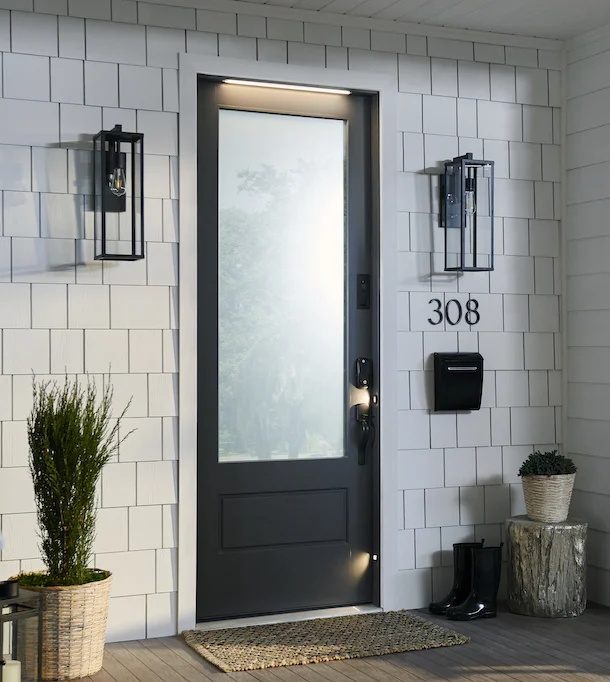
The integration of ultra-wideband (UWB) technology into the LG smart deadbolt is a standout feature of this collaboration. By utilizing UWB, the lock will support proximity-based unlocking, allowing the device to recognize an authorized user’s iPhone or Apple Watch as they approach the door, facilitating a frictionless entry experience.
Chronology of the Smart Home Pivot
Apple’s interest in the smart home sector is not new, but the intensity of its current efforts marks a departure from its previous, more passive strategy. Historically, Apple relied on third-party developers to populate the HomeKit ecosystem. However, with the rise of the Matter connectivity standard—which Apple helped co-author—the company has shifted toward a more proactive role in defining the hardware landscape.
In early 2026, internal rumors began circulating regarding a "formal reboot" of HomeKit. Throughout the summer, these reports gained credibility as regulatory databases in South Korea and the United States began populating with filings for LG-branded smart home equipment. These filings were strategically kept confidential, with LG requesting that technical specifications and product imagery remain under wraps until the projected launch window in early 2027.
The announcement of this partnership follows a series of internal organizational shifts at Apple, where the company consolidated its home services and hardware divisions. The upcoming launch of the "HomePad"—a new centralized hub—is expected to serve as the anchor for these new LG-manufactured peripherals, creating a cohesive user experience that rivals the established dominance of Amazon’s Alexa and Google’s Nest ecosystems.
Market Data and Competitive Implications
The global smart home market is projected to reach a valuation exceeding $250 billion by 2028, with security and climate control segments representing the fastest-growing sectors. Apple’s decision to enter these specific segments via a partnership model is a calculated response to the saturation of the market by incumbents.

Data from industry research firms indicates that consumer loyalty in the smart home space is largely driven by ease of installation and reliability. By leveraging LG’s manufacturing prowess—a company already deeply embedded in the appliance market—Apple effectively bypasses the "early-stage" hurdles of hardware production.
Furthermore, the choice to utilize the Matter standard is significant. Matter, an industry-wide initiative, ensures that devices are compatible across different platforms. While Apple is known for its "walled garden" approach, the adoption of Matter suggests that Apple is prioritizing market share and ecosystem ubiquity. Analysts suggest that by offering a complete "Apple-approved" suite of products, the company is attempting to capture the premium segment of the market, where users are willing to pay for privacy-focused, high-security smart home solutions.
Official Responses and Industry Context
While Apple has maintained its characteristic silence regarding unreleased products, the scope of the FCC filings provides a clear roadmap. LG, for its part, has framed these products as a natural extension of its "ThinQ" platform, though the company’s recent regulatory activity suggests a pivot toward deeper integration with Apple’s software architecture rather than its own proprietary cloud services.
Industry observers have noted that this "second-party" model is not entirely new for Apple, having previously used similar strategies in other peripheral markets, but applying it to core smart home infrastructure is a significant escalation. It allows Apple to maintain the "halo effect" of its brand while relying on the massive manufacturing scale of a partner that has successfully navigated the complexities of global distribution for decades.
Broader Impact on the Apple Ecosystem
The implications of this partnership extend far beyond the immediate hardware rollout. For the average consumer, this means that the Apple Home app will soon become a more robust control center, capable of managing a wider array of high-quality devices that are guaranteed to function seamlessly with iOS.

Looking forward, the roadmap indicates even more ambitious plans. Reports suggest that Apple is currently developing a specialized, privacy-centric home-monitoring system that will likely feature advanced AI processing, potentially utilizing the M-series chips found in the company’s Mac lineup. Additionally, there are persistent rumors regarding a "robotics-driven" home hub—a device that would feature a screen mounted on a motorized arm, capable of tracking users during video calls or while moving around a kitchen.
The integration of these upcoming devices into the broader Apple ecosystem suggests a shift toward a more proactive, automated home experience. By combining high-end hardware with Apple’s machine learning capabilities—such as the HomePod’s existing audio-sensing tech—the company aims to transition the "smart home" from a collection of connected gadgets into a cohesive, intelligent environment that anticipates user needs.
Conclusion and Future Outlook
The collaboration between Apple and LG serves as a masterclass in strategic resource allocation. For Apple, the partnership mitigates the risks of mass-producing home appliances while allowing it to maintain the design and software standards that define its brand identity. For LG, it provides a direct entry point into the highly lucrative, high-security Apple ecosystem, potentially driving massive sales growth for its peripheral division.
Consumers should expect to see the first wave of these co-developed products hit the market in the coming months, likely following the formal release of the new HomePad and updated Apple TV hardware. As the smart home continues to evolve from a novelty into a foundational element of modern residential living, Apple’s aggressive, partnership-driven strategy appears set to redefine the competitive landscape, challenging long-standing leaders in the industry through a blend of superior integration, privacy-focused engineering, and strategic manufacturing alliances.
As the regulatory dust settles and these products transition from the prototype phase to retail shelves, the success of this collaboration will likely be measured by its ability to simplify the often-fragmented smart home experience. If Apple and LG can successfully marry the user-friendly interface of HomeKit with the reliable, hardware-focused design of LG, they may well set the new standard for the connected home of the next decade.