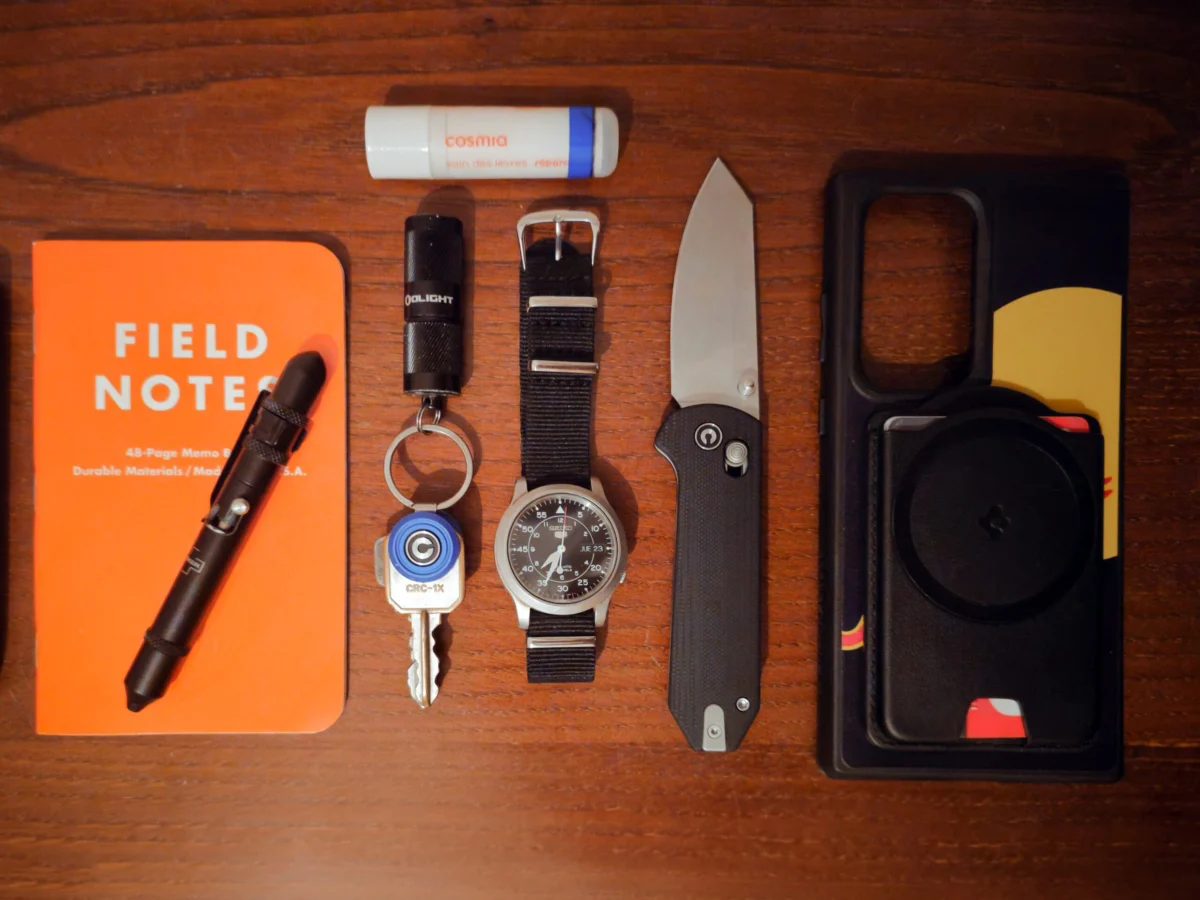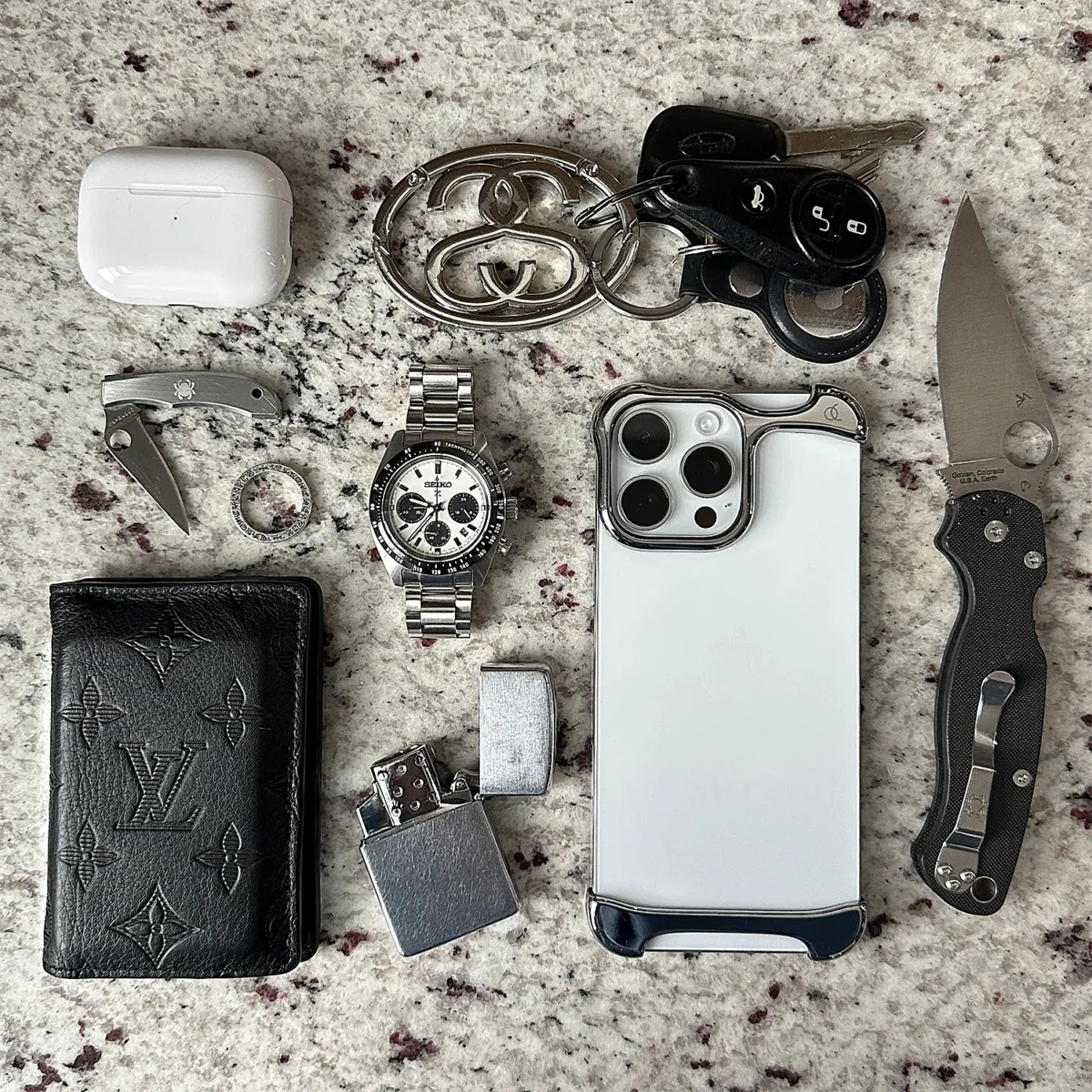











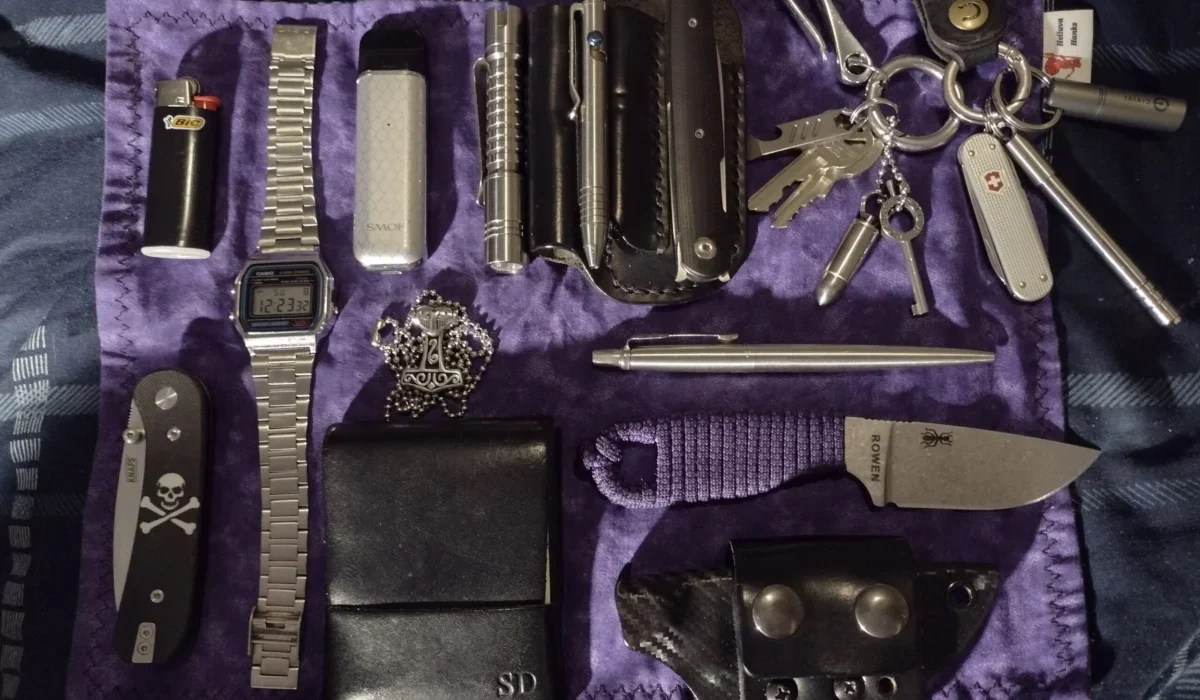
The modern professional kitchen is an environment defined by precision, high-pressure demands, and a strict adherence to sanitation protocols. For Stephen, a full-time cook based in Minnesota, the transition from the culinary workspace to the public sphere requires a carefully curated selection of Everyday Carry (EDC) tools that prioritize both task-oriented performance and the avoidance of cross-contamination. While many EDC enthusiasts focus on aesthetics or minimalist pocket dumps, professionals in the culinary industry often view their gear through the lens of specialized utility, where the distinction between food-safe equipment and general-purpose tools is absolute.
The Philosophy of Professional Utility
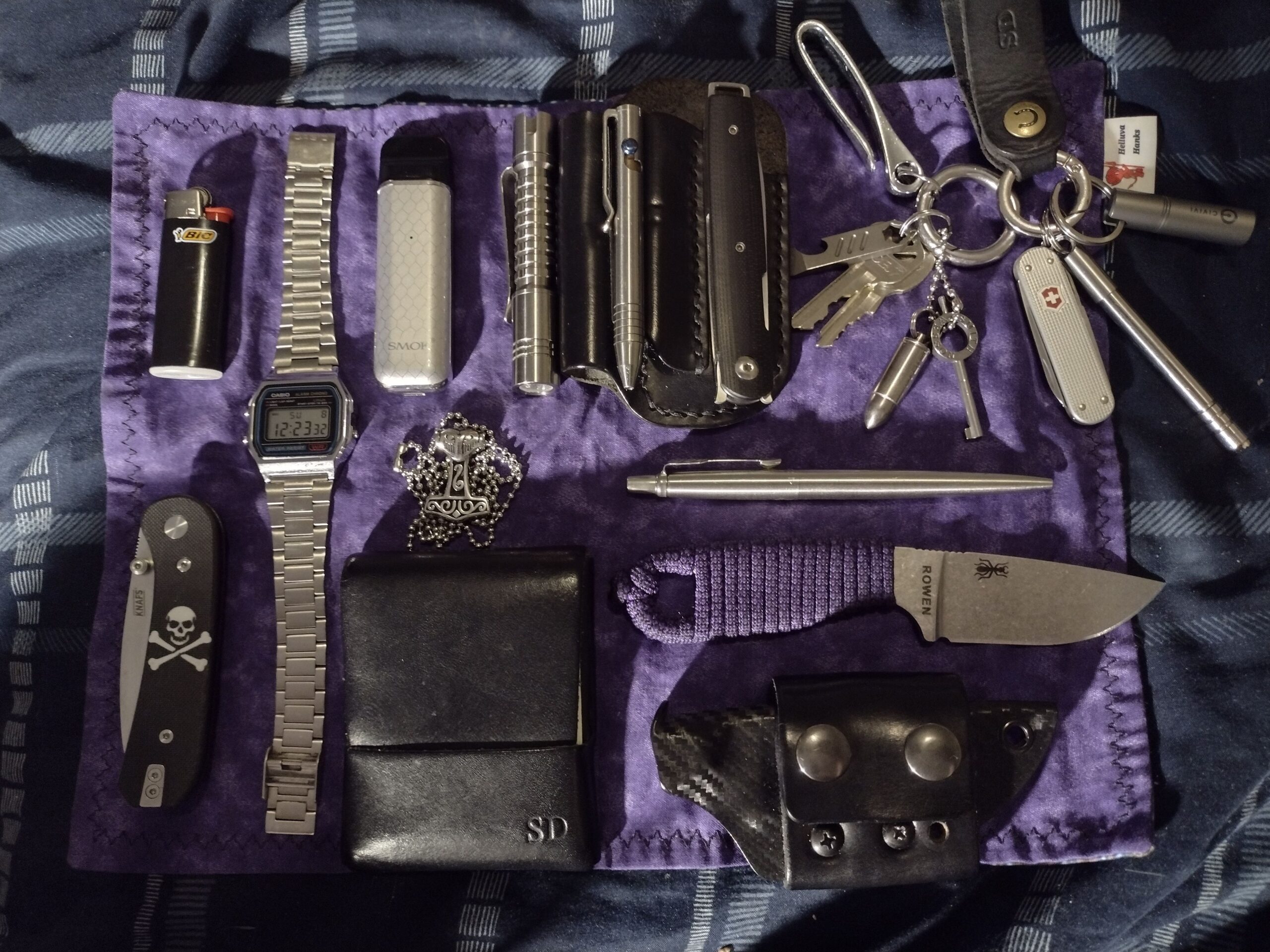
In a culinary setting, the separation of tools is not merely a preference but a mandate. Health department regulations and internal kitchen standards strictly forbid the use of food-preparation knives for general tasks, such as opening boxes, cutting materials, or managing non-food inventory. This operational reality dictates the composition of Stephen’s carry, which includes four distinct knives: three folding blades and one fixed-blade ESEE Izula.
By maintaining a dedicated "workhorse" blade for non-culinary chores, the professional ensures that his primary kitchen tools remain pristine and sanitary. This compartmentalization reflects a broader trend in professional EDC, where users prioritize gear that can withstand high-intensity use while maintaining the integrity of their workspace. The reliance on four separate cutting tools highlights the specific, multi-faceted requirements of a career spent in high-volume, professional kitchens where downtime is rare and tool efficiency is paramount.
A Chronology of EDC Evolution
The evolution of professional gear has shifted significantly over the past decade. Historically, kitchen staff relied heavily on employer-provided tools or basic, inexpensive cutlery. However, the rise of the "maker movement" and the increased accessibility of high-end materials—such as S35VN stainless steel, titanium, and advanced polymer composites—has empowered professionals to invest in personal equipment that bridges the gap between rugged field utility and professional-grade performance.
For Stephen, the integration of these tools into his daily routine did not happen overnight. It followed a gradual process of selecting gear that could handle the rigorous demands of his environment without adding unnecessary weight. The timeline of his kit reflects a progression from basic utilitarian choices to a more refined, deliberate collection:
- Early Career Phase: Reliance on standard-issue or entry-level tools with little regard for carry ergonomics.
- Intermediate Optimization: The introduction of pocket-friendly folding knives and the adoption of dedicated leather sheaths to minimize the footprint of gear.
- Current Professional Standard: The integration of premium materials (titanium and S35VN) and a specialized keychain system, allowing for rapid deployment and efficient organization.
Technical Analysis: Gear Selection and Material Science
The gear highlighted in this collection demonstrates a sophisticated understanding of material science and price-to-performance ratios. The inclusion of the ESEE Izula, particularly in the S35VN steel variant, is a notable choice. S35VN is a martensitic stainless steel designed to offer superior toughness, edge retention, and corrosion resistance—qualities essential for a tool that may be subjected to the humid and demanding environment of a commercial kitchen.
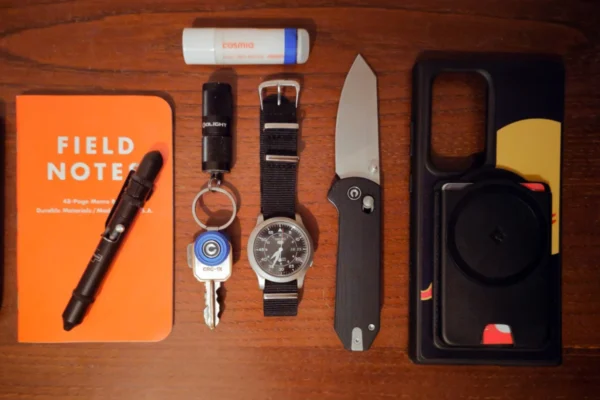
Furthermore, the selection of writing instruments—a Parker Jotter paired with a premium titanium bolt-action pen—serves as a case study in practical value. The Parker Jotter, often cited for its durable all-stainless steel construction and sub-$10 price point, offers an accessible, reliable option for daily note-taking, such as tracking inventory or writing prep lists. The contrast between this budget-friendly staple and a premium titanium bolt-action pen illustrates the common EDC practice of "mixing tiers." By utilizing high-end tools for primary tasks and cost-effective alternatives for secondary ones, professionals protect their investment while ensuring they are never without a functional instrument.
Organizational Strategies: The "Hang-Off-Body" Approach
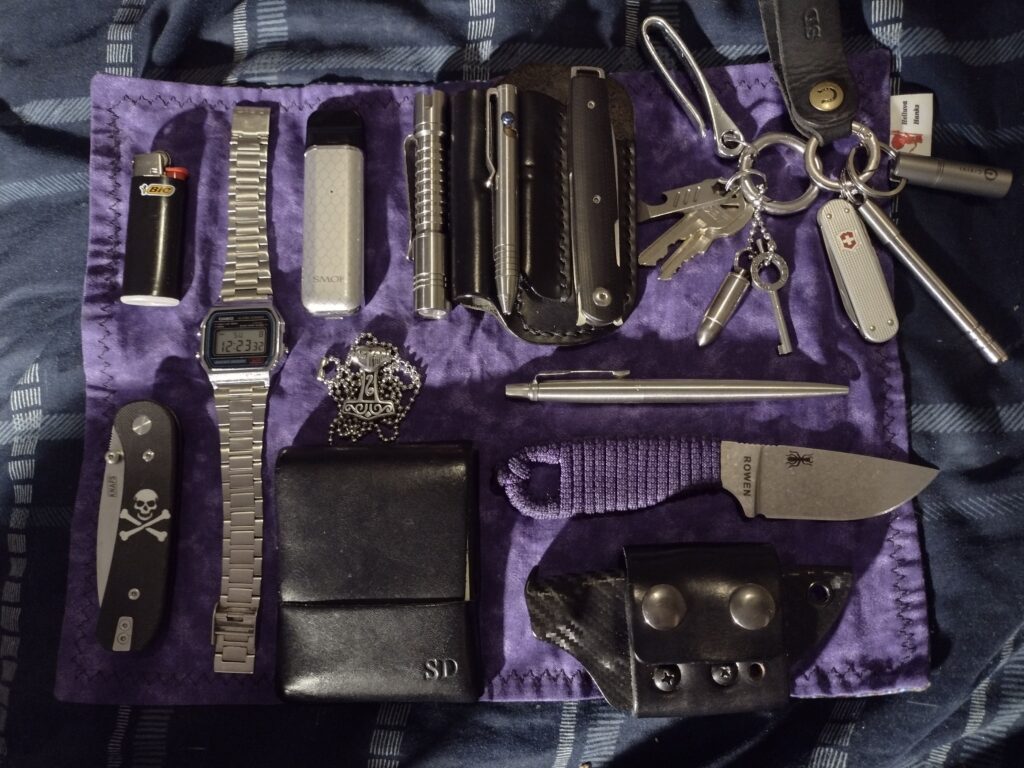
One of the most effective strategies employed by culinary professionals to maintain a streamlined profile is the use of leather sheaths and modular keychain systems. In a workspace where movement is restricted and speed is essential, having gear stored in deep, bulky pockets can be a hindrance.
The strategy of utilizing belt-mounted or clip-based storage—often described as the "hang-off-body" approach—serves two purposes. First, it ensures that essential tools are immediately accessible, reducing the time required to retrieve a knife for a box-opening task. Second, it prevents the cluttering of pocket space, which is often reserved for personal items like mobile devices or communication tools. This organizational methodology is widely regarded in the professional community as the gold standard for maintaining a "low-drag" profile while on the clock.
Broader Implications for the EDC Industry
The preferences expressed by professionals like Stephen signal a shift in the broader EDC market. As more users look toward the culinary and trade industries for inspiration, manufacturers are increasingly focusing on gear that is both "office-appropriate" and "field-ready."
Industry analysts note that the demand for "gentleman’s knives"—characterized by slim profiles, discreet carry, and high-quality construction—has surged. This is driven by professionals who require tools that can function in a public-facing role without appearing overly aggressive or cumbersome. The balance between the Boker gent’s knife, which offers a slim, refined aesthetic, and the ESEE workhorse, which offers absolute reliability, encapsulates the dual-nature requirements of the modern professional.

Official Perspectives and Industry Standards
While there is no formal "professional EDC standard," the consensus among culinary professionals emphasizes safety and efficiency. Organizations such as the National Restaurant Association and various local health departments enforce strict rules regarding personal items in the kitchen.
According to industry safety guidelines, any tool brought into a food-preparation area must be easily cleanable and stored in a way that prevents it from contaminating food surfaces. The use of specialized sheaths and the deliberate segregation of knives—where specific blades never touch food—are practices that align with these safety protocols. By adopting these habits, professionals not only protect their equipment but also ensure they remain in compliance with institutional health standards.
Conclusion: The Intersection of Craft and Utility
The professional kitchen is a crucible for equipment testing. When a chef like Stephen curates a kit that includes a mix of titanium, high-carbon stainless steel, and ergonomic leather storage, he is doing more than just collecting gear; he is building a reliable system that supports his professional output.
The success of this approach lies in its intentionality. Every item serves a specific purpose, from the budget-conscious Parker Jotter to the premium-grade fixed blade. By focusing on durability, sanitation, and ergonomic efficiency, the modern professional can navigate the demanding landscape of a commercial kitchen with a sense of preparedness that ensures both the quality of his work and the safety of his environment. As the EDC community continues to grow, the insights provided by professionals working in these high-stakes environments will undoubtedly continue to shape the future of tool design and personal carry philosophies.