











The integration of artificial intelligence into the physical world is shifting from cloud-heavy architectures to edge-based processing, a transition Honeywell is currently navigating through the deployment of TinyML. This evolution, designed to bring intelligence directly to the sensor level, represents a significant pivot in industrial Internet of Things (IoT) strategy. As industry leaders grapple with the complexities of standardized smart home protocols and the democratization of semiconductor architecture, the technical requirements for secure, low-power, and low-latency processing have moved to the forefront of the technological discourse.
The Rise of TinyML in Industrial Infrastructure
TinyML, or Tiny Machine Learning, refers to the deployment of machine learning models on low-power, resource-constrained hardware such as microcontrollers. For a global industrial powerhouse like Honeywell, which manages a footprint of over one million sensors across diverse sectors—from building automation to aerospace and chemical processing—the shift is not merely academic; it is operational.
Muthu Sabarethinam, Vice President of AI/ML product and services at Honeywell, indicates that the strategy revolves around processing data where it is generated rather than transmitting raw telemetry to a centralized cloud. The implications of this approach are threefold: enhanced security, reduced power consumption, and minimized latency. By running algorithms directly on the sensor, Honeywell can perform anomaly detection in real-time, ensuring that critical infrastructure—such as HVAC systems or industrial boilers—can be monitored without the bottlenecks associated with network connectivity.
From a business perspective, the challenge lies in the scalability of these deployments. Deploying ML at scale requires a standardized framework for packaging algorithms so they can be pushed to heterogeneous hardware environments. As companies like Honeywell scale their sensor networks, the ability to manage, update, and secure these models becomes the primary differentiator in the industrial IoT market.
Matter and the Fragmentation of Smart Home Interoperability
While industrial IoT moves toward specialized edge processing, the consumer smart home sector is currently contending with the growing pains of the Matter standard. Matter, designed to create a unified language for smart devices, has faced significant criticism regarding its implementation. Recent reports from platforms like The Verge have highlighted persistent issues with Thread credentialing and inconsistent device support across the Apple, Google, and Amazon ecosystems.
The core of the problem lies not in the standard itself, but in the vendor-specific implementations that often prioritize proprietary walled gardens over true interoperability. Thread border routers—the bridge between the mesh network of smart devices and the wider internet—have become a common point of failure for consumers. This fragmentation underscores the difficulty of achieving a "plug-and-play" reality in a market where legacy hardware and competitive corporate interests collide.
Cybersecurity and the Vulnerability of Connected Systems
The discussion surrounding IoT security has been underscored by recent reports of anomalies in radiation sensors in the Chernobyl Exclusion Zone. These incidents, as documented by investigative journalists, serve as a stark reminder that even critical monitoring infrastructure is susceptible to digital tampering. When sensors are improperly secured or rely on outdated network protocols, the risk extends beyond data inaccuracy; it compromises the physical safety of high-stakes environments.
This concern is amplified by the proliferation of networked devices in critical infrastructure. As more sensors become "smart," the attack surface for bad actors expands. The industry is currently at a juncture where the adoption of AI-driven sensors must be balanced with robust, end-to-end encryption and decentralized security architectures.
The Changing Landscape of Semiconductor Manufacturing
The technological backbone of this shift—semiconductors—is undergoing a structural change as well. A coalition of industry titans, including Qualcomm, NXP, and Infineon, has recently joined forces to accelerate the development of RISC-V, an open-standard instruction set architecture. This move is a strategic reaction to the rising costs and licensing restrictions associated with traditional processor architectures. By backing RISC-V, these companies aim to create a more flexible and cost-effective ecosystem for chip design, which is essential for the specialized needs of TinyML.

Concurrent with this development is the consolidation of the IoT module market, exemplified by Renesas’s acquisition of Sequans, a company specializing in cellular IoT modules. This consolidation suggests that the industry is moving toward a vertical integration model where hardware, software, and connectivity modules are increasingly bundled, allowing manufacturers to reduce the time-to-market for complex connected devices.
Autonomous Systems and the Future of Infrastructure Monitoring
Beyond the factory floor, the application of IoT is expanding into the sky. Startups such as Birdstop are developing on-demand drone networks designed to monitor critical infrastructure. These networks function similarly to satellite constellations, providing high-resolution, near-real-time visual data that can be used for site inspections, security, and environmental monitoring.
The convergence of drones with edge computing capabilities could eventually allow these autonomous units to perform on-site analysis, transmitting only actionable intelligence rather than raw video feeds. This evolution mirrors the trajectory of Honeywell’s sensor strategy: leveraging local processing power to solve complex data management challenges.
Transitioning to Home Assistant and Energy Management
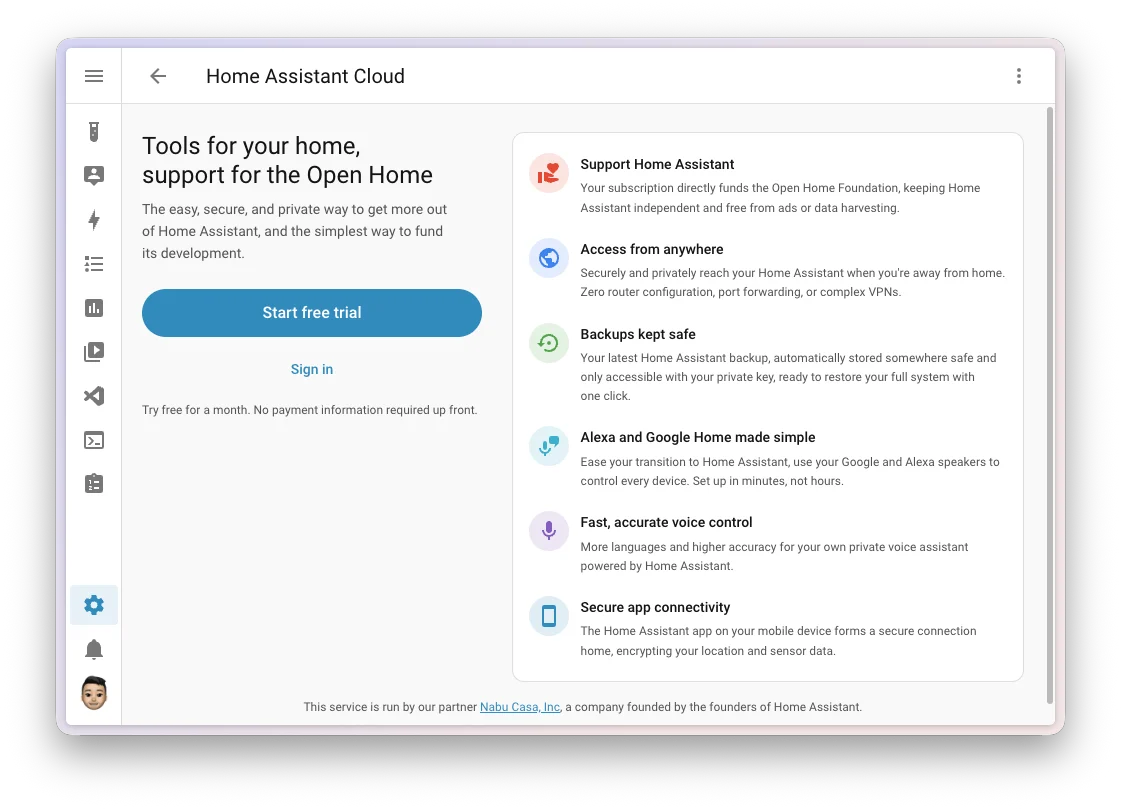
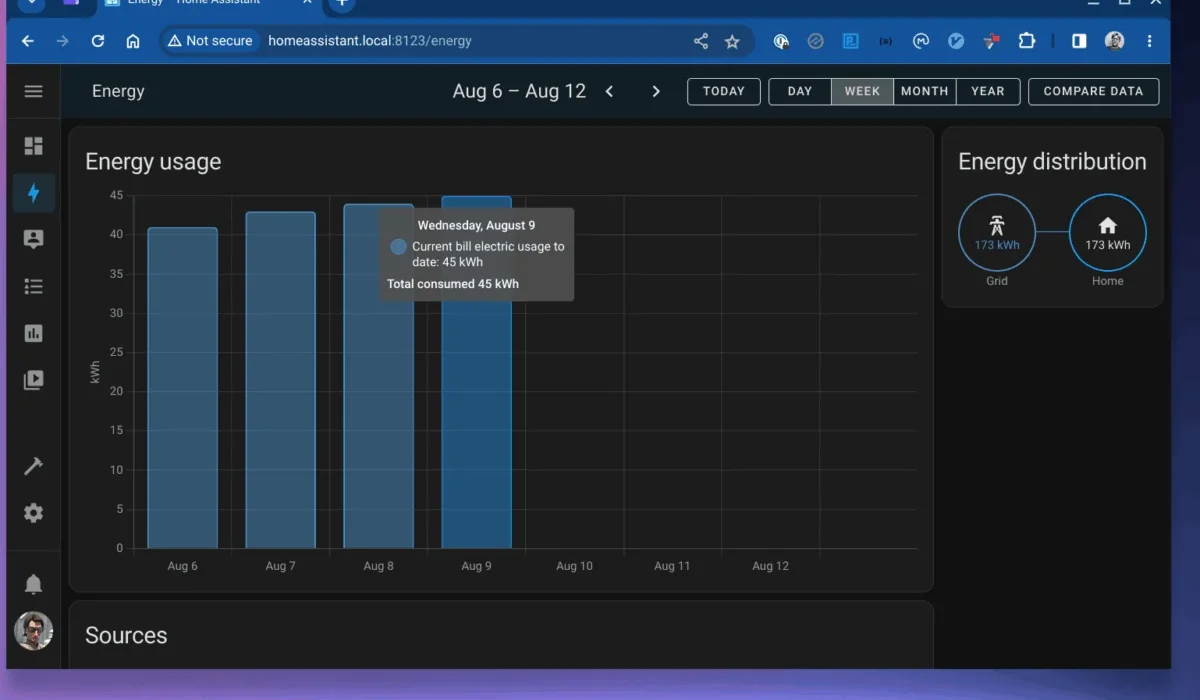
The shift toward more robust, locally-controlled systems is not limited to enterprise environments. There is a measurable trend among power users transitioning to platforms like Home Assistant, which prioritize local privacy and device control over cloud-based dependencies. This shift is particularly relevant in the context of smart energy management.
As utility companies increasingly push for grid-balancing programs, consumers are being encouraged to automate their energy consumption. Effective energy management requires granular data and reliable, locally-executed logic. Tips for home preparation often involve the integration of smart meters, programmable thermostats, and appliance controllers that can communicate efficiently without relying on external servers, which are susceptible to internet outages and privacy concerns.
Analysis of the Current Technological Trajectory
The trajectory of the IoT market is currently defined by a tension between centralization and decentralization. While the cloud remains essential for long-term analytics and global fleet management, the immediate future of industrial efficiency lies at the edge. The adoption of TinyML, the push for RISC-V, and the pushback against restrictive smart home ecosystems all share a common theme: a desire for greater autonomy, security, and efficiency at the local level.
However, the transition is not without its obstacles. The lack of universal interoperability in smart home devices, the security vulnerabilities inherent in legacy industrial systems, and the technical complexity of deploying ML models to a million unique sensors are significant hurdles. For companies like Honeywell, success will depend on their ability to create software-defined hardware environments that can evolve without requiring physical intervention.
Implications for the Next Decade
As we look toward the remainder of the decade, the integration of AI into physical hardware will likely become the standard rather than the exception. The following milestones represent the likely path forward:
- Standardization of ML Deployment: The emergence of universal "model containers" that allow AI models to be deployed across different microcontroller architectures.
- Hardened Security Protocols: A shift toward hardware-level security (e.g., Trusted Execution Environments) as a default requirement for all connected industrial sensors.
- Open-Source Hardware Dominance: The steady erosion of proprietary chip architectures as RISC-V matures, leading to lower costs for IoT manufacturers.
- Energy-Efficient Autonomy: The refinement of TinyML models that can operate on harvested energy, potentially leading to "set and forget" sensors that last for decades without battery replacement.
In conclusion, the discourse surrounding Honeywell’s approach to TinyML and the broader industry trends reflects a mature phase in the development of the IoT. The focus has shifted from the mere novelty of "connectedness" to the practical realities of managing, securing, and extracting value from a global network of intelligent devices. As the industry resolves the challenges of interoperability and security, the promise of a truly intelligent infrastructure—one that acts autonomously to optimize performance and prevent failure—is moving rapidly from concept to reality. The lessons learned from the failures of early smart home standards and the successes of industrial AI will serve as the foundation for the next generation of technological innovation.