








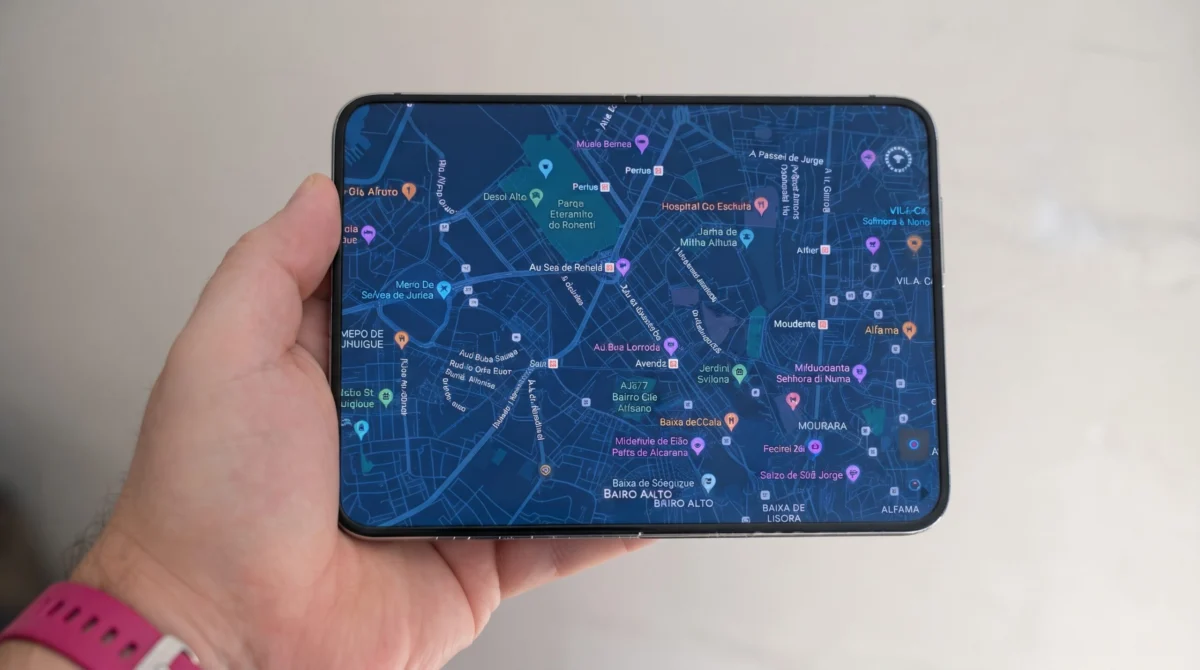
The transition into the foldable smartphone market has been a significant milestone for Apple, representing a departure from its traditional static form factor and introducing a complex set of software challenges. Following the high-profile launch of the iPhone Duo, early adopters and power users noted a period of initial friction regarding application display formatting. These hurdles, while expected in the nascent stages of new hardware architecture, are now being systematically dismantled as major software developers roll out comprehensive updates designed to leverage the device’s dual-screen capabilities. This wave of optimization signals a maturation of the iPhone Duo ecosystem, moving it from a hardware curiosity to a viable productivity tool.
A Chronology of the iPhone Duo Software Transition
The launch of the iPhone Duo was met with both critical acclaim for its hardware prowess and valid critiques regarding the software experience. Upon release, many applications were essentially running in "compatibility mode," where the system stretched or letterboxed content to fill the expansive internal display. This created a jarring user experience, particularly for applications requiring precise UI alignment.
By late October 2026, the sentiment began to shift as the App Store started receiving a surge of updates. Google was among the first major industry players to commit to the platform, with Google Maps version 26.44.4 arriving as a landmark update. This version specifically addressed the "hinge gap" and aspect ratio issues that had previously plagued navigation. By early November 2026, industry analysts and tech observers, including prominent voices such as Chris Welch, confirmed that the platform was finally beginning to hit its stride. The rapid succession of updates from Microsoft—specifically for Word, Excel, PowerPoint, and OneNote—further solidified this trend. These productivity-focused apps were redesigned to utilize a vertical right-hand editing bar, a feature that effectively separates the toolset from the primary content, thereby avoiding the common issue of overlapping iOS system controls.
Technical Specifications and Hardware Context
To understand the necessity of these software refinements, one must examine the underlying hardware of the iPhone Duo. The device features an internal 7.6-inch Super Retina XDR OLED display, which utilizes LTPO technology to maintain a dynamic 120 Hz refresh rate. With peak brightness hitting 3,000 nits, the panel is among the brightest in the smartphone industry, requiring highly optimized software to manage power consumption and heat dissipation when the screen is fully unfolded.
The external display is no less impressive, offering a 5.4-inch panel with matching peak brightness, allowing for seamless transitions between closed and open states. Under the hood, the device is powered by the Apple A20 Pro processor, a chip specifically engineered to handle the multi-tasking demands of a foldable device. With configurations offering up to 2 TB of internal storage, the iPhone Duo is positioned as a workstation-class device. The integration of 5G, Wi-Fi 7, and Bluetooth 6.0 ensures that the device remains connected in high-bandwidth environments, while the support for the USB-C version of the Apple Pencil provides creators with a precise input method that requires specific software calibration to avoid latency.
The Rise of the Optimized Ecosystem
A key indicator of the platform’s success is the new "Optimized for iPhone Duo" badge now appearing on the App Store. This certification serves as a trust signal for consumers, guaranteeing that an application has been stress-tested for split-screen utility and proper orientation handling.

Beyond enterprise applications, niche developers are also pushing the boundaries of what is possible. Marcos Tanaka, the developer behind the "Play" app, recently released version 3.0, which serves as a case study for foldable innovation. By incorporating customized foldable controls, a completely redesigned layout, and a localized AI assistant, Tanaka has demonstrated that the iPhone Duo is not merely a screen-stretching device, but an interactive platform that requires original design thinking.
Similarly, Zoom’s version 7.2.5 update has transformed the device into a premier video-conferencing tool. By optimizing the layout for split-screen display, the application allows users to view meeting participants on one side of the crease while maintaining a shared document or chat window on the other. This capability addresses one of the primary use cases for foldable phones: the ability to handle complex workflows without the need for a secondary tablet or laptop.
Implications for Apple and the Broader Market
The rapid optimization of these apps has significant implications for Apple’s long-term strategy. By establishing a standard for foldable interfaces through iOS 27.1, Apple is effectively setting a new design language for the industry. Developers who have invested in these updates are likely to see increased engagement rates, as users of the iPhone Duo are generally classified as power users who prioritize high-productivity applications.
From an economic perspective, the iPhone Duo ecosystem represents a new vertical for revenue. The ability for Microsoft and Google to monetize their office and utility suites on a high-end, premium-priced device reinforces the value of the Apple hardware subscription model. Furthermore, the under-display front lens and the dual 48 MP rear camera array suggest that Apple is leaning into the "content creator" demographic, which relies heavily on these optimized third-party apps for editing and distribution.
Analytical Outlook: Challenges and Future Development
While the current trajectory is positive, several challenges remain. The primary hurdle for developers is the inherent fragmentation of the foldable market. Although the iPhone Duo is currently the singular focus of the iOS ecosystem, developers must weigh the cost of developing for this niche against the broader user base of static-screen iPhones. However, as the hardware becomes more accessible, the "Optimized for iPhone Duo" badge will likely become a prerequisite for any app aiming to maintain a premium status in the App Store.
The integration of AI, as seen in the recent Play app update, points to the next phase of foldable software development. Context-aware interfaces—where the UI shifts based on whether the device is folded, partially open (in "laptop mode"), or fully extended—will likely become the standard by 2027. Apple’s decision to include robust battery management in the iOS 27.1 kernel suggests that they are prepared to handle these high-compute, AI-driven background tasks without sacrificing the long-term longevity of the foldable hinge or the internal display.
Conclusion
The evolution of the iPhone Duo from a hardware launch to a refined user experience is a testament to the collaborative relationship between Apple and its third-party developer ecosystem. By moving past the initial formatting hurdles, developers have proven that the foldable form factor is not just a gimmick, but a powerful extension of the iOS mobile experience. As more applications earn the "Optimized for iPhone Duo" badge, the device is increasingly solidifying its position as the primary choice for users who demand both portability and the expansive screen real estate typically reserved for tablets. The integration of advanced features, such as AI-assisted layouts and split-screen video conferencing, ensures that the iPhone Duo will remain a focal point of mobile innovation for the foreseeable future, effectively setting the bar for what modern, high-end smartphones must deliver to remain competitive in an increasingly demanding market.