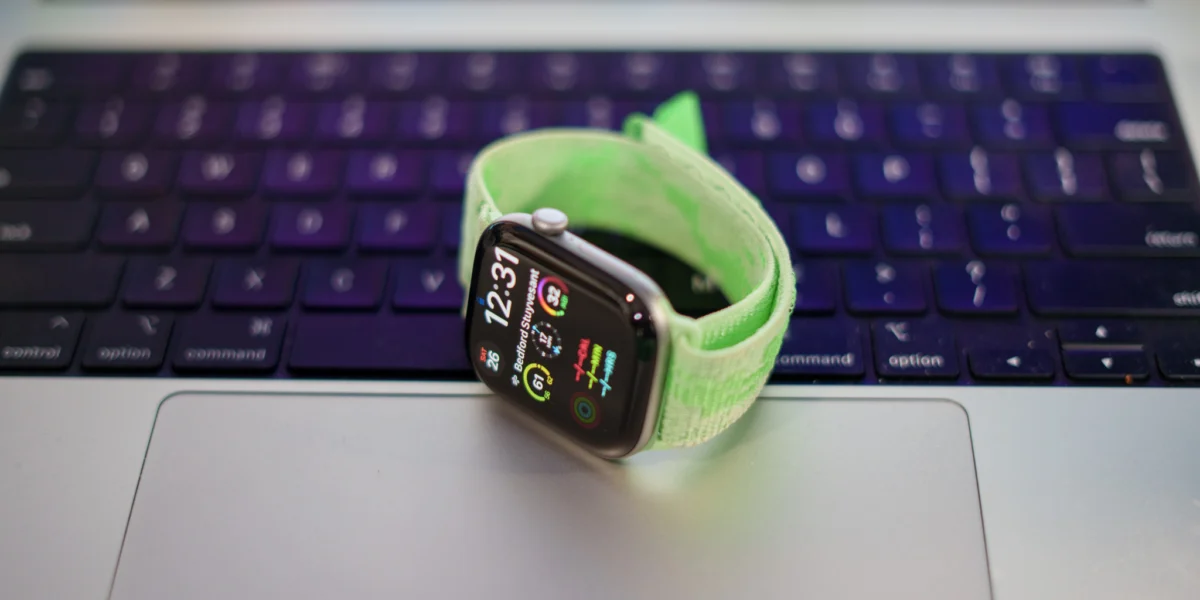
The release of the Apple Watch Series 12 marks a pivotal shift in the company’s wearable strategy, moving away from incremental aesthetic updates toward a deeper integration of advanced silicon and health-monitoring intelligence. Unveiled during Apple’s September 2026 hardware event, the Series 12 builds upon the foundation established by its predecessors while introducing a significant architectural overhaul via the new S11 chipset. While external design elements—specifically a slight increase in bezel thickness—have drawn attention, the internal performance metrics and new software-driven health insights suggest that this iteration is intended to compete more aggressively with dedicated fitness trackers.
Chronology of Development and Release
The path to the Series 12 began with the maturation of the Series 10 and 11 models, which prioritized thinner chassis and larger display areas. By early 2026, industry analysts speculated that Apple would shift focus to energy efficiency to accommodate more intensive background health processing. The announcement on September 10, 2026, confirmed this pivot. Following the announcement, pre-orders commenced immediately, with retail availability arriving in late September. This release cycle follows Apple’s traditional late-third-quarter launch window, ensuring that the latest health-tracking features are available to consumers ahead of the holiday season and end-of-year fitness resolutions.
Technical Specifications and Architectural Upgrades
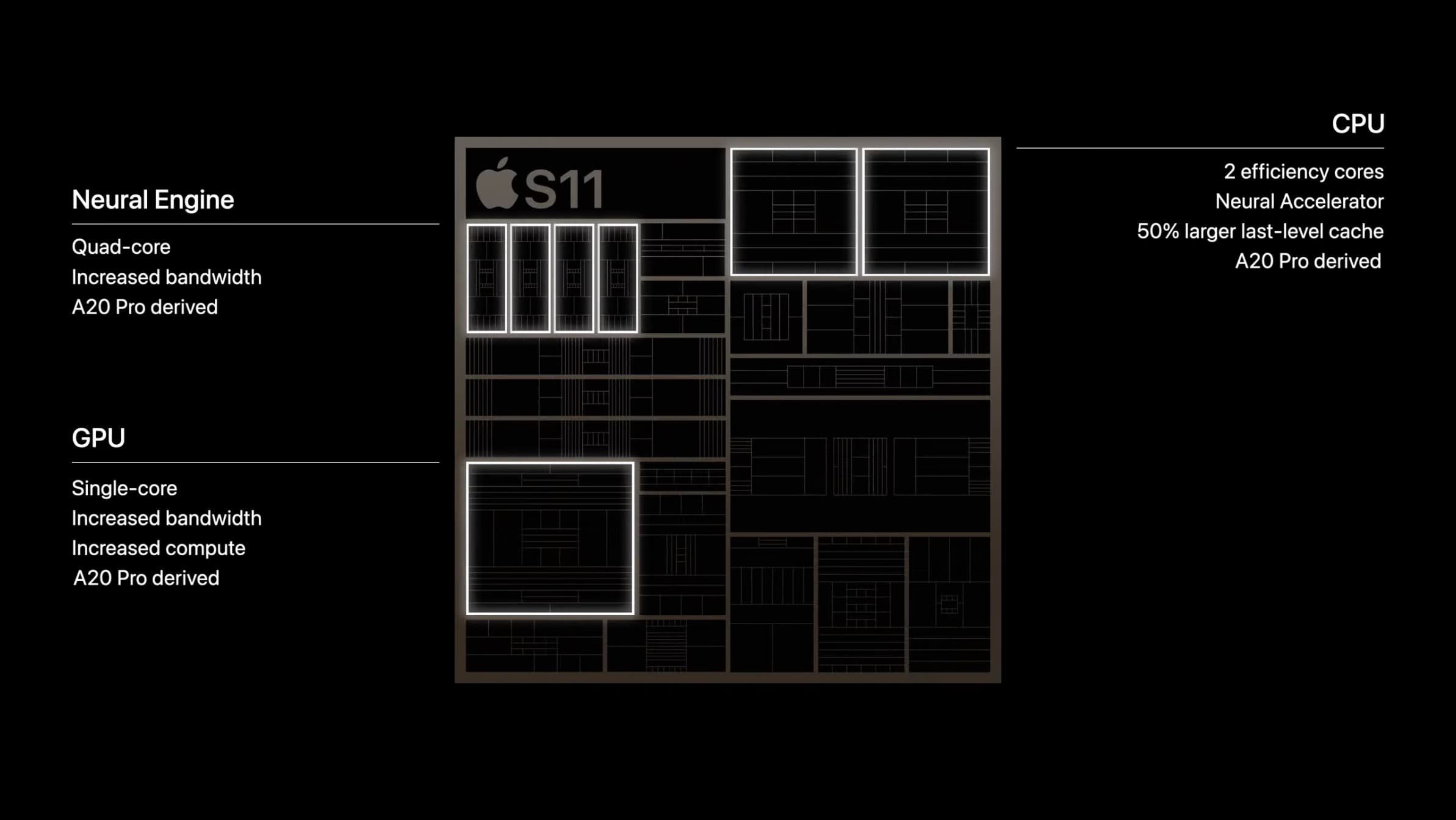
At the heart of the Series 12 is the S11 system-in-package (SiP). Derived from the 2nm fabrication process used in the A20 Pro chip, the S11 represents a significant leap in power efficiency. This transition to a more advanced node is the primary driver behind the device’s improved battery management.
Historically, Apple Watch users—particularly those interested in 24/7 health monitoring—have struggled with the friction of charging schedules. The Series 12 addresses this by optimizing power consumption during sleep tracking. According to official performance documentation, the watch utilizes a highly efficient sleep-tracking state that, when combined with the enhanced charging capabilities, allows for a full day of usage and overnight monitoring with only brief charging intervals. Apple reports that 15 minutes of charging now yields up to 12 hours of operational use, a 20% increase in charging speed compared to the Series 11.
The Readiness App and Health Analytics
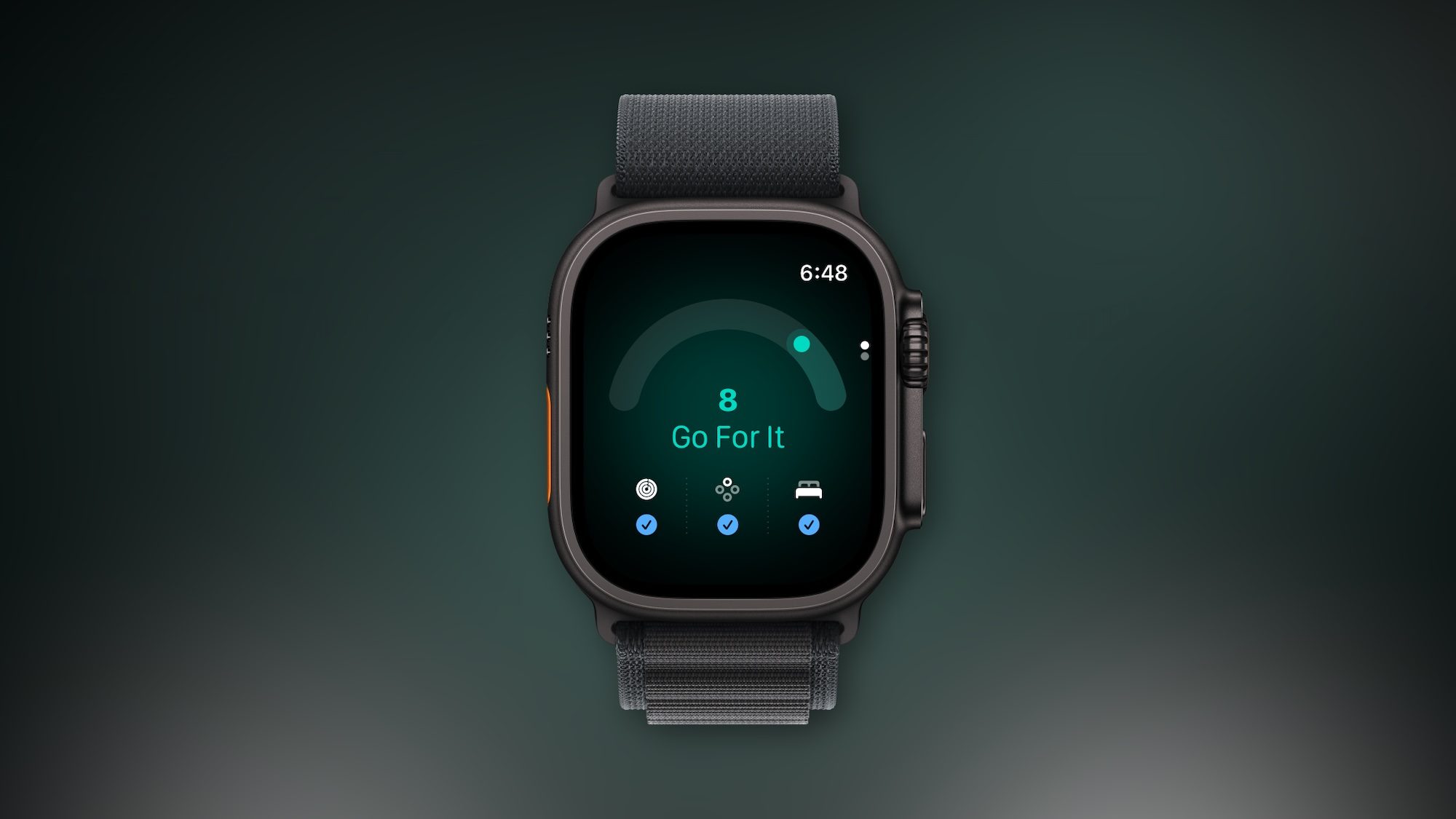
The introduction of the "Readiness" app is perhaps the most significant software addition to watchOS in recent years. The feature synthesizes data points including sleep duration and quality, previous-day activity intensity, and baseline vital signs to provide a composite recovery score. This analytical approach mirrors the methodology employed by dedicated fitness-tracking platforms like WHOOP.
Industry experts note that this move toward a consolidated "readiness" score signifies Apple’s desire to keep users within the ecosystem rather than migrating to third-party subscription-based health services. The exclusivity of this feature to the Series 12 has sparked debate regarding the necessity of the S11 chip’s processing power. Apple’s official stance suggests that the calculation requires high-fidelity sensor data and real-time processing that legacy chips cannot maintain without negatively impacting battery life. By restricting this feature to the latest hardware, Apple is prioritizing a consistent user experience over backward compatibility.
Design Evolution and Material Durability
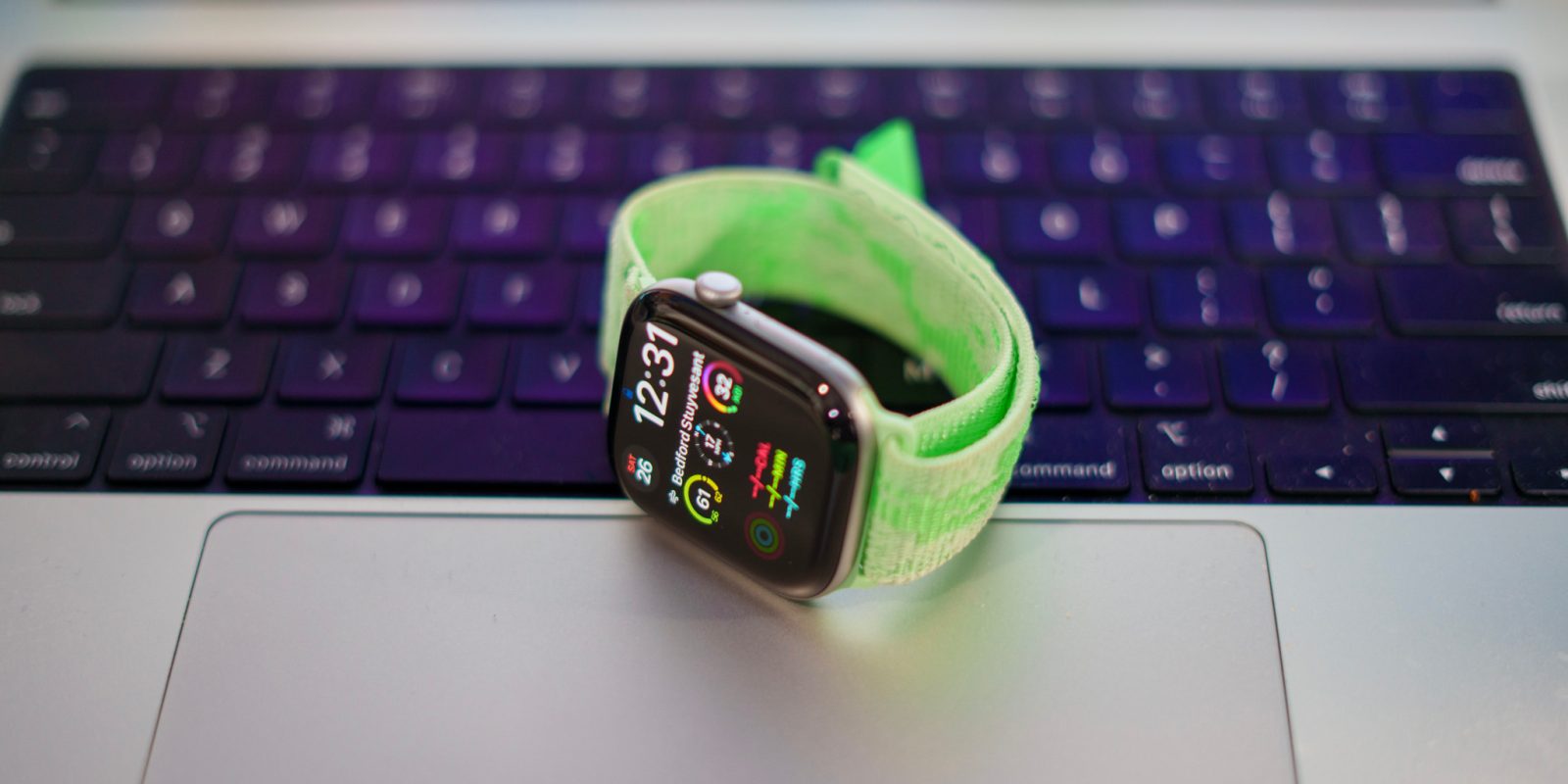
While the Series 12 maintains the iconic aesthetic of the modern Apple Watch, the physical construction has undergone a minor but measurable change. The bezel thickness on the Series 12 is slightly increased compared to the Series 10 and 11, a change that some critics have attributed to the integration of more robust internal shielding or antenna modifications required for improved connectivity.
Despite this, the device introduces Ceramic Shield 2 technology to the aluminum model lineup. Previously reserved for higher-end tiers or iPhone displays, the inclusion of this hardened glass in the standard aluminum Series 12 provides a tangible upgrade in scratch resistance and drop protection. This shift suggests that Apple is addressing long-standing consumer feedback regarding the durability of aluminum-cased wearables, which are often used in high-impact environments.
Market Implications and Competitive Landscape
The Apple Watch Series 12 enters a crowded market where consumer expectations have shifted from basic step counting to comprehensive biometric analysis. By implementing a native step-counting complication in the smart stack, Apple is acknowledging that even as health analytics become more complex, users still demand immediate access to fundamental activity data.
The decision to focus on the S11 chip’s capabilities rather than a radical redesign reflects a broader trend in the consumer electronics industry: the "S-year" evolution, where the most significant innovations occur beneath the surface. For the average consumer, the Series 12 offers a compelling value proposition, particularly for those who have previously relied on secondary trackers for sleep and recovery data.
Data-Driven Performance Analysis
Comparative analysis between the Series 11 and Series 12 indicates that the power management improvements are not merely incremental. By utilizing the 2nm A20 Pro-derived architecture, the device manages background tasks—such as Siri’s new "Recap" feature and continuous heart rate monitoring—with significantly lower thermal output.

Siri’s performance on the Series 12 is noticeably improved, with reduced latency in voice recognition and command execution. This is largely attributed to the Neural Engine improvements within the S11, which enable more on-device processing of voice queries. This move toward on-device processing is critical for privacy-conscious users and ensures that voice commands function reliably even without a robust cellular or Wi-Fi connection.
Future Outlook
As Apple continues to refine its wearable strategy, the Series 12 serves as a baseline for the next generation of health-conscious hardware. The integration of advanced recovery metrics, faster charging, and increased material durability creates a cohesive product that is difficult to ignore for those currently utilizing older models.
Looking forward, the industry will likely monitor whether Apple chooses to backport the Readiness app to earlier devices or if the proprietary nature of the S11 chip will remain a hard barrier for older hardware. For now, the Apple Watch Series 12 stands as a testament to the benefits of vertical integration—where custom silicon, tailored software, and hardware design coalesce into a tool that is more than the sum of its parts. By successfully blending sophisticated health metrics with improved daily utility, Apple has effectively raised the bar for what users can expect from a standard iteration in their annual product cycle.

The success of this model will likely dictate the roadmap for the Series 13, as the company continues to bridge the gap between casual fitness tracking and professional-grade health monitoring. For consumers who have held off on upgrading for the past several years, the Series 12 represents a significant enough departure from the status quo to warrant serious consideration.