In the contemporary landscape of professional photography, the success of a collaborative project hinges on the clarity of communication between the service provider and the client. A mood board—a curated compilation of visual references representing a desired aesthetic—has evolved from a creative tool into an essential project management asset. By consolidating visual preferences into a single, accessible document, photographers and clients can bridge the gap between abstract concepts and concrete deliverables, ensuring that the final output aligns with the client’s vision while maintaining the artistic integrity of the photographer.
Defining the Role of the Mood Board in Modern Photography
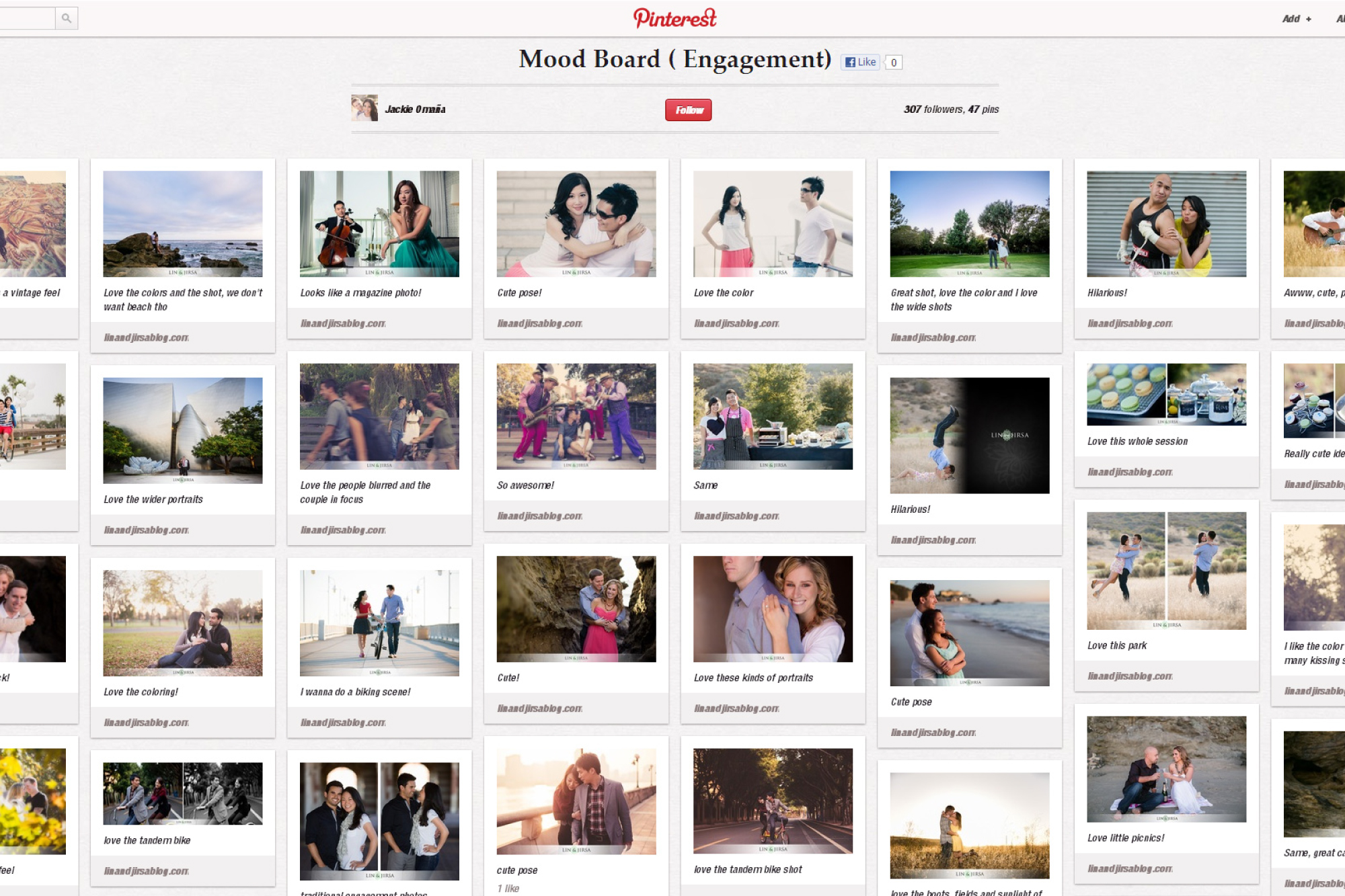
At its core, a photography mood board serves as a visual bridge. It is not a rigid blueprint or a list of demands to be replicated; rather, it is a compass for the creative process. Historically, photographers relied on verbal descriptions or vague reference points to discuss style. However, the rise of digital platforms like Pinterest and Behance has standardized the use of mood boards, allowing for a more efficient and collaborative pre-production phase.
When a client compiles a mood board, they provide the photographer with a roadmap of their aesthetic priorities. This process is applicable across diverse genres, from high-stakes editorial fashion shoots to intimate wedding portraits. By analyzing these boards, professionals can identify recurring themes, color palettes, and lighting preferences that the client may lack the technical vocabulary to express.
Chronology of the Pre-Production Workflow
The integration of a mood board typically occurs during the initial consultation phase of a project. A standardized workflow often follows this trajectory:
- Initial Inquiry: The client approaches the photographer, and a contract is negotiated.
- Concept Development: The photographer tasks the client with creating a digital mood board.
- Review and Synthesis: The photographer reviews the board, identifying actionable elements versus unrealistic constraints.
- The Consultative Session: A meeting is held to discuss the board, where the photographer provides professional guidance and manages expectations.
- Execution: The shoot proceeds with both parties aligned on the creative direction.
This structured timeline minimizes the risk of post-production disappointment. Data from industry surveys indicates that projects initiated with a clear visual brief result in a 30% higher satisfaction rate among clients, as the potential for subjective misinterpretation is significantly reduced.
Addressing Unrealistic Expectations through Visual Evidence
One of the most significant hurdles in professional photography is the misalignment of expectations regarding logistics, lighting, and environment. A mood board acts as a neutral arbiter in these scenarios. For instance, a client may select images that feature golden hour lighting or complex studio setups, but attempt to schedule a session during harsh midday sun in a location that lacks the necessary infrastructure.
Professional photographers utilize these discrepancies as a springboard for problem-solving. Instead of rejecting a client’s request, the mood board allows the photographer to explain the technical limitations—such as the inverse square law of light or the physical impossibility of being in two locations at once—using the client’s own chosen images as examples. This transition from "no" to "how we can achieve a similar effect" is a cornerstone of client retention and professional reputation management.

Technical Limitations and Creative Integrity
A common pitfall in the use of mood boards is the expectation of replication. Clients often mistake a mood board for a "shot list" or a template to be copied exactly. Professionals must communicate early that while a mood board informs the style and mood, it does not dictate the composition. Attempting to mimic another photographer’s work can stifle the creative energy of the session and often results in an unauthentic product.
To mitigate this, many leading photographers instruct their clients to source at least 70% of their mood board images from the photographer’s own portfolio. This ensures that the client is seeking the photographer’s specific aesthetic rather than a generic or unattainable style. By focusing on the photographer’s existing work, the client gains a realistic expectation of the quality and style they can expect to receive.
Economic and Marketing Implications
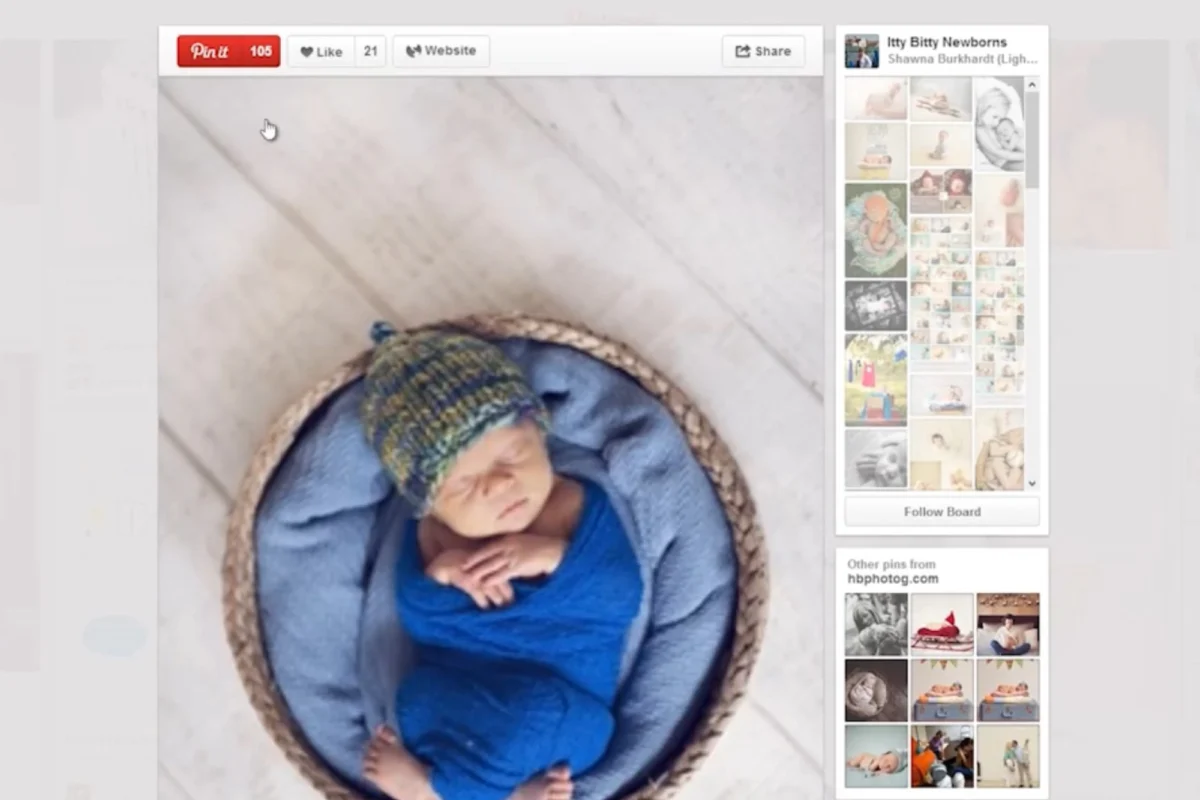
Beyond the immediate benefits of session alignment, the use of mood boards offers a secondary, quantifiable benefit: digital marketing. When clients curate boards on public-facing platforms, they effectively engage in organic, peer-to-peer marketing. Each image pinned from a photographer’s website serves as a backlink, contributing to the photographer’s search engine optimization (SEO) and driving traffic to their professional site.
Research into digital engagement trends suggests that photographers who encourage clients to share their boards on social media platforms see a marked increase in referral-based inquiries. By making the mood board a collaborative, shareable asset, the photographer leverages the client’s social circle to expand their brand reach, often at zero additional cost.

Beyond the Mood Board: The WAVE Framework
While mood boards excel at capturing style, they often fail to capture the client’s underlying values. A common industry observation is that a client might pin photos of elaborate, high-fashion poses that do not reflect their actual personality or long-term needs. This is where more advanced tools, such as the Wall Art Vision Exercise (WAVE), become necessary.
The WAVE framework encourages photographers to engage in a deeper inquiry:
- Purpose: Where will these images be displayed? (e.g., a formal living room, a digital album, a social media feed)
- Sentiment: What emotions should these images evoke for the client in five or ten years?
- Prioritization: What is the "must-have" vs. the "nice-to-have" regarding the final deliverable?
By combining the visual efficiency of a mood board with the psychological depth of a framework like WAVE, photographers can transition from being mere service providers to becoming trusted creative consultants.
Industry Synthesis and Conclusion
The implementation of a formal mood board process is an indicator of a professional, mature photography practice. It transforms the often chaotic nature of a photoshoot into a disciplined, goal-oriented project. For the photographer, it serves as a risk-mitigation strategy; for the client, it provides a sense of agency and inclusion in the creative process.

As visual literacy increases among the general public, the demand for high-quality, personalized photography continues to rise. Professionals who adopt systematic approaches to communication—leveraging both the visual data of mood boards and the strategic inquiry of value-based frameworks—are better positioned to succeed in an increasingly competitive market. The objective of any photography session is not merely to capture a moment, but to fulfill a vision; the mood board remains the most effective, accessible, and mutually beneficial tool for achieving that end.
By grounding the creative process in evidence-based communication, photographers ensure that their work remains both artistically fulfilling and commercially successful, ultimately fostering long-term relationships with clients who feel understood and valued throughout the production cycle.