Apple’s release of the Apple Watch Ultra 4 on September 22, 2026, marks a pivotal shift in the company’s approach to the competitive fitness tracking market. While Apple has historically favored a deliberate, iterative rollout strategy—often entering specialized categories years after competitors like Garmin or Suunto—the Ultra 4 introduces a "Training Readiness" metric that signals a move toward more sophisticated, data-driven health diagnostics. This development is supported by significant hardware upgrades, including advanced heart rate sensors that the company claims are the most accurate in the current wearable landscape.
A Chronology of Apple’s Health Strategy
The path to the Ultra 4 began with the initial launch of the Apple Watch in 2015, which primarily functioned as a notification-centric companion device. Over the following decade, Apple systematically expanded its health utility.
- 2018: Introduction of the ECG app and fall detection, positioning the watch as a medical-adjacent device.
- 2020-2022: The introduction of blood oxygen monitoring and the original Apple Watch Ultra, which targeted outdoor enthusiasts.
- 2024-2025: A focus on battery efficiency and the integration of machine learning into the Health app.
- September 2026: The launch of the Ultra 4 and Series 12, marking the formal integration of readiness scoring and Apple Intelligence-driven health insights.
By waiting to implement features like Training Readiness, Apple has avoided the common pitfall of "data fatigue," instead opting to refine the user interface until the interpretation of raw metrics could be distilled into actionable advice.
The Science of Accuracy and Heart Rate Variability
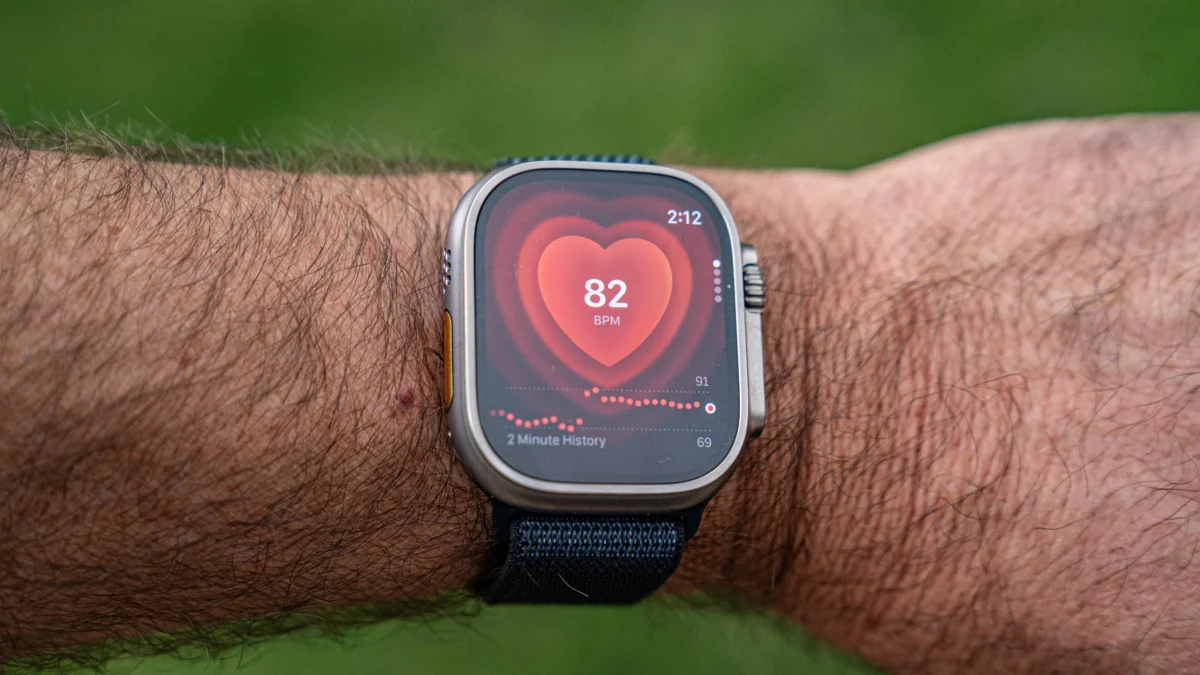
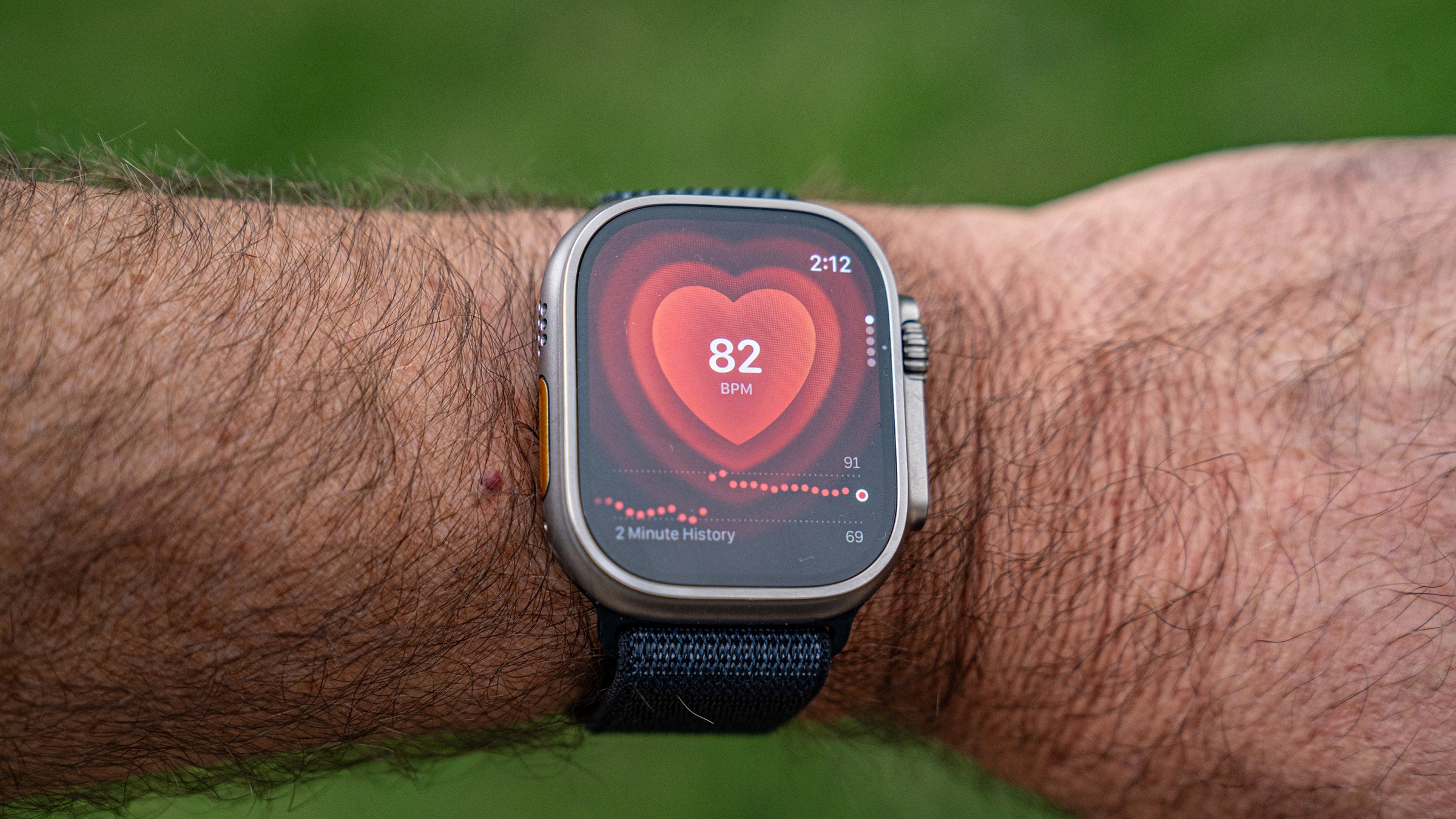
Central to the new Training Readiness score is the enhanced heart rate monitoring hardware. Apple’s internal validation study, conducted in 2026, compared the performance of the Ultra 4 and Series 12 against a range of industry-standard wrist- and arm-based monitors. The study utilized a diverse cohort of participants, accounting for variations in skin tone, body mass index (BMI), age, and biological sex—factors that have historically impacted the accuracy of photoplethysmography (PPG) sensors.
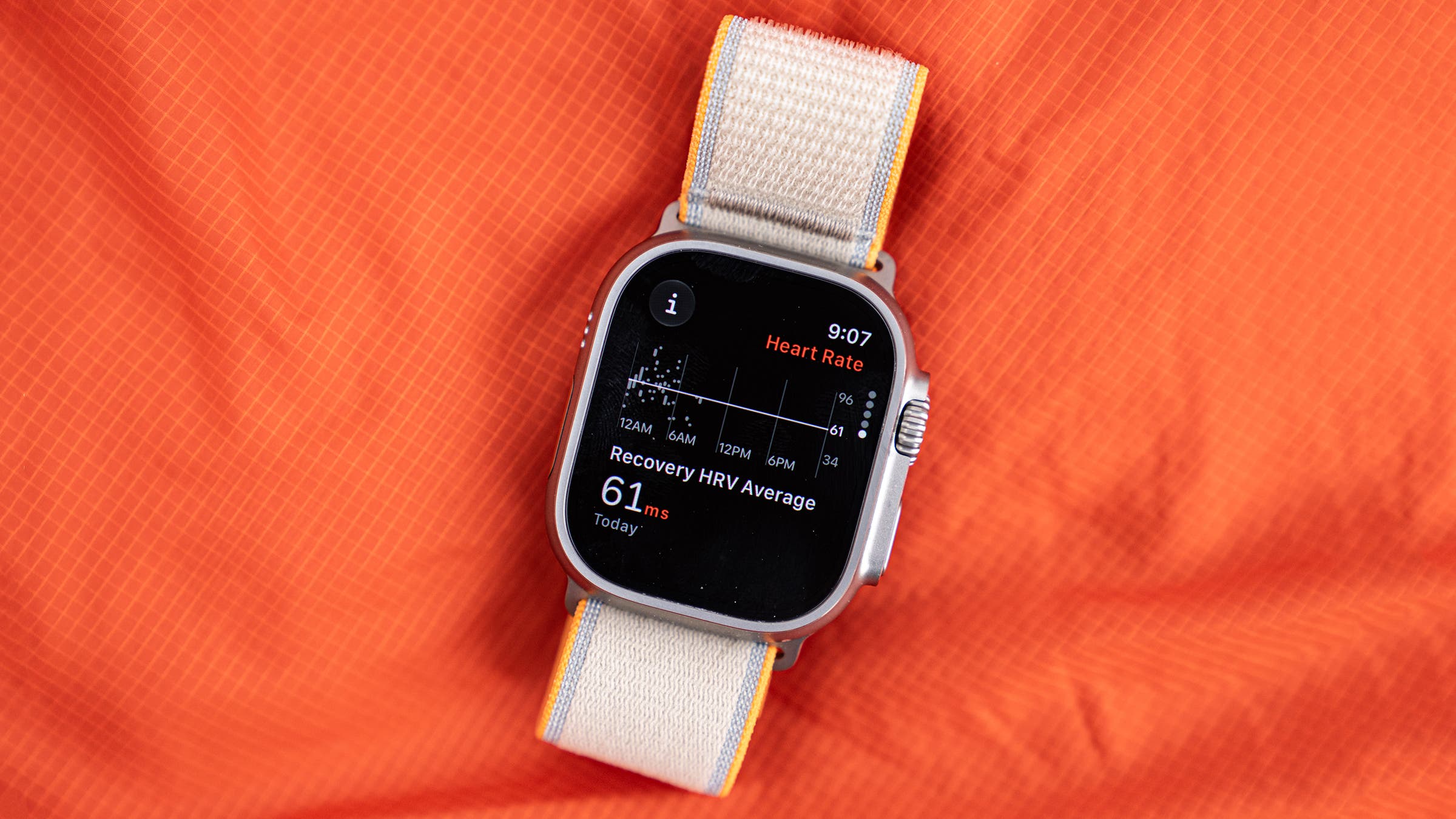
The Ultra 4 now monitors Heart Rate Variability (HRV) at five-minute intervals throughout the day and night. HRV, which measures the infinitesimal fluctuations in time between successive heartbeats, serves as a proxy for autonomic nervous system activity. A high HRV generally correlates with robust recovery and low physiological stress, while a downward trend may indicate the onset of illness, overtraining, or psychological stress. By increasing the frequency of these measurements, the Ultra 4 provides a higher resolution of data than its predecessor, the Ultra 3, aligning it more closely with the diagnostic capabilities of dedicated sports-focused wearables.
Data Synthesis: The Readiness Score
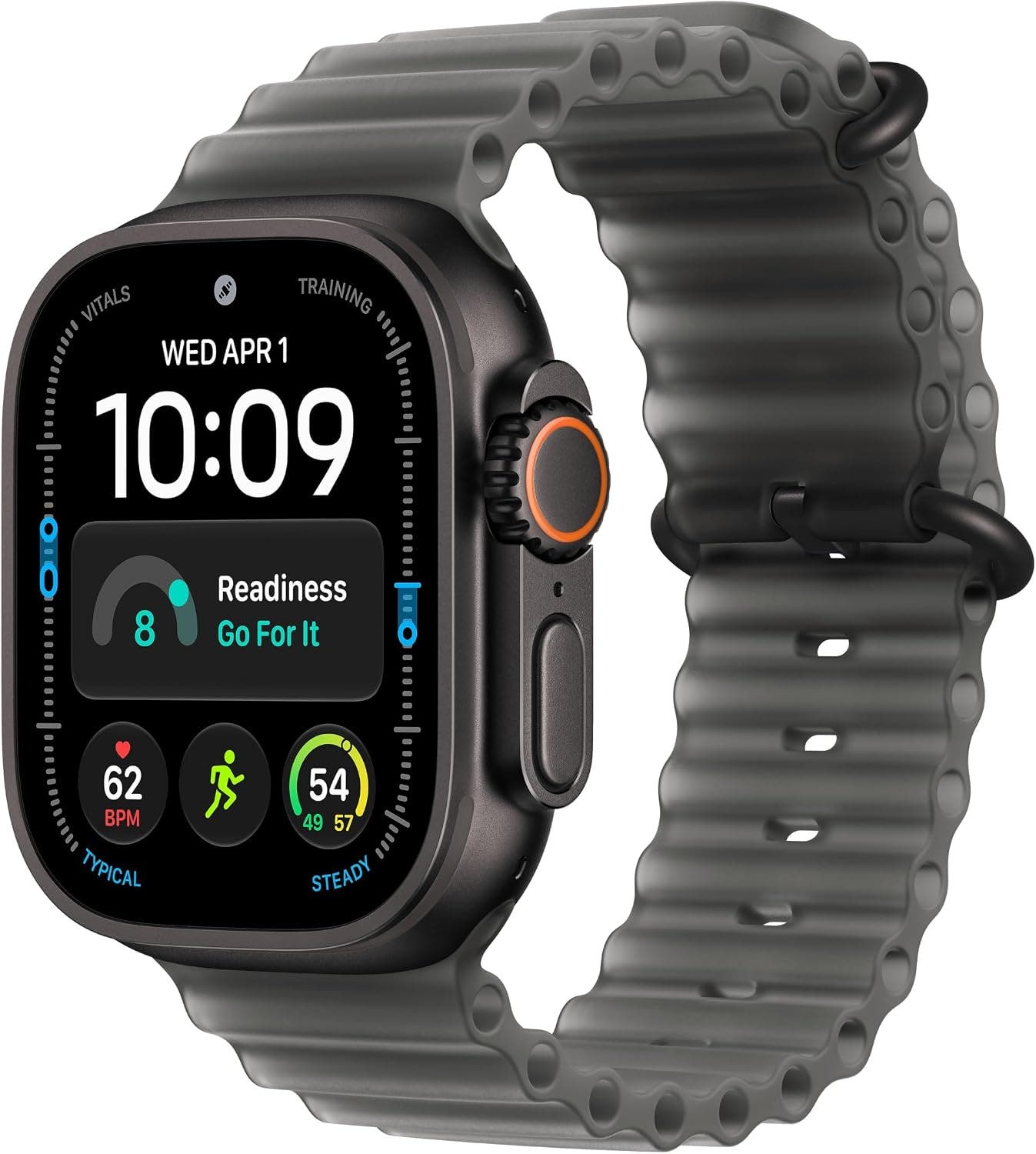
Apple has implemented a 1-to-10 scale for its Readiness score, accompanied by qualitative descriptors: "Recover" (0-1), "Pace Yourself" (2-4), "Ready" (5-7), and "Go For It" (8-10). This simplified delivery stands in contrast to the granular, 1-to-100 scoring systems used by Garmin and other fitness-focused brands.
The rationale behind this design choice is rooted in user accessibility. Rather than overwhelming the user with raw data points, Apple’s software parses the interplay between sleep quality, previous workout intensity, HRV, and resting heart rate to provide a singular, context-aware directive. This reflects a broader trend in consumer health technology: the transition from "data collection" to "data coaching."
Future Outlook: Apple Intelligence and Health Ecosystems
The hardware launch is merely the first phase of a larger ecosystem expansion scheduled for late 2026. Apple is set to introduce a redesigned Health app interface for the iPhone, featuring an "Insights" tab. This dashboard will leverage Apple Intelligence to synthesize longitudinal data, offering trends in metabolic health, nutritional intake, and mental well-being.
One of the most anticipated features is "Health Age," a comparative metric that calculates how an individual’s physiological markers—such as cardiovascular efficiency and recovery speed—compare to their chronological age. This is intended to move beyond simple activity tracking into the realm of proactive health management.
Battery Performance and Competitive Limitations
Despite the technical advancements, the Apple Watch Ultra 4 remains distinct from specialized endurance hardware. With a 50-hour battery life under normal conditions and 18 hours of continuous workout tracking, it occupies a middle ground.
For context, the Garmin Enduro 3 offers up to 120 hours of GPS tracking, or 320 hours with solar-assisted charging. Similarly, the Coros Pace 4 Pro provides 60 hours of GPS tracking at a significantly lower price point. Apple’s decision to limit extreme battery life is a strategic compromise; the company prioritizes the "smartwatch" experience—including cellular connectivity, high-resolution displays, and constant app interaction—which inherently consumes more power than the reflective or low-power displays found in traditional multisport watches.
For the vast majority of athletes—those who engage in daily training, recreational racing, or health maintenance—the 15-minute fast-charging capability of the Ultra 4 effectively mitigates battery anxiety. A 15-minute charge provides approximately 18 hours of additional runtime, allowing users to keep the device on their wrist during sleep for consistent health tracking.
Market Implications
The launch of the Ultra 4 highlights a maturing market where hardware parity is no longer the primary differentiator. Instead, the "win" in the wearables space is increasingly defined by the quality of the software and the ease with which users can interpret complex physiological data.
While dedicated endurance athletes may continue to favor brands like Garmin or Suunto for multi-day events and rugged battery longevity, Apple has successfully captured the "serious recreational" segment. By embedding advanced diagnostics into a device that already serves as a communication and productivity hub, Apple has reduced the barrier to entry for health monitoring.
The industry will likely see a response from competitors in the form of improved user interfaces and AI-driven coaching features. For now, the Apple Watch Ultra 4 sets a new standard for how wearable technology integrates into the daily life of the average user, balancing complex physiological analysis with the simplicity of a consumer-facing interface. As health data becomes more central to personal wellness, the ability of companies to provide actionable, rather than merely observational, data will determine the next generation of market leaders.