The release of the Apple Watch Ultra 4 and the Apple Watch Series 12 marks a significant evolution in how Apple approaches personalized biometric data visualization. While the hardware upgrades in the latest generation of wearables are noteworthy, the software integration—specifically the introduction of the Readiness app and its associated watch face complications—represents a strategic shift toward proactive health management. By allowing users to display their physical recovery status directly on the watch’s bezel, Apple is moving beyond simple activity tracking into the realm of comprehensive physiological monitoring.
Understanding the Readiness Metric
At the core of this update is the new Readiness app, a feature that synthesizes a wide array of health markers into a single, actionable score. This metric is designed to tell users whether their body is prepared for a strenuous workout or if it requires a period of rest. To calculate this score, the Apple Watch Ultra 4 aggregates data from several key sensors.
Overnight vitals are the primary contributors, including resting heart rate, respiratory rate, wrist temperature, and recovery heart rate variability (HRV). By monitoring these during sleep, the device establishes a baseline for the user’s recovery state. Throughout the day, the watch continues to sample heart rate and HRV data, allowing the Readiness score to fluctuate as the user encounters stress, physical exertion, or illness. This dynamic nature is why the new bezel configuration is particularly impactful; it offers a persistent view of a metric that is, by design, fluid.
Evolution of the Apple Watch Ultra Interface
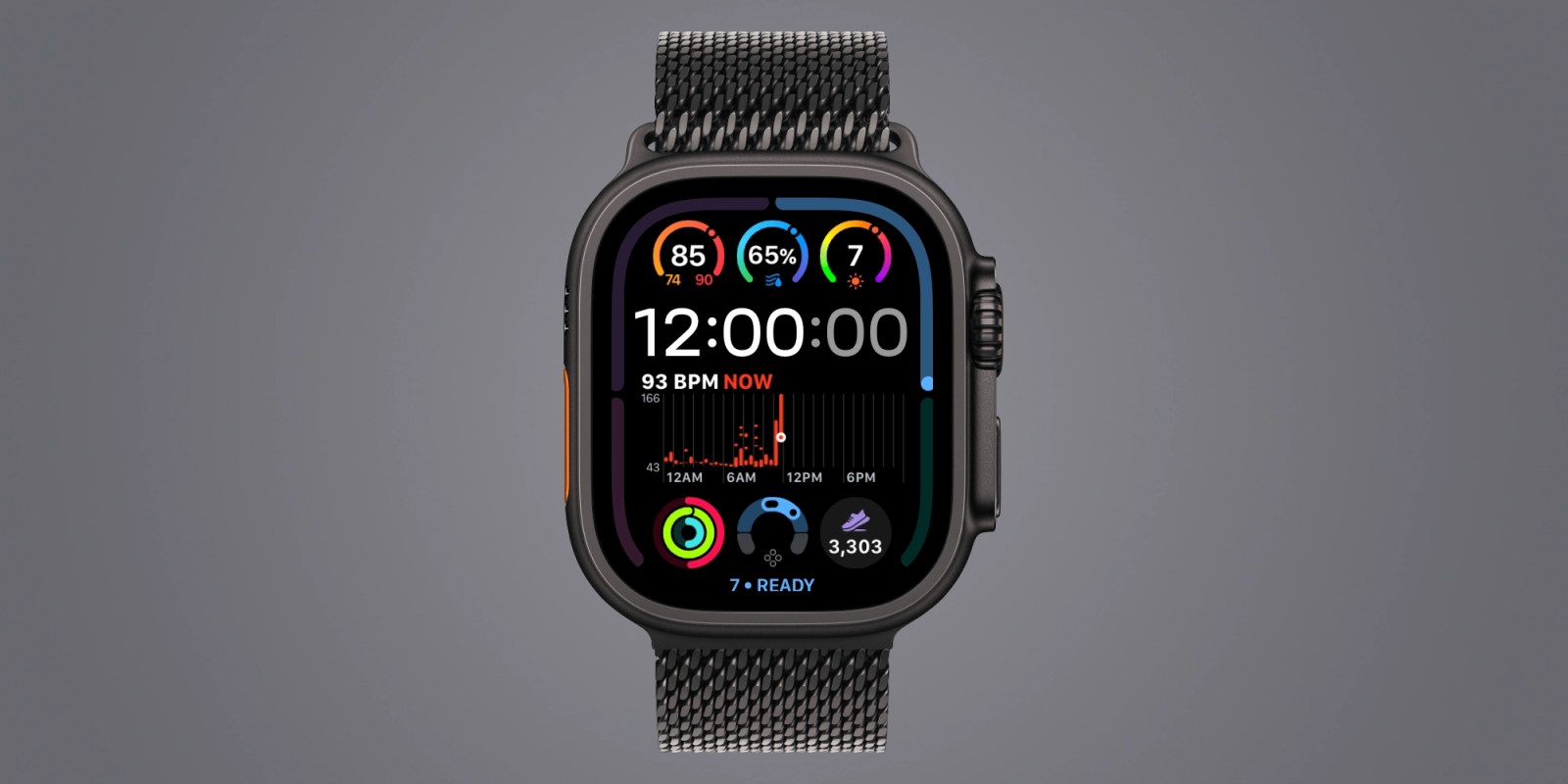
Apple has historically reserved unique interface elements for its Ultra line to justify the hardware’s premium positioning and rugged intent. While the Series 12 maintains a focus on mainstream health tracking, the Ultra 4 continues to push the boundaries of information density.
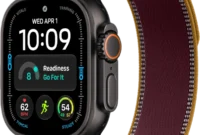
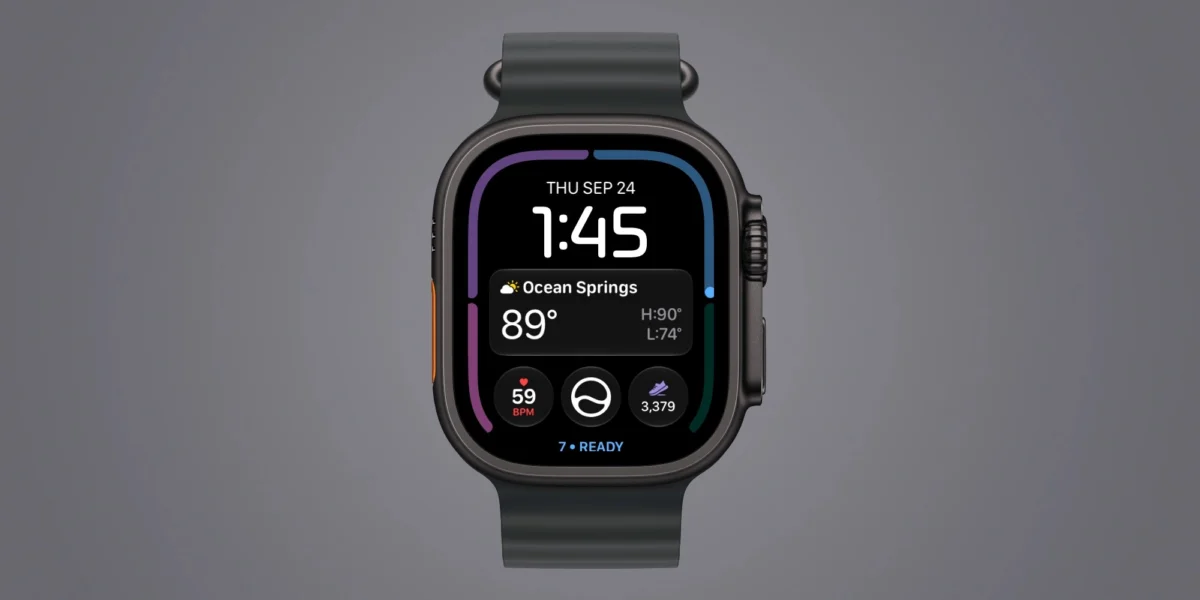
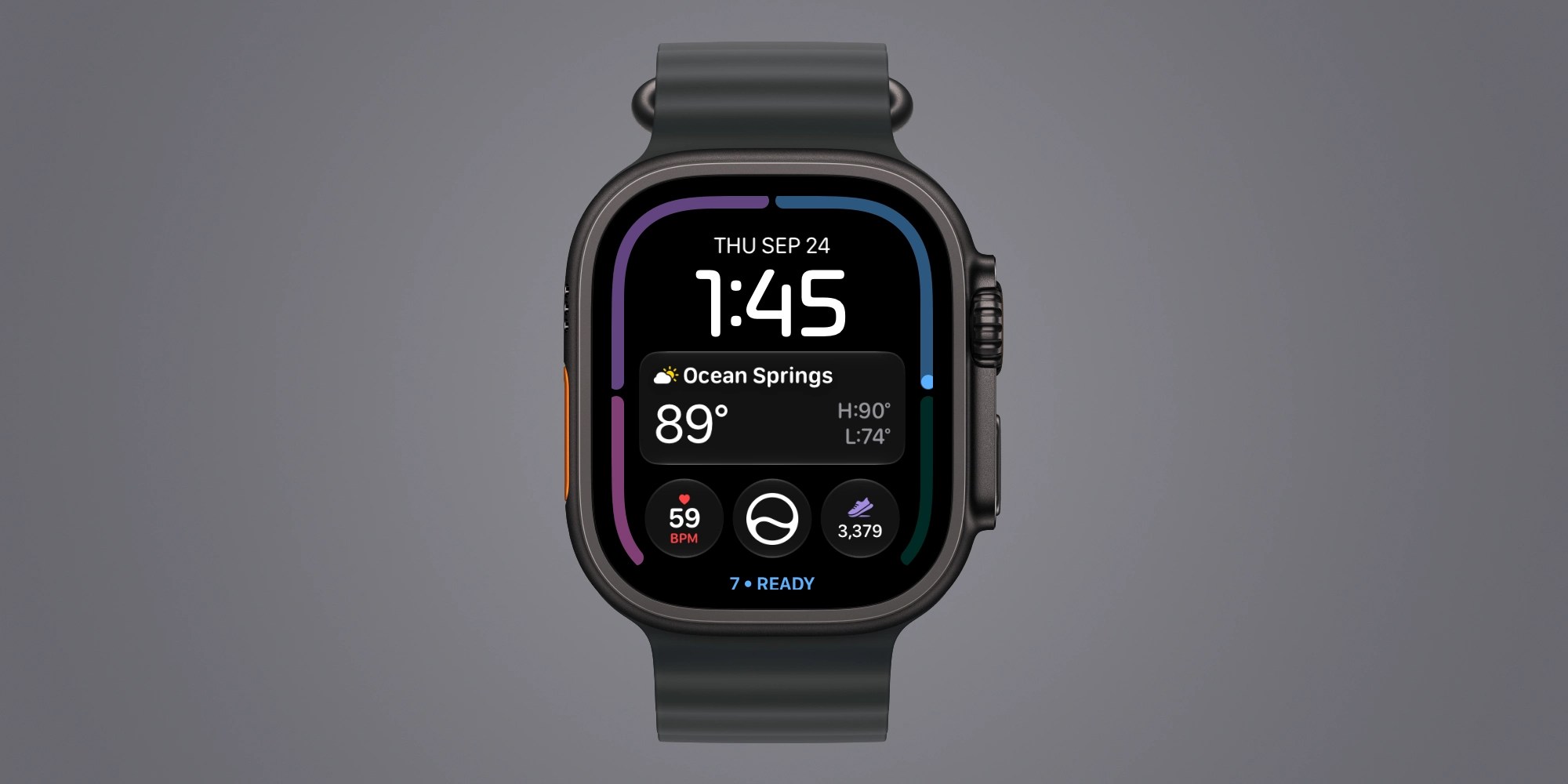
The bezel, previously utilized for simple date or elevation indicators, has now been repurposed to serve as a dashboard for health recovery. The implementation of the Readiness bezel on the Modular Ultra and the newly introduced Siri Modular face is a testament to Apple’s commitment to providing "at-a-glance" utility. The configuration displays a numerical score alongside a qualitative description, effectively removing the need to navigate to a secondary app to check one’s recovery status. Furthermore, the visual design—featuring four edge-wrapping bars that signify different readiness categories—allows for quick interpretation without the user needing to decipher complex charts or spreadsheets.
A Chronology of Health Monitoring at Apple
To understand the significance of the Readiness app, one must look at the progression of Apple’s health-tracking capabilities. Since the launch of the original Apple Watch in 2015, the focus was initially on activity rings—a gamified approach to daily movement.
- 2015: Introduction of Activity Rings, focusing on movement, exercise, and standing goals.
- 2018: Integration of ECG and fall detection, marking Apple’s entry into proactive clinical-grade health monitoring.
- 2020: Introduction of blood oxygen sensing and sleep tracking, providing deeper insights into physiological health.
- 2023: Introduction of the Apple Watch Ultra, bringing specialized fitness metrics like running power and depth tracking for divers.
- 2026: Launch of the Readiness app and the Apple Watch Ultra 4, signaling a move toward holistic recovery-based coaching.
This timeline demonstrates a clear trajectory: Apple has evolved from a company that measures what you do (activity) to a company that measures how your body reacts to what you do (recovery).
Supporting Data and Physiological Context
The reliance on HRV as a core component of the Readiness score is consistent with established sports science. HRV is a measure of the variation in time between each heartbeat, and it is widely recognized by athletic trainers and medical professionals as one of the most reliable indicators of the autonomic nervous system’s state. A higher HRV typically indicates that the body is in a state of "parasympathetic dominance," meaning it is well-rested and ready to handle stress. Conversely, a suppressed HRV often signals that the body is overtrained or struggling with an illness.
By placing this data on the bezel, Apple is essentially democratizing access to high-level athletic recovery monitoring. Historically, this type of data was reserved for professional athletes using expensive wearable patches or dedicated chest straps. By integrating it into the standard watch face of the Ultra 4, Apple is providing a daily-use case for data that was once considered niche.
Analysis: Implications for User Behavior
The addition of the Readiness bezel is likely to change user behavior in two distinct ways. First, it fosters a culture of "listening to one’s body." By presenting the Readiness score in such a prominent location, Apple is nudging users to adjust their training intensity based on their actual recovery status rather than a static training plan. If a user sees a low readiness score on their bezel, they are statistically more likely to opt for a rest day or a light walk, thereby reducing the risk of burnout or injury.
Second, the update impacts the design philosophy of the watch face. The "Modular" series of faces, which are among the most popular in the Apple ecosystem, are designed for power users who want maximum information density. By integrating the Readiness bezel into the Modular Ultra and Siri Modular faces, Apple is acknowledging that for the Ultra demographic, health data is as vital as time, weather, or calendar appointments.

Industry and Expert Reactions
While official commentary from third-party fitness software developers has been measured, many have noted that this move by Apple effectively puts them in direct competition with specialized recovery-focused wearables. Companies that built their business model on proprietary recovery algorithms now face a challenge: Apple has integrated that same utility into a device that users are already wearing for connectivity, navigation, and general health tracking.
Industry analysts suggest that this "all-in-one" approach is the ultimate endgame for Apple. By ensuring that the Watch is not just a secondary screen for an iPhone but a primary health diagnostic tool, Apple increases the "stickiness" of the ecosystem. For the athlete or the health-conscious consumer, the Apple Watch Ultra 4 is no longer just a watch; it is a diagnostic peripheral that informs daily life decisions.
Broader Impact on the Wearable Market
The broader impact of this technological shift cannot be overstated. As health tracking becomes more granular, the barrier between consumer electronics and medical devices continues to blur. The inclusion of respiratory rate and recovery HRV as standard metrics in a consumer watch indicates that the accuracy of Apple’s sensors has reached a level of maturity that satisfies both casual users and performance-focused individuals.
Looking forward, the integration of the Readiness app into the bezel configuration is likely just the beginning. As Apple continues to iterate on its watchOS software, we can expect to see more "contextual" watch faces that change their complications based on the user’s current environment or physical state. If the user is at the gym, the watch may prioritize fitness metrics; if they are at work, it may prioritize the Readiness score and calendar alerts.

The Apple Watch Ultra 4, with its focus on durability, battery life, and now, advanced recovery metrics, represents the most refined version of Apple’s vision for the future of wearable technology. The Readiness bezel is not merely a visual gimmick; it is a fundamental shift toward a more intelligent, responsive, and health-aware device that serves as a permanent, silent coach on the user’s wrist. As these tools become more sophisticated, the line between technology and human performance will only continue to narrow, offering users unprecedented control over their own biological well-being.