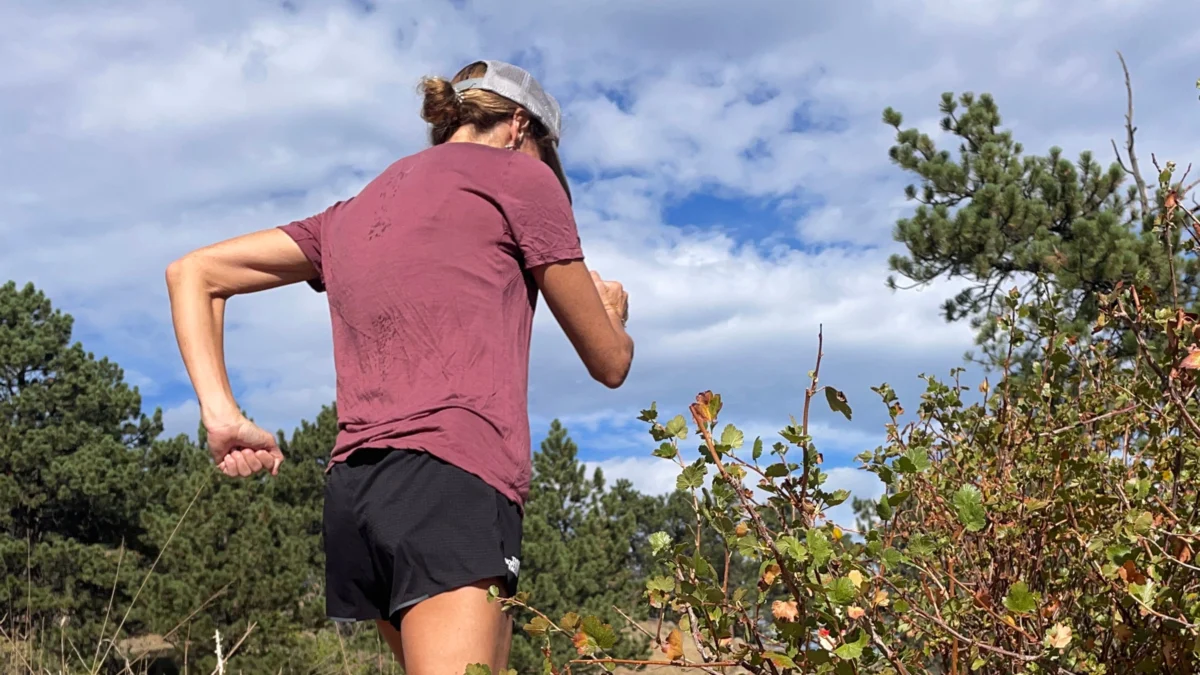
As temperatures begin to decline and the transitional weather of autumn sets in, the athletic apparel industry is observing a significant shift in consumer preference toward natural fiber performance wear. While high-performance synthetic materials have dominated the running market for decades due to their moisture-wicking capabilities, Merino wool and wool-blend textiles are increasingly favored for their thermal regulation, environmental sustainability, and odor-neutralizing properties. This trend represents a broader movement in the outdoor gear sector, where athletes are prioritizing multifunctional, eco-conscious materials that bridge the gap between high-intensity training and casual daily wear.
The Evolution of Athletic Fabric Technology
For the past thirty years, the athletic industry has been defined by the development of petroleum-based synthetics. Polyester, nylon, and elastane became the gold standard for endurance sports because they excel at moving moisture away from the skin. However, the reliance on these materials has come under scrutiny due to the shedding of microplastics during the laundry cycle and the environmental impact of synthetic production processes.
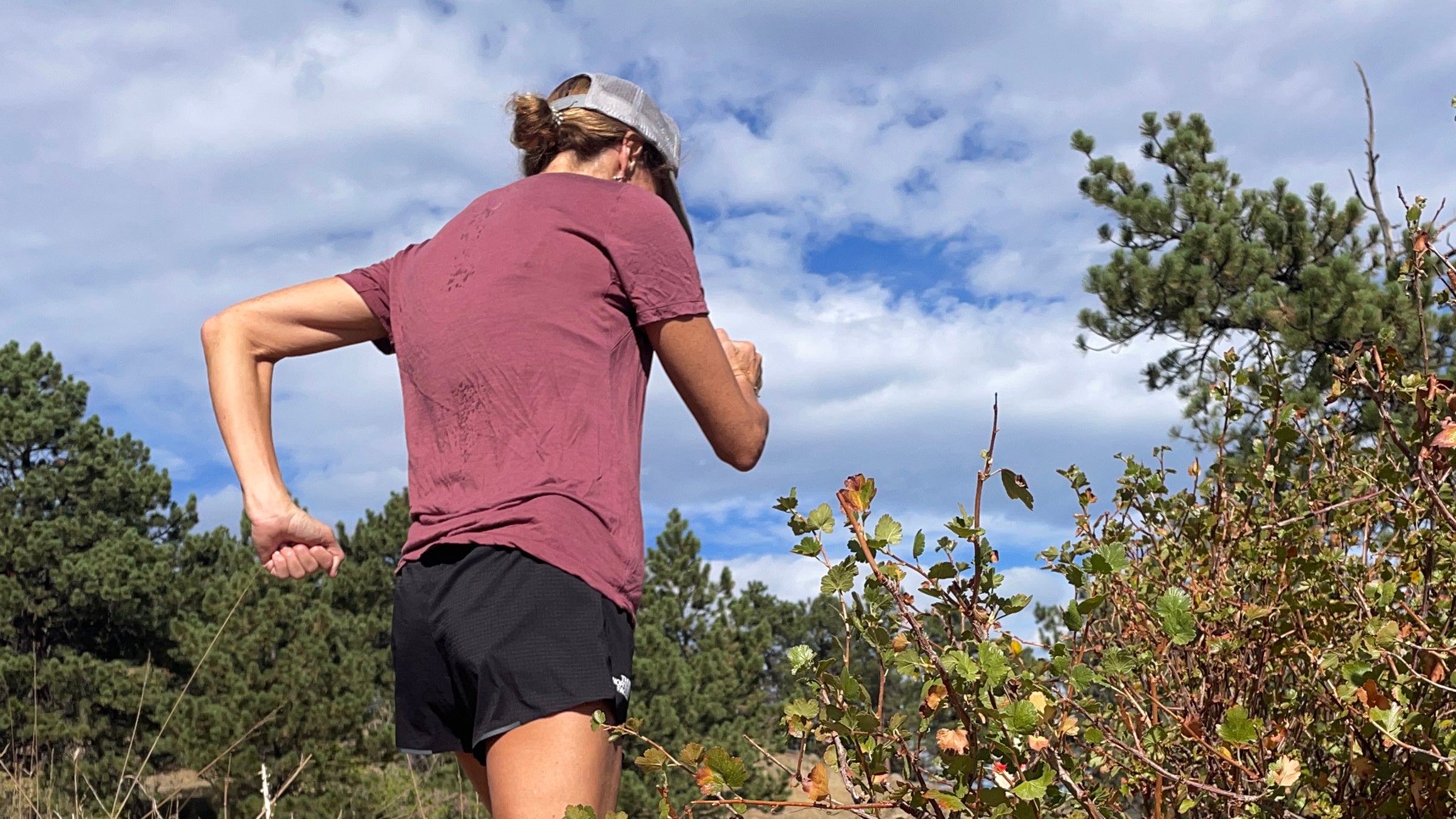
In response, performance apparel manufacturers have pivoted back to wool—specifically Merino. Originating primarily from Australia and New Zealand, Merino wool features a finer diameter fiber than traditional wool, making it significantly softer and less abrasive against the skin. The technical advantage of Merino lies in its crimped, coiled fiber structure. This natural architecture creates microscopic air pockets that function as a biological thermostat, trapping body heat in cold conditions while remaining porous enough to allow heat to escape during periods of high exertion.
Chronology of the Natural Fiber Resurgence
The transition toward natural fibers in technical running gear did not happen overnight. The evolution can be traced across three distinct phases over the last decade:
- 2014–2017 (The Niche Phase): Merino wool was largely relegated to base layers for mountaineering and cold-weather skiing. Running-specific wool tees were considered a luxury item, often criticized for being too heavy or lacking the stretch required for high-cadence movement.
- 2018–2022 (The Hybridization Phase): Manufacturers began experimenting with fiber blends, integrating small percentages of nylon, spandex, or Tencel with Merino wool. This resolved the durability and stretch concerns, allowing wool to compete directly with synthetic performance shirts.
- 2023–2026 (The Mainstream Integration): Brands like Patagonia, Ibex, and Woolx have successfully brought wool-blend apparel into the mainstream market. Modern manufacturing techniques have reduced the weight of these garments—now often measured at 115g/m² to 150g/m²—making them viable for warm-weather running as well as autumn training.
Comparative Analysis: Synthetic vs. Merino Performance
Data from apparel stress-testing labs indicates that while synthetic fabrics are superior in sheer moisture-wicking speed, Merino wool maintains a higher comfort threshold during temperature fluctuations. When an athlete perspires in a 100% polyester shirt, the fabric often feels cold against the skin once the sweat saturates the weave. In contrast, wool fibers can absorb up to 30 percent of their own weight in moisture without feeling damp to the touch, and they maintain their insulating properties even when wet.
Furthermore, the antimicrobial nature of wool is a critical factor for long-term durability. Merino wool contains lanolin and a complex surface structure that prevents the growth of odor-causing bacteria. Laboratory studies have shown that synthetic fabrics provide a more hospitable environment for Staphylococcus bacteria, leading to the "persistent odor" common in older athletic shirts. By reducing the frequency of washing, Merino garments have a significantly lower environmental footprint over their product lifecycle.
Industry Perspectives and Material Science
Leading textile engineers emphasize that the "feel" of a fabric is as much about the fiber length as it is about the blend. "By integrating Tencel or recycled polyester with Merino, we are creating a fabric that possesses the structural integrity of a synthetic and the biological advantages of a natural fiber," says an industry consultant specializing in sustainable supply chains. This hybrid approach is what allows modern runners to wear a single shirt for a 10-mile trail run and then transition to a work environment without needing to change, effectively reducing the total number of garments an athlete needs to own.
The rise of the "Responsible Wool Standard" (RWS) has also played a pivotal role in the adoption of these materials. RWS certification ensures that the wool is sourced from farms with a progressive approach to managing their land and a commitment to the welfare of their sheep. As environmental transparency becomes a demand from the consumer base, manufacturers are finding that sustainability is a powerful marketing tool that justifies the higher price point of wool-blend products.
Product Case Studies: The New Standard
Current market leaders have demonstrated the versatility of these blends through specific design choices:
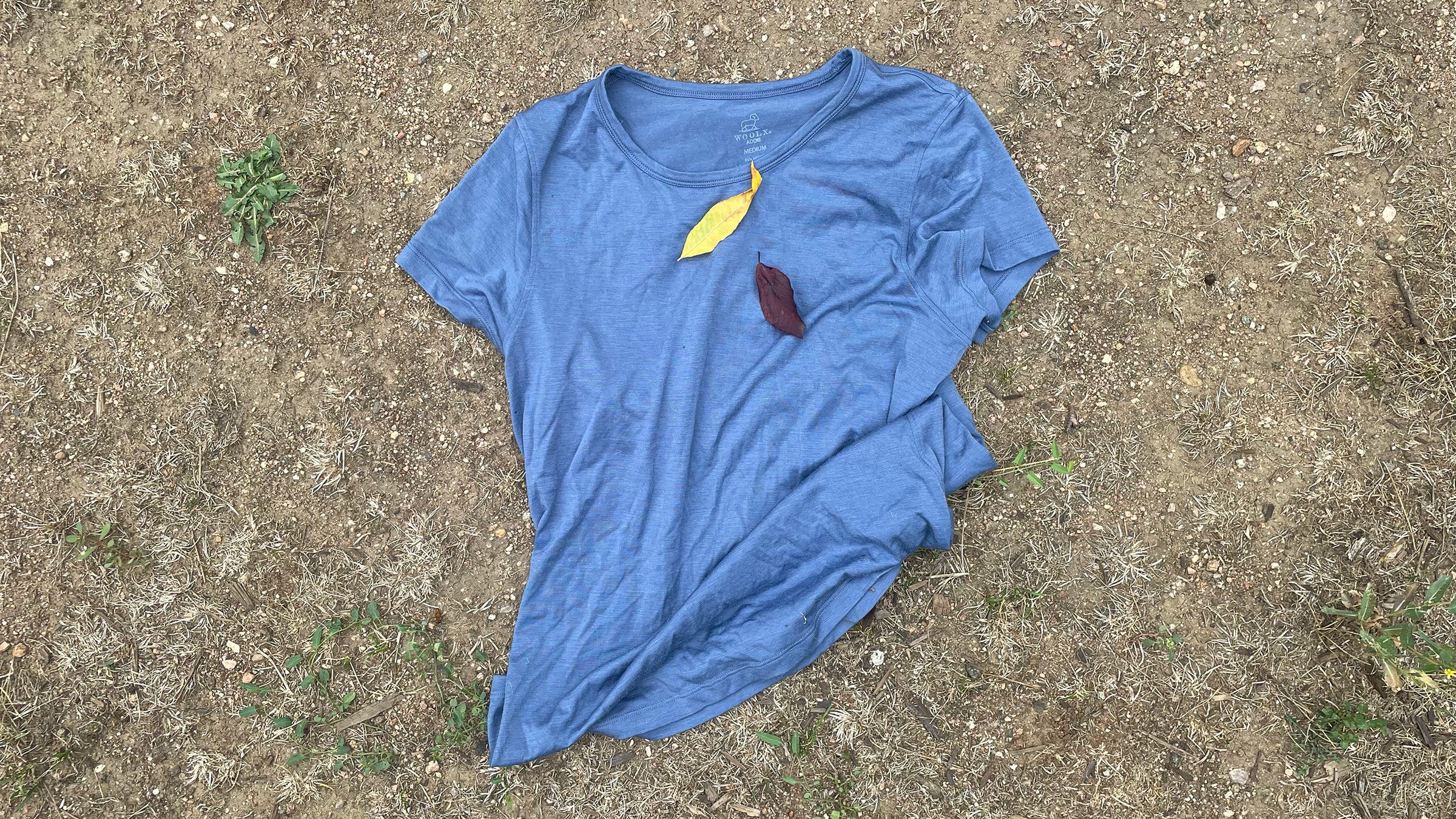
- Woolx Addie Tee: Utilizing an 85% Merino, 12% nylon, and 3% spandex blend, this garment serves as a prime example of high-stretch performance wear. Its 150g/m² weight provides a balanced profile for moderate-intensity activities, effectively bridging the gap between a casual lifestyle shirt and a technical training top.
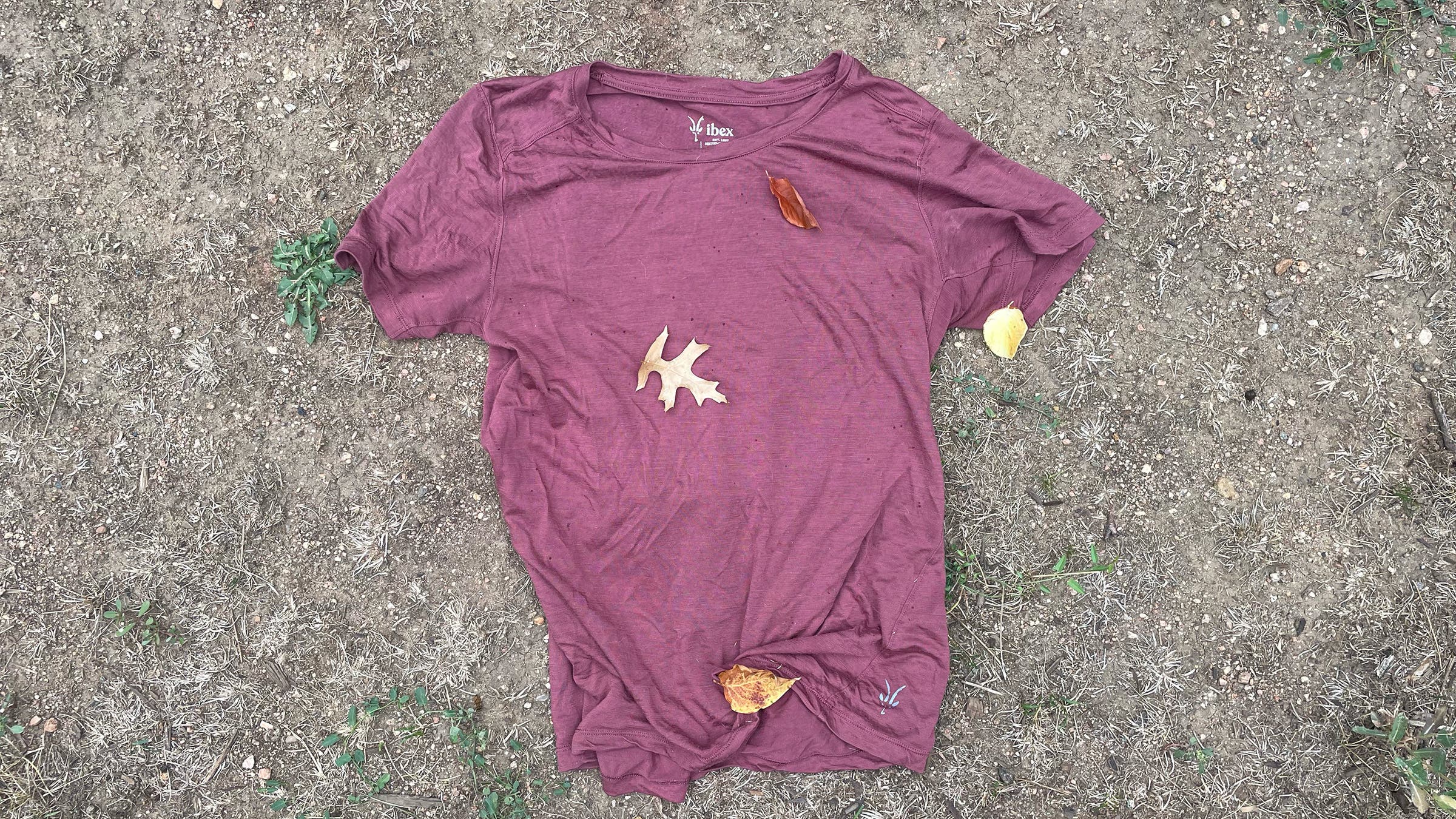
- Ibex Paradox Short Sleeve Crewneck: This shirt highlights the role of Tencel (a regenerated cellulose fiber). By blending Merino with Tencel, the manufacturer achieves a softer "hand-feel" than 100% wool. This specific blend is noted for its ability to regulate temperature in erratic autumn weather, where the runner may face both direct sunlight and cooling winds.
- Patagonia Capilene Cool Merino Blend: Focusing on environmental impact, this line utilizes 65% RWS-certified wool and 35% recycled polyester. At 115-120g/m², it is one of the lightest wool-blend options on the market, appealing to runners who prioritize weight and breathability while maintaining the core benefits of natural fiber insulation.
Broader Economic and Environmental Implications
The trend toward Merino wool is symptomatic of a larger shift in the outdoor industry toward "circularity." As the climate changes, outdoor athletes are increasingly facing unpredictable weather patterns, making versatile, climate-adaptive clothing a necessity rather than a luxury.
The environmental implications of this shift are profound. The textile industry is responsible for approximately 10 percent of global carbon emissions, with synthetic fiber production being a significant contributor. By transitioning toward biodegradable natural fibers that require less frequent washing, the athletic apparel market is slowly moving toward a model that prioritizes long-term utility over short-term disposal.
While synthetic materials will likely remain the standard for high-performance racing gear where every gram of weight and millisecond of wicking time counts, the daily training habits of the average runner are clearly evolving. The move toward Merino is a testament to the fact that for the majority of outdoor enthusiasts, the ideal piece of gear is one that works as well in the office as it does on the mountain, all while minimizing the impact on the environments that these athletes seek to explore. As supply chains continue to stabilize and the technology for blending fibers advances, the dominance of 100% synthetic athletic wear is likely to continue its slow, steady decline in favor of more sustainable, versatile, and comfortable natural-fiber alternatives.