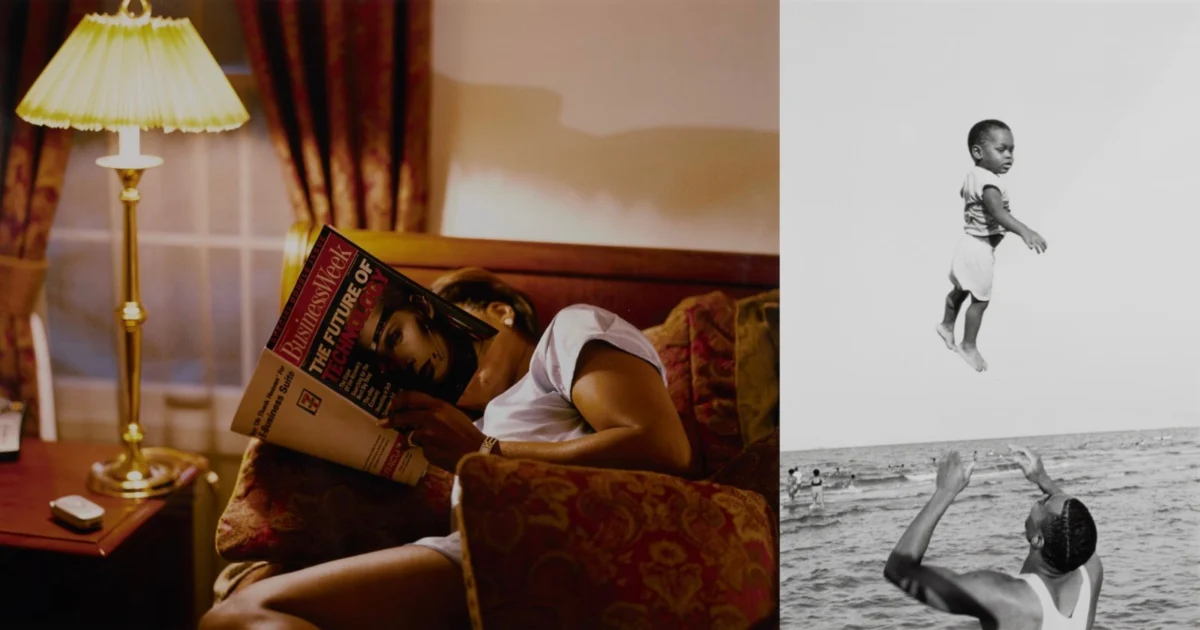
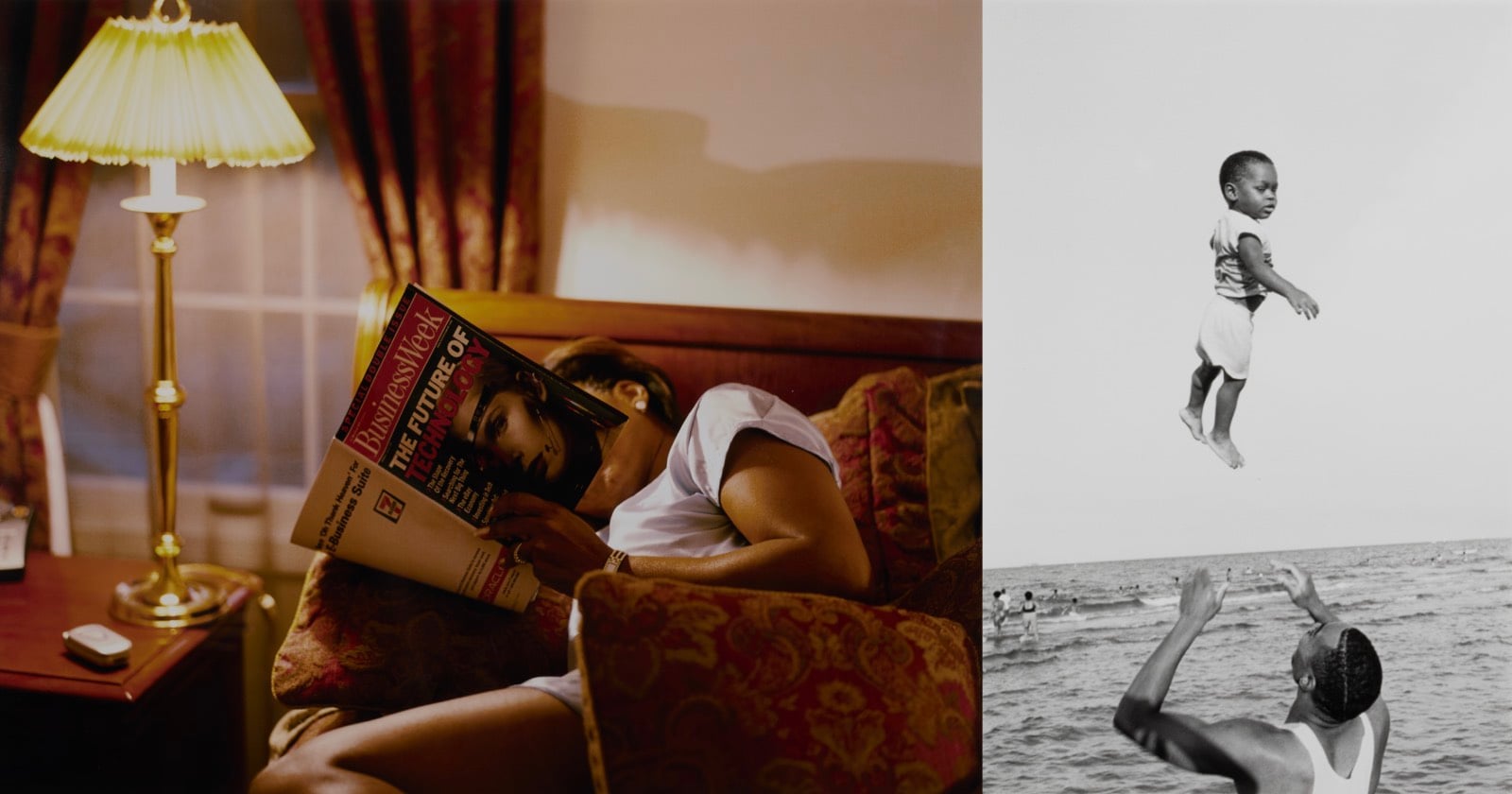
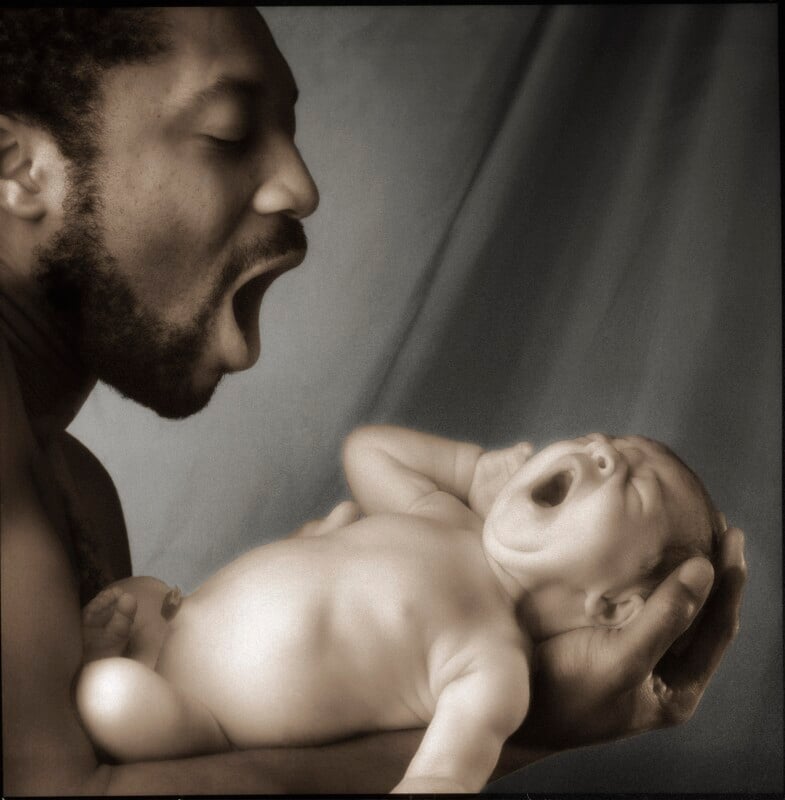
The project is more than a mere display of prints; it is an interrogation of the "untaken journey" of Emmett Till, the 14-year-old Chicago boy whose brutal murder in Mississippi in 1955 became a foundational catalyst for the modern American Civil Rights Movement. Through a curated selection of works from photographers including Gordon Parks, Dawoud Bey, Dorothea Lange, and Henri Cartier-Bresson, the exhibition reconstructs the milestones of a life that Till was denied: adolescence, adulthood, marriage, fatherhood, and the witnessing of monumental political shifts, such as the election of Barack Obama.
The Tragedy of 1955: A Catalyst for Change
To understand the weight of this exhibition, one must revisit the events of August 1955. Emmett Till, a teenager from Chicago, was visiting relatives in Money, Mississippi, when he was accused of whistling at a white woman named Carolyn Bryant Donham in a grocery store. This accusation, later admitted by Donham to have been fabricated in key details, led to the abduction, torture, and lynching of Till. His body was found in the Tallahatchie River, so badly disfigured that he was identifiable only by a ring he wore.
The decision by his mother, Mamie Till-Mobley, to hold an open-casket funeral in Chicago—allowing the world to see the grotesque reality of white supremacist violence—is widely credited with galvanizing the American public. The subsequent trial, which saw an all-white jury acquit the two men who admitted to the kidnapping and killing, exposed the systemic failures of the Southern judicial system.
The political ripple effects were immediate. Only months after the funeral, in December 1955, Rosa Parks sparked the Montgomery Bus Boycott. She later testified that her decision to resist the segregation of the bus was heavily influenced by her thoughts of the murdered teenager. The momentum generated by the outrage surrounding the case played a critical role in the legislative atmosphere that eventually produced the Civil Rights Act of 1957.
A Visual Chronology of a Potential Life
The exhibition at the MoCP organizes the passage of time through the lens of mid-to-late 20th-century photography. By placing archival images of everyday American life alongside iconic scenes of the civil rights struggle, curator Sarah Lewis creates a space where Till’s ghost is not a specter of death, but a participant in the American story.
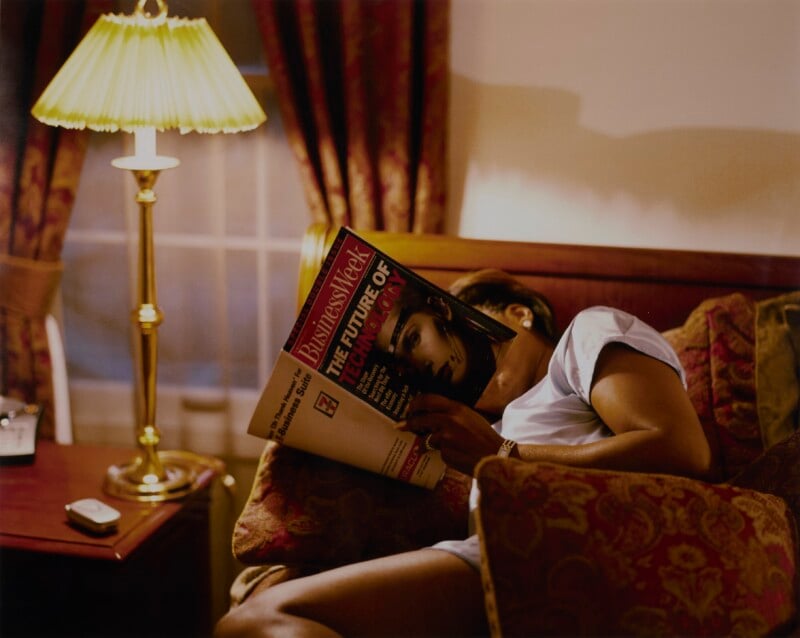
The timeline of the exhibition moves through the eras Till would have lived through:
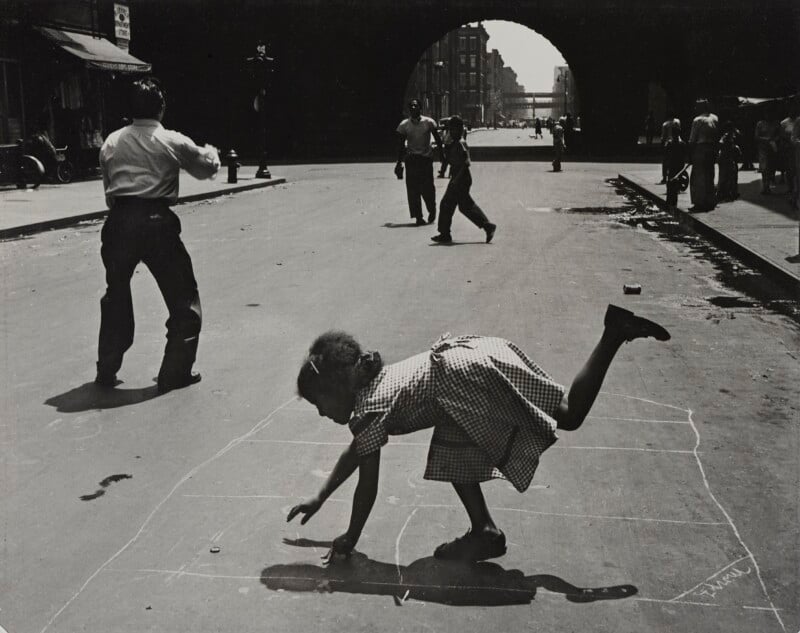
- The Late 1950s and 1960s: Represented by scenes of public life and the early integration of schools and facilities, echoing the environment Till would have navigated as a young man.
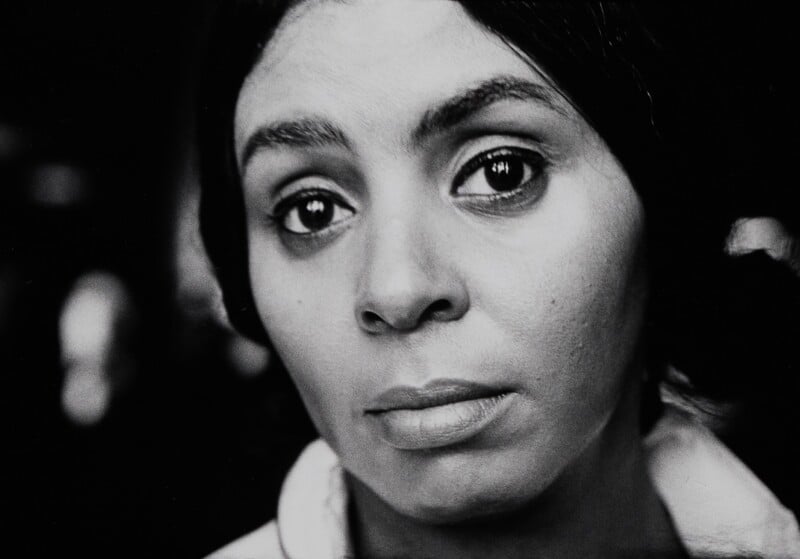
- The 1970s and 1980s: Documented through street photography and intimate portraits that capture the evolving culture of urban centers like Chicago, mirroring the demographic shifts and cultural movements of those decades.
- The 1990s and 2000s: Marked by images of professional success and the landmark political milestones, such as the rise of figures like Michael Jordan and the presidency of Barack Obama.
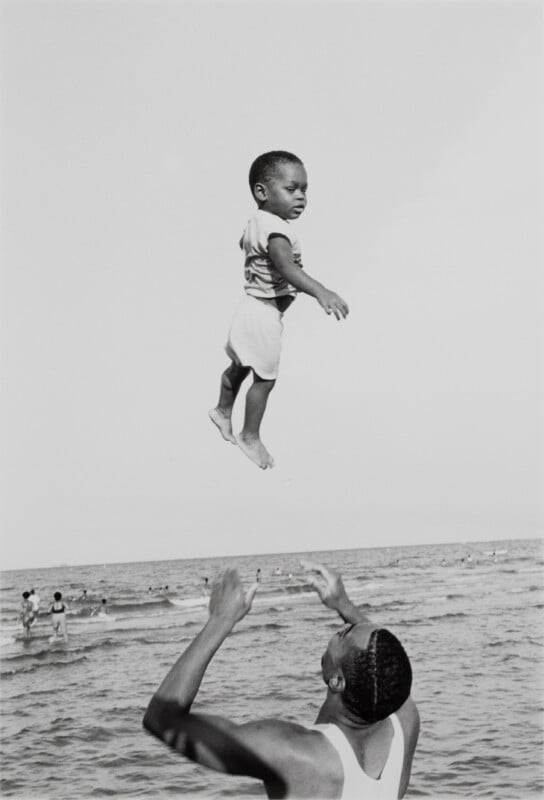
These images—ranging from children playing in city streets to the quiet dignity of a man waiting for a bus—serve as proxies for the experiences Till missed. They ground the exhibition in the tangible, tactile reality of living, asserting that the right to exist in public spaces without fear is a fundamental tenet of citizenship.
Curatorial Perspective and Institutional Significance
Sarah Lewis, the curator of the exhibition, frames the project as a necessary confrontation with historical stagnation. In her official statement, Lewis poses the central question: "Why create this show and publication now?" The answer, she posits, lies in the unresolved nature of the American promise.
"More than seventy years after Emmett Till’s death, we are still asking, have we made good on the sacrifice of his life?" Lewis asks. The exhibition acts as a "creative monument," challenging the viewer to consider the rights of any Black or brown youth to walk freely across the American landscape. By focusing on the "untaken journey from Mississippi back to Chicago," Lewis transforms the museum space into a site of restorative imagination, refusing to let the narrative end in the Tallahatchie River.
Data and Historical Context: The Cost of Violence
The impact of the Emmett Till case is often summarized in terms of the Civil Rights Movement, but the statistical reality of the era underscores the necessity of the MoCP’s project. Between 1882 and 1968, the Tuskegee Institute recorded the lynching of 4,743 people in the United States, the vast majority of whom were Black.
The 1957 Civil Rights Act, while limited in its initial scope, was the first federal civil rights legislation passed since Reconstruction. It focused primarily on voting rights, establishing the Civil Rights Division in the Department of Justice. The legislative path from the 1955 murder to the 1964 Civil Rights Act and the 1965 Voting Rights Act is a direct response to the national awakening that the Till case forced.
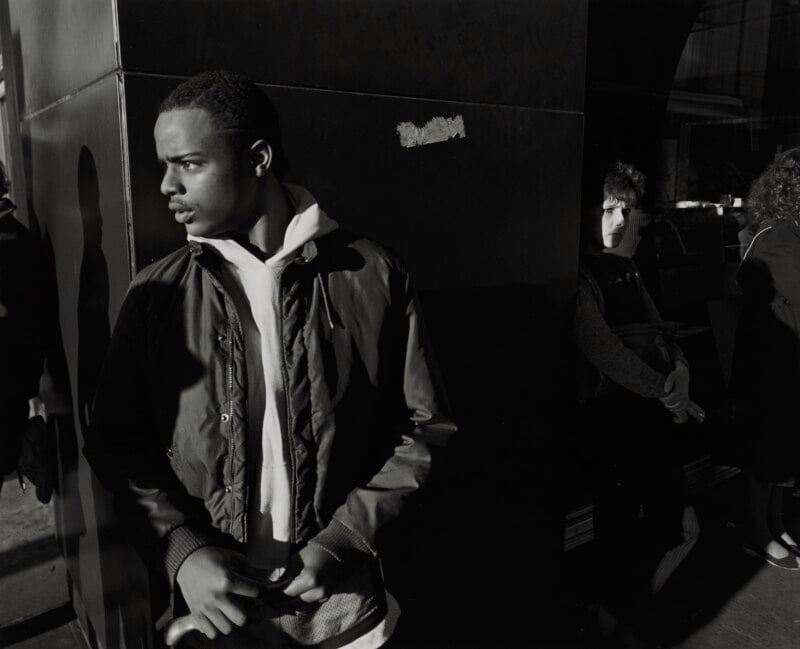
By displaying these photographs, the exhibition provides a visual record of the society that slowly—and often painfully—adapted to these legal changes. It shows that while the laws changed, the daily lives of citizens in the decades that followed remained a complex mix of progress and systemic constraint.
Broader Implications and Cultural Legacy
The exhibition does not exist in a vacuum. It follows a period of renewed national interest in the Till case, including the 2022 federal anti-lynching legislation—the Emmett Till Antilynching Act—which finally made lynching a federal hate crime in the United States.
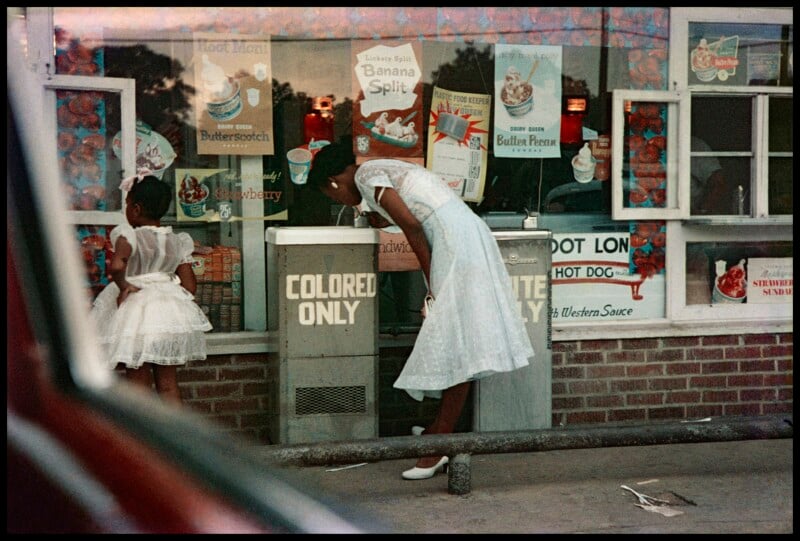
The inclusion of photographers like Dawoud Bey and Gordon Parks highlights the role of the camera as an evidentiary tool in the fight for social justice. Gordon Parks, in particular, famously captured the realities of segregation in the South, his work serving as a precursor to the visual advocacy that defined the 1960s. By placing these masterworks alongside contemporary explorations of identity and place, the exhibition connects the past to the present, suggesting that the "freedom on American ground" is a perpetual work-in-progress.
For the Museum of Contemporary Photography, this exhibition represents a significant commitment to archival research as a form of social commentary. It asks the audience to consider the "if" not as a flight of fancy, but as an essential exercise in empathy. If Emmett Till had lived, he would have been 85 years old in 2026. He would have seen the birth of the space age, the digital revolution, and the shifting tides of American political power.

Conclusion: A Monument to the Future
The exhibition remains open until December 19, 2026, serving as a beacon for those who wish to engage with the intersections of history, photography, and social justice. It is a sobering reminder that the history of the United States is written not only in the triumphs of its laws but in the silence of those who were never allowed to reach their potential.
As visitors walk through the gallery, they are confronted with a simple yet devastating truth: the "ground" that Emmett Till had a right to walk on is the same ground that we occupy today. The exhibition effectively argues that to honor his memory is not merely to mourn his death, but to actively work toward a future where the promise of freedom is realized for every child, regardless of race.
In this, the Museum of Contemporary Photography has achieved a rare feat: it has turned a site of trauma into a site of reflection, ensuring that the legacy of Emmett Till continues to evolve, challenging each new generation to fulfill the promise that was stolen from him in 1955. The exhibition serves as a permanent, albeit temporary, installation of the truth: that every life is an entire world, and every world deserves the time to unfold.