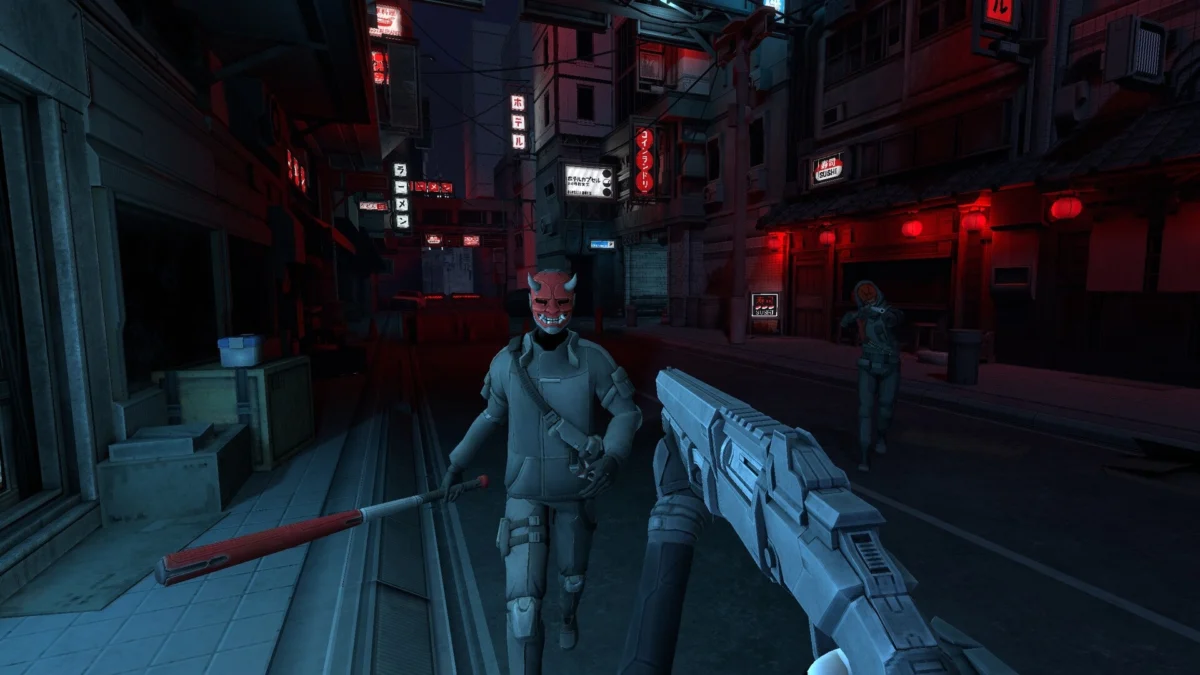
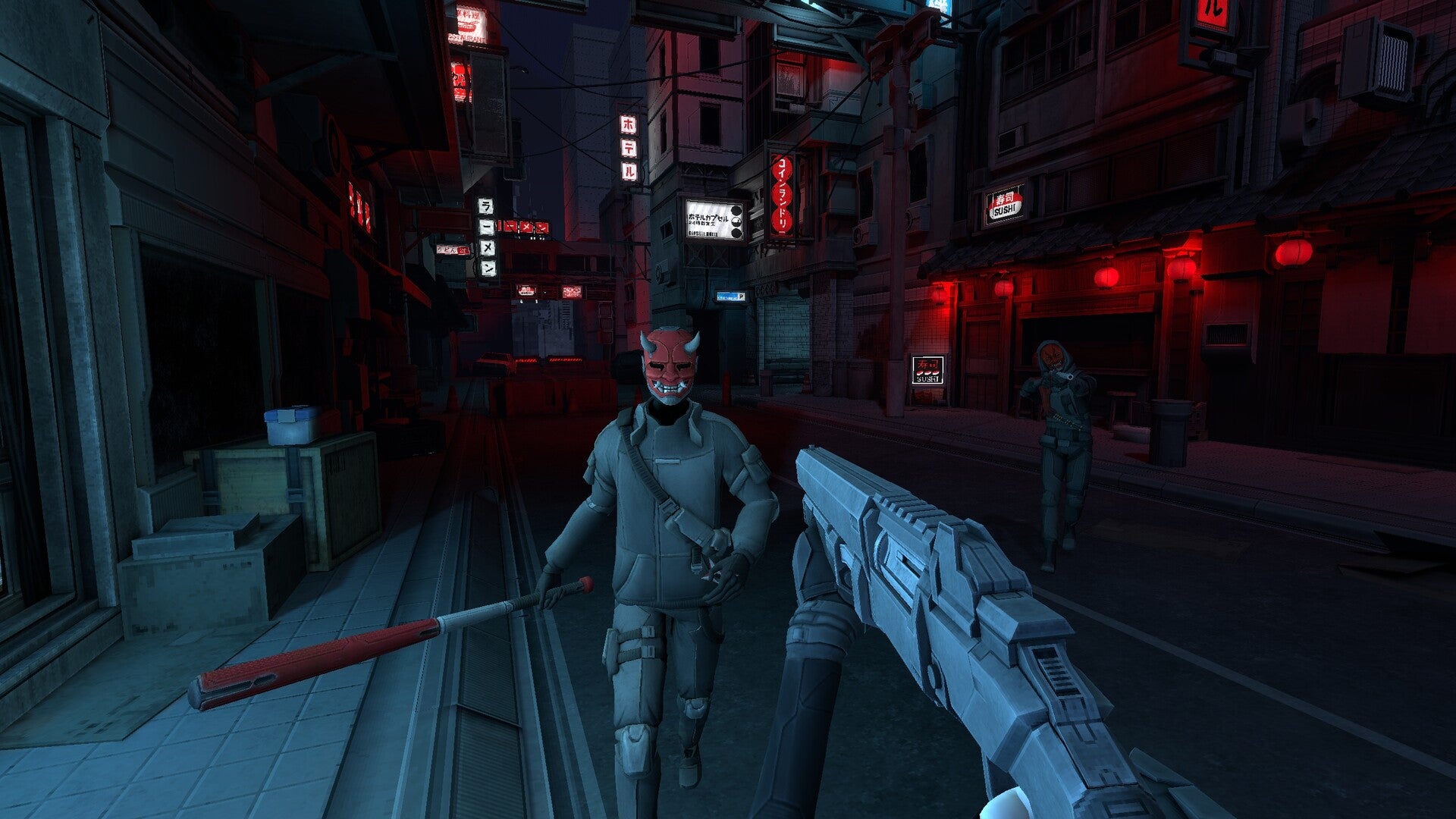
Tokyo Walled City was officially unveiled during the Tokyo Game Show (TGS) 2026, marking a significant entry for the independent development studio Grim Ronin. The title, described by its creators as a stealth-action, retro-cyberpunk immersive sim with survival horror and RPG elements, aims to fill a void in a market segment currently underserved by major AAA publishers. Set within a claustrophobic, isolated district of a futuristic Japanese capital, the game tasks players with navigating a hostile environment through a mix of tactical stealth, vertical parkour, and systems-driven gameplay.
The Rise of the Immersive Sim Revival
The immersive sim genre—historically defined by player agency, emergent gameplay, and the synthesis of multiple mechanical systems—has seen a period of stagnation among major industry players. Following the conclusion of the Dishonored series by Arkane Studios and the indefinite suspension of the Deus Ex franchise by Embracer Group, fans of the genre have increasingly turned to independent developers to carry the torch.
Grim Ronin’s announcement at TGS 2026 serves as a bellwether for the current state of indie development. As large studios pivot toward live-service models and multiplayer-focused experiences, smaller teams are leveraging modern game engines to replicate the design philosophies of the late 1990s and 2010s. Tokyo Walled City positions itself as a successor to these legacies, emphasizing environmental interaction, such as disabling security cameras, hacking computer terminals, and utilizing verticality to bypass obstacles.
Gameplay Mechanics and Design Philosophy
At its core, Tokyo Walled City focuses on the "mercenary" archetype, emphasizing agility and resource management. Gameplay footage released alongside the announcement indicates a strong emphasis on movement, with traversal mechanics that bear a striking resemblance to the high-mobility systems found in Dishonored 2. The developers have confirmed that the parkour system is designed to facilitate both rapid escape and strategic repositioning, allowing players to execute vertical backstabs and aerial takedowns.
Beyond the kinetic movement, the game incorporates classic immersive sim tropes:
- Systems-Driven Stealth: Players are encouraged to manipulate the environment, such as shooting out light sources to create darkness or utilizing ventilation shafts to infiltrate restricted areas.
- RPG Elements: While the full extent of the character progression system remains under wraps, early promotional materials suggest that hacking, lockpicking, and inventory management will play a central role in how players overcome obstacles.
- Survival Horror Integration: Unlike the power-fantasy iterations of the genre, Tokyo Walled City introduces tension through survival elements. Enemies, including high-tech androids and human patrols, possess advanced detection capabilities, forcing players to manage their sound profiles and line-of-sight carefully.
The inclusion of a "0451" keypad code in the announcement trailer serves as a deliberate nod to the history of the genre, referencing the iconic code used in Deus Ex, System Shock, and BioShock. This stylistic choice underscores the developer’s intention to signal their adherence to the genre’s foundational DNA.
Chronology of the Project
The development of Tokyo Walled City represents a multi-year project for Grim Ronin. While the studio has kept the project largely under wraps until the recent TGS reveal, early community activity suggests the project has been in active development since late 2023.
- Q4 2023: Early conceptual work begins on the "Walled City" environment, focusing on the retro-cyberpunk aesthetic.
- Q2 2025: Grim Ronin secures independent funding, allowing for the expansion of the team and the implementation of advanced parkour animations.
- September 2026: The official unveiling at TGS 2026, coinciding with the launch of the project’s Steam page.
- Future Outlook: The studio has confirmed a release strategy centered on Early Access, allowing for community-driven feedback to refine the game’s balance and difficulty curves.
Market Implications and Industry Context
The emergence of Tokyo Walled City arrives at a pivotal moment for the gaming industry. With the departure of key veterans from major studios—including the recent formation of new studios by former Arkane developers—there is a concerted effort to preserve the immersive sim format.
Industry analysts observe that the success of smaller-scale titles like Cruelty Squad and Gloomwood has provided a roadmap for studios like Grim Ronin. These titles demonstrate that there is a commercially viable audience for games that prioritize depth and complexity over mass-market accessibility. However, the transition from a conceptual trailer to a fully realized, polished game remains the primary hurdle for indie developers.
The stilted nature of some gunplay mechanics observed in the initial trailer has prompted discussions among genre enthusiasts regarding the difficulty of balancing "survival horror" tension with satisfying combat feedback. Historically, immersive sims struggle to balance the "shooter" component with the "stealth" component, often leading to a reliance on "quickload" mechanics when combat encounters feel imprecise. Grim Ronin’s challenge will be to ensure that the combat is not merely a fallback, but a fully integrated component of the player’s tactical options.
The Future of the Genre
The broader impact of Tokyo Walled City will likely be measured by its ability to engage with a modern audience while maintaining the mechanical rigor of its predecessors. If successful, it may encourage further investment into similar mid-tier, high-concept projects that do not require the massive budgets of modern AAA titles.
Currently, the game remains in development with no definitive release date for its transition out of Early Access. The developers have committed to a transparent development cycle, utilizing the Steam community forums to engage directly with fans of the genre. As the project progresses, the focus will likely shift toward the expansion of the game’s RPG skill tree and the optimization of its distinct, neon-soaked environments.
For fans who have spent years awaiting a successor to the Deus Ex or Dishonored experience, Tokyo Walled City offers a compelling, if familiar, prospect. It represents the ongoing resilience of a genre that, despite the consolidation of the gaming industry, continues to find a home in the hands of independent creators who value systems-driven design above all else. Whether it can transcend the "tribute" label and become a defining entry in its own right will be determined in the coming months as more players gain access to the game’s core systems.