The debate surrounding digital alteration, smartphone filters, and the artificial enhancement of imagery is frequently framed as a uniquely contemporary dilemma born of the social media age. On one side of the modern digital divide sit advocates of unadulterated photography who argue that digital manipulation undermines the authenticity of a captured moment. On the other stand users who embrace software tools to rescue lackluster compositions, adjust lighting, and evoke emotional resonance. Yet, a major upcoming exhibition demonstrates that this philosophical friction is not a product of the twenty-first century at all, but rather a foundational argument spanning the entire history of the medium.
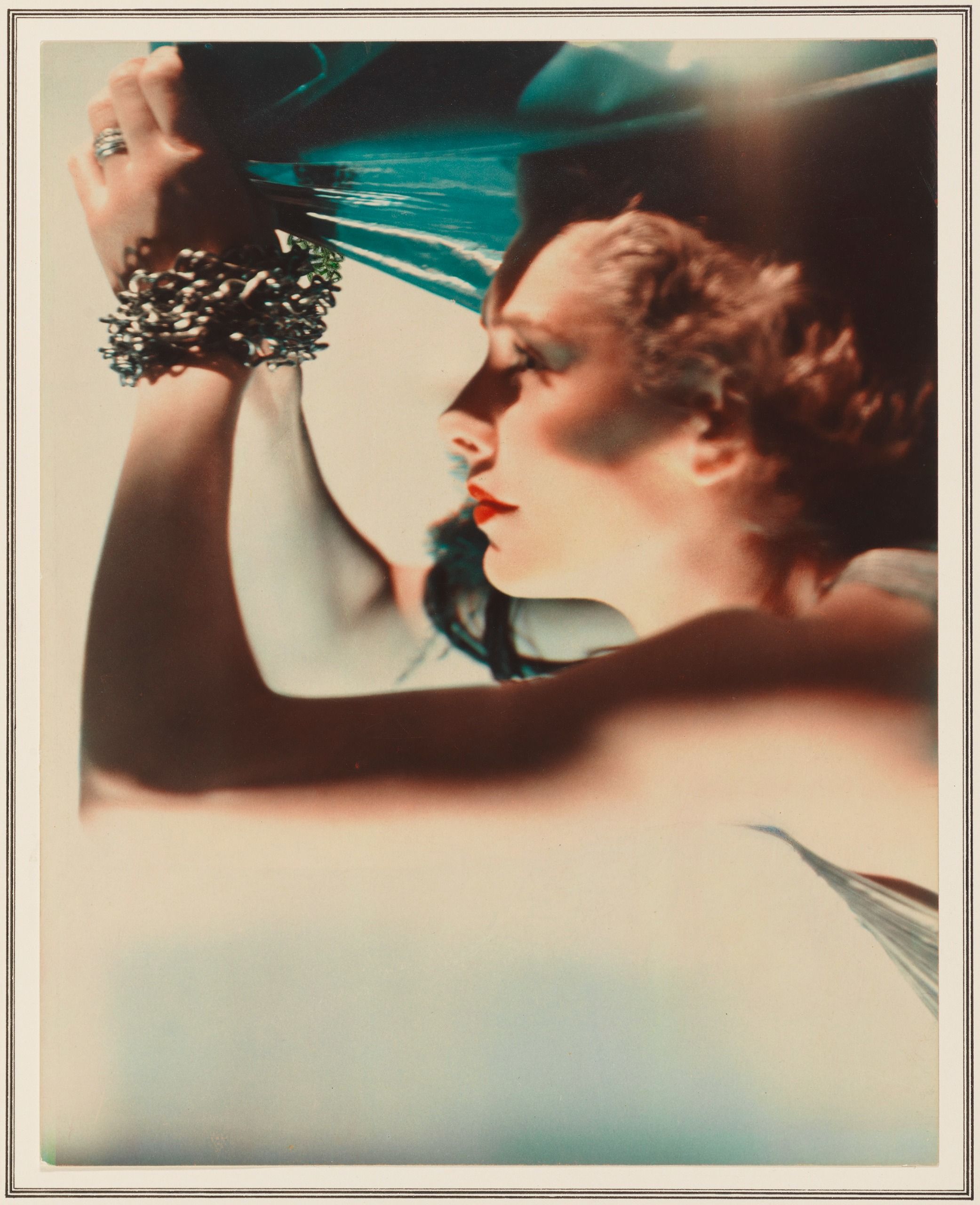
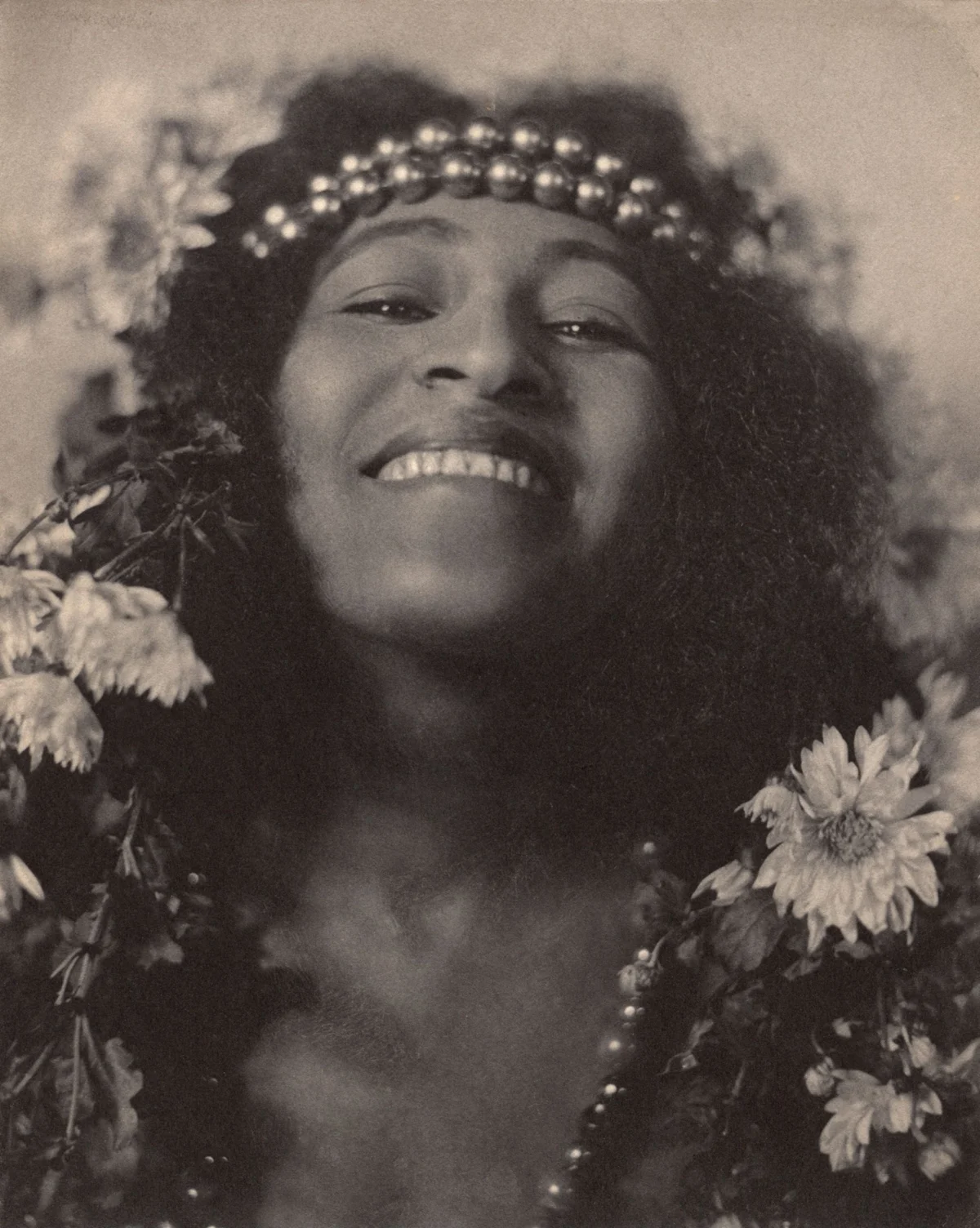
Opening at the Tate Modern in London, a landmark exhibition titled Light and Magic: The Birth of Art Photography brings this historical discourse back into sharp focus. Scheduled to run from October 14, 2026, to February 21, 2027, the comprehensive showcase gathers approximately 200 vintage prints created by more than 80 international artists. Spanning a chronology from the 1880s through the 1960s, the exhibition traces the evolution of photographic manipulation long before the advent of digital sensors, mobile applications, or instantaneous online sharing platforms.
The Origins of the Pictorialist Movement
To understand the roots of photographic modification, historians look to the late nineteenth century. From the 1880s onward, a distinct faction of photographers championed "straight photography," striving for absolute clarity, razor-sharp focus, and a mechanical reflection of objective reality. In direct opposition to this school arose Pictorialism, an international artistic movement that rejected the camera as a mere recording device.
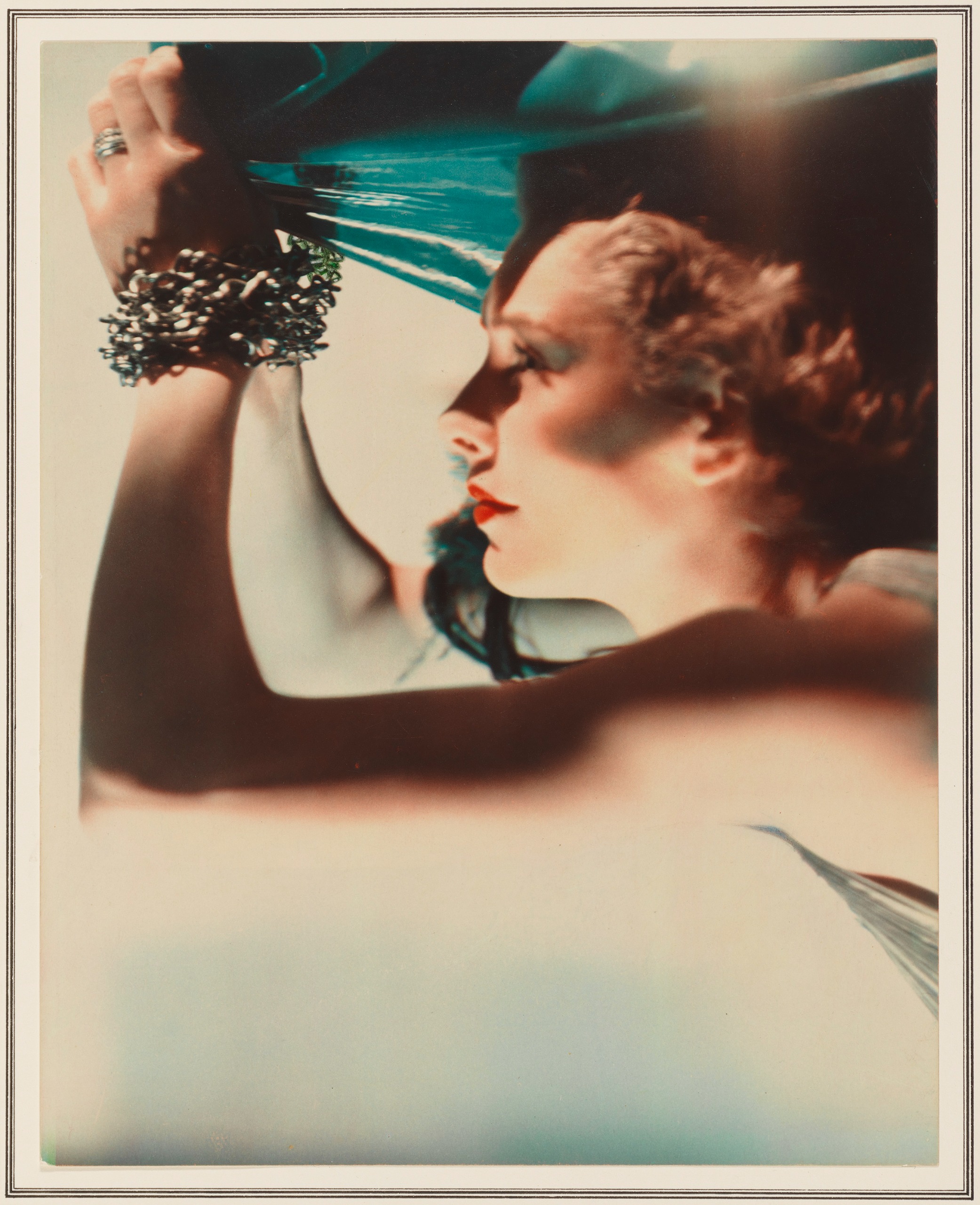
Pictorialists argued that photography should not merely document the physical world, but should instead function as a vehicle for profound personal expression and emotional evocation—much like traditional painting or printmaking. To achieve these painterly aesthetics, practitioners actively intervened in the image-making process. Photographers softened focus during exposure, printed images onto heavily textured artistic papers, scratched or manipulated negatives, chemically solarized prints, and constructed final compositions in multi-layered stages.
The Tate Modern exhibition highlights this hands-on ethos by examining how darkrooms functioned as the true locus of artistic authorship. Rather than accepting the unvarnished output of a camera lens, Pictorialists treated the darkroom as a studio workspace. A single negative could yield drastically different artistic interpretations depending on the chosen chemical process, paper weight, and manual finishing techniques applied by the artist.
A Global Phenomenon: Beyond Western Borders
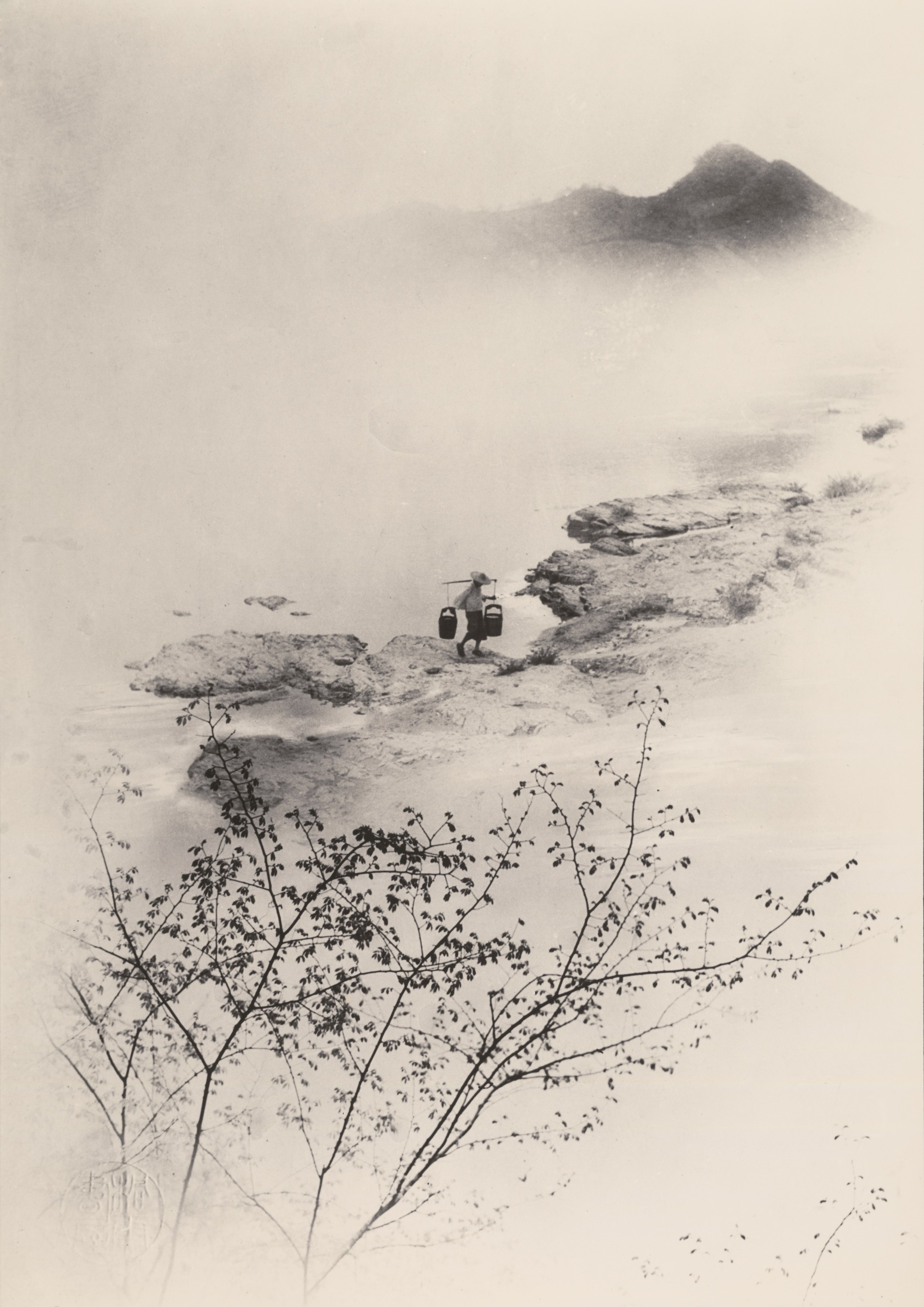
While early histories of Pictorialism frequently centered on European and North American practitioners, Light and Magic broadens the geographical scope significantly. The exhibition showcases works by photographers operating globally, including significant contributions from artists working in Shanghai, Colombo, Singapore, and South Korea.
This inclusion underscores the universal nature of the movement. Photographers across diverse cultural landscapes sought to merge local artistic traditions with the technological capabilities of the camera. For instance, works by Chinese master Long Chin-San, such as his 1942 piece Riverside Spring, demonstrate composite printing techniques that evoke traditional ink-wash landscape paintings. Similarly, artists like Luo Bonian and Wu Peng Seng utilized darkroom manipulation to emphasize texture, atmospheric haze, and stark structural geometries, proving that the desire to transcend literal documentation was a worldwide phenomenon among early art photographers.
Evolution and Overlap: From Pictorialism to Modernism
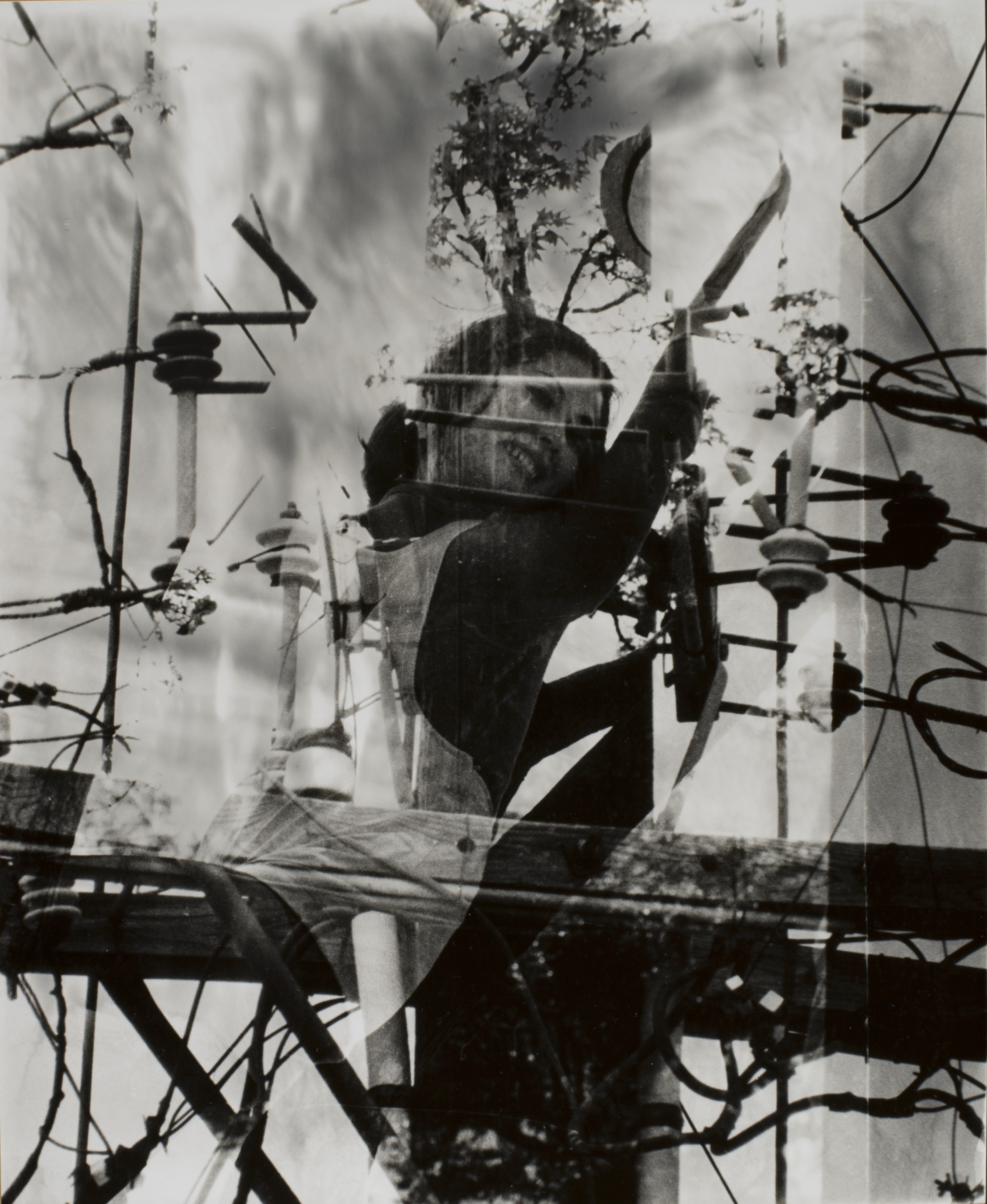
A critical narrative within the exhibition charts the porous boundary between Pictorialism and the subsequent Modernist movement of the twentieth century. Rather than viewing these two schools as mutually exclusive ideological enemies, the curated prints reveal a fluid continuum of practice.
Pioneering figures such as Edward Steichen, Paul Strand, and Edward Weston frequently traversed the stylistic divide over the course of their long careers. An artist might experiment with soft-focus, heavily manipulated prints during one phase of their artistic development, only to embrace sharp-focus documentation in another. These movements represented overlapping strategies for expanding the boundaries of visual art through a mechanical lens, rather than rigid camps locked in permanent opposition.
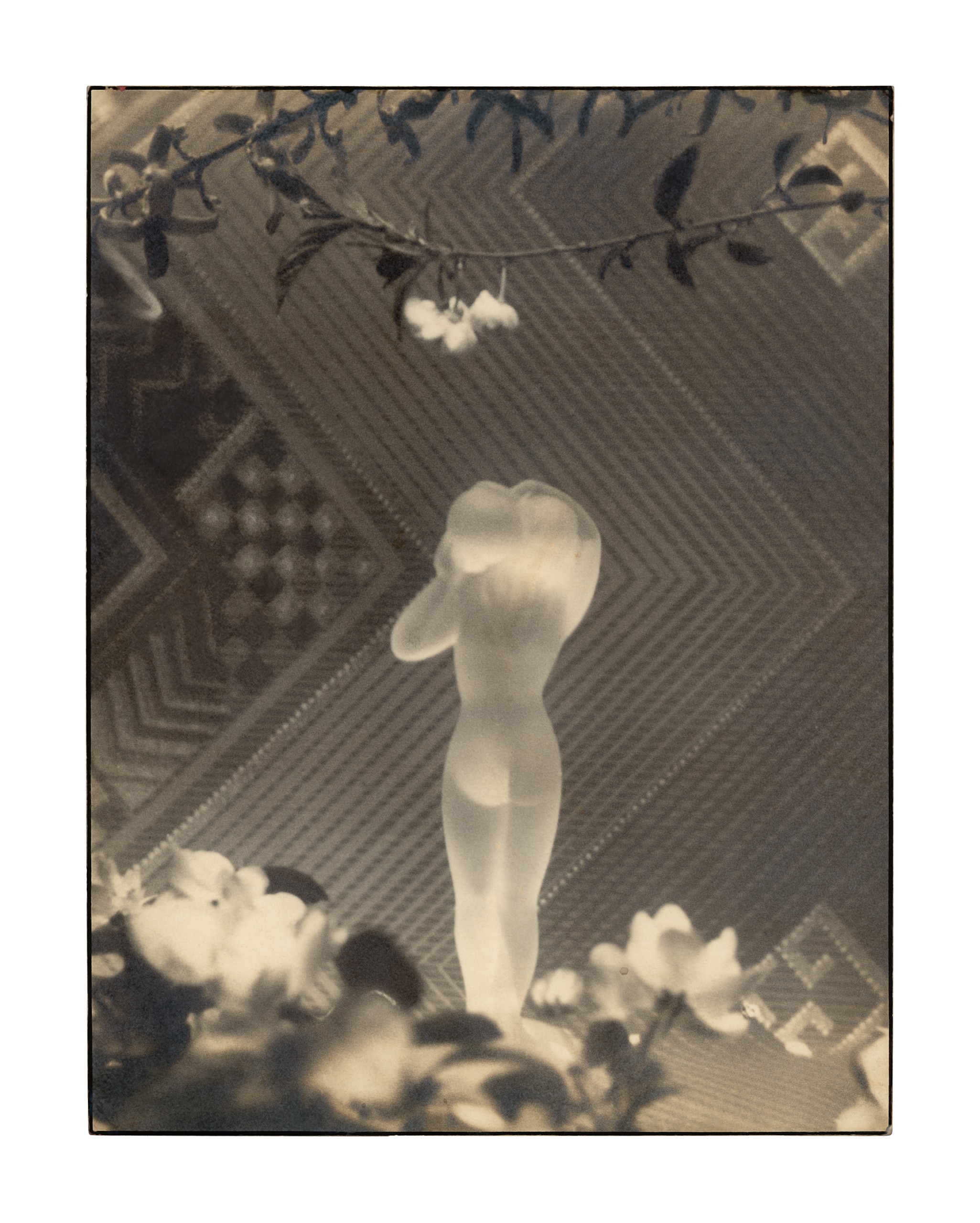
The mid-century section of the exhibition ventures into more experimental territory, featuring the solarized 1930s portraits of Sri Lankan photographer Lionel Wendt alongside the avant-garde compositions of Japanese artist Shigeru Onishi from the 1950s. Through chemical experimentation, these artists pushed photographic techniques to the precipice of abstract art, cementing the darkroom as a laboratory of creative alchemy.
Cultural Implications and Modern Parallels
The relevance of Light and Magic extends far beyond historical preservation, offering direct commentary on contemporary visual culture. In an era dominated by algorithmic enhancement, artificial intelligence generation, and ubiquitous smartphone filters, the foundational questions raised by nineteenth-century Pictorialists remain intensely relevant.
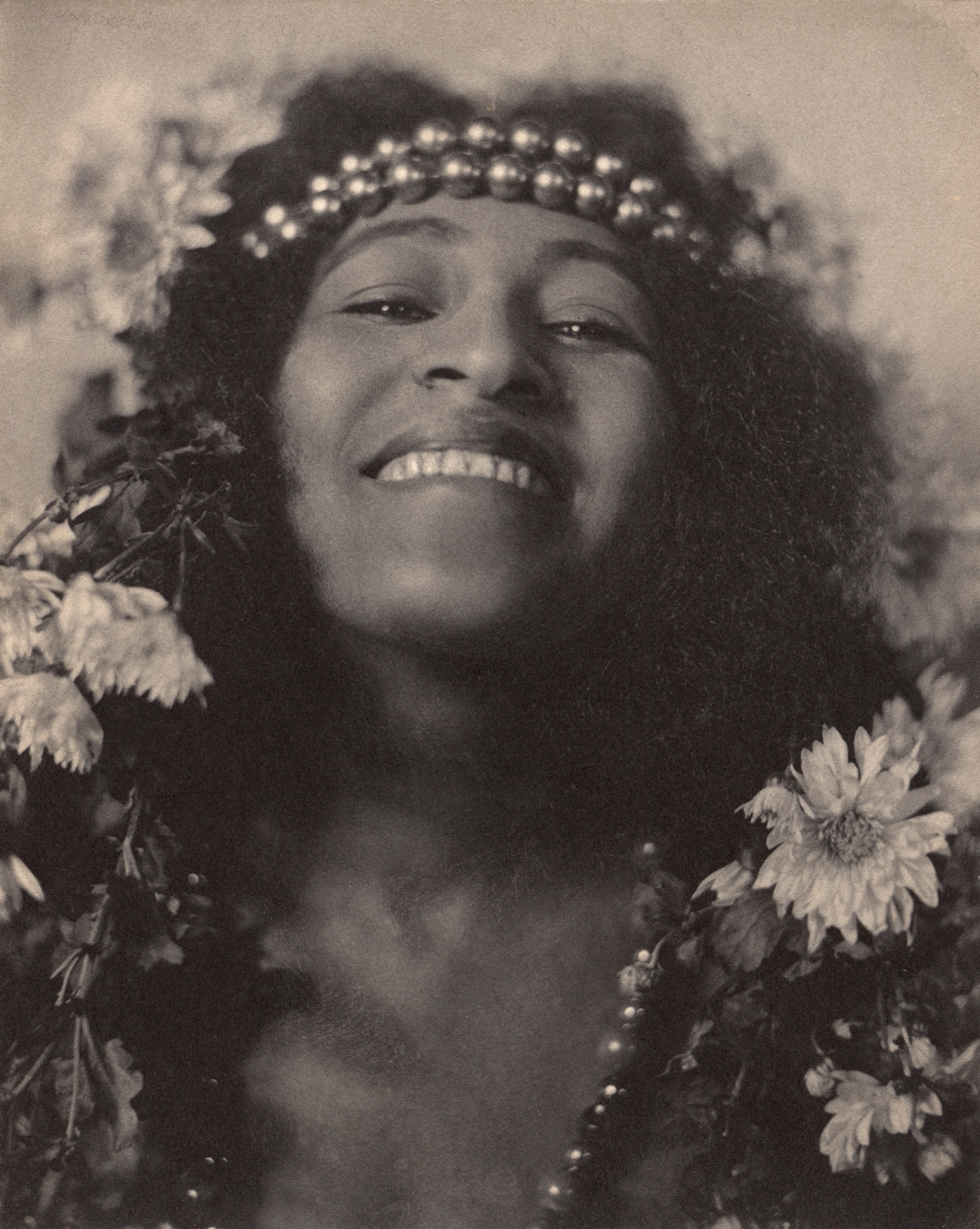
The exhibition addresses these parallels directly, featuring an operational historical darkroom installed within the gallery space. This interactive element allows contemporary visitors to observe traditional printing techniques firsthand, drawing a clear line between the manual retouching of the 1880s and the digital processing tools utilized by billions of smartphone users today.
Cultural analysts note that human beings have consistently sought to bend new technologies to artistic and expressive wills, regardless of the medium. The instinct to enhance, alter, and interpret reality rather than merely record it is a defining characteristic of visual communication. By contextualizing modern debates surrounding authenticity within a 140-year historical framework, the exhibition challenges the narrative that digital technology fundamentally changed the nature of photographic truth. Instead, it suggests that contemporary debates are simply the latest iteration of an ongoing philosophical inquiry into the nature of art, technology, and perception.

Light and Magic: The Birth of Art Photography opens to the public at the Tate Modern on October 14, 2026, and will remain on display through February 21, 2027, offering audiences a rare opportunity to engage with the physical roots of photographic expression.