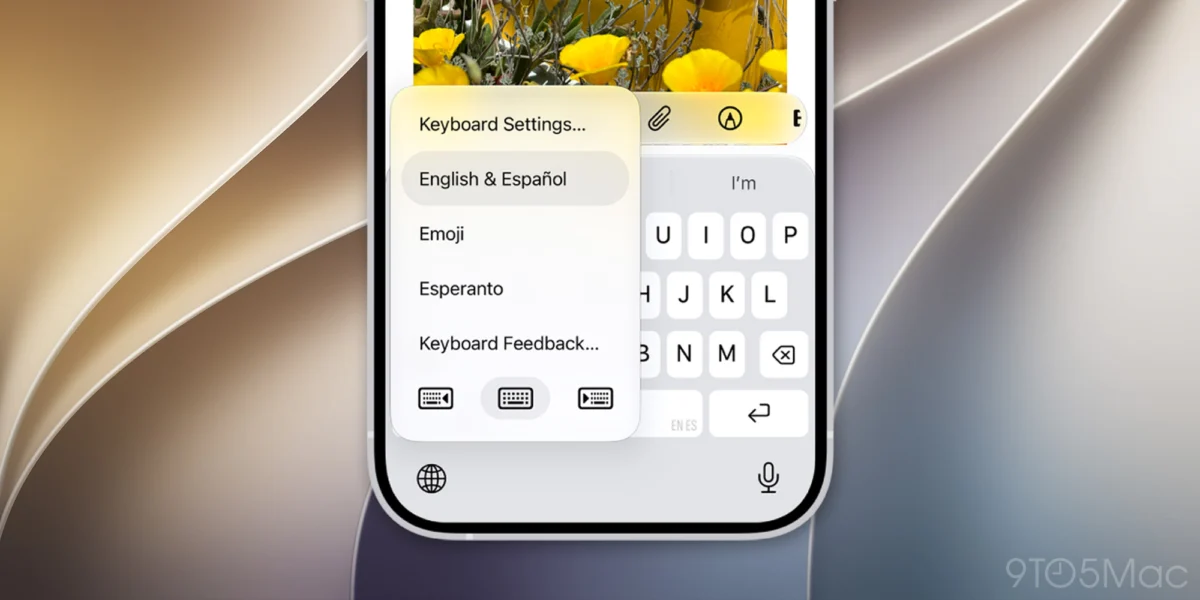
Apple has officially updated its comprehensive iOS and iPadOS 27 Feature Availability documentation, confirming the inclusion of more than 30 new languages and regional dialects. The newly implemented linguistic support spans a wide array of core system utilities, including the Dictionary and Thesaurus tools, the hands-free "Activate with Siri" wake-word engine, the Visual Look Up identification system, and advanced QuickType Keyboard features. This significant expansion underscores Apple’s ongoing commitment to globalizing its software ecosystem, making its flagship mobile operating systems more accessible to diverse populations around the world.
The update arrives as part of the broader rollout of iOS and iPadOS 27, software iterations that have focused heavily on refining machine learning capabilities, device personalization, and localized user experiences. While major keynote presentations typically highlight headlining features like redesigned user interfaces or advanced multitasking paradigms, the meticulous work of localization remains a critical cornerstone of Apple’s product strategy. By bringing native dictionary definitions, predictive typing, and voice activation to dozens of underrepresented languages and regional variants, Apple is bridging the digital divide for millions of users who prefer interacting with their technology in their native tongues.
Understanding Apple’s Feature Availability Ecosystem
To appreciate the scale of this update, it is necessary to examine how Apple manages software feature distribution globally. Apple maintains an extensive, dynamically updated support portal that systematically breaks down language, regional, and territory support for nearly 200 distinct iOS and iPadOS features. This massive database covers everything from accessibility utilities—such as VoiceOver and Live Captions—and hardware-integrated features like Apple Pencil toolsets, to deeply integrated software capabilities including Calendar integrations, Spotlight Suggestions, and map routing data.
Because different regions maintain unique linguistic nuances, regulatory landscapes, and data localization standards, features are rarely rolled out globally all at once. Instead, Apple utilizes a staged deployment model. Core operating systems debut with robust support for major world languages, followed by incremental updates that gradually integrate less widely spoken languages, regional dialects, and localized variants. The recent update to the Feature Availability page signifies that the backend architecture, natural language processing (NLP) models, and regional servers are now fully operational for these newly added linguistic groups under the iOS and iPadOS 27 umbrella.
Breakdown of Linguistic Enhancements in iOS and iPadOS 27
The newly integrated language support touches several critical pillars of the user experience, transforming how individuals compose messages, search for definitions, interact with images, and command their devices via voice.
QuickType Keyboard and Predictive Engine Upgrades
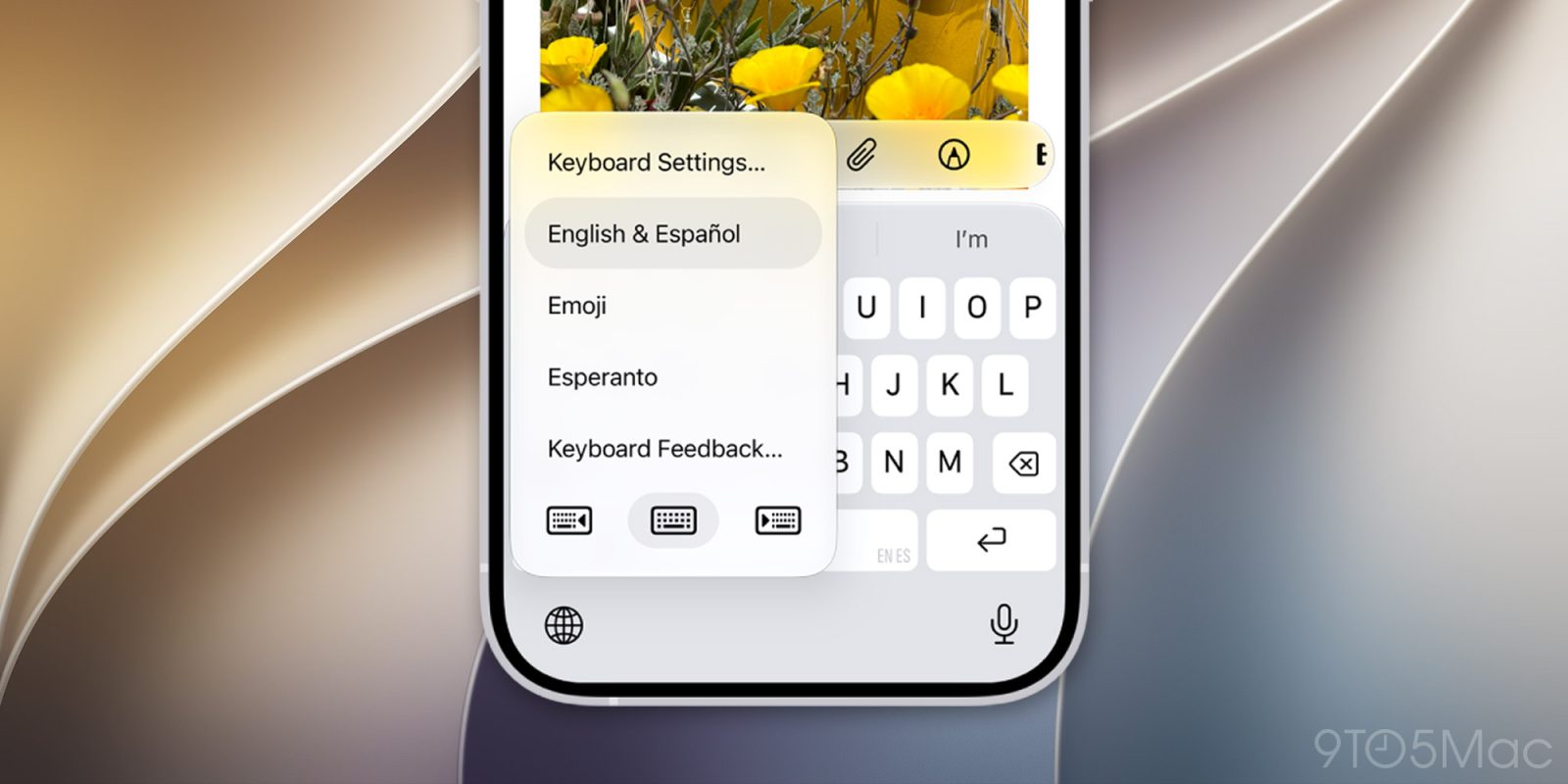
The QuickType Keyboard is perhaps the most frequently utilized system tool on any mobile device. With iOS and iPadOS 27, Apple has significantly broadened the scope of its typing infrastructure. The updates encompass:
- Language Support and Layouts: Expanding the physical and software-based keyboard layouts to accommodate regional typing conventions.
- Autocorrection: Enhancing predictive text dictionaries to automatically correct typos and grammar in newly supported languages, minimizing user friction.
- Predictive Typing and Inline Predictions: Utilizing on-device machine learning models to anticipate the next word or phrase a user intends to type, drastically increasing typing speed.
- Multilingual Typing: Allowing bilingual and multilingual users to type seamlessly across multiple newly added languages without manually toggling keyboard configurations.
- QuickPath: Bringing gesture-based swipe typing to additional linguistic markets, enabling fluid, continuous-stroke input.
Dictionary and Thesaurus Integration
For students, writers, and language learners, having reliable, offline-accessible lexical resources is paramount. The latest software update extends official Dictionary definitions and thesaurus entries to several new linguistic territories. This ensures that users can highlight text within books, web browsers, or notes to instantly access comprehensive definitions, contextual synonyms, and antonyms without relying on third-party applications.
Hands-Free Siri Activation
Voice-activated computing relies heavily on acoustic models tailored to specific regional accents, colloquialisms, and pronunciation patterns. The expansion of the "Activate with Siri" functionality means that users in newly supported regions can now trigger Apple’s virtual assistant entirely hands-free using localized wake phrases. This advancement improves speech recognition accuracy, reducing instances of false triggers or missed commands caused by regional phonetic variations.
Visual Look Up Expansion
Visual Look Up allows users to lift subjects from photos, identify plant species, recognize landmarks, discover art pieces, and look up pet breeds directly from the Photos app. By expanding its underlying regional databases, Apple’s computer vision algorithms can now cross-reference imagery with localized data sets, providing accurate identification and informational queries tailored to specific cultural and geographic contexts.

The Chronology of Localization at Apple
The path toward comprehensive multilingual support is a multi-year engineering undertaking. Historically, Apple’s localization timeline follows a strict, rigorous development cycle:
- Acoustic and Linguistic Research (Years Prior): Linguists, data scientists, and audio engineers collect extensive voice samples, text corpora, and regional dictionaries to train machine learning models.
- Developer Beta Testing (June – September): During the annual Worldwide Developers Conference (WWDC) cycle, early developer betas introduce experimental language models, allowing native speakers and localized developers to stress-test keyboards, Siri responses, and translation accuracy.
- Public Release (September): The stable public builds of iOS and iPadOS launch globally, accompanied by foundational language support for primary markets.
- Incremental Backend and Feature Updates (Post-Launch): As observed with the recent Feature Availability page update, Apple continually optimizes and officially certifies additional language variants in the months following the initial software release, deploying server-side updates and minor point releases to activate these features for end-users.
Strategic and Economic Implications
Apple’s aggressive push into localized software support is not merely a philanthropic endeavor aimed at digital inclusivity; it is a calculated economic and strategic necessity. In mature smartphone markets such as North America and Western Europe, hardware upgrade cycles have slowed down considerably. Consequently, primary growth drivers have shifted toward emerging markets across Latin America, Southeast Asia, South Asia, and parts of Africa and the Middle East.
Consumers in these high-potential growth regions increasingly demand devices that respect their cultural identity and native language structure. By offering a first-class, natively supported user experience—complete with localized predictive text, regional Siri accents, and culturally relevant Visual Look Up data—Apple lowers the barrier to entry for prospective Android switchers.
Furthermore, robust localization supports Apple’s broader services ecosystem. Features like Siri, Spotlight, and Safari search act as gateways to Apple Music, iCloud, Apple TV+, and the App Store. When users can effortlessly interact with their devices in their preferred language, engagement metrics rise, ecosystem retention strengthens, and the lifetime value of the customer increases.
Privacy and On-Device Processing Constraints
A critical engineering challenge in expanding language models to dozens of new regions is maintaining Apple’s strict stance on user privacy. Unlike cloud-heavy competitors, Apple relies heavily on on-device machine learning processing for features like QuickType predictive text, Siri command processing, and Visual Look Up.

To bring these capabilities to new languages without compromising user data, Apple utilizes advanced neural engines built directly into its custom A-series and M-series silicon. By processing linguistic data locally on the device rather than transmitting sensitive typing logs and voice recordings to remote servers, Apple ensures that regional expansions comply with stringent international privacy regulations, such as the European Union’s General Data Protection Regulation (GDPR) and emerging data sovereignty laws worldwide.
Broader Industry Trends
Apple is not alone in its race to hyper-localize mobile operating systems. Across the technology sector, artificial intelligence and large language models (LLMs) have transformed how companies approach regional accessibility. Google, Microsoft, and other major software developers are similarly racing to expand multilingual support across their respective ecosystems.
However, Apple’s unique advantage lies in its tightly integrated hardware-software ecosystem. Because the company designs its own custom silicon chips—optimized explicitly for on-device machine learning—it can deploy complex linguistic models efficiently, ensuring that enabling dozens of new languages does not result in degraded battery life or sluggish system performance.
Looking Forward
As iOS and iPadOS 27 continue to mature through subsequent software iterations, industry analysts expect Apple to further refine its linguistic database. While the recent update covers over 30 new languages and variants, the company’s Feature Availability ledger remains a living document subject to continuous expansion.
For everyday consumers, this update represents a quieter yet profoundly impactful evolution of mobile computing. Technology is most powerful when it becomes invisible—when users no longer have to adapt to the limitations of their devices, but instead find that their devices have adapted entirely to them. By continuing to bridge linguistic divides, Apple ensures that the iPhone and iPad remain versatile, universal tools capable of serving an increasingly interconnected global community.