The evolution of a photographer typically follows a distinct psychological trajectory. In the beginning, the camera body is perceived as the absolute epicenter of the craft—the singular technological marvel responsible for capturing artistic vision. As experience grows, the focus inevitably shifts toward optics, with practitioners realizing that high-grade lenses dictate ultimate image sharpness, contrast, and clarity. However, for those who specialize in landscape, architecture, macro, or long-exposure photography, a third realization eventually sets in: the support system is just as critical as the camera and the glass combined. Unfortunately, this lesson is frequently learned the hard way, often after months or even years of inexplicable photographic failures.
The acquisition of entry-level photography gear is a standard rite of passage. Armed with a newly purchased interchangeable-lens camera and a basic kit zoom lens, a beginner will typically purchase a camera bag and a tripod to complete their initial kit. Driven by budget constraints and a lack of technical foresight, many consumers opt for unbranded, lightweight, plastic-heavy tripods found bundled with camera packages or priced at the lowest tier of online marketplaces. While these accessories appear functional at first glance, they frequently prove to be entirely inadequate for serious field use.
The Hidden Dangers of Substandard Support Equipment
Novice photographers rarely recognize the architectural flaws of cheap tripods until they encounter persistent technical issues in their portfolios. Many beginners routinely capture soft, indistinct images, falsely attributing the lack of clarity to their own handholding technique, auto-focus errors, or inherent limitations within their camera sensors. In reality, the culprit is often an unstable tripod that fails to isolate the camera from environmental vibrations or mechanical mirror shock.
Cheaply manufactured tripods are characterized by several pervasive engineering failures. These include friction knobs that strip or fail to lock securely, panning axes that stutter and bind rather than rotate fluidly, and leg assemblies constructed from thin-walled aluminum or brittle plastics that flex under minimal weight. Furthermore, the leg locks on inferior models frequently catch, jam, or slip, while the maximum leg splay angle is often too narrow to provide a stable footprint on uneven outdoor terrain. When paired with heavier telephoto lenses or professional-grade camera bodies, these entry-level platforms quickly exceed their maximum safe payloads, resulting in catastrophic instability during windy conditions.
Identifying Quality Engineering Versus Budget Compromises
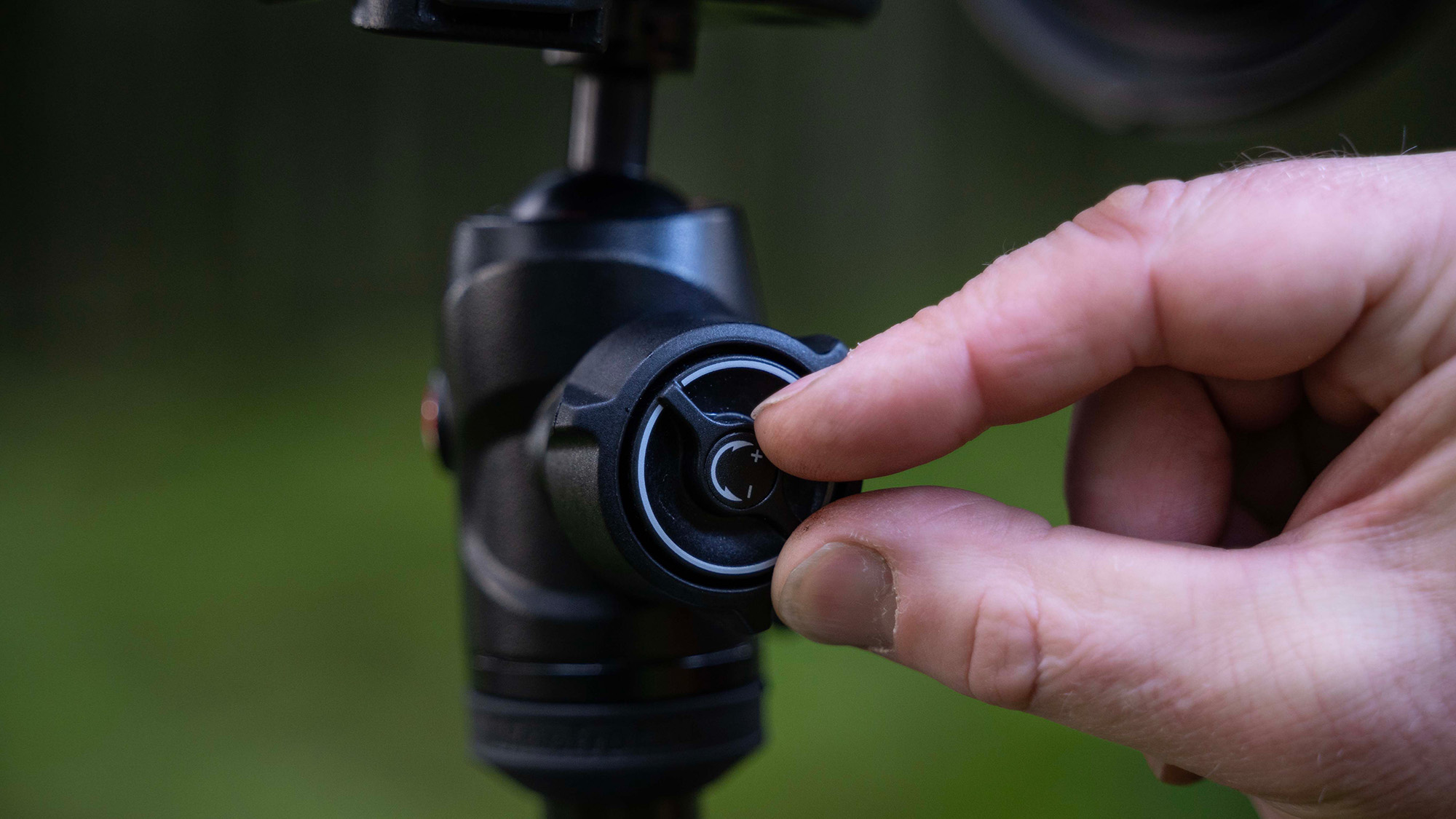
Understanding the mechanical differences between a low-grade support system and a professional-grade alternative requires examining the materials and tolerances used in manufacturing. A well-engineered tripod offers an immediate tactile impression of rigid durability. Threaded components feature precise friction tolerances designed to prevent overtightening while locking securely into place. Leg joints and angle selectors move with intentional resistance, allowing for micro-adjustments without sudden slippage.
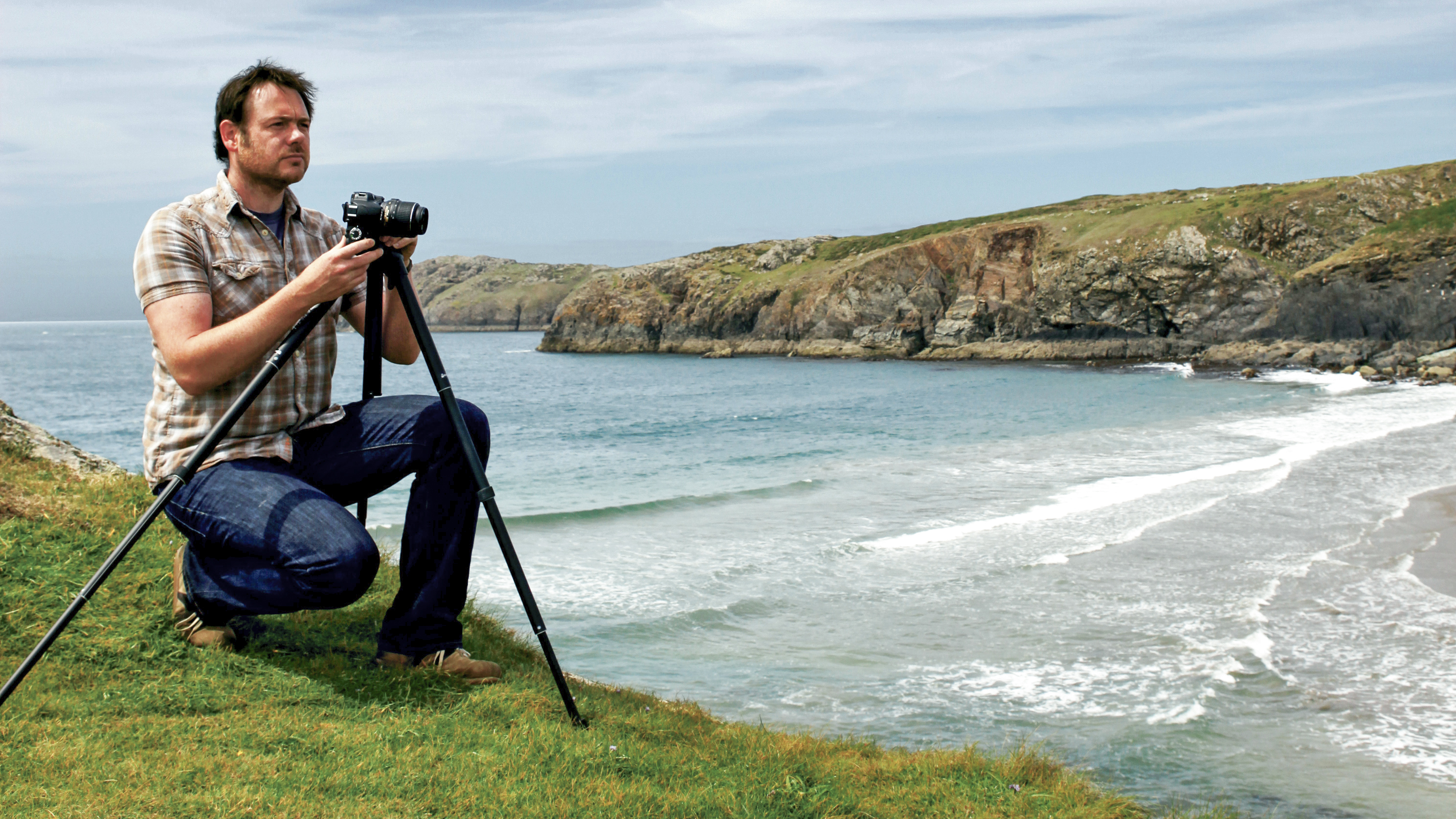
Conversely, budget tripods rely on cheap injection-molded plastics and poorly cast metals that degrade rapidly under field conditions. Temperature fluctuations—such as the transition from a warm indoor environment to a freezing winter landscape—can cause inferior plastics to contract and crack, rendering the tripod completely useless. Additionally, central columns on cheap models often introduce excessive vertical play when fully extended, acting as a pendulum that amplifies even minor ground vibrations.
Financial Realities and Budget Realignment
The primary deterrent to purchasing a high-quality tripod is cost, but industry experts argue that the issue is largely a matter of budgetary perspective. Photographers who routinely spend hundreds of dollars on a single prime lens will frequently allocate less than thirty dollars for the platform designed to keep that expensive lens stable.
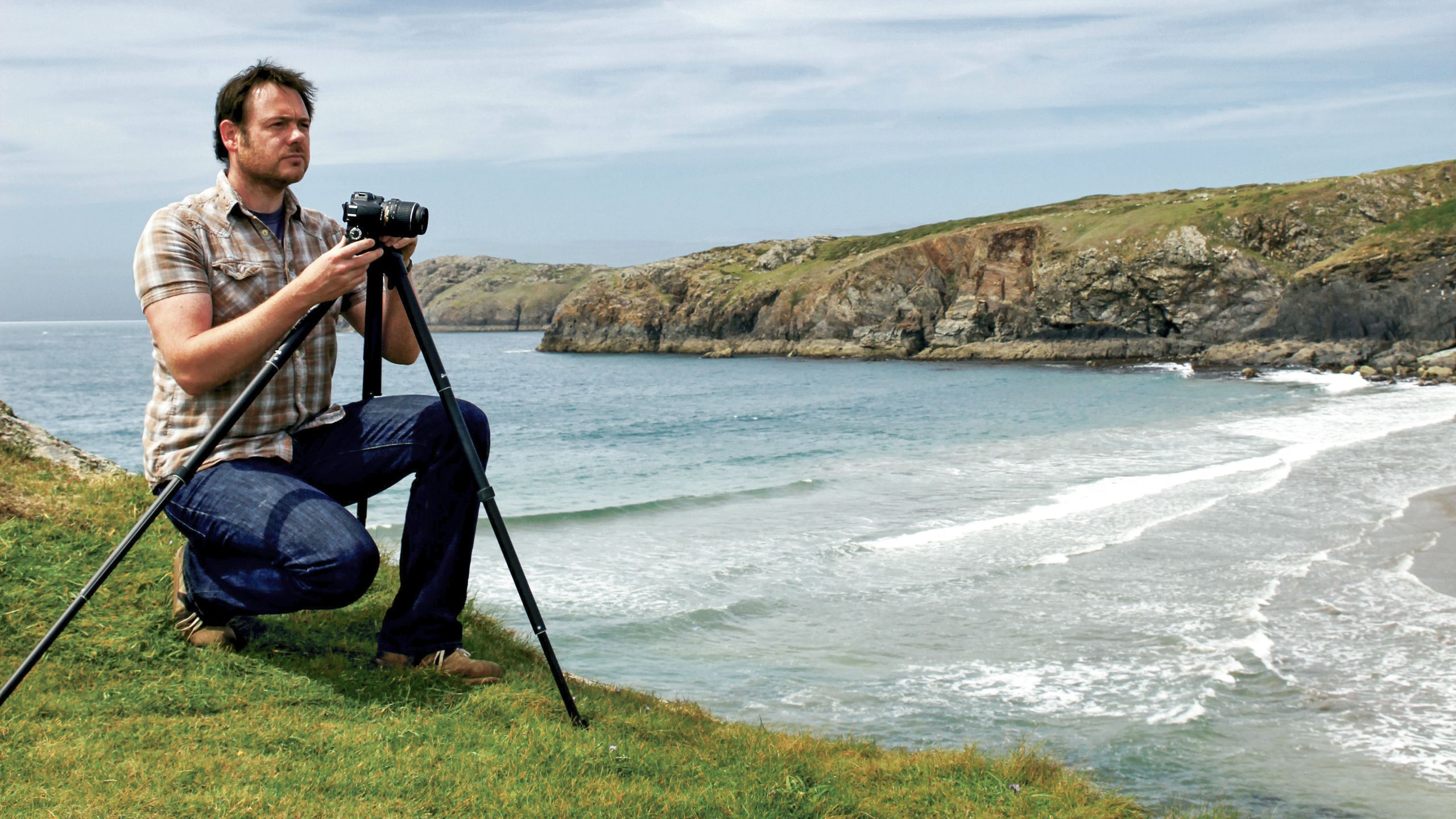
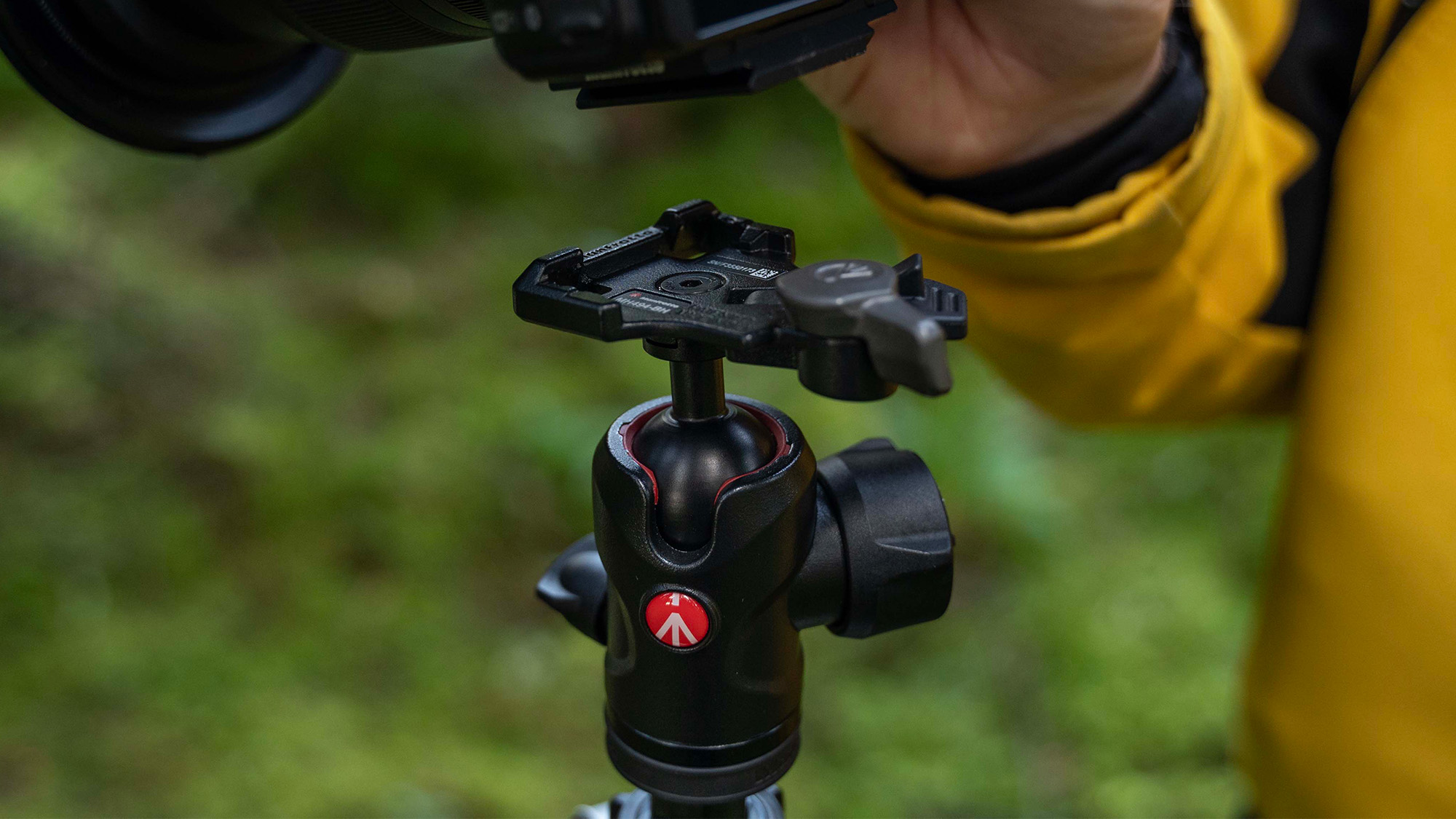
Quality entry-level options from established manufacturers, such as the Manfrotto Element MII Aluminium Tripod, demonstrate that reliable stabilization does not require an exorbitant financial outlay. Retailing generally between $100 and $130 USD (or approximately £90 to £100 GBP), these systems offer robust aluminum construction, respectable payload capacities of up to eight kilograms, and refined ball heads capable of supporting focal lengths up to 200mm. For beginners transitioning away from kit tripods, the performance delta between an unbranded budget model and a reputable entry-level system is monumental.
Specialist Requirements and Advanced Stabilization Needs
As photographers advance in their technical proficiency, their equipment demands evolve beyond the capabilities of general-purpose travel tripods. General tripod design typically prioritizes portability, low weight, and a compact folded length for ease of transport during hikes. However, specific photographic disciplines dictate specialized engineering requirements.
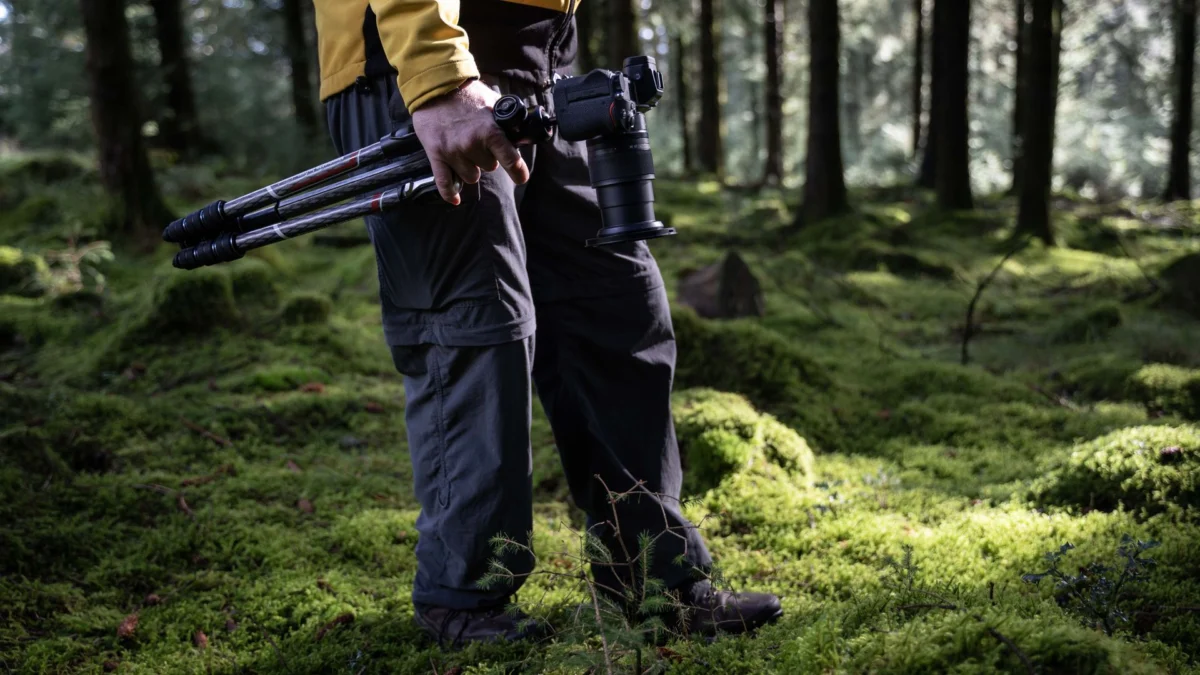
Macro photography, for instance, magnifies subject matter at close range, which simultaneously magnifies any subtle camera movement. At high reproduction ratios, even the minute shutter vibration of a DSLR camera can introduce motion blur, necessitating a heavy, ultra-rigid tripod and a specialized geared head rather than a lightweight travel model. Similarly, landscape and architectural photographers working in coastal environments or high-altitude mountain passes frequently encounter severe wind resistance. In these scenarios, professional practitioners often opt for carbon fiber tripods—which absorb high-frequency vibrations more effectively than aluminum—and utilize a central ballast hook to weight the tripod down with their camera backpacks.
The Viability of the Used Equipment Market
For budget-conscious enthusiasts unwilling to compromise on build quality, the second-hand market offers a reliable alternative to purchasing new retail gear. Unlike digital camera bodies, which suffer from rapid sensor obsolescence, or lenses, which can develop internal dust and fungus, mechanical tripods and ball heads are durable goods that retain their structural integrity over many years of service. Purchasing a pre-owned tripod from a reputable camera retailer or verified marketplace allows photographers to acquire professional-tier stabilization equipment at a fraction of its original retail cost.
Ultimately, while tripods lack the immediate technological allure of high-megapixel sensors or wide-aperture lenses, they remain foundational to the photographic process. By investing in a stable, well-engineered support system, photographers can eliminate technical variables, eradicate camera shake, and ensure that their optical equipment performs to its maximum potential.