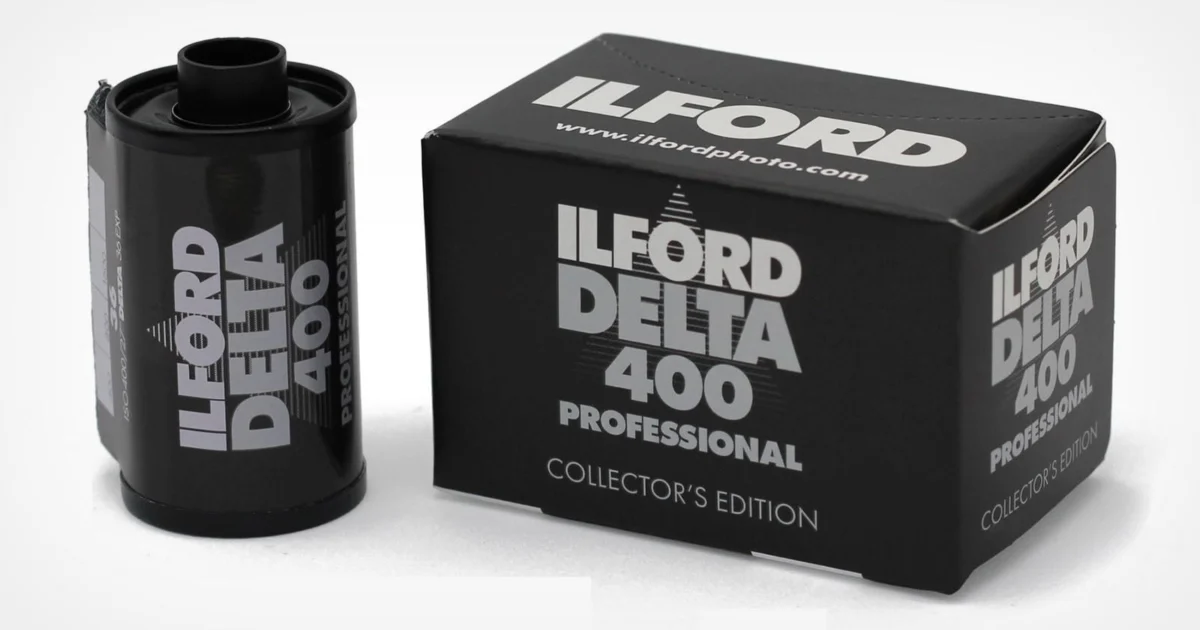
Ilford Photo has officially launched a limited-run version of its flagship black-and-white emulsion, introducing the Ilford Delta 400 Professional Collector’s Edition. This new iteration, available exclusively in 135 (35mm) format, marks a significant departure from the standard production methodology for the company’s roll film. By transitioning to a clearer film base equipped with advanced anti-halation protection—a technology typically reserved for Ilford’s sheet film formats—the company is positioning this release as both a premium product for enthusiasts and a strategic R&D experiment to gauge consumer appetite for higher-specification analog materials.
The Technical Evolution of Delta 400
The standard Ilford Delta 400 Professional has long been a staple in the darkroom community, recognized for its core-shell crystal technology, which allows for high speed and fine grain. However, the Collector’s Edition introduces a fundamental change in the physical substrate of the film.
In traditional 35mm film manufacturing, the film base is often dyed or treated to manage light piping and halation—the "glow" that occurs around bright highlights in high-contrast scenes. By utilizing a "clearer roll film base" coupled with specialized anti-halation protection, Ilford has effectively bypassed the limitations inherent in standard acetate bases. According to technical specifications provided by the manufacturer, this shift is intended to improve the overall signal-to-noise ratio during the scanning process. Users can expect improved dynamic range, particularly in the shadow areas where fine detail is often lost, and a marginal increase in apparent sharpness.
The aesthetic profile of the product has also been overhauled to reflect its "Collector’s" branding. The film is housed in a minimalist, all-black cassette and packaged in a matching monochromatic carton, signaling a departure from the traditional branding aesthetic of the Ilford Delta line.
Chronology of Development and Market Strategy
The analog photography industry has seen a resurgence over the last decade, transitioning from a niche hobby into a sustained market segment. Ilford, based in Mobberley, Cheshire, has remained at the forefront of this movement, often balancing the demands of traditional darkroom users with the needs of a younger, digital-native generation that prioritizes high-resolution scanning.
The decision to release this film as a "limited quantity" trial is a calculated move in the current manufacturing landscape. Historically, photographic film manufacturers have been hesitant to introduce new base materials due to the massive capital expenditure required to retool coating lines. By releasing this iteration in small batches, Ilford is conducting a real-world feasibility study.
The launch follows months of quiet internal testing. By utilizing social media channels, specifically an Instagram announcement that garnered significant engagement, the company successfully generated hype while framing the release as a community-driven pilot program. This approach allows the company to monitor consumer feedback and technical results before committing to a permanent production line update.
Data and Specifications
The Collector’s Edition maintains the same ISO 400 speed as the standard Delta 400, ensuring that photographers do not need to adjust their metering or exposure habits. Furthermore, the development times remain identical to the original, which serves to lower the barrier to entry for photographers who already have a well-established workflow for the standard Delta 400.
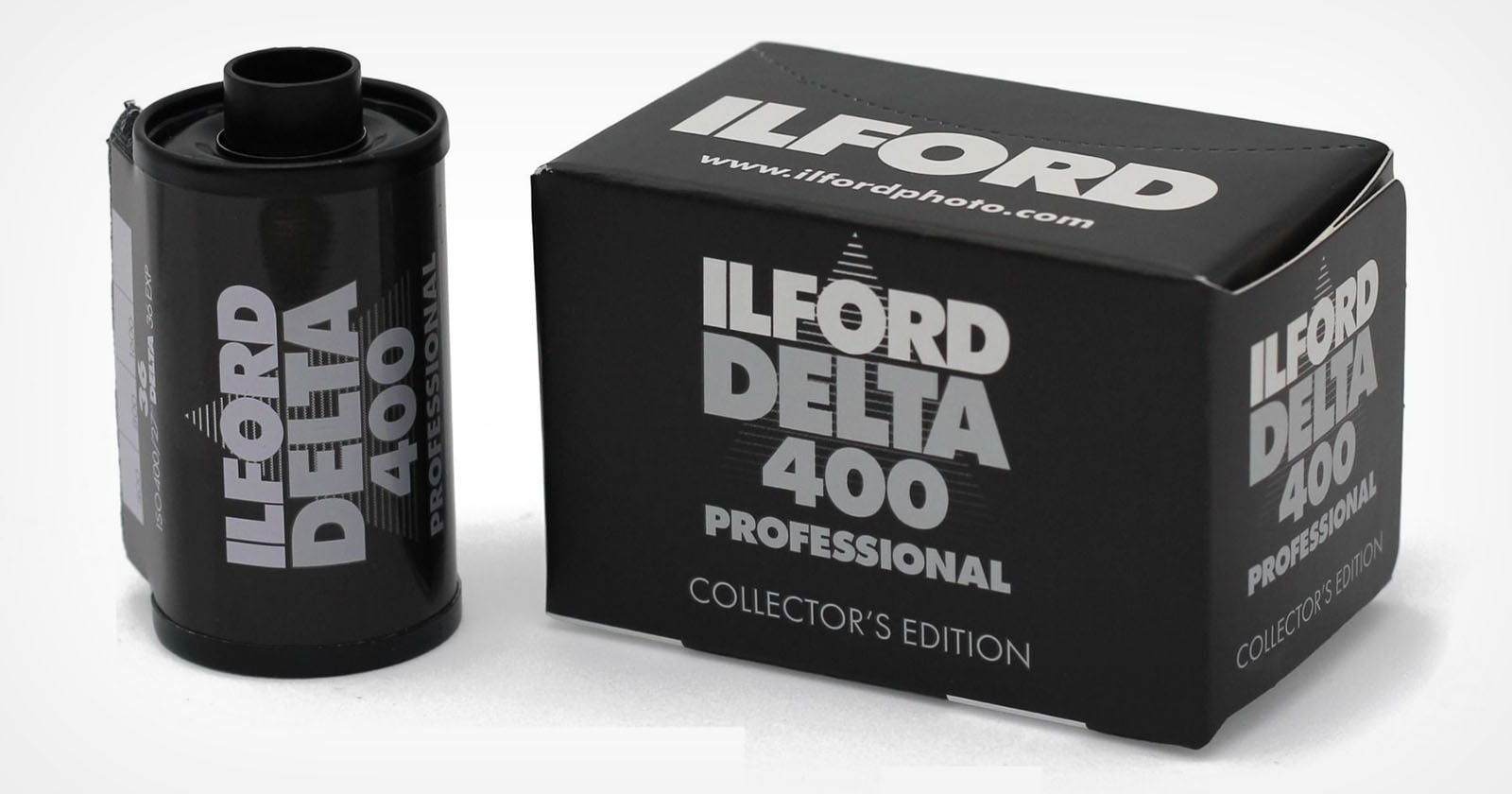
The primary divergence lies in the cost structure and distribution model. Priced at $15.19 per roll, the product is currently unavailable through standard e-commerce channels or the official Ilford web store. Instead, it is restricted to select "in-store only" availability via authorized global retailers. This distribution strategy is twofold: it prevents mass-scale speculative buying by scalpers and ensures that the film reaches retailers who have the infrastructure to provide technical support and guidance to their customers.
Official Stance and Future Implications
When questioned regarding the limited nature of the release, representatives from Ilford clarified the company’s position through official social media communication. "It’s a test to see what people think and if there’s a market for it," the company noted in a public comment.
The implications of this statement are clear: the future of this emulsion is entirely dependent on market reception. If the technical advantages—specifically the improved scanning capabilities and shadow detail—are validated by professional photographers and hobbyists alike, the company has indicated a willingness to transition the product into a standard, ongoing offering.
However, there is a caveat. The transition from a test-run product to a permanent catalog item would likely necessitate a price adjustment. The inclusion of an anti-halation layer on a 35mm roll-film base adds complexity to the manufacturing process, resulting in higher production costs per unit. Should this film become a standard product, the market must be prepared for a price point that reflects these increased manufacturing requirements.
Broader Impact on the Analog Industry
The introduction of the Collector’s Edition is a bellwether for the broader photographic industry. As digital sensor technology continues to push the boundaries of dynamic range, the analog industry is responding by refining the chemistry and physics of traditional film.
This development highlights several key trends:
- Premiumization of Film: Similar to the craft beverage or high-end audio markets, film photography is seeing a shift toward "premium" tiers where users are willing to pay for incremental improvements in image quality and build.
- Community-Centric R&D: By openly communicating the intent behind the release, manufacturers are fostering a sense of partnership with their consumers. This transparency helps mitigate the frustration typically associated with "limited edition" scarcity.
- The Scanning-First Workflow: The focus on "better scanning" as a primary selling point acknowledges that the vast majority of film users today view their negatives through a digital lens. Optimizing film for the digital post-production process is no longer an afterthought; it is a core feature.
Conclusion: The Future of the Delta Line
The Ilford Delta 400 Professional Collector’s Edition stands as an experiment in the viability of high-performance film substrates. While it currently serves as a rare, highly sought-after product for enthusiasts, its true value lies in the data it provides to the manufacturer. If successful, this project could pave the way for a new generation of high-resolution, professional-grade 35mm films that combine the classic, organic aesthetic of silver halide with the technical precision required for modern, high-resolution digital scanning workflows.
For those looking to test the product, the limited availability through authorized retailers makes it a rare find. The success of this endeavor will likely dictate whether this "clearer base" technology becomes a standard feature in the next generation of Ilford’s professional film offerings, potentially setting a new benchmark for black-and-white performance in the 35mm format. As the analog community continues to grow, such innovations are vital to maintaining the relevance and technical competitiveness of film in an increasingly digital world.