Asus has established itself as a cornerstone of the personal computing industry since its founding in 1989. Over the past three decades, the company has transitioned from a motherboard manufacturer into a global leader in portable computing, consistently pushing the boundaries of hardware design. In 2025, the brand’s portfolio spans a vast array of use cases, from ultra-portable business machines to high-performance gaming rigs and versatile 2-in-1 devices. Navigating this extensive catalog requires a nuanced understanding of hardware benchmarks, build quality, and specialized feature sets.
The current landscape of the laptop market is defined by a shift toward AI-integrated processing, high-fidelity OLED display technology, and extended battery efficiency. Asus has been at the forefront of these transitions, particularly through its Zenbook and ROG (Republic of Gamers) lines. For consumers, the challenge lies in distinguishing between marketing innovation and practical utility. Based on professional testing and rigorous performance benchmarks, the following selections represent the most reliable and capable Asus laptops available in the current market.
The Evolution of the Asus Product Portfolio
Asus entered the laptop market during the early 1990s, but it was the 2000s and 2010s that solidified its reputation for "wildcard" engineering. The company has historically prioritized unique form factors, such as dual-screen setups and modular designs, which have both succeeded and occasionally struggled to find mass-market appeal.
However, the 2024-2025 product cycles reflect a move toward maturity. The integration of Intel’s Core Ultra processors and AMD’s Ryzen AI 9 series has allowed Asus to optimize for both power and efficiency. This shift is most evident in the brand’s focus on OLED panels, which have become a signature feature for the manufacturer, providing superior color accuracy and contrast compared to traditional IPS displays.
Top Performers in the 2025 Lineup
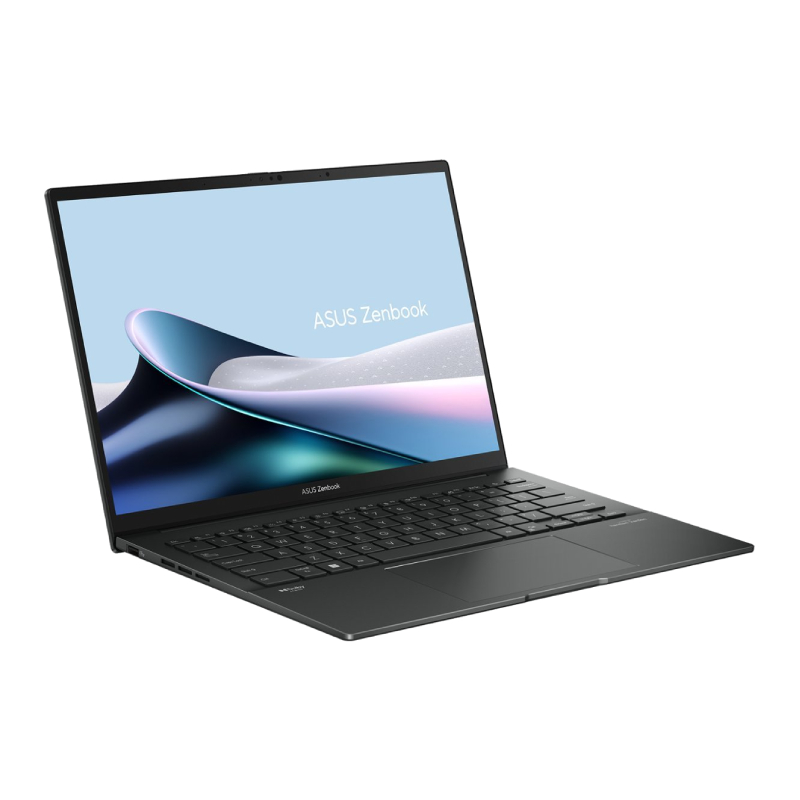
Best Overall: Asus Zenbook 14 OLED (Q425M)
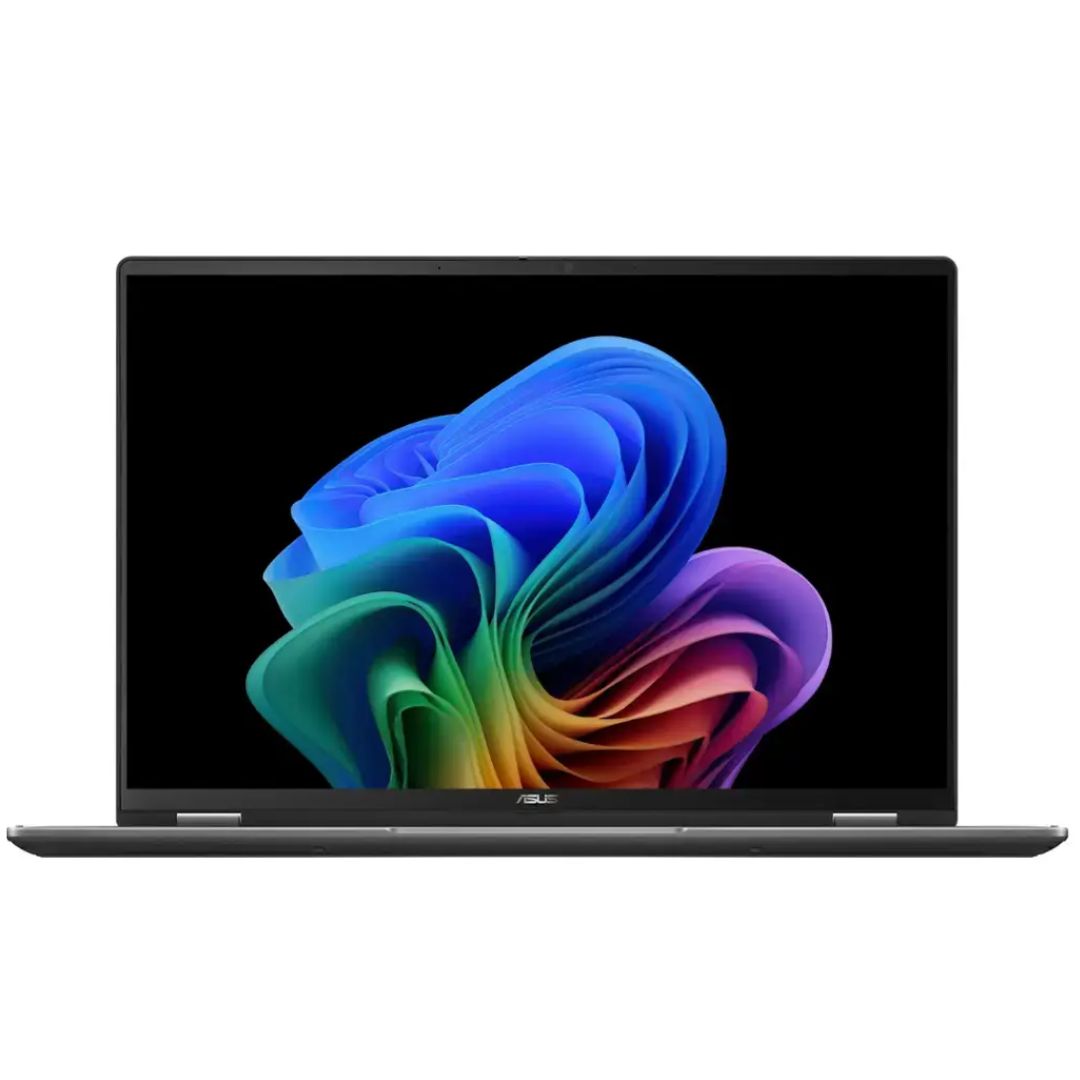
The Zenbook 14 OLED currently stands as the brand’s most balanced offering. Priced competitively under $1,000, it manages to combine a high-quality aesthetic with internal hardware that meets the needs of most professionals and students.
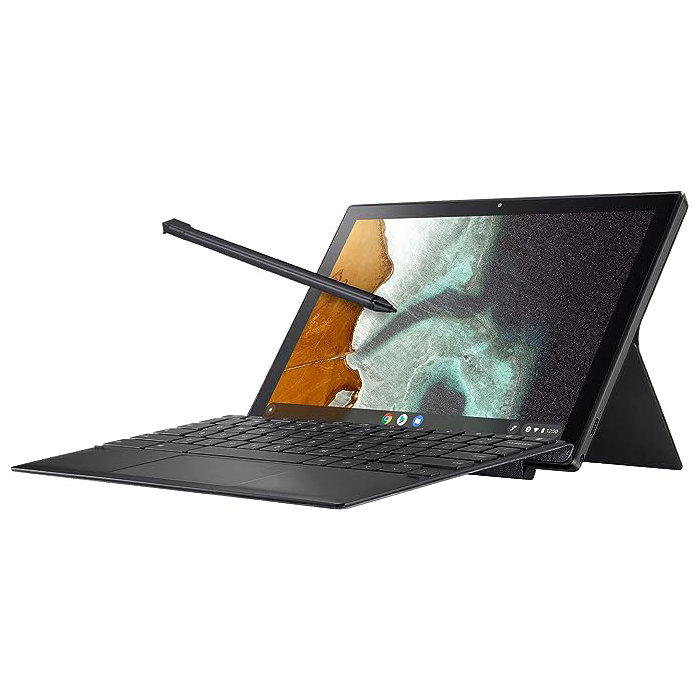
Key performance metrics indicate that the Intel Core Ultra 7 155H processor provides sufficient headroom for demanding multitasking, including photo editing and heavy web browsing. One of its most notable achievements is battery longevity; testing shows it can sustain approximately 15 hours and 52 minutes of continuous use, a figure that significantly exceeds the industry average for thin-and-light notebooks. While the display is limited by a peak brightness of around 339 nits—making outdoor visibility a potential drawback—the overall value proposition remains difficult to surpass.
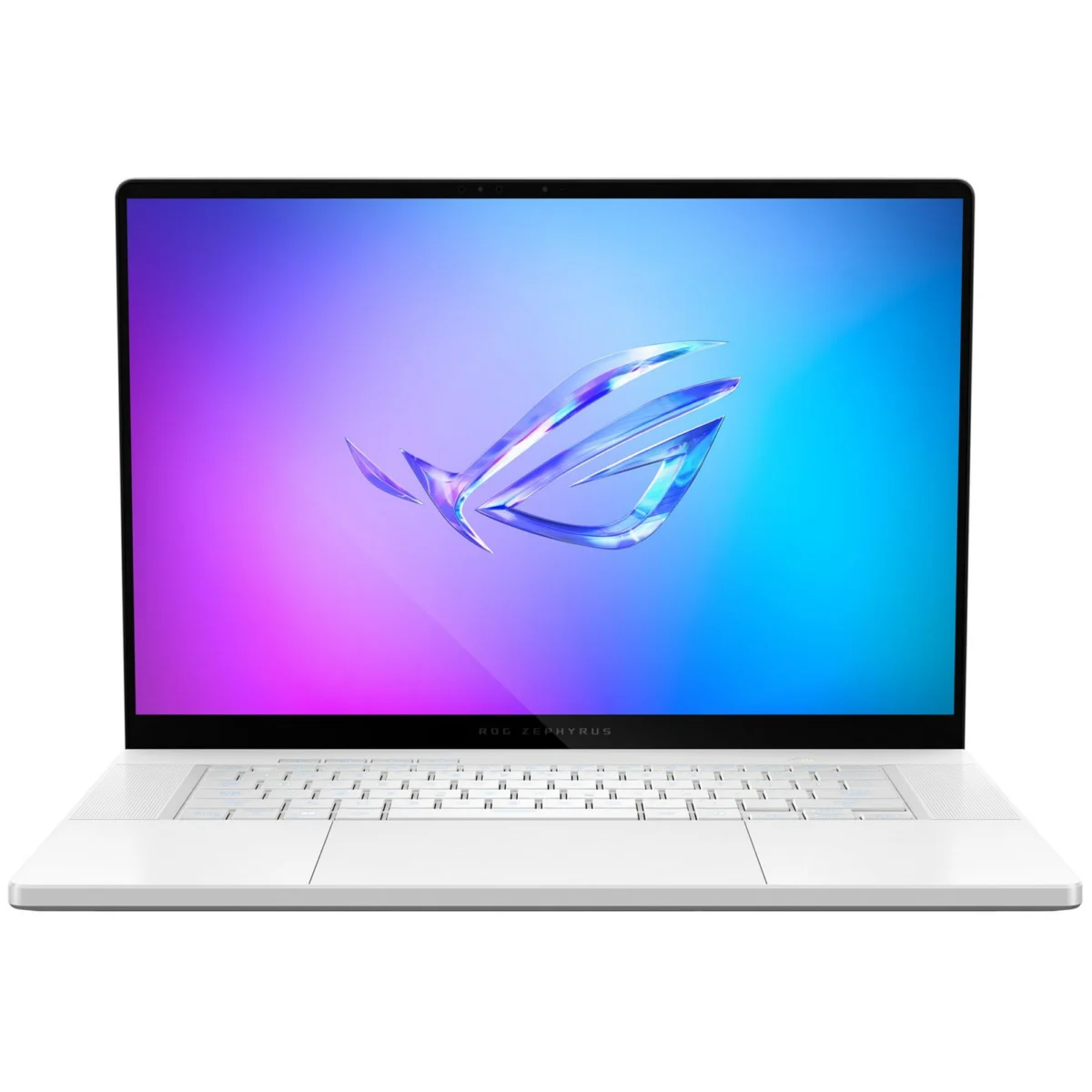
Best for Gaming: ROG Zephyrus G16 (Ryzen AI 9)
The ROG Zephyrus series has long been the gold standard for portable gaming, and the 2025 G16 model continues this legacy. By utilizing the AMD Ryzen AI 9 HX 370 processor alongside an Nvidia GeForce RTX 4070 GPU, the device achieves high frame rates in demanding titles such as Cyberpunk 2077 and Assassin’s Creed Mirage.
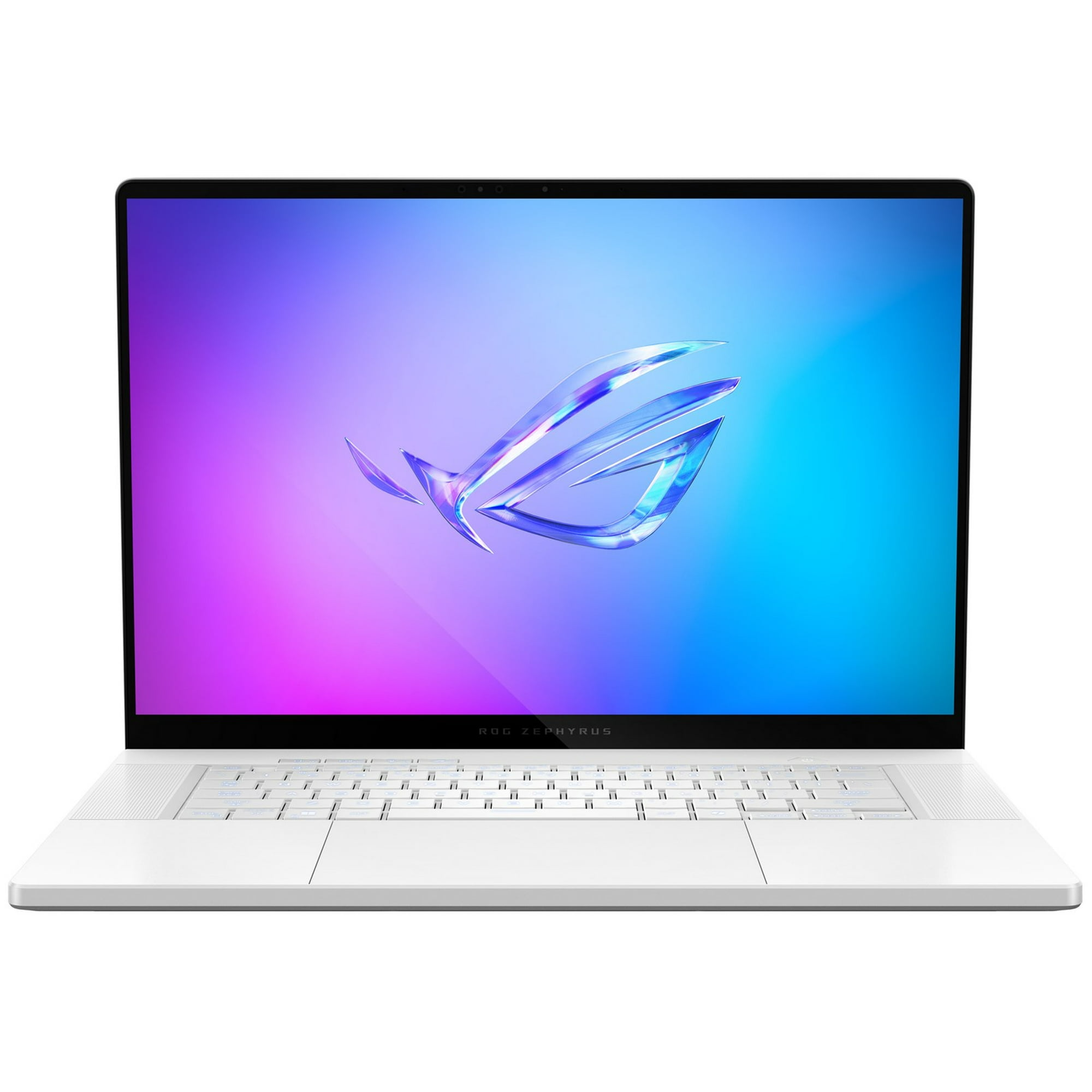
Beyond raw frame rates, the G16 excels in thermal management and design. The chassis is constructed from high-grade aluminum, offering a rigid, professional appearance that diverges from the aggressive, neon-heavy aesthetic typical of the gaming category. However, prospective buyers should note that the keyboard layout can feel cramped, a compromise made to accommodate the 16-inch form factor.
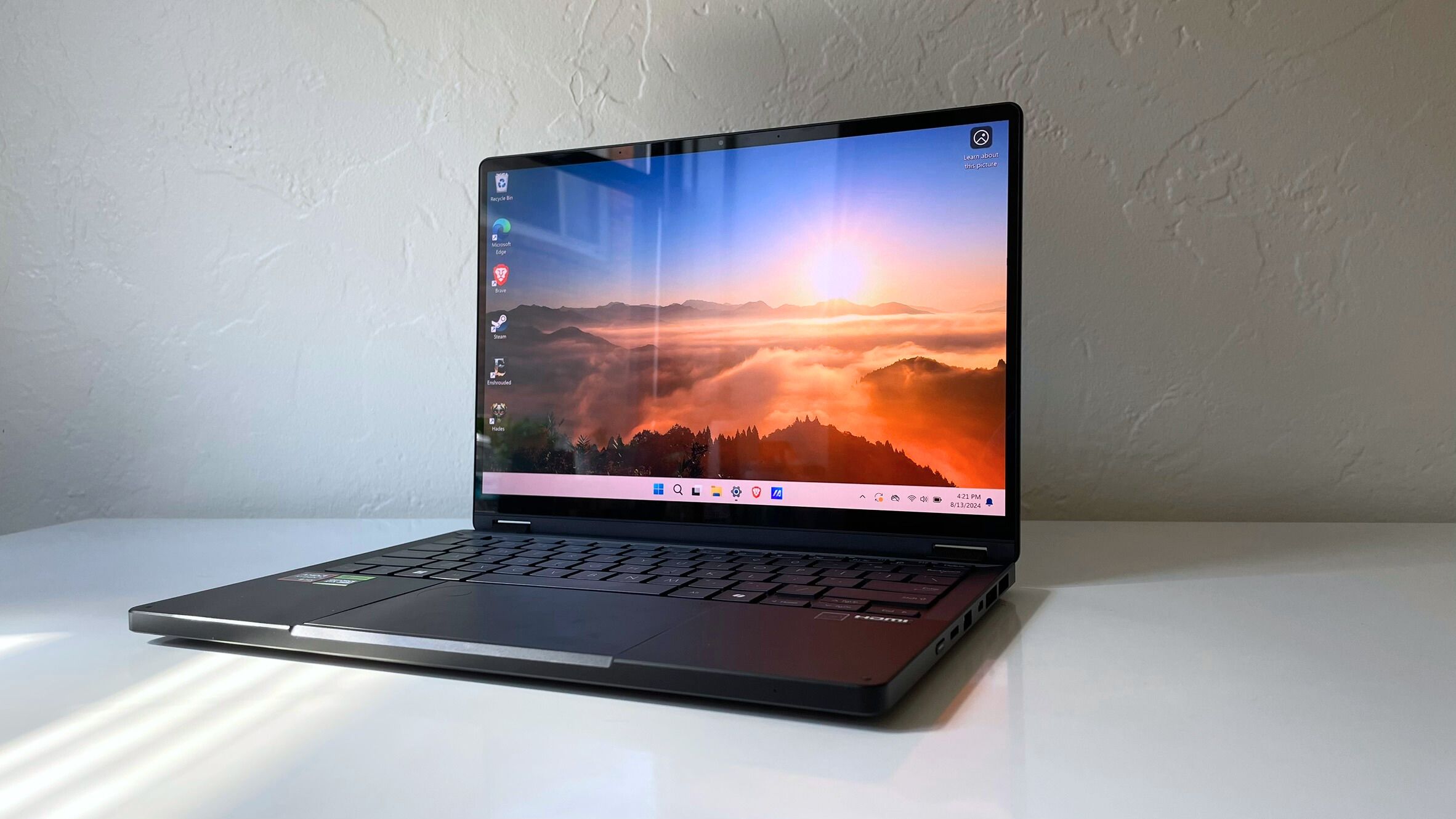
Best for Business: ExpertBook P5 (P5405)
For the enterprise sector, the ExpertBook P5 represents a strategic pivot toward durability and security. Asus has equipped this model with a three-year limited warranty and one year of accidental damage protection—a rarity for consumer-grade devices.
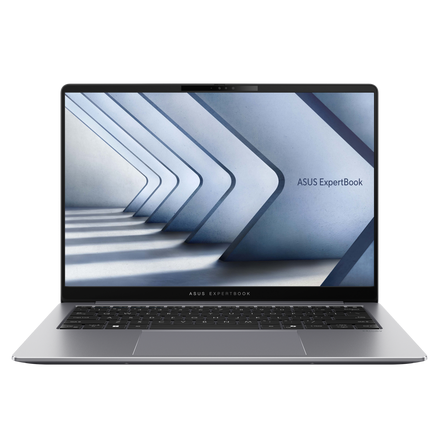
Performance-wise, the Intel Core Ultra 7 258V processor delivers consistent output, and the inclusion of a wide array of ports, including dual Thunderbolt 4 and HDMI 2.1, eliminates the need for external dongles. The battery life, verified at over 14 hours, makes it a reliable tool for long-distance travel and back-to-back meetings.
Best MacBook Pro Alternative: ProArt P16
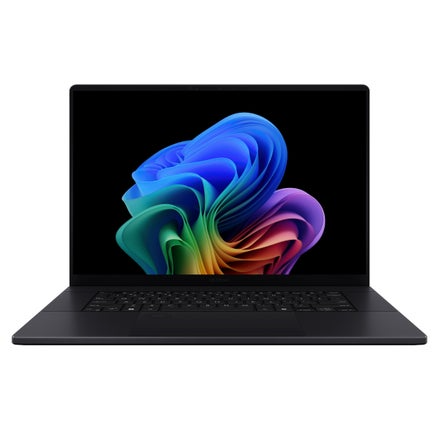
Asus has explicitly targeted the creative professional market with the ProArt P16. Designed as a direct competitor to Apple’s high-end MacBook Pro line, the P16 features a 4K OLED touch display and robust graphics performance that rivals, and in some metrics exceeds, the current Windows-based competition. While it falls short of the MacBook Pro in terms of battery efficiency—lasting roughly 9 hours compared to Apple’s industry-leading runtime—the ProArt P16 offers a more flexible environment for users who require Windows-exclusive creative software.
Technical Benchmarks and Comparative Analysis
To provide a clearer picture of these devices, the following performance metrics illustrate their standing in the current market:
| Model | Geekbench 6 Score | Battery Life (Web Surfing) | DCI-P3 Color Gamut |
|---|---|---|---|
| Zenbook 14 OLED | 12,707 | 15:52 | 79.8% |
| ROG Zephyrus G16 | 15,408 | 9:14 | 82.1% |
| ExpertBook P5 | 11,259 | 14:22 | 77.3% |
| ProArt P16 | 15,286 | 9:32 | 85.5% |
These figures suggest that while the gaming-oriented G16 and ProArt P16 provide superior processing power, the Zenbook and ExpertBook lines are optimized for longevity, prioritizing efficiency over pure computational throughput.
Implications for the Consumer
The proliferation of AI-capable processors in 2025 marks a turning point for the laptop industry. Asus’s commitment to these technologies suggests a future where local hardware acceleration becomes standard for office productivity and creative workflows. However, the data also highlights the "performance tax" associated with these advancements. Gaming laptops, while powerful, remain tethered to shorter battery lifespans, and premium displays, while visually stunning, often require increased power draw.
For the average user, the takeaway is clear: hardware choices should be dictated by specific use cases. The "best" laptop is not necessarily the one with the highest benchmark score, but the one that aligns with the user’s mobility needs and software requirements.

Conclusion and Purchasing Strategy
When selecting an Asus device, consumers should prioritize the following criteria:
- Workload Analysis: Identify whether the machine is intended for CPU-bound tasks (programming, spreadsheet management) or GPU-bound tasks (gaming, 3D rendering, video production).
- Form Factor: Consider the trade-offs between 2-in-1 versatility and traditional clamshell durability.
- Battery Requirements: Determine the necessity of all-day battery life versus performance-per-watt.
Asus remains a vital player in the hardware sector, providing options that cater to diverse segments of the market. By maintaining a balance between cutting-edge features—such as OLED displays and AI-integrated chips—and practical build quality, the company continues to provide competitive solutions for both professional and recreational users. As the 2025 product year progresses, the focus will likely remain on optimizing these technologies to further narrow the gap between high-performance portability and energy efficiency.