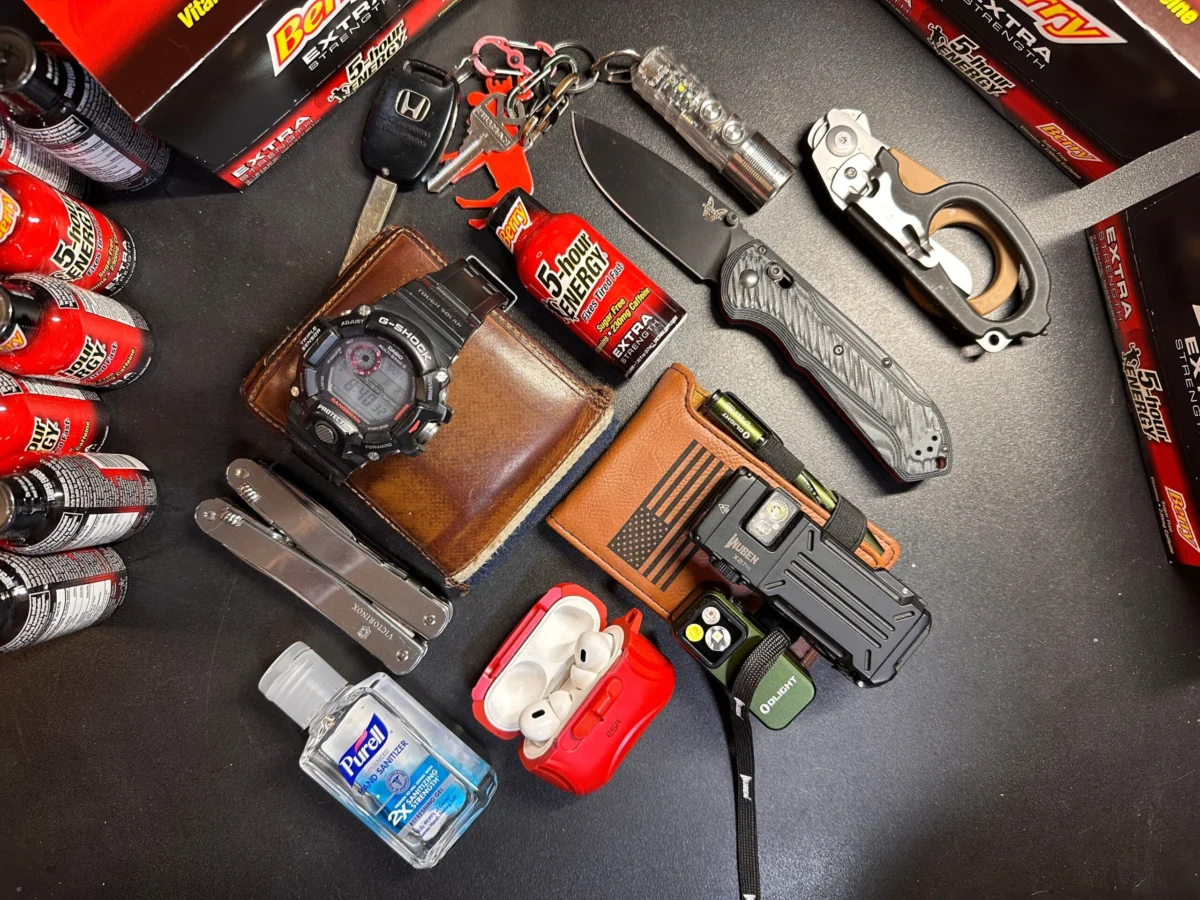
The modern concept of Everyday Carry (EDC) has evolved significantly from a simple collection of pocket items into a highly curated toolkit designed to address the specific demands of a user’s professional and personal life. For professionals who operate across multiple, disparate industries—such as recruitment and emergency medical services—the challenge lies in selecting gear that is robust enough for high-stress field environments while remaining practical for office-based tasks. The recent gear loadout shared by "Coach MC," a professional who divides his time between high-level recruiting and ambulance service, serves as a case study in functional redundancy and specialized tool selection.
The Intersection of Diverse Professional Demands
The primary challenge in constructing a dual-purpose EDC kit is the conflict between weight, bulk, and utility. A professional working in an office environment typically prioritizes ergonomics and portability, whereas a first responder requires ruggedness, high visibility, and specific mechanical advantages. Coach MC’s kit demonstrates a pragmatic approach to this dichotomy by selecting tools that excel in both categories.
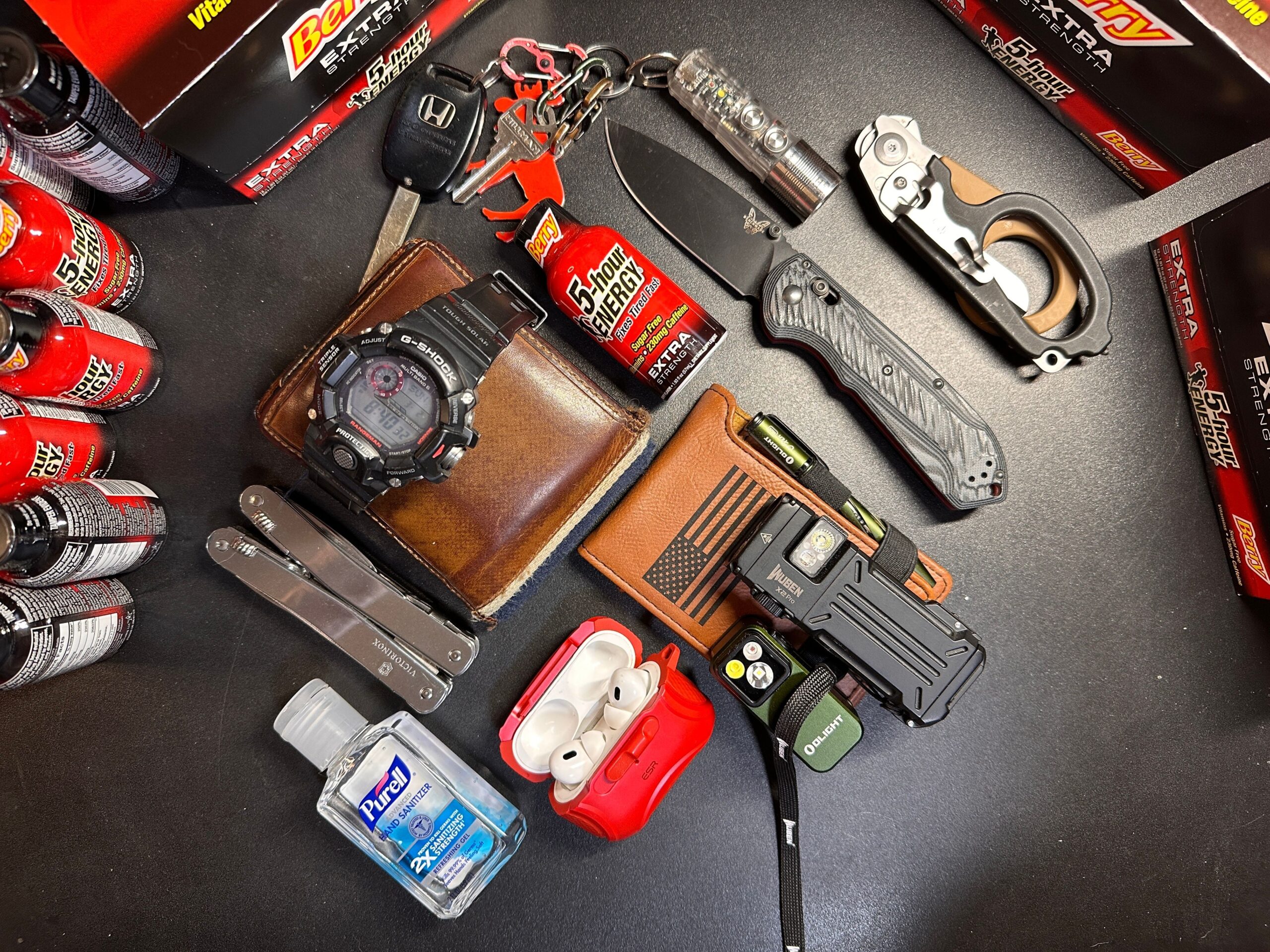
His selection of the Benchmade SuperFreek (model 560BK-1) as a primary folding knife highlights a preference for premium materials. The SuperFreek features CPM-M4 tool steel, renowned for its exceptional edge retention and toughness. In the context of emergency medicine, where a knife may be used for cutting seatbelts, clothing, or packaging in rapid-fire scenarios, the steel’s performance is critical. However, the choice also reflects the long-term aspirations of many enthusiasts in the EDC community; the eventual transition to a Chris Reeve Umnumzaan, which utilizes CPM-MagnaCut, represents an industry-wide pivot toward higher corrosion resistance—a vital trait for gear that may be exposed to bodily fluids or harsh sanitizing agents in an ambulance environment.
Chronology and Evolution of the Gear Selection
The development of a high-functioning EDC kit is rarely a linear process. For most professionals, it begins with basic utility and grows as specific pain points are identified during daily operations.
- Phase 1: Foundations: Initial gear usually focuses on general utility—a standard flashlight, a basic folder, and a watch.
- Phase 2: Task-Specific Integration: As Coach MC transitioned into ambulance work, the gear list expanded to include specialized medical tools. The integration of Leatherman Raptor Rescue shears is a definitive shift in this chronology. These are not merely scissors; they include integrated features such as an oxygen tank wrench and a ring cutter, essential tools for a pre-hospital care environment.
- Phase 3: Refinement and Redundancy: The current state of his loadout demonstrates a sophisticated understanding of redundancy. The addition of the Victorinox Spirit X multi-tool provides a precise mechanical backup for tasks like adjusting equipment or clearing tubing, where the bulkier shears might be too clumsy.
Technical Analysis of the Loadout
The inclusion of multiple light sources, specifically the Olight Oclip Pro, warrants closer inspection. In emergency medical services, the ability to illuminate a patient’s airway or a dark interior of a vehicle is non-negotiable. The Oclip Pro, with its 500-lumen output and magnetic mounting capabilities, provides a "hands-free" advantage that is often overlooked in amateur setups.
From a technical standpoint, the loadout follows the "Rule of Three" often cited by survivalists and tactical professionals: if a tool is vital, have a backup. By carrying a dedicated cutting tool (SuperFreek), a mechanical multi-tool (Spirit X), and specialized medical equipment (Raptor Shears), the user creates a system where a failure in one device does not result in a total loss of capability.
Industry Context and the "Grail" Mentality
The mention of the Chris Reeve Umnumzaan as a "grail" knife provides insight into the EDC subculture. In this community, the term refers to an item that is considered the pinnacle of design, engineering, or status for an individual. The Umnumzaan is widely regarded by knife enthusiasts for its "Integral Lock" mechanism and the use of CPM-MagnaCut, a steel developed by knife maker Larrin Thomas to balance the three primary pillars of knife steel: edge retention, toughness, and corrosion resistance.
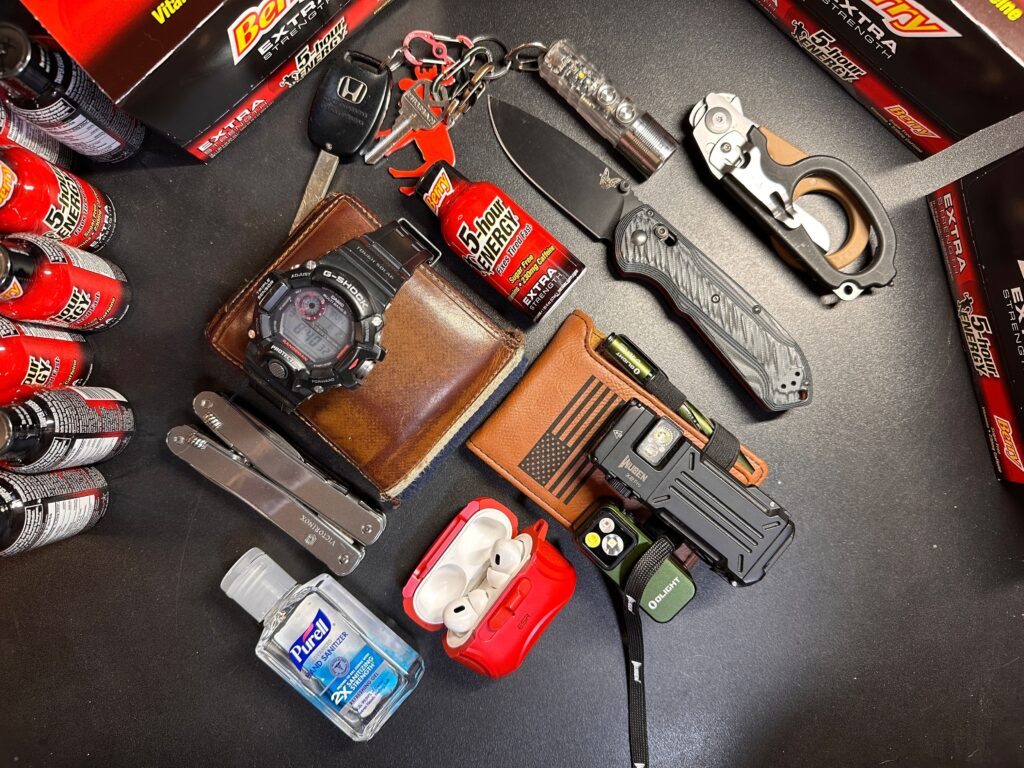
The industry shift toward MagnaCut is not merely a trend; it is a response to the practical requirements of users like Coach MC. Standard high-carbon steels like the CPM-M4 in his current SuperFreek offer superior edge retention but require diligent maintenance to prevent rust. In a fast-paced medical environment, where equipment maintenance is often secondary to patient care, the shift to a more stable, corrosion-resistant steel is a logical evolution of professional gear requirements.
Implications for Occupational Safety and Efficiency
The efficiency of a first responder is directly correlated to the accessibility of their tools. When gear is poorly organized or overly complex, seconds are lost—seconds that can be critical in trauma care. The EDC loadout analyzed here suggests a move toward "streamlined accessibility."
By utilizing clips and magnetic attachments, the user minimizes the "search time" required to find tools under stress. Furthermore, the selection of the Victorinox Spirit X for tasks like disconnecting oxygen tubing highlights a specific operational requirement: the need for fine motor control tools. While many standard multi-tools prioritize heavy-duty pliers, the Spirit X is often lauded for its high-quality driver bits and precise implements, making it ideal for the fine adjustments required on medical apparatus.
Broader Impact on the EDC Community
The submission of this loadout to public forums and expert reviews serves a greater purpose than individual gratification. It acts as a data point for manufacturers. When companies see users adapting tactical gear for medical or office roles, it influences future design iterations. We have seen this historically with the "tacticalization" of medical equipment, leading to lighter, more durable, and more accessible tools for the average consumer.

Moreover, the "Editor’s Note" regarding the high volume of flashlights in this specific carry underscores an interesting trend: the democratization of high-intensity lighting. A decade ago, a 500-lumen light was a professional-grade tool restricted to law enforcement or industrial use. Today, through companies like Olight, such technology is accessible to anyone. This has raised the standard for what is expected of personal gear, pushing expectations for battery life, charging standards (USB-C), and durability to new heights.
Conclusion: The Future of Professional Gear
The professional life of individuals like Coach MC, who bridge the gap between corporate environments and emergency response, provides a roadmap for the future of EDC. The goal is no longer just "carrying things"; it is the construction of a personalized infrastructure that supports the user regardless of the environment.
As technology continues to shrink the size and increase the power of mechanical and electronic tools, the kits of tomorrow will likely become even more specialized. We can expect to see an increased focus on modularity, where individual components can be swapped out based on the day’s primary objective. For now, the current loadout serves as a benchmark for how to effectively combine duty-grade equipment with daily personal items, ensuring that regardless of whether the user is in a board room or the back of an ambulance, they are equipped with the precision and reliability necessary to perform.
The transition from the current M4 SuperFreek to a MagnaCut-based system like the Umnumzaan will mark the final step in this current iteration of his gear development, proving that for the dedicated professional, the search for the "perfect" tool is an ongoing process of refinement, dictated by the ever-changing demands of their chosen vocations.