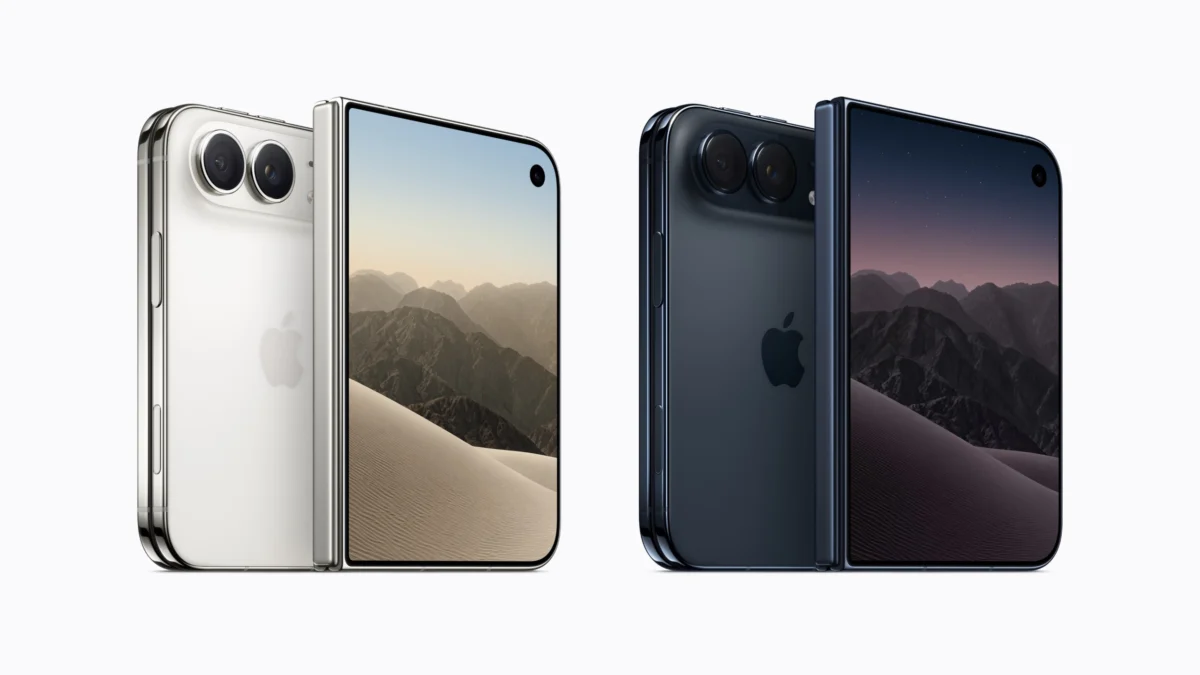
Apple Inc. officially unveiled its long-awaited entry into the foldable smartphone market today, introducing the iPhone Duo as the marquee hardware announcement of its seasonal product showcase. Capping off an eagerly anticipated presentation, the device represents Apple’s first commercial venture into dual-screen and flexible-display technology, a category that has been heavily populated by competitors like Samsung and Google for nearly half a decade. Priced at a steep $1,999 to start, the iPhone Duo immediately shifted the narrative of the mobile technology sector, prompting swift reactions not only from industry rivals but also from unexpected digital brands, most notably the language-learning platform Duolingo.
The introduction of the iPhone Duo marks a significant strategic pivot for Apple, a company historically known for adopting nascent technology only after consumer markets have matured and manufacturing processes have been thoroughly refined. With pre-orders scheduled to open on October 16 and a full retail release slated for October 23, the device will soon face rigorous evaluation by consumers and industry analysts alike. As the dust settles on the keynote event, the broader implications of Apple entering the foldable ecosystem are beginning to take shape, signaling a new era of competition in high-end mobile hardware.
Hardware Specifications and Design Features
The iPhone Duo arrives with a slate of hardware specifications that position it directly against established heavyweights in the foldable market, such as the Samsung Galaxy Z Fold series and Google’s Pixel Pro Fold lineup. According to Apple’s official product disclosures, the iPhone Duo features a expansive 7.6-inch inner flexible display complemented by a 5.4-inch cover screen on the exterior.
When fully unfolded, the device measures an ultra-slim 5.3 millimeters in thickness. However, engineers and tech reviewers have immediately zeroed in on its weight: the iPhone Duo tips the scales at 254 grams. This makes it roughly 53 grams heavier than Samsung’s Galaxy Z Fold 8, and noticeably heavier than Google’s competing foldable offerings. The additional weight is a point of discussion among hardware enthusiasts, though Apple maintains that the structural integrity of the hinge mechanism and the premium materials used justify the heft.
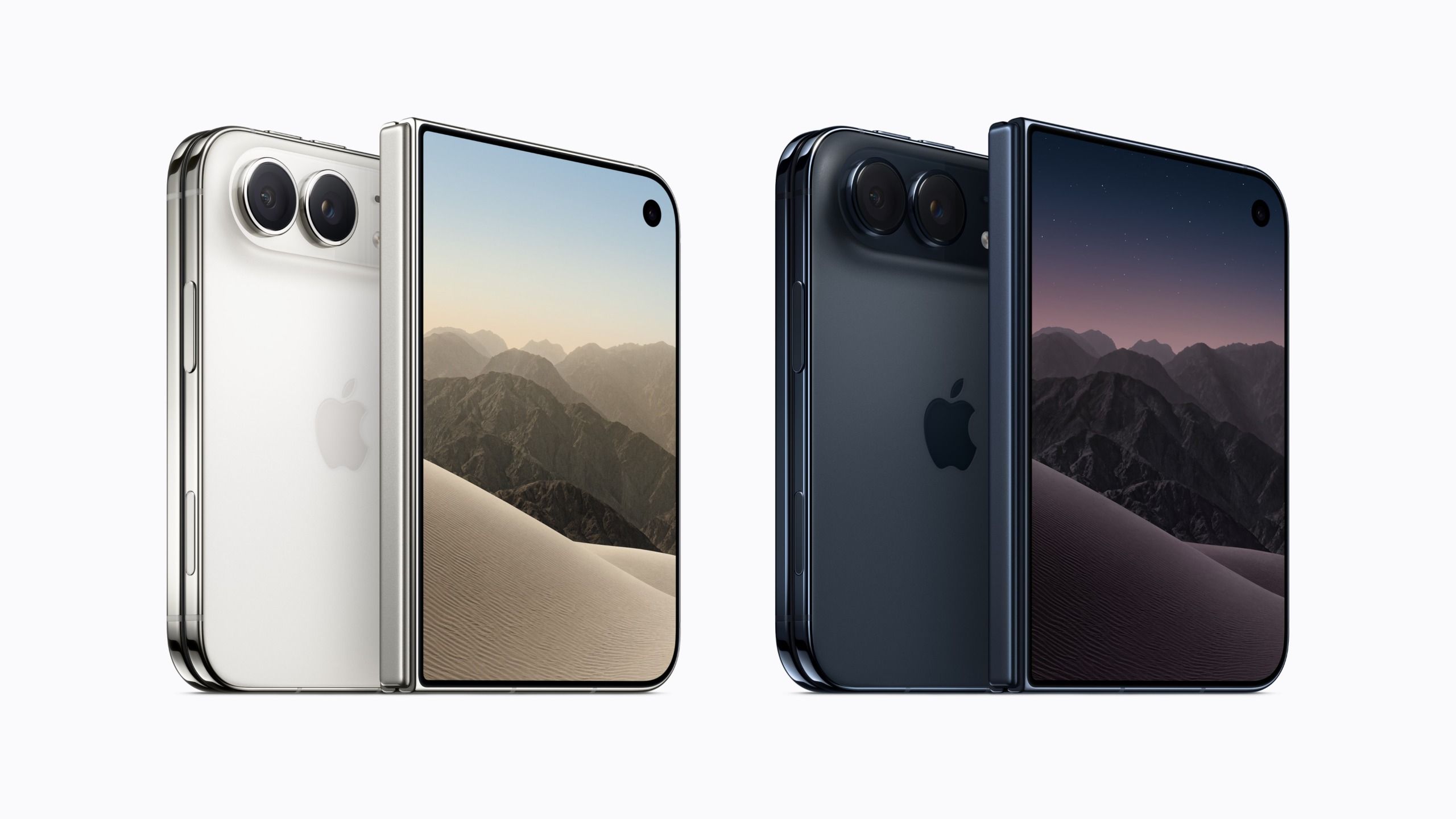
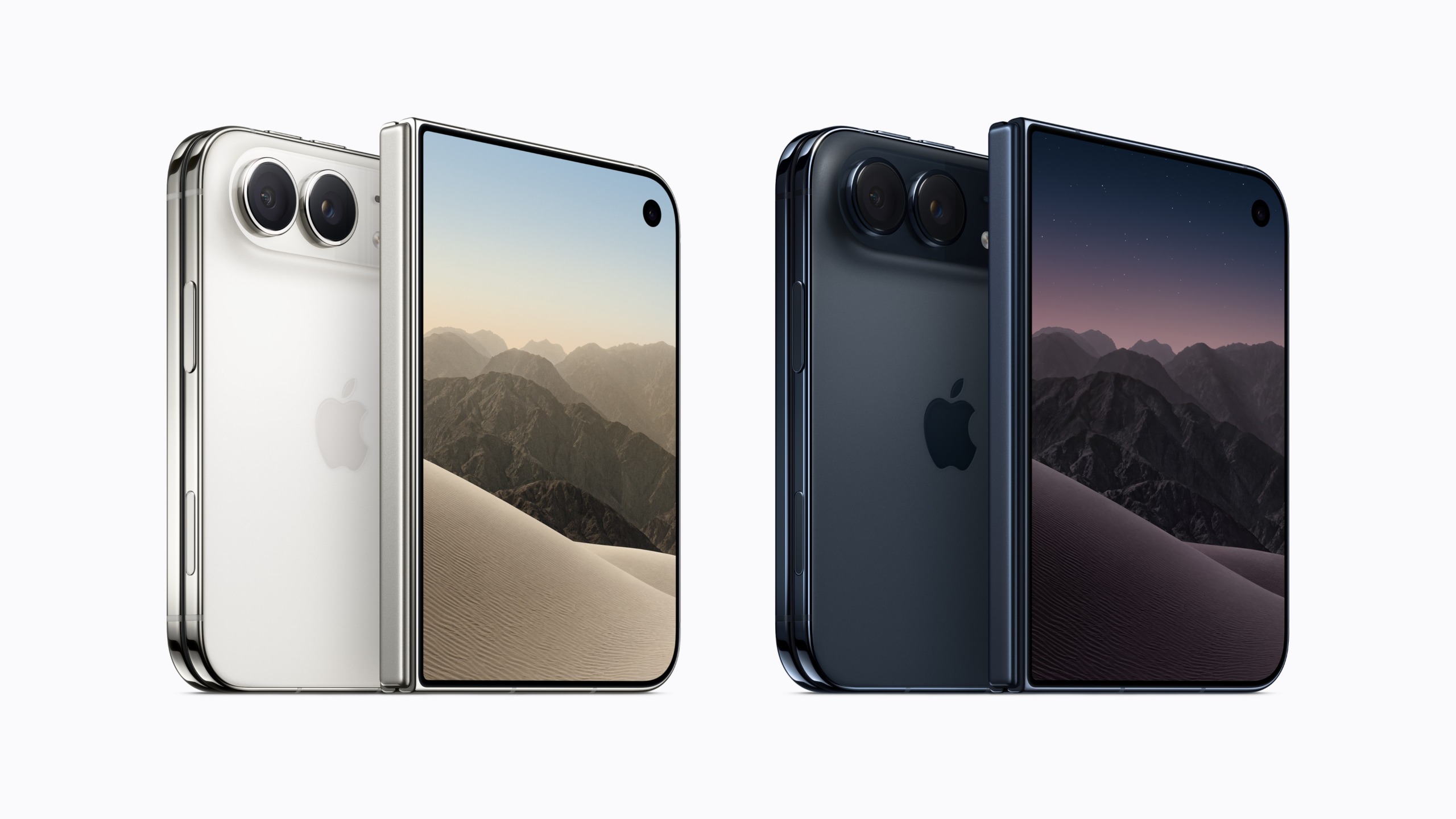
To accommodate the unique form factor, Apple has implemented targeted software optimizations within iOS. Key navigation elements and system controls are now consistently positioned vertically along the right side of the inner display to optimize one-handed usability when the device is partially or fully open. Furthermore, native applications have been redesigned to dynamically adapt their layouts based on the device’s orientation. At launch, the iPhone Duo will be available in two distinct colorways: Star White and Night Sky.
A Decade of Rumors Culminates in Official Release
The path to the iPhone Duo’s release has been one of the most protracted speculative cycles in consumer technology history. For years, supply chain leaks, patent filings, and analyst reports suggested that Apple was actively prototyping foldable panels. Throughout the late 2010s and early 2020s, concept designers and tech enthusiasts circulated countless renders of what a "foldable iPhone" might look like, driving persistent demand for Apple to validate the form factor.
Until today, Apple remained conspicuously absent from the foldable segment, allowing Android-based original equipment manufacturers (OEMs) to define the category, iron out early hardware failures—such as crease durability and hinge reliability—and establish software standards for multitasking on dual-screen devices. By entering the market in late 2024, Apple is employing its classic "late-mover" strategy, allowing competitors to shoulder the burden of consumer education before stepping in with a polished, highly integrated ecosystem alternative.
Unexpected Social Media Reactions and Rival Responses
While the technical specifications and pricing details dominated formal analyses, the afternoon event generated a parallel wave of viral commentary across social media platforms, most notably on X (formerly Twitter).
Duolingo, known for its irreverent and culturally adaptive social media presence, was among the first corporate entities to react to the announcement. Minutes after the iPhone Duo was revealed, the official Duolingo account posted a widely shared and tongue-in-cheek remark regarding the device’s moniker and folding mechanism. The brand quickly pivoted to a more lighthearted angle, highlighting the benefits of increased screen real estate for completing daily language lessons.
More substantial corporate friction came from Samsung Mobile, a dominant pioneer in the foldable smartphone space. Samsung’s marketing division capitalized on the event with a series of real-time posts comparing Apple’s newly unveiled hardware to features that Android users have utilized for years. One prominent post from Samsung’s official account read, "I’m so sorry, Duolingo. They copied us too," establishing a humorous solidarity with the language app.
Samsung continued its commentary throughout the duration of Apple’s event, criticizing aspects of the iPhone ecosystem, referencing competing form factors with the phrase "folding 3 ways," and poking fun at software features such as the iPhone Duo’s bedside clock mode, which it likened to the film Groundhog Day. Despite the playful corporate rivalry, industry observers note that these reactions underscore the validation that Apple’s entry brings to the foldable category as a whole.
Market Implications and Consumer Outlook
The launch of the iPhone Duo at a baseline price of $1,999 places it squarely in the ultra-premium tier of the smartphone market. This pricing strategy tests whether Apple’s immense brand loyalty and ecosystem lock-in can convince mainstream consumers to adopt a form factor that has hitherto remained a niche, enthusiast-driven product category.
Industry analysts suggest that Apple’s entry will significantly accelerate mainstream awareness and adoption of foldables. While Android manufacturers have successfully driven hardware innovation over the past several years, Apple’s entrance typically signals to enterprise clients, app developers, and accessory makers that a specific technology has achieved long-term viability. Consequently, software developers are expected to accelerate the optimization of productivity and media applications for foldable displays, ultimately benefiting users across both iOS and Android ecosystems.
As pre-orders approach on October 16, followed by the official market release on October 23, the primary question remaining is how well Apple’s software ecosystem will mitigate the hardware trade-offs, such as the device’s heavier weight. For now, the tech industry watches closely as a new chapter in mobile computing begins, defined by folding glass, high-stakes competition, and unexpected digital banter.