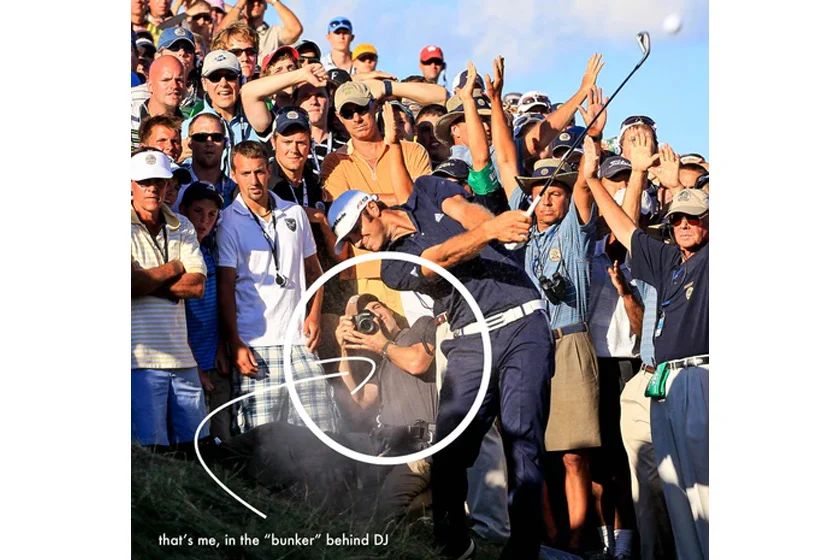
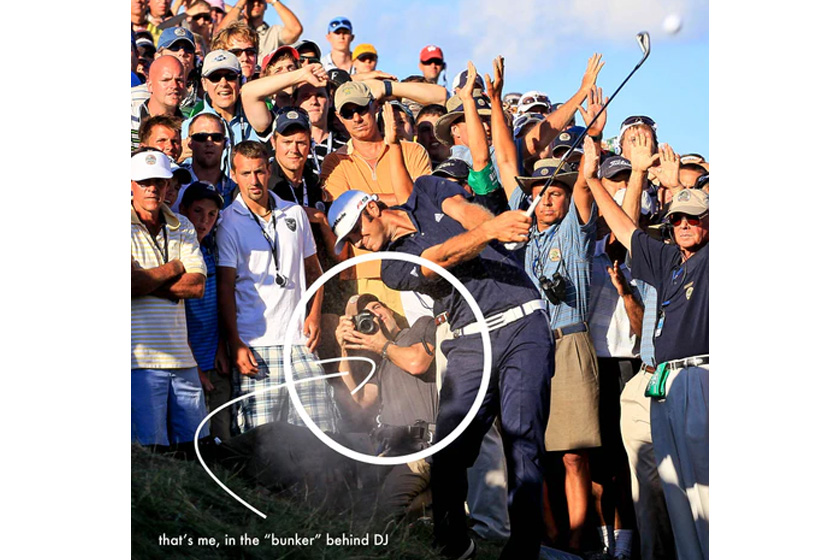
The professional trajectory of Allan Henry provides a rare case study in how specialized field experience can fundamentally disrupt the design of technical soft goods. To understand the ethos behind Atlas Packs, one must first look at Henry’s twenty-year tenure as a staff photographer for USA Today. In the high-stakes environment of professional sports photography, ergonomics are not a luxury but a professional necessity. Carrying dual camera bodies paired with heavy telephoto glass—often weighing between 20 and 40 pounds—across stadium sidelines for eight-hour stretches creates a relationship with gear that is purely utilitarian and devoid of romanticism. For Henry, the design of a camera bag is directly tied to physical fatigue, which in turn dictates the quality of the work produced during a championship event.
When Henry transitioned from a consumer of professional gear to a designer, he eschewed the traditional paths of mass-market production. His initial offerings, the Adventure and Athlete packs, redefined the intersection of alpine-grade suspension systems and specialized photographic storage. These designs were characterized by their ability to handle heavy loads in backcountry environments, a feat that earned the Atlas Athlete Pack the prestigious Carry Award for Best Camera Bag. However, the move from specialized wilderness equipment to an everyday carry (EDC) ecosystem required an entirely different design philosophy—one rooted in deliberate deceleration and rigorous long-term testing.
The Evolution of the Atlas Design Philosophy
The genesis of Atlas Packs was a direct response to the inadequacies Henry found in existing market offerings. For decades, camera bags were generally divided into two categories: urban "courier" styles that lacked support for heavy gear, or "outdoor" packs that were essentially hiking bags with camera inserts haphazardly added. Henry’s background necessitated a third path—a bag that functioned like a high-end mountaineering pack but operated with the precision of a professional camera kit.
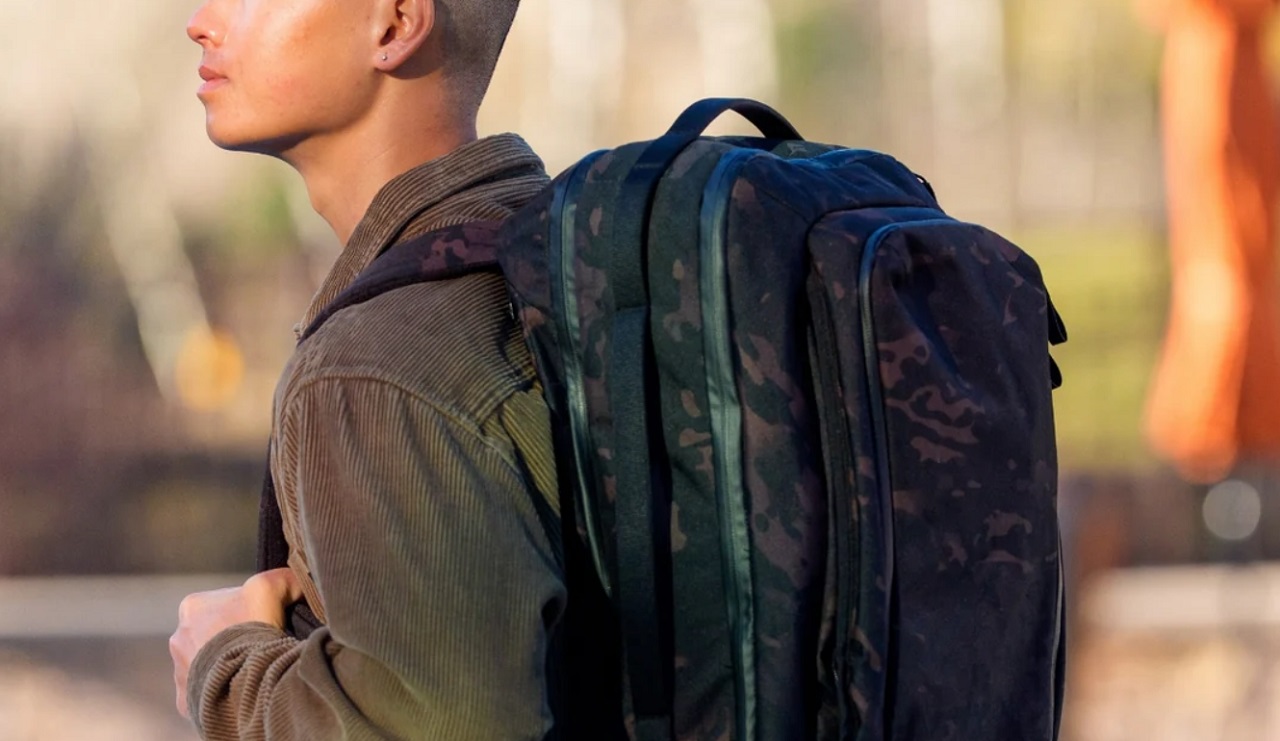
The success of the Athlete and Adventure series established Atlas as a dominant player in the niche market of adventure photography. These bags featured custom-sized suspension systems, a rarity in the camera bag industry where "one size fits all" is the standard. By offering different torso lengths and waist belt sizes, Atlas ensured that the weight of the gear was distributed across the hips rather than the shoulders, a principle borrowed from heavy-load trekking.
However, the challenge of the Atlas One system was to shrink this heavy-duty DNA into a tighter, more agile footprint. Henry resisted the urge to simply scale down his existing patterns. Instead, he initiated a "365-day variable test," a grueling development phase where a single, finished prototype was used exclusively for a full year. During this period, Henry made no alterations to the bag, choosing instead to observe how technical textiles reacted to four distinct seasons of UV exposure, moisture, and mechanical friction. This patient approach allowed him to identify natural stress points and "settling" patterns that shorter testing windows often miss.
Community Feedback and the "Less is More" Mandate
In the development of the Atlas One, Henry sought to validate his design assumptions through direct engagement with his core user base. Expecting a demand for increased complexity—more pockets, specialized attachment points, and "tacticool" features—Henry convened focus groups of existing Atlas customers. The results were a significant departure from industry trends.
The feedback from these veteran users was remarkably consistent: they did not want more features. Instead, they demanded two things: uncompromising comfort and flawless build quality. This feedback served as a "reality check" that allowed Henry to aggressively prune the design. He shifted his focus from "feature creep" to optimizing core touchpoints, such as the harness yoke and internal lining. The result was a minimalist aesthetic that prioritized structural integrity over superficial utility.
This pivot reflects a broader trend in the high-end EDC market, where "decision fatigue" caused by over-engineered products has led consumers back toward streamlined, high-performance basics. By stripping away unnecessary clutter, Henry was able to invest more heavily in the quality of the materials and the precision of the manufacturing process.
Technical Architecture: One Body, One Lens
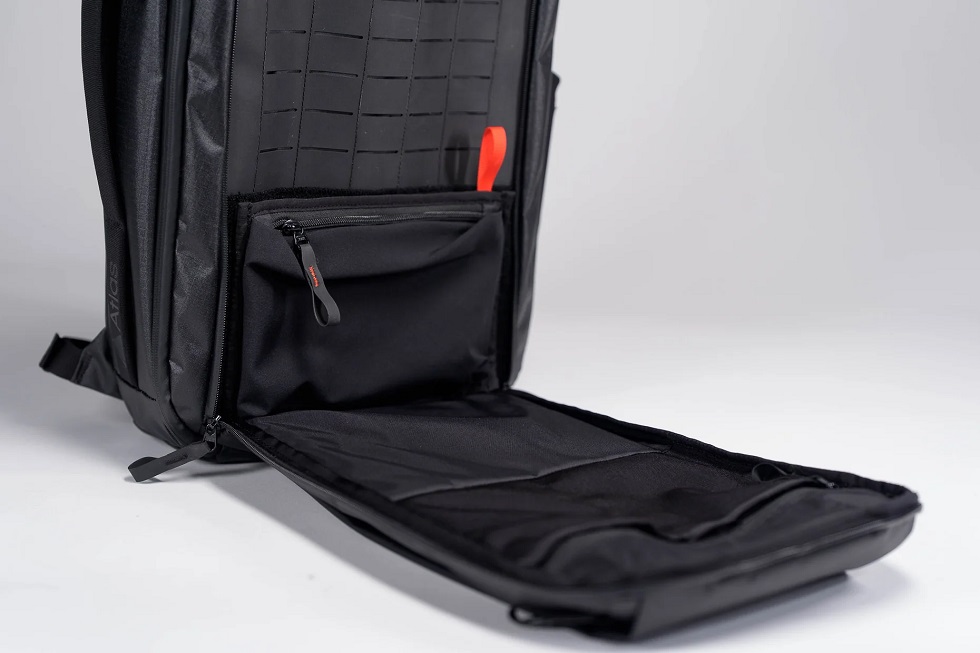
The Atlas One system is built around the "One Body, One Lens" footprint. While many travel bags are designed as cavernous boxes that require secondary inserts (which often lead to "dead space" and gear shifting), the Atlas One treats the interior as a cohesive ecosystem. The walls are lined with premium Velex loop fabric, allowing for a customizable internal layout that maintains a slim profile.
Henry’s use of textiles is dynamic rather than static. He employs a strategic mix of materials based on the specific demands of each panel:
- Lightweight Ripstops: Used on low-impact face panels to reduce the overall weight of the pack.
- High-Denier Technical Textiles: Applied to the base and perimeter walls where abrasion resistance is critical.
- Variable Configurations: Henry often varies fabric choices from batch to batch, treating the availability of high-end textiles as a rotating canvas for his designs.
The Atlas One lineup is categorized into three distinct models, each serving a specific logistical need:
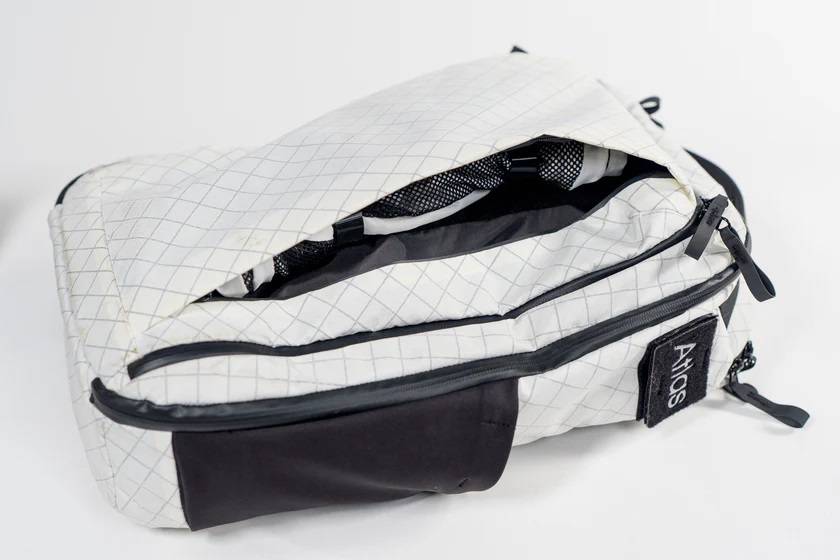
- The Day Pack (20–25L): Designed for urban environments, this pack can compress to a depth of just 4.5 inches, making it ideal for crowded public transit or minimalist daily use.
- The Getaway Pack (25–32L): A deeper version of the clamshell design, optimized for multi-day travel and designed to fit within the carry-on constraints of global airlines.
- The Mission Pack (27–30L): A more technical variant featuring the integrated "Origami Camera Core" and a magnetic side door for rapid access to larger telephoto lenses.
A Disruptive Business Model: The Independent Design Lab
The story of Atlas Packs is as much about business ethics as it is about product design. In an industry often dominated by massive conglomerates focused on retail distribution and scale, Henry has opted for a "micro-brand" model. By managing the entire lifecycle—from prototyping to small-batch production—Atlas maintains the agility of an independent laboratory.
One of the most notable aspects of the Atlas business model is the size-agnostic pricing. Henry does not charge more for a larger bag if the technical complexity and material costs remain the same. Instead, his pricing reflects the intrinsic value of the engineering and the textiles used. This approach challenges the traditional "price-per-liter" metric used by most luggage manufacturers.
Furthermore, the decision to remain direct-to-consumer (DTC) allows Atlas to bypass the markups associated with third-party retail. This ensures that a higher percentage of the product’s cost is invested in the materials themselves, such as the expensive Velex linings and specialized hardware that would be cost-prohibitive in a traditional retail environment.
Analysis of Implications for the Soft Goods Industry
The success of the Atlas One and the broader Atlas Packs brand suggests a shift in consumer behavior within the professional photography and "prosumer" gear markets. There is a growing segment of users who are willing to wait for products that have been subjected to multi-seasonal testing rather than purchasing the latest iterative release from a major brand.
Henry’s "365-day test" highlights a critical flaw in modern product development: the rush to market. By resisting the urge to iterate after only a few months, Henry ensured that the final pattern adjustments were backed by long-term data points. This longevity-focused design philosophy not only reduces the likelihood of product failure but also fosters a deep sense of trust within the community.
Moreover, Atlas Packs serves as a proof of concept for the "solo designer" model. In the digital age, a single professional with deep domain expertise can leverage direct community feedback and small-batch manufacturing to compete with established legacy brands. The focus on "ergonomic fidelity"—the idea that the bag should disappear on the wearer’s back—remains the guiding light of the brand, a direct legacy of Henry’s years on the sidelines of the NFL and the Olympics.
Chronology of Development
- 2000s–2010s: Allan Henry serves as a staff photographer for USA Today, identifying the ergonomic failures of existing camera carry systems.
- 2016: Launch of Atlas Packs, focusing on the "Athlete" and "Adventure" series for backcountry use.
- 2018: The Atlas Athlete Pack wins the Carry Award for Best Camera Bag, cementing the brand’s reputation.
- 2022: Henry begins the "365-day variable test" for the Atlas One prototype.
- 2023: Focus groups with core Atlas users lead to a simplified, minimalist redesign of the EDC line.
- 2024: Launch of the Atlas One system, including the Day, Getaway, and Mission packs, featuring the "One Body, One Lens" philosophy.
Ultimately, Atlas Packs represents a rejection of the "fast fashion" mentality within the gear industry. By prioritizing patience, precision, and a direct connection to the user, Allan Henry has not only created a highly functional carry system but has also established a new blueprint for independent, professional-grade design. The Atlas One is more than just a bag; it is a manifestation of twenty years of physical labor, distilled into a form factor that respects both the gear it carries and the body that carries it.