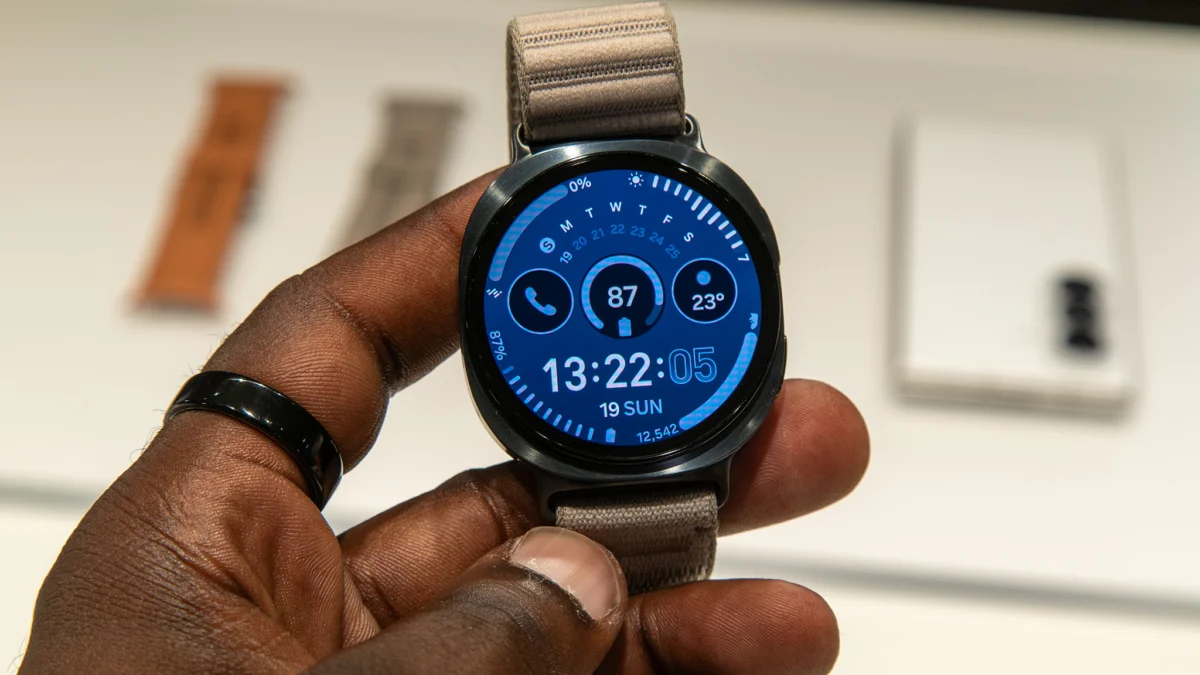
Samsung has officially announced an unprecedented commitment to software longevity for its latest wearable devices, the Galaxy Watch 9 and Galaxy Watch Ultra 2. Unveiled at the highly anticipated Galaxy Unpacked event in London on July 22, these new smartwatches will now receive five major Wear OS upgrades and a full five years of security updates. This strategic decision marks a significant enhancement to Samsung’s previous policy and positions the company as a leader in long-term support within the competitive smartwatch market. While the event largely focused on the foldable Galaxy Z Fold 8 series, this quiet but impactful announcement for the wearables line underscores Samsung’s dedication to providing enduring value to its customers.
The extension of software support is a critical development for the wearable technology sector, where the lifecycle of devices is a constant point of discussion among consumers and industry experts alike. Previously, Samsung offered four major Wear OS upgrades and five years of security updates for its Galaxy Watch series, a policy already considered robust when compared to many competitors. For instance, Google, a key partner in the Wear OS ecosystem, currently provides only three years of software updates for its Pixel Watch lineup. By extending its commitment to five major Wear OS versions, Samsung not only surpasses its closest Android rival but also sets a new benchmark for device longevity and user experience.
This enhanced update policy means that users purchasing a Galaxy Watch 9 or Galaxy Watch Ultra 2 can expect their devices to remain current and secure for an extended period, potentially through 2031. Given that both new watches ship with One UI 9, based on the recently unveiled Wear OS 7, this trajectory suggests future updates will carry them through to what would presumably be Wear OS 12. Such a prolonged support window is a substantial benefit, addressing growing consumer demand for electronics that offer sustained performance and access to the latest features and security protocols, rather than becoming obsolete after just a few years.
The Evolving Landscape of Software Support in Wearables
The importance of robust software support for smartwatches cannot be overstated. Unlike traditional watches, smartwatches are complex computing devices that rely heavily on their operating systems and accompanying applications. Regular updates are crucial for several reasons: they introduce new features, improve existing functionalities, enhance performance, and, most importantly, patch security vulnerabilities. In an increasingly connected world, where personal health data and payment information are routinely handled by wearables, maintaining stringent security is paramount.
Historically, the consumer electronics industry has seen varying levels of software support. Smartphones, particularly from leading manufacturers like Apple and Samsung, have gradually moved towards longer support cycles, with some flagship models now receiving five to seven years of security updates and multiple major OS upgrades. This trend reflects a broader industry shift towards sustainability and customer retention. Smartwatches, being a relatively newer category, have been catching up. Apple, while not explicitly stating a fixed number of years, has a strong track record of supporting older Apple Watch models with the latest watchOS versions for several years, often aligning with the iPhone’s support cycle. Google’s Pixel Watch, introduced more recently, offered a three-year commitment, which, while respectable for a nascent product line, now pales in comparison to Samsung’s new standard.
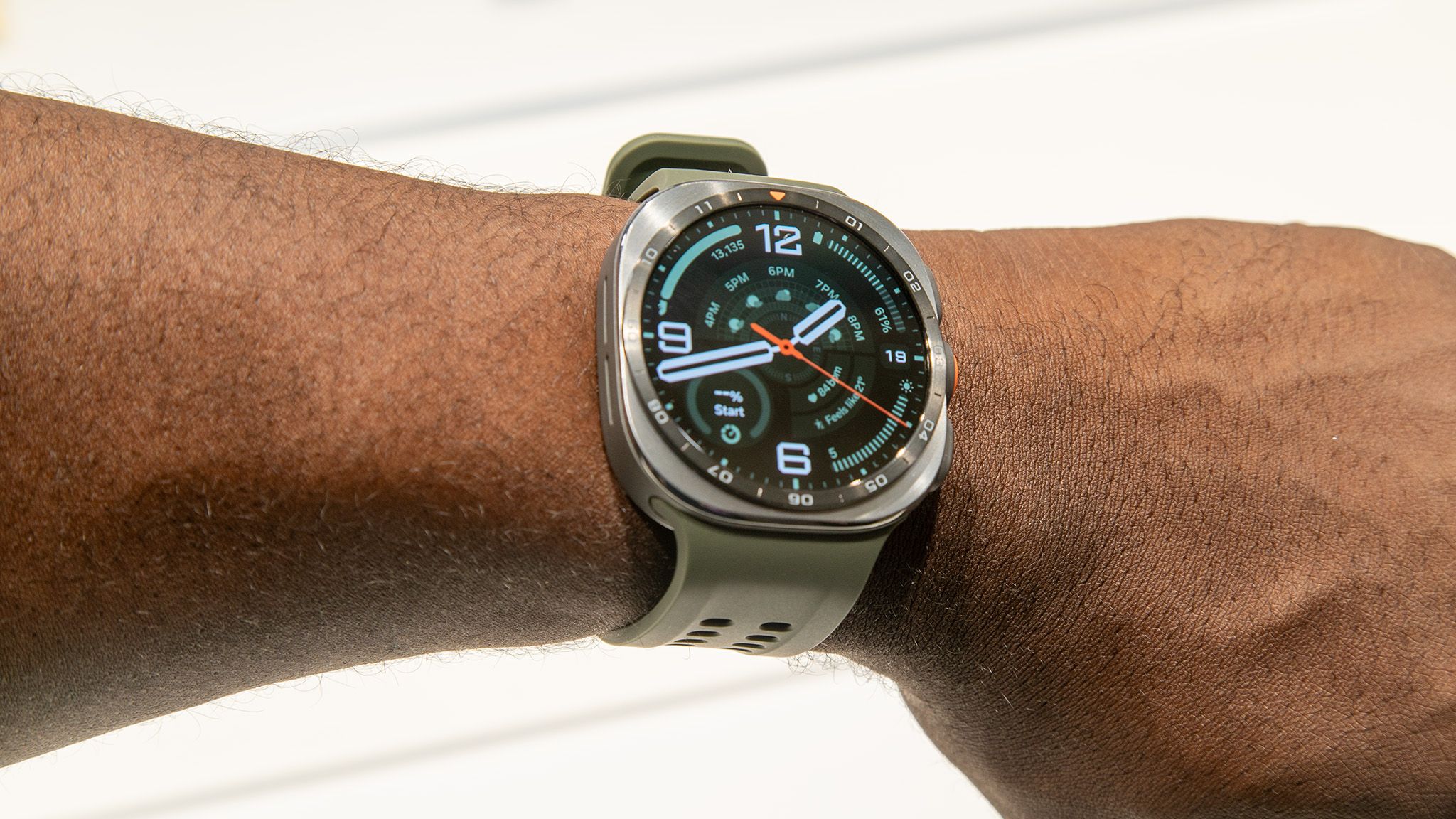
Samsung’s proactive move in extending its Wear OS support could be seen as a strategic response to this evolving market dynamic, aiming to solidify its position as the premier Android smartwatch manufacturer. It underscores a recognition that consumers are increasingly looking for devices that offer long-term value and reliability, reducing the pressure to upgrade frequently. This is particularly relevant given the premium pricing of high-end smartwatches like the Galaxy Watch Ultra 2, where a longer lifespan makes the initial investment more justifiable.
Technological Foundations for Enhanced Longevity
A key enabler behind Samsung’s ability to extend software support is the advanced hardware powering the new Galaxy Watch models. Both the Galaxy Watch 9 and Galaxy Watch Ultra 2 are equipped with the new Snapdragon Wear Elite chipset, a significant upgrade over previous generations. This chipset is built on a cutting-edge 3nm process, a notable technological leap in the fabrication of integrated circuits.
The 3nm process refers to the size of the transistors on the chip, with smaller numbers indicating more densely packed and efficient transistors. This translates directly into several critical advantages for a wearable device:
- Improved Performance: The Snapdragon Wear Elite is claimed to deliver up to 32% better performance than its predecessor. This enhanced processing power ensures that the watches can smoothly run current Wear OS 7 features and, crucially, have ample headroom to accommodate the more demanding features and complexities of future Wear OS versions for years to come. A powerful chip is essential for handling new sensor data, more sophisticated AI functionalities, and richer graphical interfaces that often accompany major OS updates.
- Enhanced Power Efficiency: A smaller manufacturing process generally leads to lower power consumption for the same level of performance. This is vital for smartwatches, where battery life is a perennial concern. Better efficiency means the watch can sustain performance through multiple OS upgrades without suffering from drastically reduced battery endurance, a common issue for older devices receiving new, more resource-intensive software.
- Future-Proofing: The 3nm architecture provides a strong foundation for future innovations. As Wear OS evolves, it will undoubtedly integrate more advanced health monitoring capabilities, improved smart assistant features, and deeper connectivity options. A high-performance, efficient chipset ensures that the Galaxy Watch 9 and Ultra 2 are well-positioned to support these future enhancements.
The collaboration between Samsung and Qualcomm, the developer of the Snapdragon Wear Elite chipset, highlights the importance of hardware-software synergy in achieving long-term device viability. Qualcomm’s commitment to advancing wearable chip technology directly supports manufacturers like Samsung in delivering products with extended lifespans and superior user experiences.
The Galaxy Unpacked Event: A Glimpse into Samsung’s Vision
The Galaxy Unpacked event in London on July 22 served as a global platform for Samsung to showcase its latest innovations across its mobile ecosystem. While the spotlight often shines brightest on the company’s flagship foldable smartphones, such as the Galaxy Z Fold 8 and Z Flip 8, the concurrent launch of the Galaxy Watch 9 and Galaxy Watch Ultra 2 demonstrated Samsung’s comprehensive strategy for the interconnected future. The event, attended by journalists, analysts, and tech enthusiasts worldwide, emphasized a future where devices seamlessly integrate into users’ daily lives, enhancing productivity, communication, and well-being.
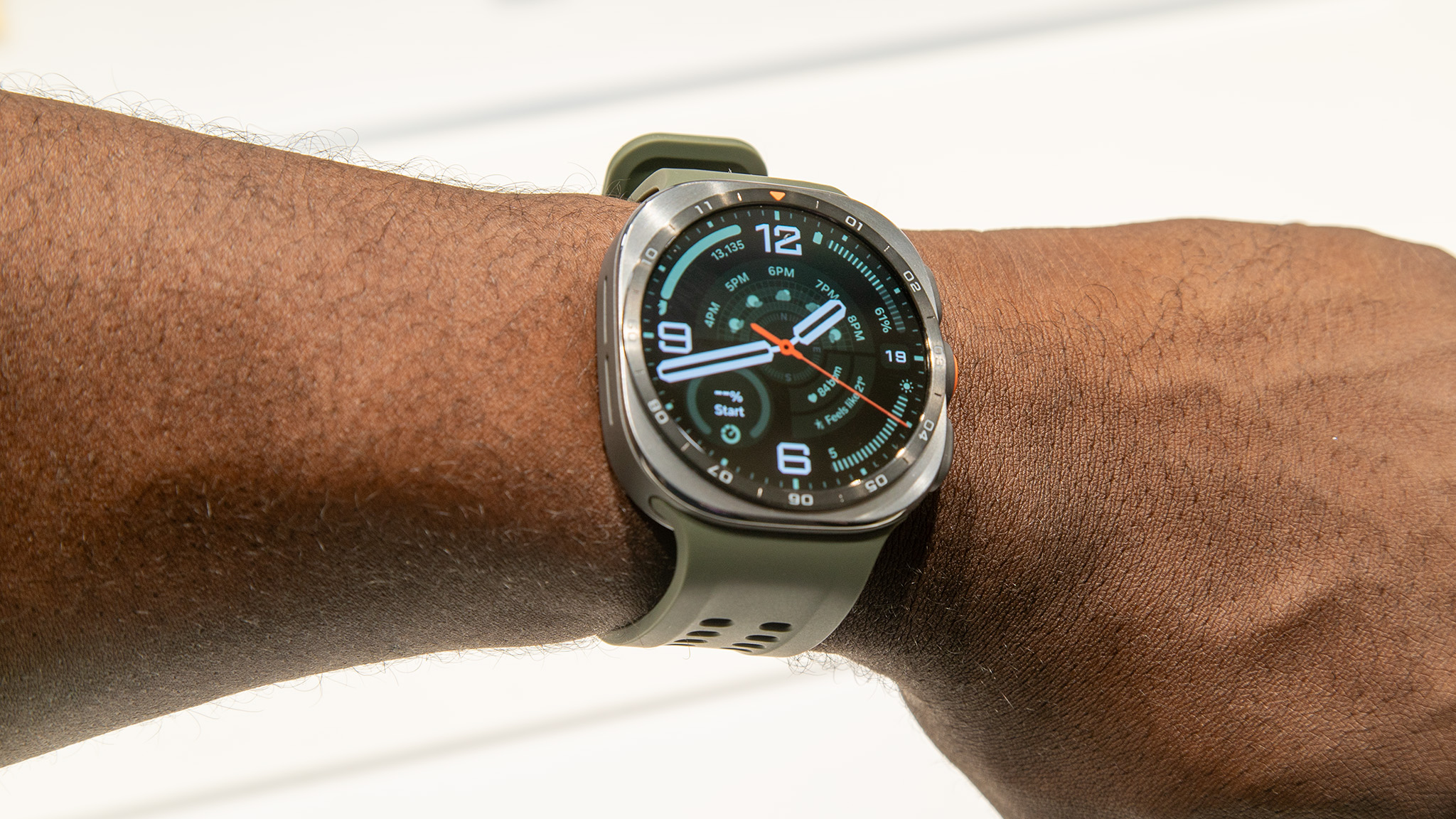
It is noteworthy that the specific detail regarding the extended software update policy was not a central theme of the main keynote presentation. Major announcements like battery improvements (larger capacities across both new watch models were indeed highlighted) or groundbreaking new health features often take precedence in a high-level product reveal. However, the subsequent confirmation of this extended support, first reported by outlets like SamMobile based on official product specifications, reveals a deeper, more strategic commitment from Samsung. This approach suggests that while the headline features draw initial attention, the underlying promise of long-term support is a crucial differentiator that caters to a more informed segment of the consumer base.
The pricing for these new wearables reflects their premium positioning and advanced capabilities: the Galaxy Watch 9 starts at $380 in the U.S., while the more robust Galaxy Watch Ultra 2 is priced at $700. Both smartwatches are slated for availability starting August 7, giving consumers a short window to consider their purchase decisions in light of this significant software support upgrade.
Broader Implications and Market Impact
Samsung’s decision to offer five years of major Wear OS updates carries significant implications for various stakeholders:
- For Consumers: This is a clear win. Users gain peace of mind knowing their substantial investment in a premium smartwatch will yield prolonged access to new features, performance enhancements, and critical security patches. It reduces the total cost of ownership over time and empowers consumers to hold onto their devices for longer, making a more sustainable choice. This extended lifecycle enhances the overall value proposition, making Samsung’s smartwatches even more attractive.
- For the Wearable Market: Samsung’s move sets a new, aggressive standard. Competitors, particularly Google with its Pixel Watch and other Wear OS manufacturers, will face increased pressure to match or exceed this level of software commitment. Failure to do so could result in a perception of lagging behind in terms of value and customer care, potentially ceding market share to Samsung. This could spark an "arms race" in software support, ultimately benefiting consumers across the entire Android smartwatch ecosystem. It also subtly pressures Apple, whose strong, though less explicit, support for watchOS is a key selling point.
- For Samsung’s Brand and Strategy: This initiative solidifies Samsung’s reputation as a customer-centric company committed to product longevity. It differentiates the brand in a crowded market and reinforces customer loyalty. By ensuring its devices remain relevant and secure for an extended period, Samsung can foster a stronger relationship with its user base, encouraging repeat purchases and ecosystem lock-in. This aligns with a broader industry trend of valuing subscription-like device relationships rather than one-off sales.
- Environmental Impact: Longer software support inherently promotes sustainability by extending the usable life of electronic devices. This helps combat electronic waste (e-waste), a growing global concern. By encouraging users to keep their smartwatches for five years or more, Samsung contributes to reducing the frequency of device upgrades and the associated environmental footprint of manufacturing and disposal.
- Ecosystem Development: A consistent and long-term update policy provides a stable platform for developers. Knowing that a significant installed base of devices will remain on current Wear OS versions for years encourages developers to invest in creating and maintaining high-quality applications, further enriching the Wear OS ecosystem.
Industry analysts are likely to view this as a strategic move by Samsung to cement its leadership in the Android smartwatch segment and potentially challenge Apple’s dominance in the premium wearable space. By focusing on fundamental aspects like software longevity, Samsung is building a compelling case for long-term user satisfaction, which is a powerful driver of brand loyalty and market success. Consumer advocacy groups will undoubtedly welcome this development, advocating for similar commitments from other manufacturers to benefit consumers universally.
In conclusion, Samsung’s quiet announcement regarding five years of major Wear OS updates and security patches for the Galaxy Watch 9 and Galaxy Watch Ultra 2 represents a pivotal moment for the smartwatch industry. It is a testament to the advancements in hardware, particularly the new Snapdragon Wear Elite chipset, and a clear signal of Samsung’s commitment to delivering sustained value to its customers. This policy not only enhances the appeal of Samsung’s latest wearables but also sets a formidable new standard that is poised to reshape expectations across the entire wearable technology landscape, pushing competitors towards greater longevity and improved customer care. The implications extend beyond individual device sales, touching upon consumer expectations, market competition, and the broader push towards more sustainable electronics consumption.